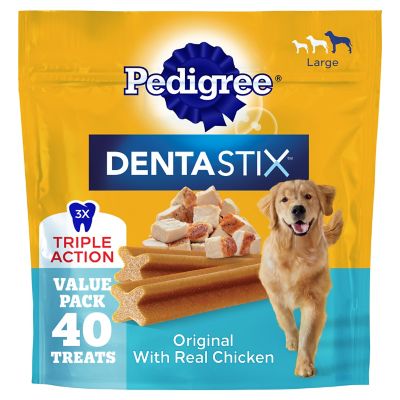
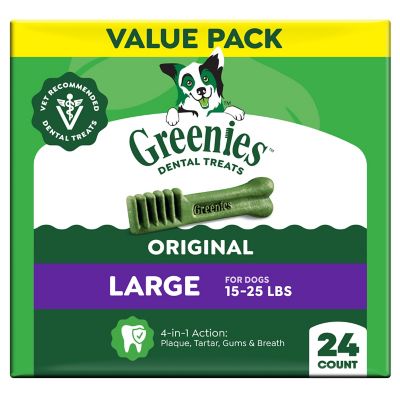
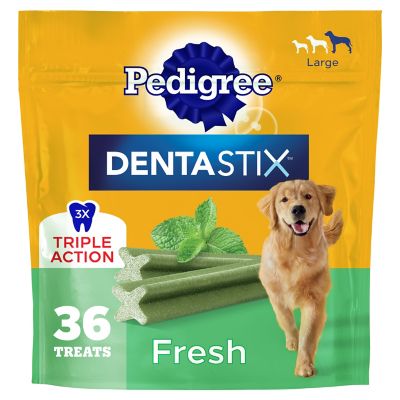
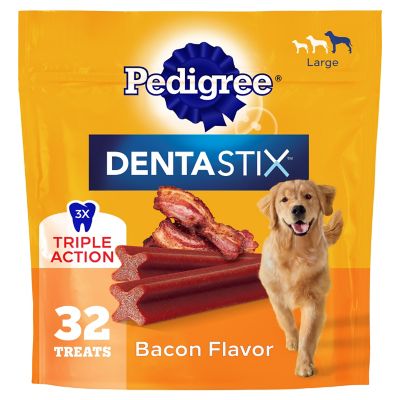
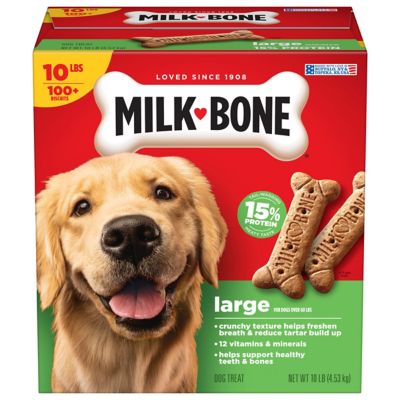
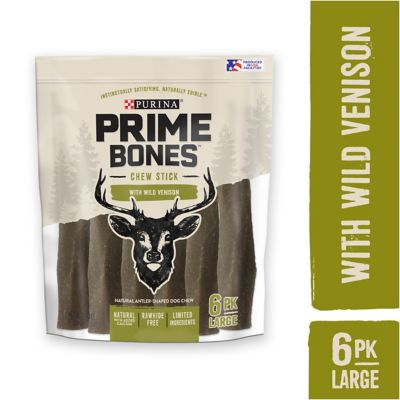
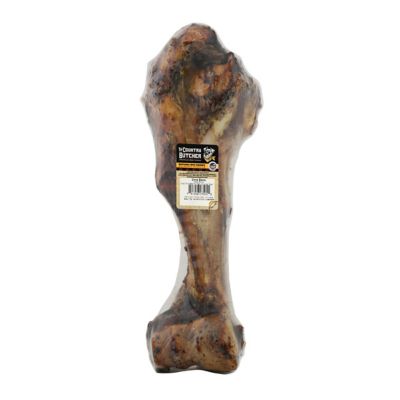
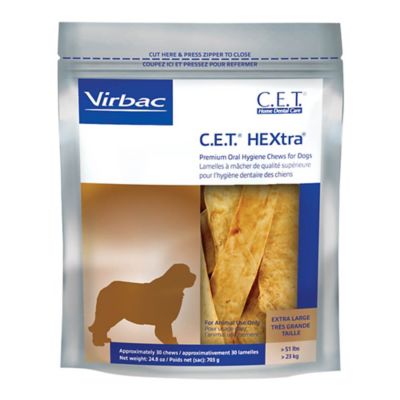
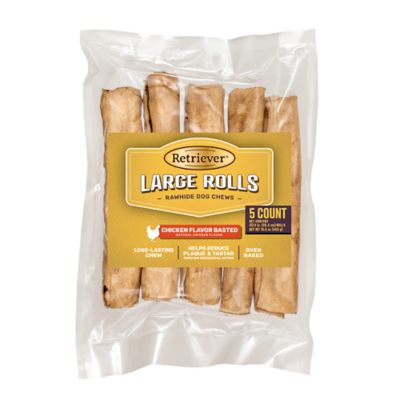
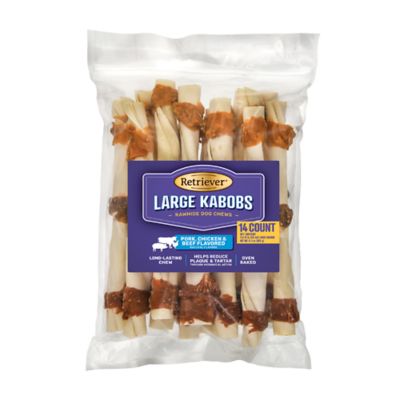
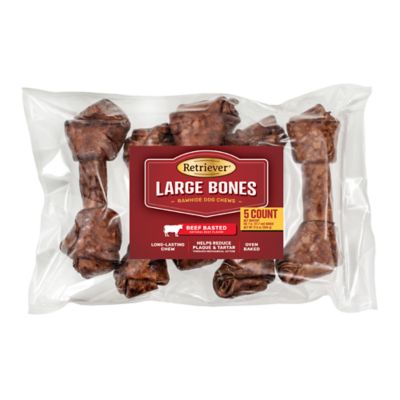
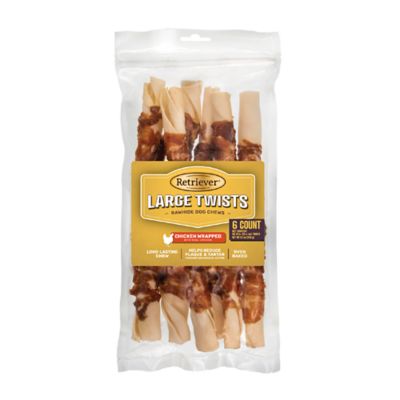
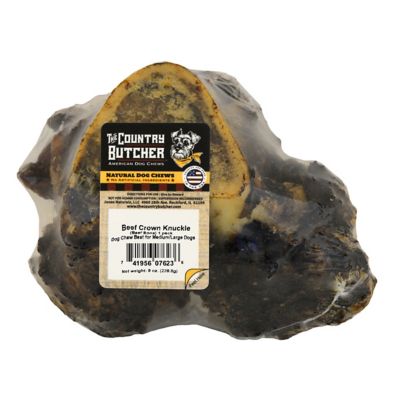
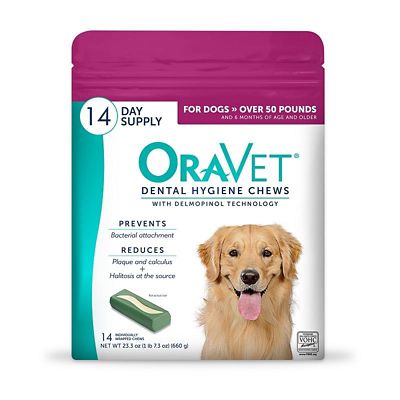
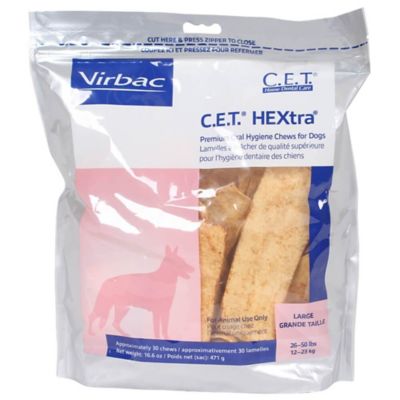
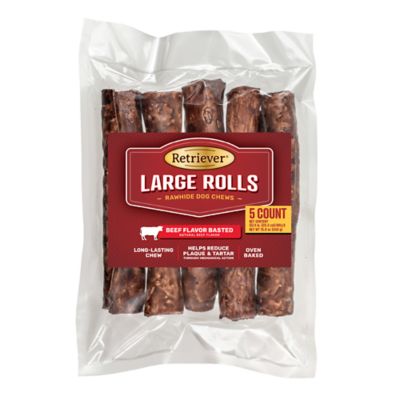
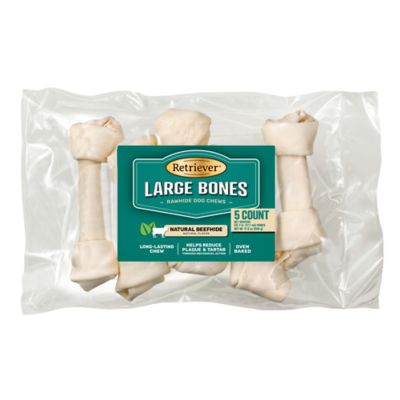
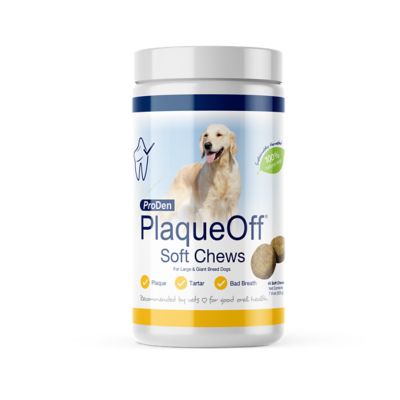
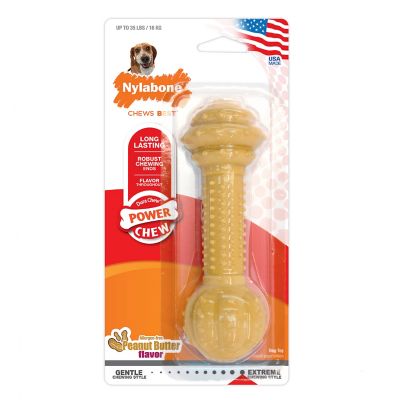
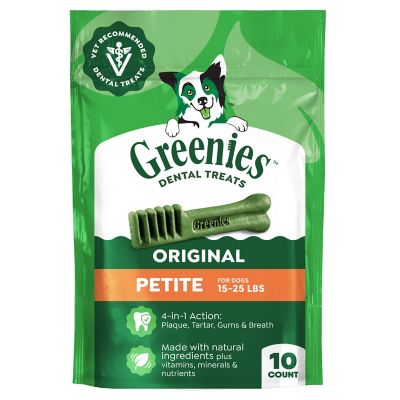
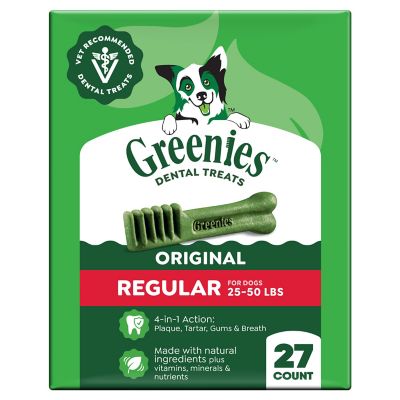
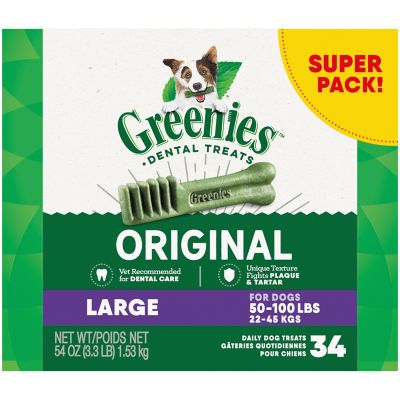
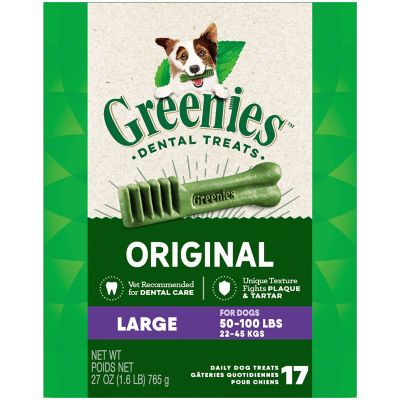
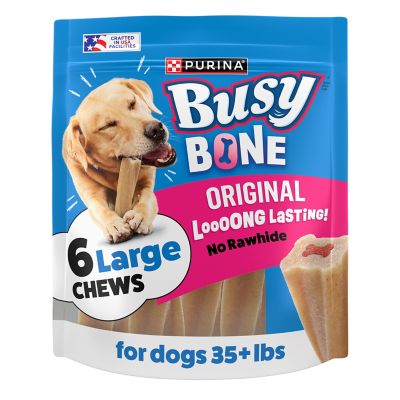
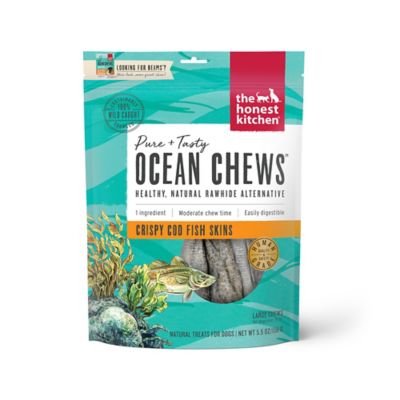
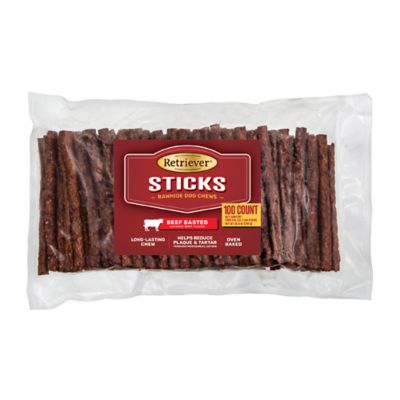
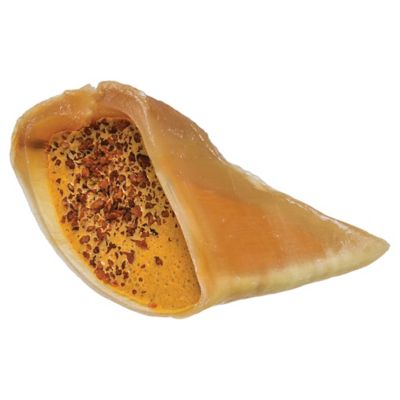
Choosing dog chews for large dogs starts with matching the chew to your dog’s size, chewing style and everyday habits. A big dog can put a lot of force behind each bite, so a chew made for a small or medium dog may break apart too quickly or become a choking hazard. Look for size-appropriate options that are wide and substantial enough for your dog to hold without swallowing whole, while still being comfortable to carry and work on. Your dog’s weight is a helpful starting point, but it is not the only factor. A young dog that chews through everything in the house needs a different choice than an older dog that enjoys a slow, quiet snack after dinner. Dogs over 50 pounds often do well with large-size dental chews or heavy-duty edible treats, but always check the package directions for the recommended weight range. Single-ingredient chews, including beef bully sticks, collagen rolls and beef cheek rolls, are popular with pet owners who want a satisfying treat with a straightforward ingredient list. Many are fully digestible alternatives to traditional rawhide and can keep a dog occupied while providing a rewarding outlet for natural chewing behavior. Dental chews are shaped and textured to help rub along the teeth as a dog chews, which may help reduce plaque and tartar buildup when used as directed alongside regular veterinary care. They should not take the place of brushing or professional dental cleanings, but they can fit nicely into a consistent at-home routine. For more options made with powerful chewers in mind, browse
Dog Treats For Heavy Chewers and compare sizes, textures and ingredients before adding a new treat to your dog’s rotation.
Long-lasting chews can be especially useful for large dogs that need something constructive to do during quiet time, after a walk or while the family is busy with chores. A sturdy chew may help pass the time in a kennel, on the porch or in a favorite patch of shade, though it should always be offered in a place where you can keep an eye on your dog. Bully sticks are made from a single animal-based ingredient and are generally easy for many dogs to digest, making them a common choice for an occasional high-value chew. Collagen and cheek rolls offer a firm texture that softens as the dog works on it, and they can be a good middle ground for dogs that enjoy a challenge without needing an extremely hard chew. Antlers and horns are often chosen for their long-lasting nature, particularly by owners of determined chewers, but their hardness deserves special care. A chew that is harder than a dog’s tooth can lead to cracked or fractured teeth, especially when the dog bites down forcefully. The same caution applies to very hard bones and dense animal parts. If you offer these types of chews, supervise closely, watch for sharp edges or splintering and take them away if they become small enough to swallow. Never leave a dog alone with a new chew until you know how they handle it. Some dogs gnaw patiently, while others try to gulp pieces or break off large chunks. Remove any treat that is worn down, cracked, sharp, contaminated or small enough to fit entirely inside the dog’s mouth. Fresh water should be available, and treats should be counted as part of the daily feeding plan so they do not quietly add more calories than your dog needs.
Dog chews for large dogs can also make a thoughtful gift for a new pet parent, a family welcoming a rescue dog or anyone with a big companion who seems happiest with a job to do. They are useful for rainy afternoons, travel days and the cooler months when dogs may spend more time indoors, and a durable chew can give an active dog a calm way to settle after outdoor play. When choosing a gift, select a sealed package with clear feeding instructions and a size intended for large dogs rather than guessing based only on the dog’s breed. A Labrador Retriever, German Shepherd, Great Dane or mixed-breed dog may have very different chewing habits even when their weights are similar. Puppies, senior dogs and dogs with dental concerns may need softer textures or treats approved by a veterinarian, while aggressive chewers may need a carefully supervised rotation of durable, digestible options. Introduce one new chew at a time and offer a smaller portion first if your dog has a sensitive stomach. Keep treats stored in a cool, dry place, and wash hands and food dishes after handling animal-based chews. With the right size and a little common sense, a chew can be more than a snack: it can support a daily routine, reward good behavior, occupy a bored dog and give a loyal companion a satisfying way to use those powerful jaws.