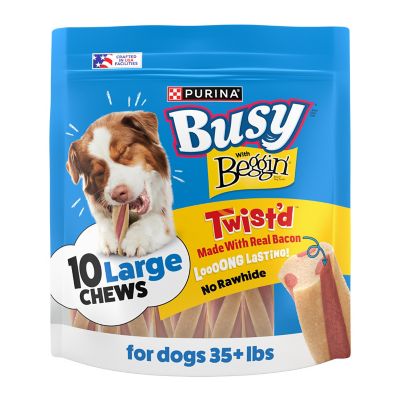
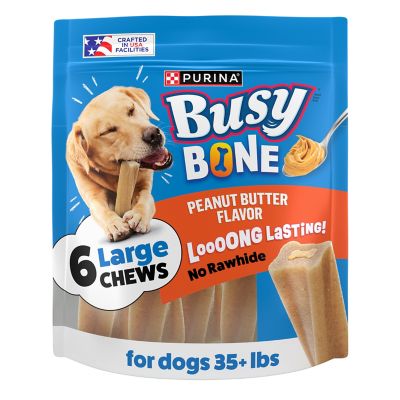
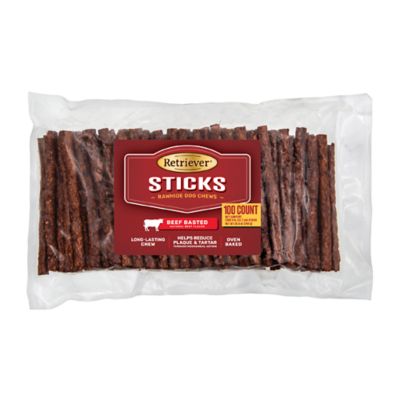
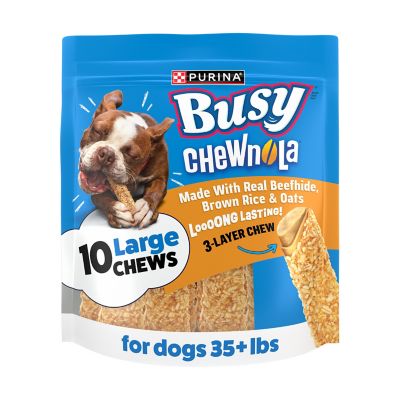
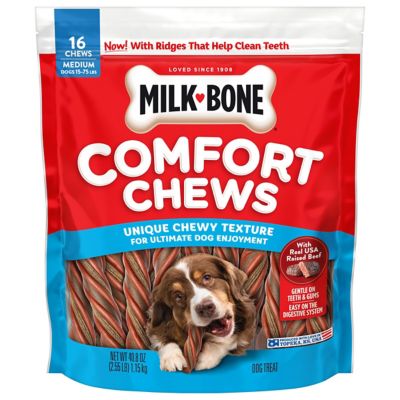
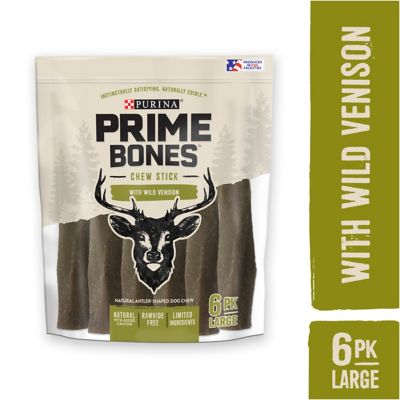
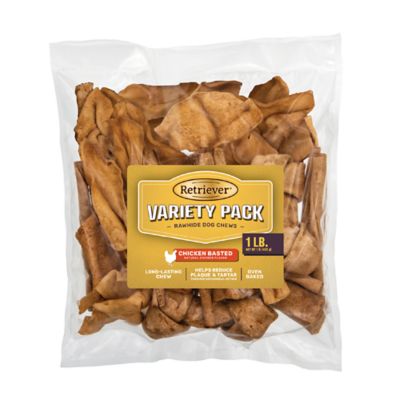
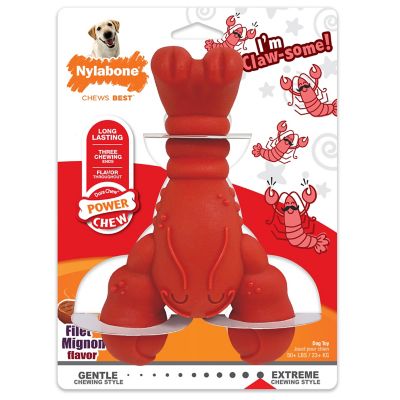
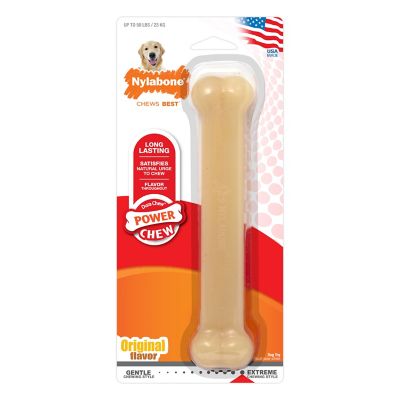
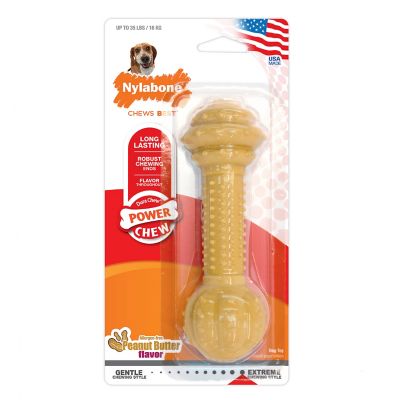
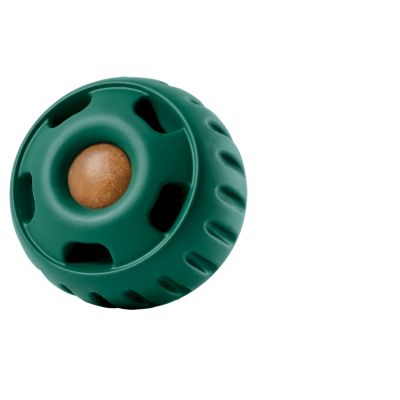
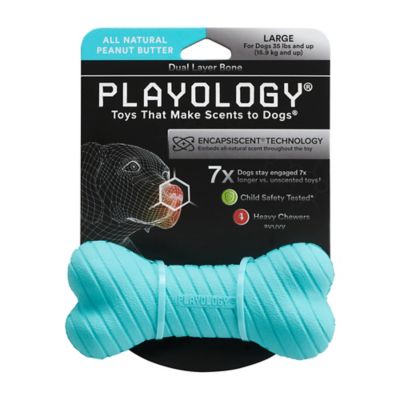
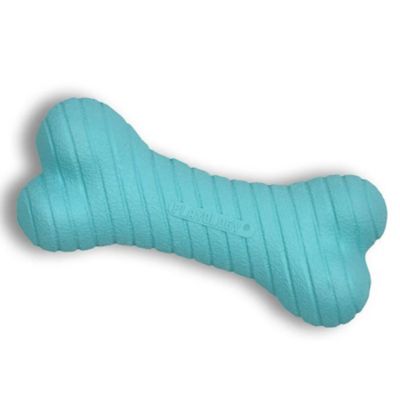
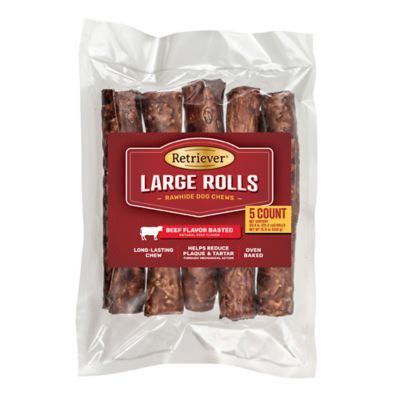
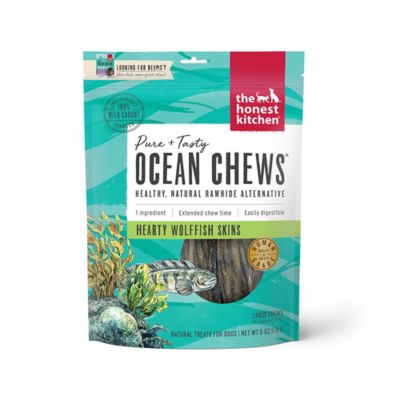
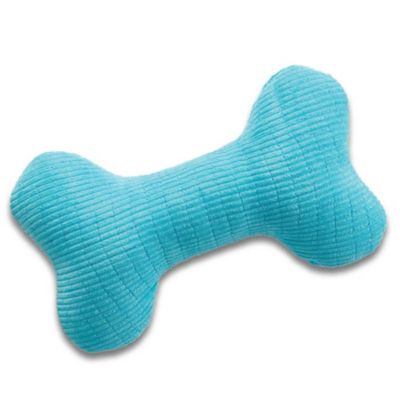
Dog chews give dogs an outlet for natural chewing behavior, help keep them occupied and, when designed for dental care, can support cleaner teeth. From a family companion stretched out beside the kitchen table to a farm dog settling down after a busy day, plenty of dogs enjoy having something appropriate to gnaw. The right match depends on more than flavor: ingredients, texture, size and chewing habits all shape how a chew fits into a dog’s routine. Edible dog chews range from single-ingredient animal-based treats to formed recipes with several ingredients, while nonedible chewing options include rubber and nylon materials intended for repeated gnawing rather than eating. Some edible textures soften fairly quickly, while others take more work to break down. Softer does not automatically mean suitable for every dog, and a chew that lasts a long time is not necessarily the better choice. Beef, poultry, pork and fish ingredients bring different tastes and smells, which can matter to a dog that sniffs carefully before taking the first bite. Rawhide-free dog chews provide another category for households that prefer to avoid hide, though that label alone does not establish how easily a chew digests or how safely a particular dog will handle it. Ingredient lists and feeding directions tell more than a picture on the package. For dogs with food sensitivities, the protein source, added flavorings and other ingredients deserve a close look, especially when a veterinarian has recommended a restricted diet. A chew can add interest to a quiet break after a walk or give a dog a welcome activity while someone sits nearby folding laundry. That kind of supervised downtime fits easily into everyday life, but chewing still works best alongside exercise, play, training and regular company. It is one part of keeping a dog engaged, not a stand-in for attention or a way to leave a restless dog alone for hours.
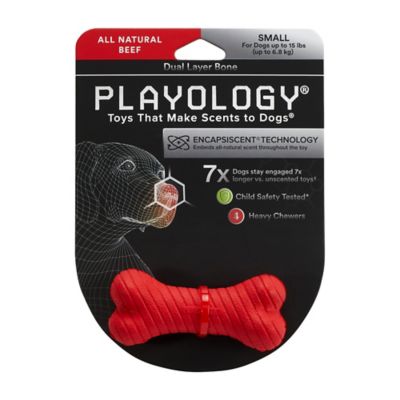
Size and texture make a real difference in how dog chews perform. A broad-jawed dog may get a small chew far back in the mouth, while a little dog can struggle to grip something too thick or heavy. Package weight ranges and age recommendations provide a starting point, but the dog’s mouth, dental condition and chewing style matter, too. A slow nibbler that works along an edge has different needs from a dog that clamps down hard or tries to swallow the last large piece. Chews should be large enough that a dog cannot swallow them whole, and they need another look as they shrink, soften or break apart. Puppies need options appropriate for their age and developing teeth; older dogs or dogs with sore gums, missing teeth or previous dental trouble may need gentler textures and veterinary input. Very hard materials, including bones, antlers and rigid synthetic chews, can fracture teeth, particularly in forceful chewers. Nonedible rubber and nylon chews also need regular inspection because torn chunks and loose fragments can create choking or digestive hazards. Edible chews carry risks as well, especially when a dog gulps softened pieces instead of chewing them thoroughly. Close supervision means staying near enough to notice trouble and removing a chew when it becomes small enough to swallow, develops sharp edges or starts coming apart. In a household with several dogs, separate chewing spaces can help prevent competition and make it easier to see who is eating what. A quiet spot within sight, away from foot traffic and other pets, often makes for a more settled session. Even a familiar chew can behave differently with a different dog, so matching the product to the individual matters more than choosing by breed alone. No chew is risk-free, and gagging, bleeding, repeated vomiting or signs of pain warrant prompt veterinary attention rather than another chewing session.
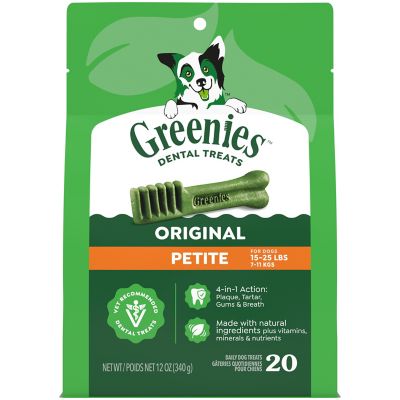
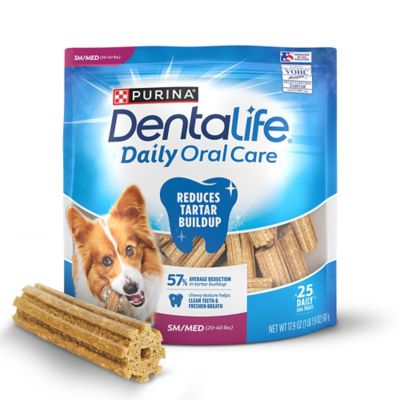
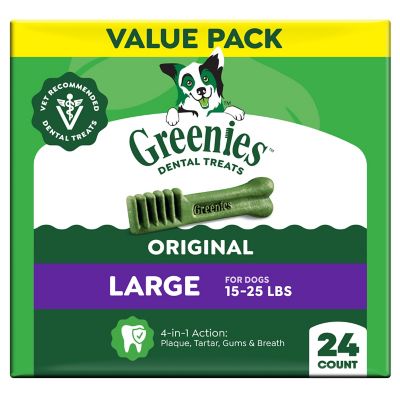
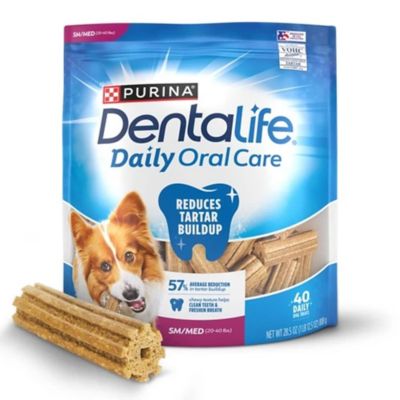
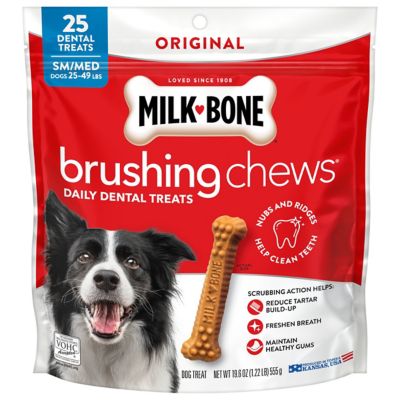
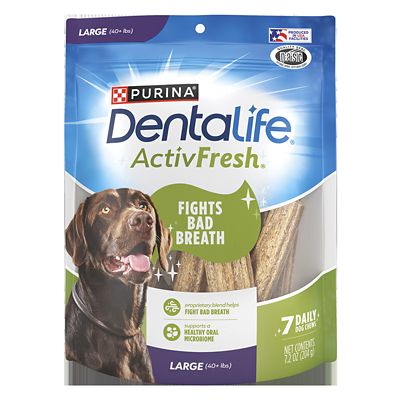
Dental dog chews have a more specific role than general chewing treats. Certain shapes and textures encourage contact with tooth surfaces as the dog bites, and products with evidence supporting plaque or tartar reduction can complement a home dental routine. The
Dog Dental Chews category focuses on chews intended for that purpose, with size and feeding directions that still need to match the dog. Not every chew cleans teeth, and even a dental chew does not replace toothbrushing, veterinary examinations or professional treatment when needed. A seal from the Veterinary Oral Health Council can help identify products evaluated against its standards for plaque or tartar control. Beyond dental benefits, edible chews contribute calories, which can be easy to overlook when a dog spends a long time working on one. Treats and chews generally should account for no more than 10 percent of daily calories unless a veterinarian recommends otherwise, with the rest coming from a complete and balanced diet. That matters for a small dog enjoying a substantial chew just as much as for a larger dog receiving several treats throughout the day. Fresh drinking water should be within reach, and feeding amounts should follow the label rather than the dog’s enthusiasm. Care between sessions depends on the material: edible chews need storage according to package directions, while washable nonedible chews need cleaning by the manufacturer’s recommended method and thorough drying. Anything moldy, contaminated or damaged belongs out of reach, and partially eaten chews should not sit around where another pet or a child can pick them up. For someone choosing chews as a gift for a dog-owning friend or neighbor, knowing the dog’s size, food restrictions and chewing habits makes the gesture more thoughtful. Whether the goal is a satisfying gnaw, a little mental activity or support for dental care, a well-matched chew earns its place through sensible ingredients, an appropriate texture and attentive supervision.