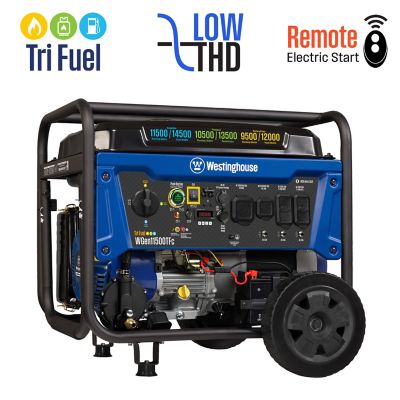
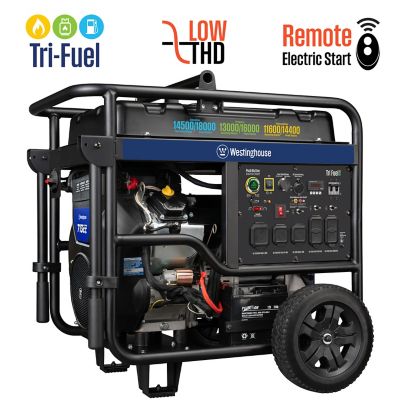
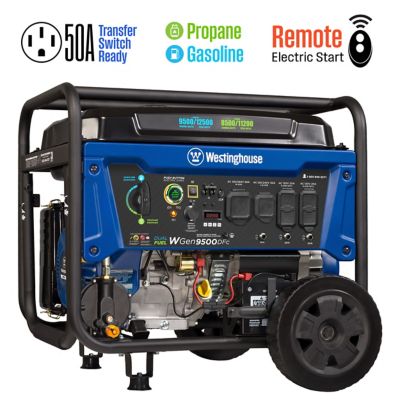
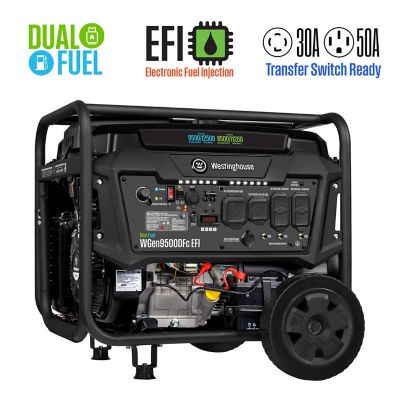
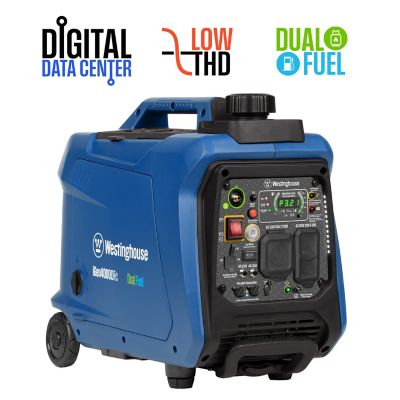
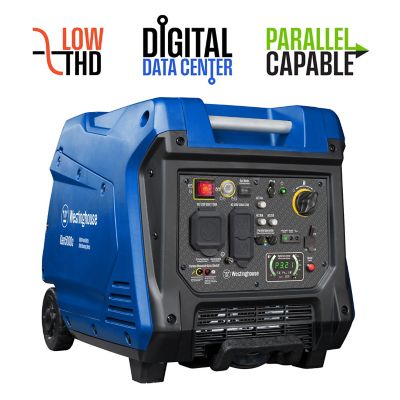
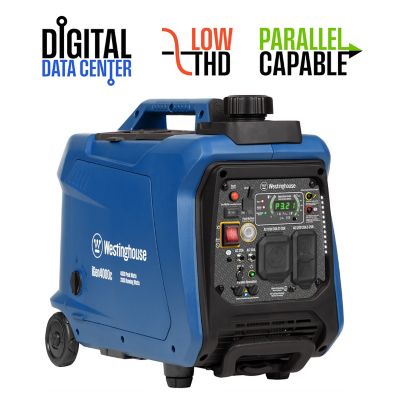
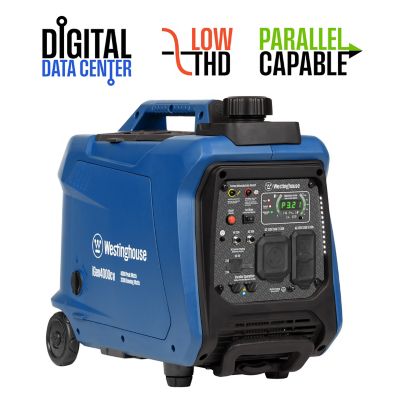
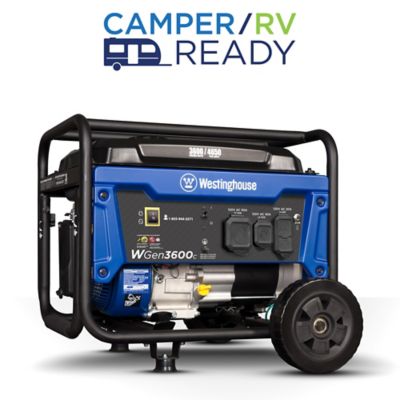
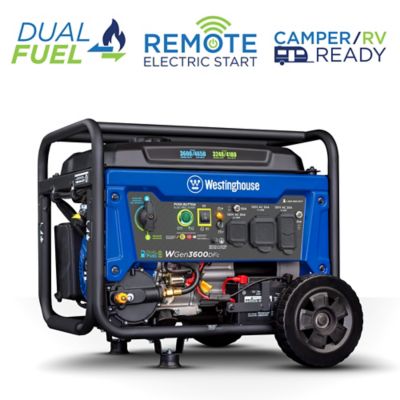
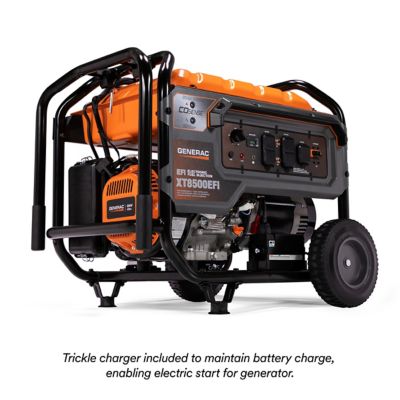
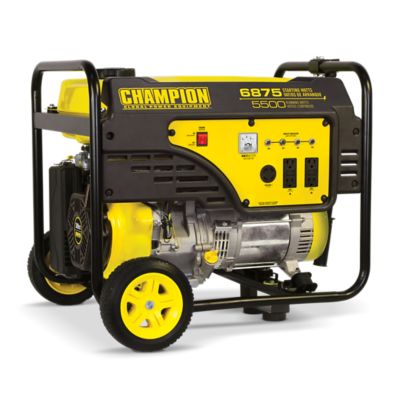
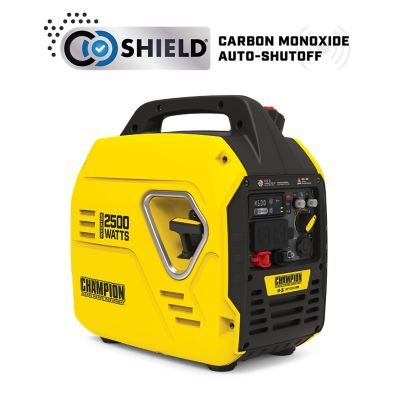
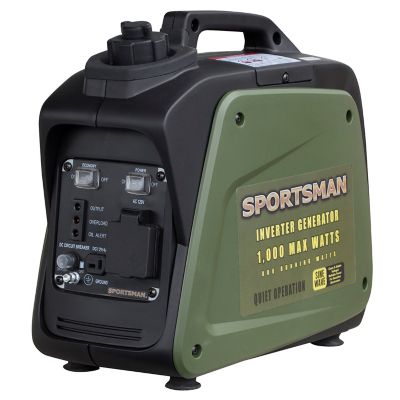
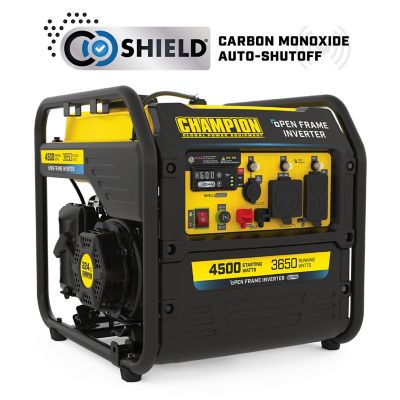
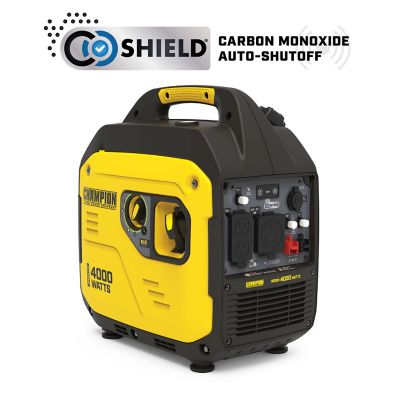
RV generators bring electrical power along when the campsite has no hookups, whether the trip means a few nights beside the lake, a horse show with the trailer parked nearby, or a long stretch of open road. The right fit depends on what needs power, how those appliances start, and the camper’s electrical connections—not just the biggest wattage number on the housing. Running watts describe the power a generator can supply continuously, while starting watts cover the brief surge that motors and compressors may need. A refrigerator, battery charger, lights, and a few electronics create a different load than an air conditioner running alongside a microwave. Around 2,000 running watts may cover modest electrical needs, but refrigerator startup demand and the RV’s battery-charging equipment still count toward that total. Many setups with one 13,500- or 15,000-BTU air conditioner call for generators in roughly the 3,000- to 4,500-watt range, with the actual requirement depending on the appliance’s starting load and everything else drawing power. A compatible air conditioner soft-start device can reduce startup demand, though it does not reduce every other load in the camper. Two air conditioners can push generator requirements substantially higher; their combined starting and running demands matter more than a broad size recommendation. A 30-amp RV connection supplies up to 3,600 watts at 120 volts. A 50-amp RV connection can supply up to 12,000 watts across two 120-volt legs, but that connection rating does not mean every trip requires a generator with that much output. For folks who only need a few essentials, switching off a larger appliance before another starts can make a smaller setup practical. For families expecting several appliances to run together, more continuous output and enough starting capacity become important. Appliance nameplates, the RV’s electrical specifications, and the generator’s ratings provide a firmer basis for matching equipment than trailer length alone. The best match leaves room for the loads that actually travel with the camper, rather than treating every outlet as though it will be running something at once.
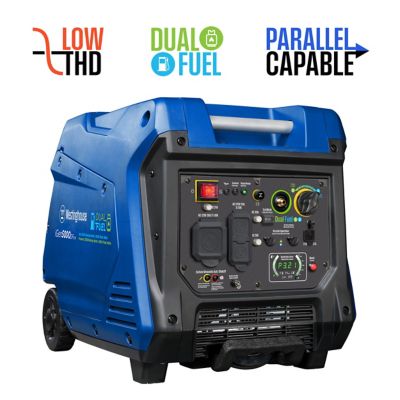
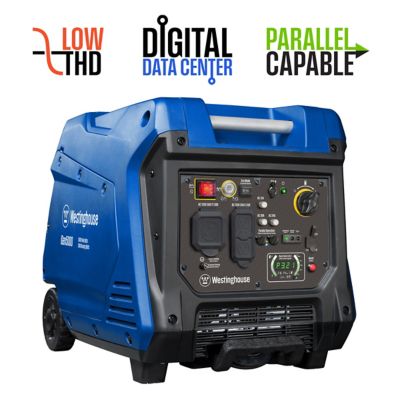
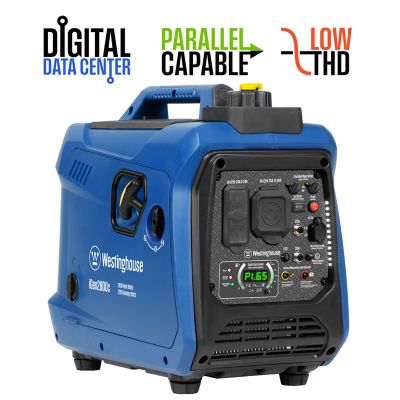
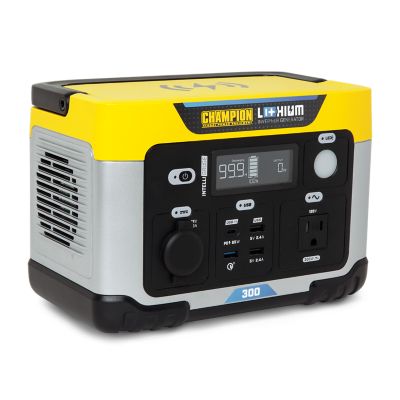
Portable inverter generators, conventional portable generators, and built-in RV generators suit different ways of traveling. Inverter models regulate their electrical output electronically and often vary engine speed with demand, which can reduce sound and fuel consumption under lighter loads. For laptops, televisions, and other electronics, the manufacturer’s voltage, frequency, and total harmonic distortion specifications help establish compatibility. Conventional generators can suit heavier power needs, while permanently installed units connect with the RV’s fuel, exhaust, and electrical systems through equipment designed for that installation. Shopping for
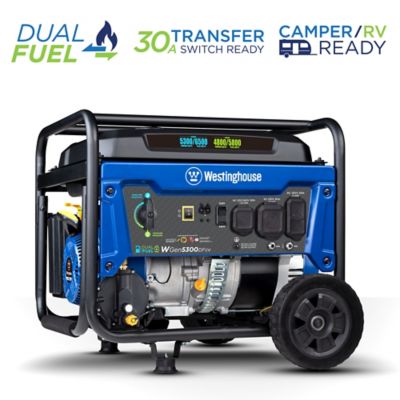
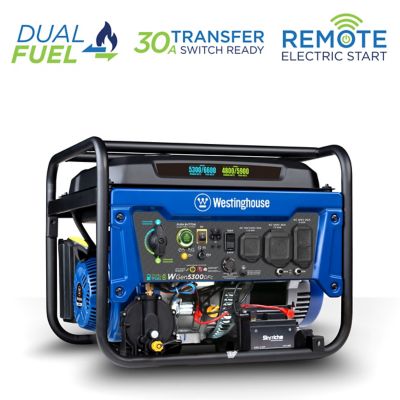
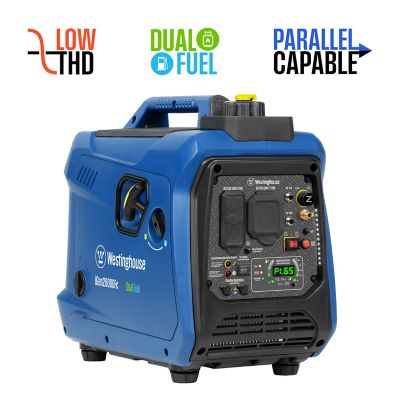
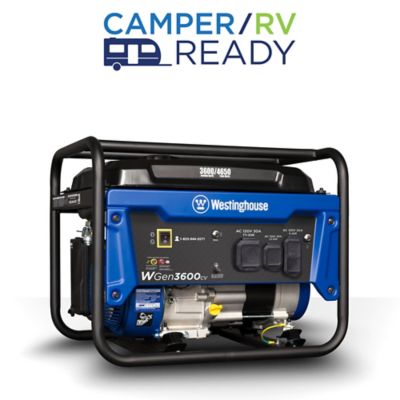
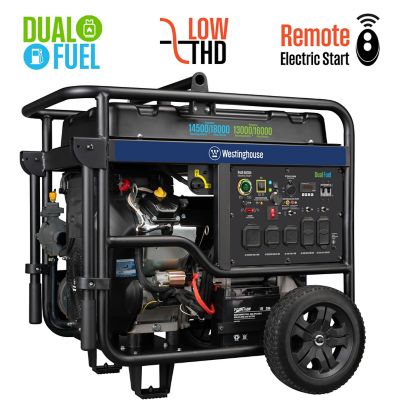
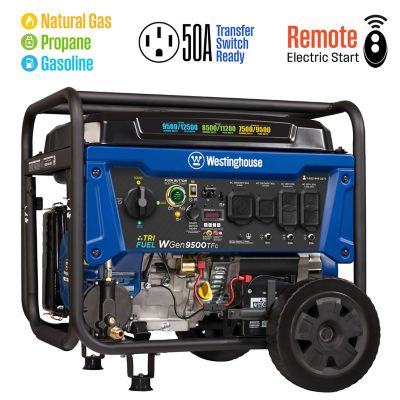
Generators For RVs also means looking beyond wattage to the outlet configuration. An RV-ready receptacle can simplify the connection, but its amperage and voltage still need to match the trailer’s requirements. An adapter changes the connection style; it does not increase generator output or turn a 120-volt source into a 240-volt source. Parallel operation is another option on some inverter generators, but it requires compatible units and the manufacturer’s specified connection equipment. Fuel choice affects the setup, too. Gasoline models require a suitable fuel container and a storage plan, while propane-capable models need the proper cylinder connection and enough cylinder capacity for the intended load. Dual-fuel generators offer a choice between fuels, although their rated output can differ depending on which fuel is supplying the engine. Runtime figures make more sense when considered alongside their stated load, since a light battery-charging job and a running air conditioner draw very different amounts of power. Sound ratings deserve the same attention: measurement distance and operating load affect the comparison. Campground generator hours and sound restrictions also influence which setup fits a trip. For anyone carrying a generator in a truck bed, overall dimensions, lifting weight, handle placement, and wheel design matter every time camp gets packed up.
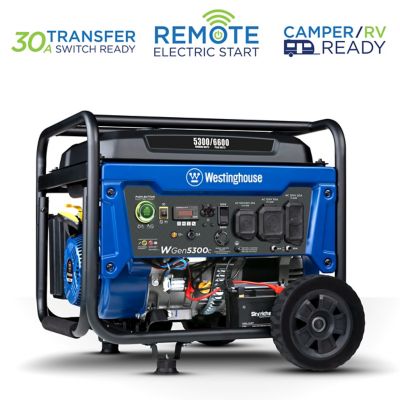
Construction and everyday upkeep play a big part in how well an RV generator holds up to travel. Steel frames can help protect exposed components and provide solid lifting points, while enclosed housings shield internal parts and help manage operating sound. Neither design replaces proper tie-downs during transport. A compact unit still needs a secure riding spot, accessible maintenance points, and enough room for safe handling. Wheels make movement easier across firm ground, but lifting a generator over a tailgate or moving it through loose gravel is a separate consideration. Oil-fill access, air-filter access, readable controls, and a fuel gauge can make routine checks less of a chore after a long drive. Maintenance intervals vary by model, so oil changes, filter service, spark plug checks, and storage preparation should follow the manufacturer’s schedule. Portable generators belong outdoors, at least 20 feet from the RV, nearby buildings, and other occupied spaces, with exhaust directed away from doors, windows, and vents. They should never run inside a camper, garage, enclosed trailer, or storage compartment, even with a door open. A portable unit is not a substitute for a built-in generator designed and installed for an RV compartment. Working carbon monoxide alarms inside the camper are essential, and neighboring campsites need consideration when choosing an operating location. Electrical connections call for properly rated cords, intact plugs, and any grounding or bonding arrangements specified for the generator and RV. Connections to fixed wiring require suitable transfer equipment and qualified installation; feeding power backward through an ordinary outlet is unsafe. Before refueling a portable gasoline generator, shut it down and let the engine cool as directed by the manufacturer. Keeping fuel containers secured, checking connections before each trip, and protecting receptacles from moisture help make power at camp a straightforward part of the routine. With the electrical load, connections, transport setup, and maintenance needs matched to the camper, an RV generator can support everything from a simple overnight stop to a longer stay beyond the campground hookups.