RV equipment helps turn a campsite arrival from a hurried chore into a smoother part of the trip. Whether you pull a travel trailer behind a pickup, drive a motorhome, or keep a camper parked near the lake for weekend stays, the right gear supports safe setup, clean hookups, and a more comfortable camp. Start with the basics that help your RV sit steady and stay in place. Leveling blocks can be stacked beneath tires or leveling points to help make up for uneven ground, while wheel chocks should be placed snugly against the tires before people move around inside the camper. These simple steps can make a big difference on gravel pads, sloped driveways, and grassy campsites where the ground may shift after rain. For fresh water, choose a hose made for drinking-water connections, and keep it separate from hoses set aside for other tasks. A lead-free white hose with the right length and fittings can help you reach a campground spigot without stretching the connection. A pressure regulator is also worth considering when campground water pressure may run high. For wastewater hookups, look for a sewer hose setup with secure fittings, a flexible length that reaches the dump inlet, and a clear elbow that lets you see flow through the connection. A bayonet-style connection, threaded adapter, or other fitting may be needed depending on the RV and campsite. Gloves, rinse tools, and a dedicated storage container can help keep sanitation supplies apart from drinking-water gear. Campers who are new to RV travel may appreciate a starter bundle that brings together several setup essentials, while experienced travelers often add spare fittings, extra hose length, or replacement caps to round out the equipment already in their rig. Before a trip, check the hose connections, inspect seals for cracks, and make sure every adapter matches the inlet or pedestal you expect to use.
Power equipment deserves the same careful attention. Campgrounds may offer different outlet styles and amperage ratings, so keep the RV’s electrical service in mind when selecting power cords, dogbone adapters, and extension equipment. Match the plug and receptacle, avoid forcing a connection, and check the pedestal before plugging in. A simple voltage monitor can offer helpful information when power at a busy campground seems inconsistent. Outside the RV, covers can help shield a parked trailer or motorhome from sun, rain, falling leaves, and snow during the cooler months. Select a cover that suits the RV’s length, roofline, vents, and access points, and look for tie-down features that hold it in place when wind moves across an open storage lot. Allow the RV to dry before covering it, and check the cover from time to time so trapped moisture does not linger. For evenings around the campsite, weather-resistant awning lights can brighten the area beside the RV without taking up table space. Soft lighting makes it easier to find a chair, step, or cooler after sunset, while a properly placed light can help mark the edge of the outdoor living area.
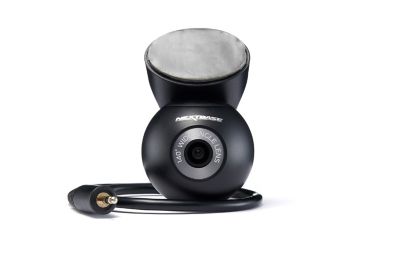
Families, hunters, anglers, road-tripping friends, and seasonal campers can all find a practical use for RV equipment, and these items can make thoughtful gifts for someone preparing for a first camping trip or getting a rig ready for storage. A relative who travels between campgrounds may value extra adapters and sanitation supplies; someone who spends weekends at a rural campsite may appreciate leveling blocks, chocks, or weather protection; and a new RV owner may welcome a collection of everyday setup gear. Visibility matters too, especially when a camper is parked at home, stored on a farm, or left at a site while the owners explore nearby trails. Browse
RV Cameras for equipment that can help keep an eye on the rig, campsite entrance, or surrounding area. As the weather shifts from mild days to colder nights, inspect seals, cords, hoses, and covers before each outing, drain water lines when freezing conditions are possible, and store loose gear where it will stay clean and ready for the next trip. With a sensible mix of hookup supplies, leveling and stopping equipment, power accessories, weather protection, lighting, and monitoring tools, RV travelers can spend less time sorting out campsite problems and more time enjoying a quiet cup of coffee, a fish-filled afternoon, or a warm meal beside the fire.