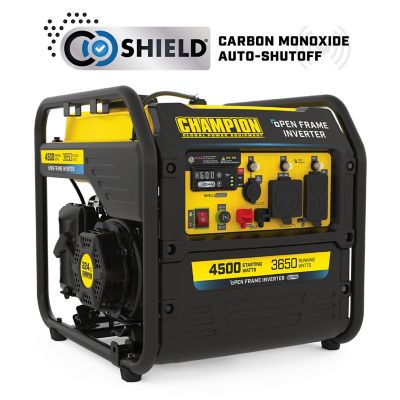
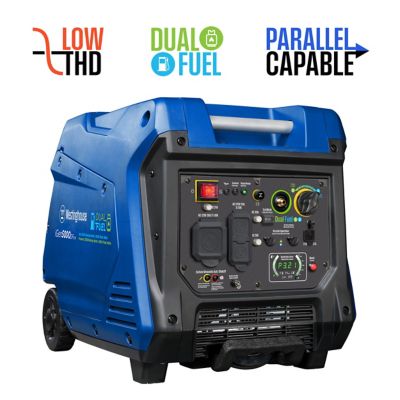
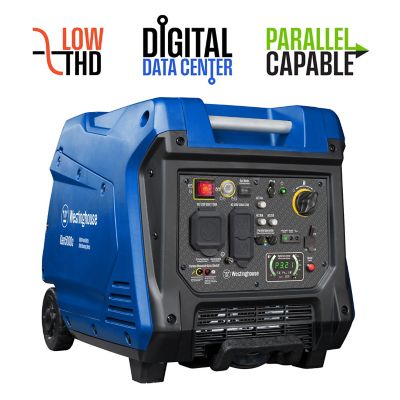
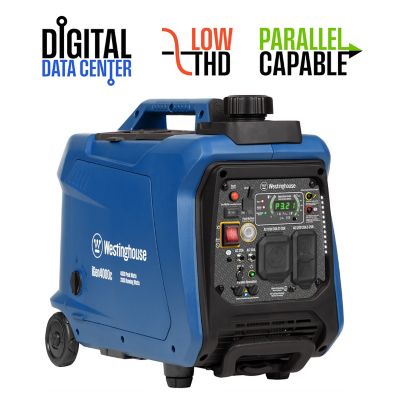
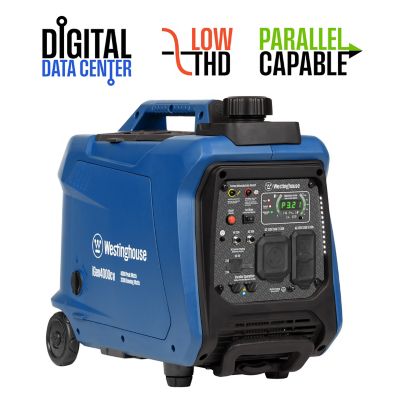
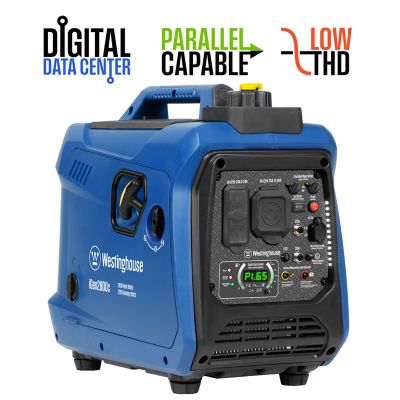
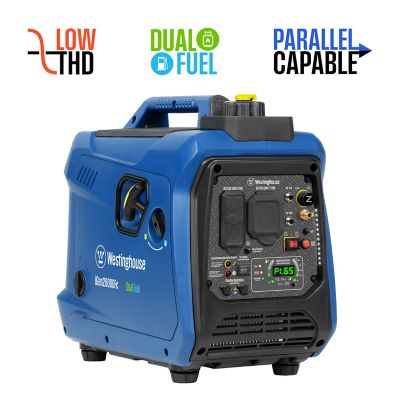
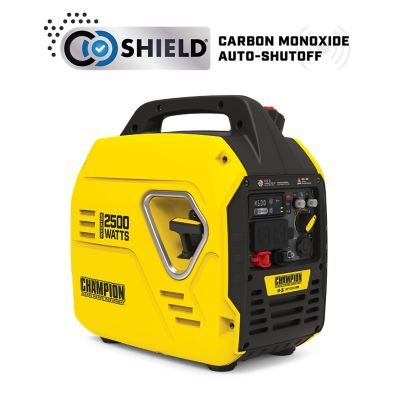
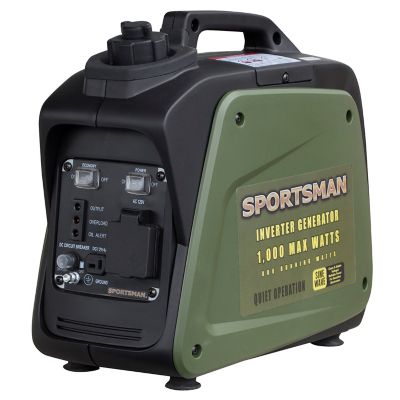
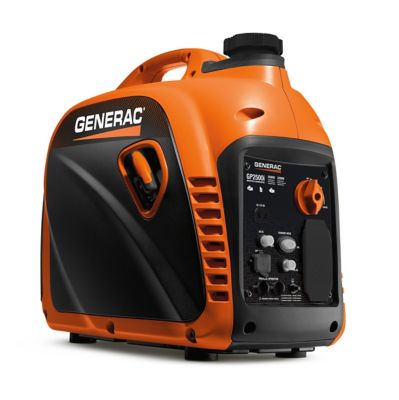
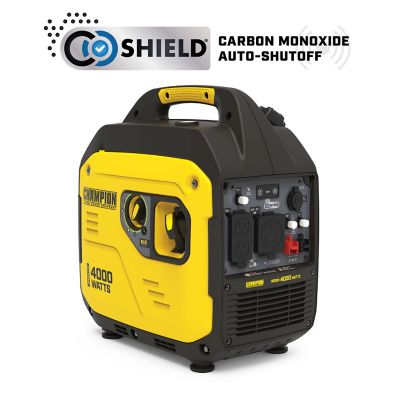
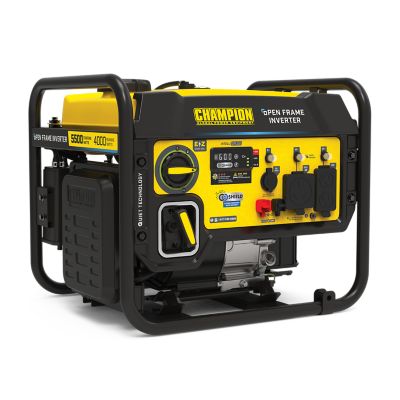
A quiet generator for an RV brings power to campsites without letting engine noise take over the whole stay. It can keep a refrigerator running on electricity, support battery charging, and power everyday comforts when a campground hookup isn’t part of the trip. For travel trailers, fifth wheels, and motorhomes, inverter generators are often a good fit because they can adjust engine speed to electrical demand instead of running at a constant high speed. Under a lighter load, that can mean less noise and lower fuel consumption, though sound levels rise as more equipment draws power. Enclosed housings, mufflers, and vibration-control features also help limit the racket. Quiet does not mean silent, and manufacturer sound ratings deserve a close look: a decibel figure means more when the stated distance and operating load are included. Two generators measured under different conditions may sound quite different at the picnic table, even when their published numbers look close. Some national park campgrounds limit generator noise to 60 dBA at 50 feet, and individual campgrounds may have tighter limits, set operating hours, or areas where generators are not permitted. Those rules matter just as much as the equipment’s rating. Electrical output is another important part of the fit. Running watts describe the load a generator can supply continuously, while starting watts account for brief surges from equipment such as an RV air conditioner or a refrigerator compressor. A setup that handles lights and a television may not handle those loads alongside a microwave and an air conditioner starting up. Appliance labels and RV equipment specifications help establish the actual demand rather than leaving it to guesswork. Inverter output is also worth considering for laptops, televisions, and charging equipment. Total harmonic distortion, often shortened to THD, describes waveform distortion; a published figure below 3% is a common low-distortion specification. Compatibility still depends on the connected equipment’s requirements, so a low THD rating is one consideration rather than a promise that every device will operate without a problem.
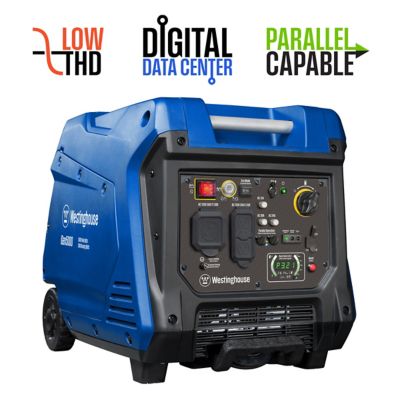
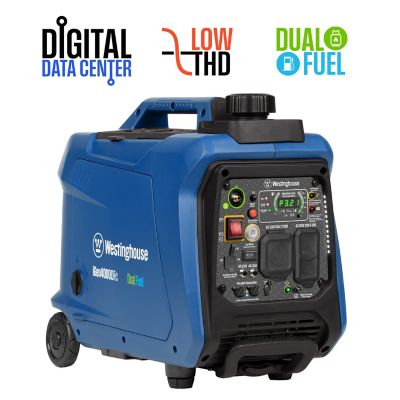
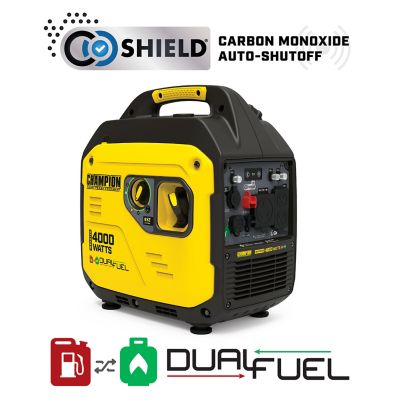
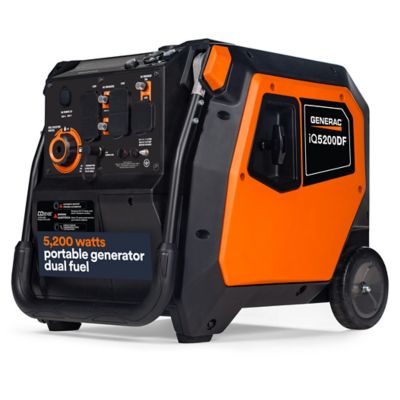
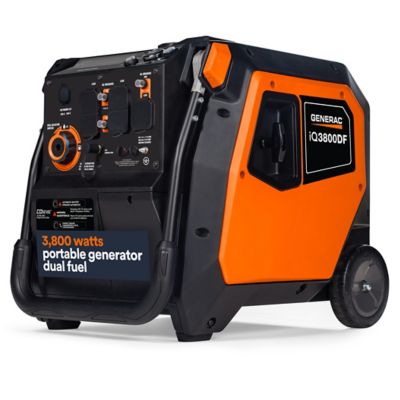
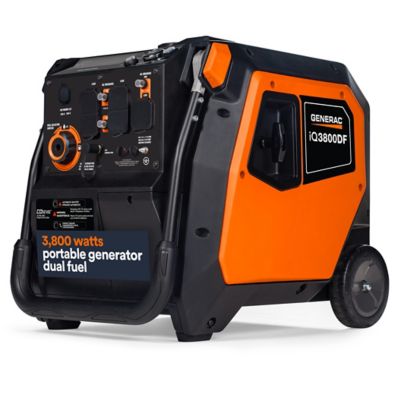
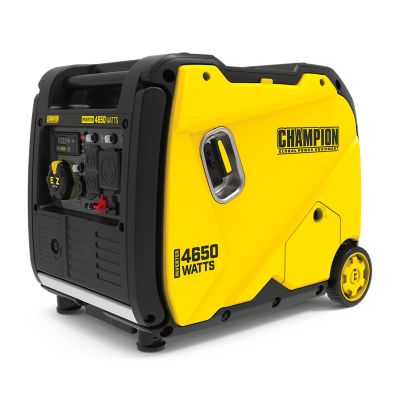
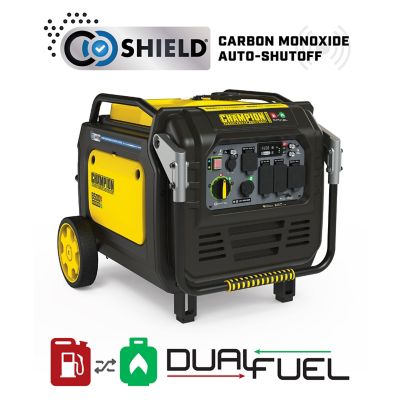
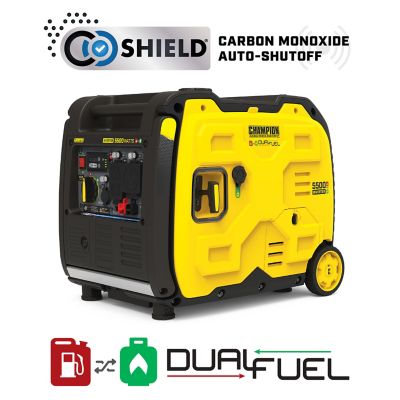
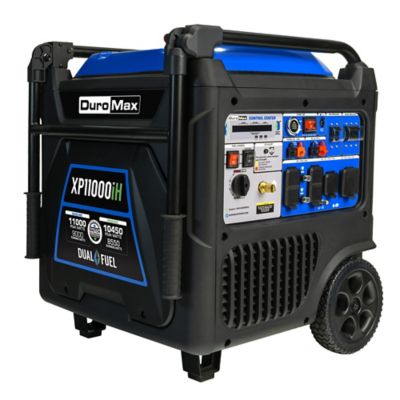
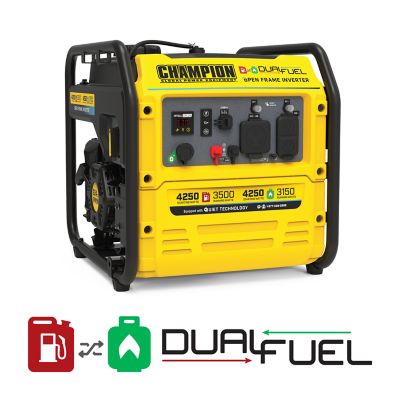
The right quiet RV generator also needs connections that suit the camper, not just enough watts on paper. An RV-ready 30-amp TT-30R receptacle provides a familiar connection for many travel trailers and smaller motorhomes when paired with the proper shore-power cord. That receptacle is a 120-volt connection, not the same thing as a 240-volt dryer outlet. Its 30-amp rating does not automatically mean the generator can deliver 3,600 running watts; actual continuous output comes from the generator’s specifications. Likewise, a connection adapter does not increase available power or turn a smaller generator into a source capable of meeting a 50-amp RV’s full electrical demand. Properly rated cords, plugs, and adapters keep the electrical setup matched to the equipment, while cord length and wire size affect voltage drop under load. Beyond the outlets, the day-to-day handling details make a difference. A compact unit with well-placed handles may suit a couple taking a small camper down a back road, while a heavier wheeled generator may better suit an RV with greater power needs. Weight with fuel aboard, handle placement, wheel size, and storage-space dimensions all affect how easily it moves between a truck bed and its operating spot. Enclosed models commonly combine molded outer panels with internal metal components, while exposed-frame designs make frame construction and engine access more visible. Panel fit, protected controls, and accessible service points are worth a look when equipment will travel over gravel roads and move in and out of storage. Gasoline and dual-fuel generators offer different fueling options. Dual-fuel designs that accept gasoline or propane can give campers flexibility, but output and runtime may differ by fuel. Propane operation requires the specified regulator, hose, and supply arrangement; an RV’s onboard propane connection is not automatically compatible. Runtime figures also depend on load and fuel capacity, so a light-load estimate won’t describe a full evening of heavy appliance use. Electric starting, readable displays, and easy-to-reach controls can make everyday operation simpler.
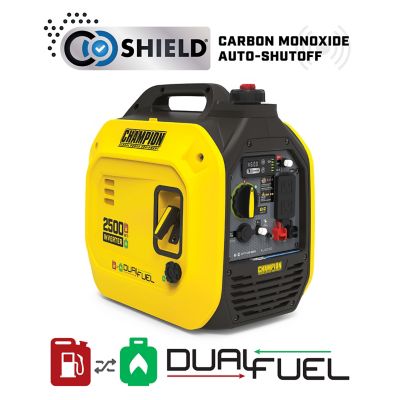
Quiet generator features work best alongside sensible placement and regular care. Every fuel-burning portable generator produces carbon monoxide and must operate outdoors, at least 20 feet from the RV and other occupied spaces, with exhaust directed away from doors, windows, and vents. A quiet engine is still an engine, and lower sound levels do not reduce the danger from exhaust. A generator does not belong inside a camper, storage compartment, garage, or other enclosed or partly enclosed space. Carbon monoxide shutoff systems can add a layer of protection, but they do not replace safe placement or functioning carbon monoxide alarms inside the RV. The operating location also needs firm, level footing and the clearance specified by the manufacturer. Blocking ventilation or adding a makeshift enclosure to muffle sound can interfere with cooling and create serious hazards. For owners who split their time between an RV and other campsite setups,
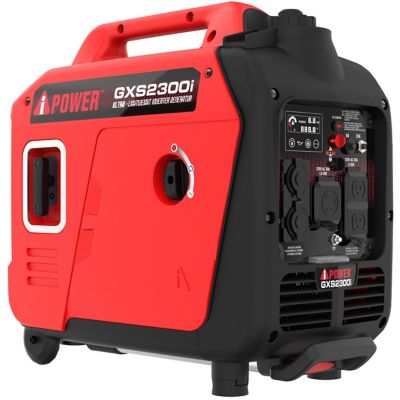
Quiet Generators For Camping offers a related category to consider alongside the camper’s electrical needs. Practical ownership details matter after the first trip, too. Oil-fill access, drain placement, air-filter access, and clear maintenance information affect how straightforward routine service will be. Low-oil shutdown can help protect the engine, but it is not a substitute for checking the oil and following the maintenance schedule. Fuel storage and preparation for time between trips should follow the manufacturer’s directions, including any guidance on fuel stabilizer, carburetor draining, or propane disconnection. Refueling requires a shut-down engine that has had time to cool. For families settling in after a day on the trail, anglers parked near a boat ramp, or travelers stopping well away from hookups, the best fit is often the generator that covers essential loads without adding more size and noise than the trip calls for. A smaller inverter generator may suit charging batteries and running modest appliances, while larger electrical demands may call for greater output or manufacturer-approved parallel operation between compatible units. Matching power, connections, handling, and upkeep to the RV makes room for the comforts of camp without forgetting the neighbors across the lane.