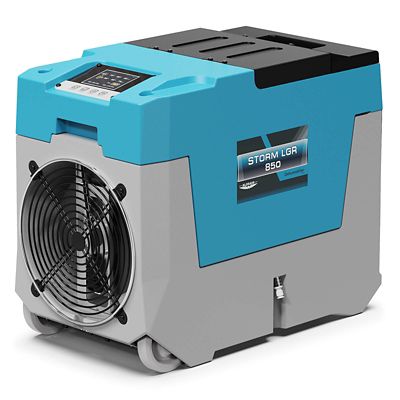
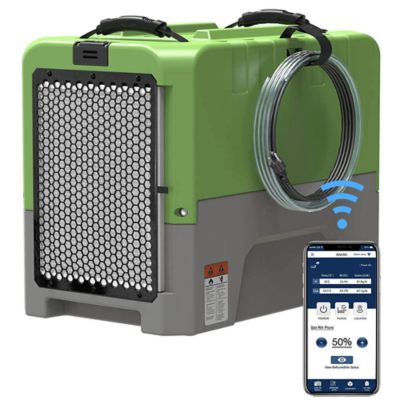
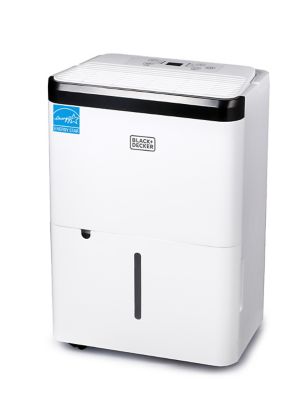
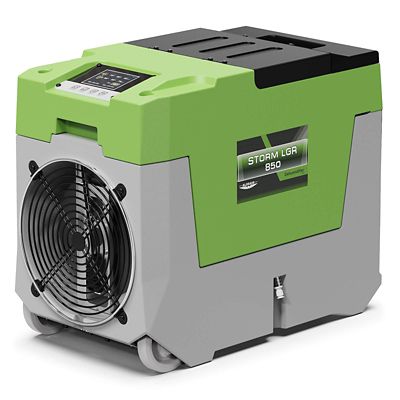
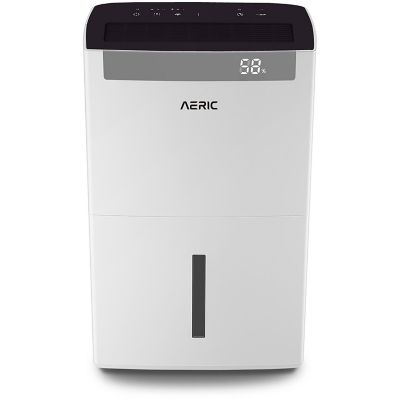
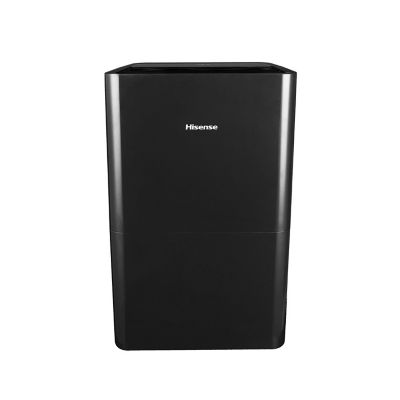
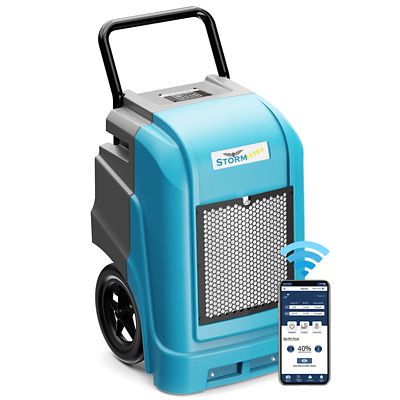
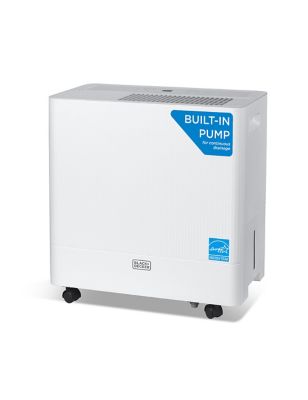
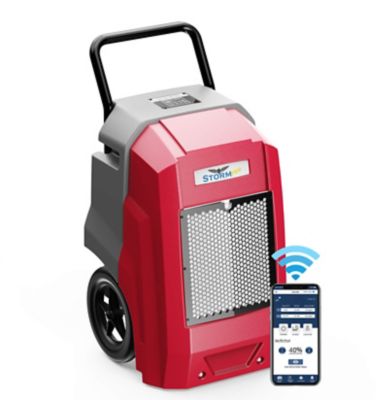
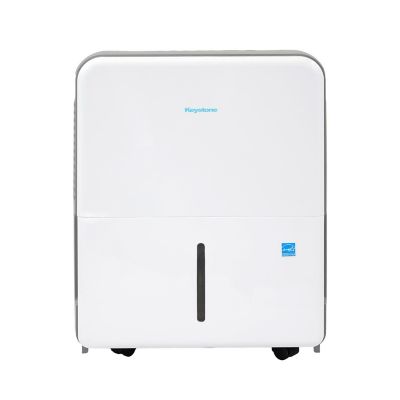
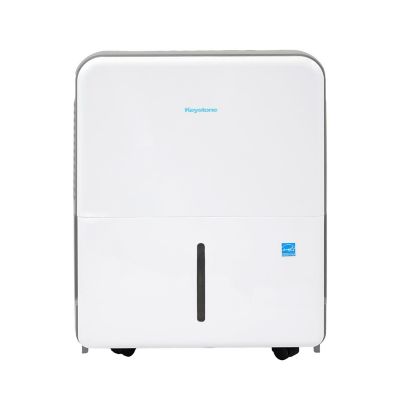
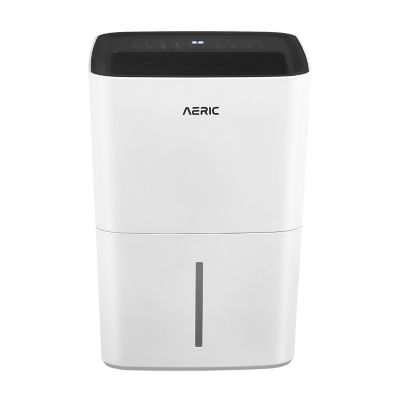
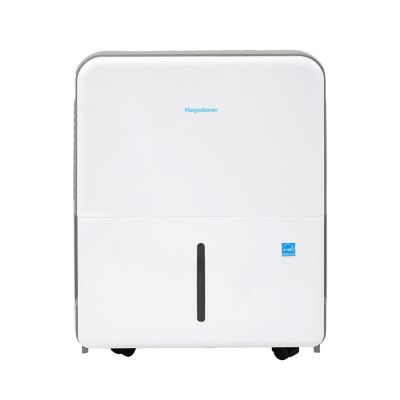
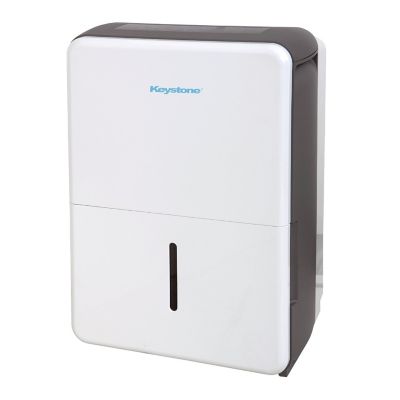
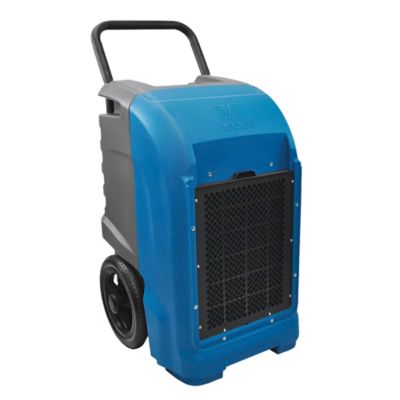
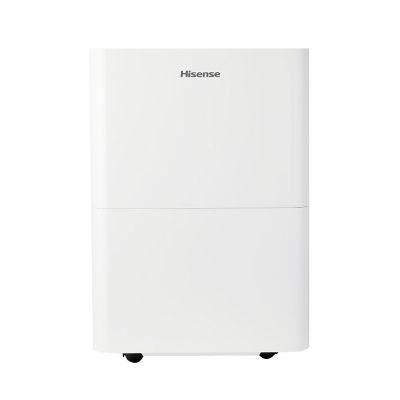
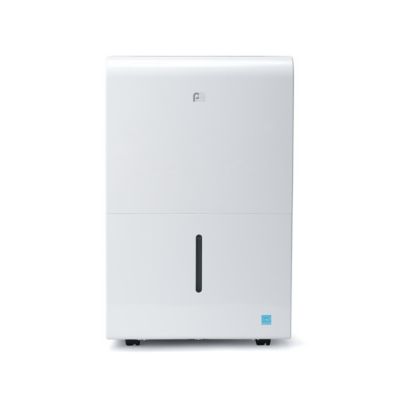
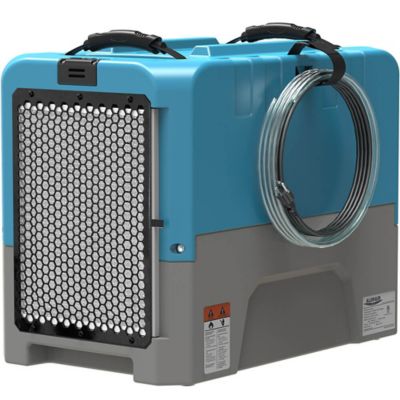
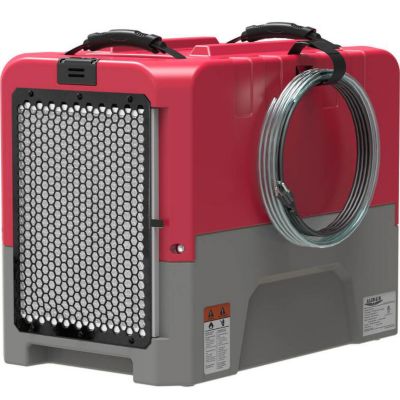
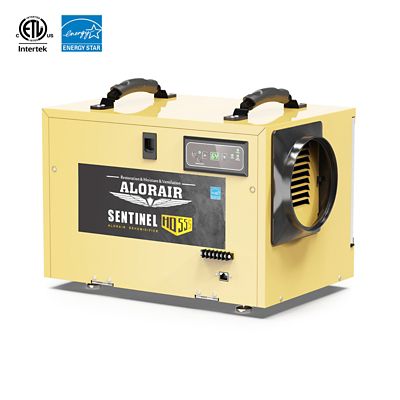
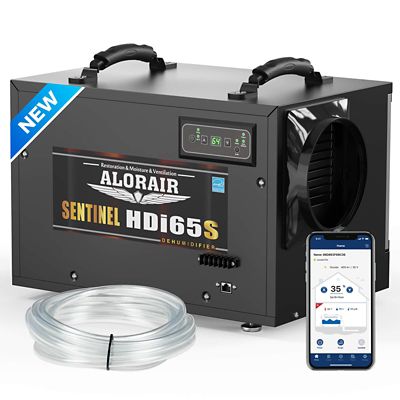
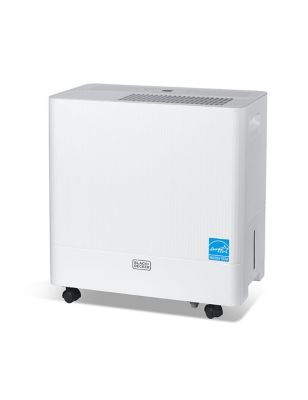
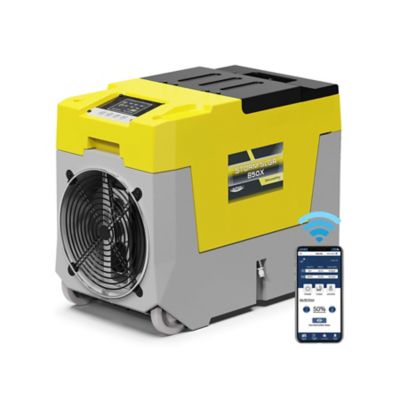
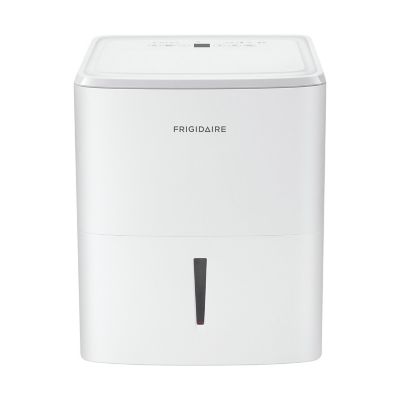
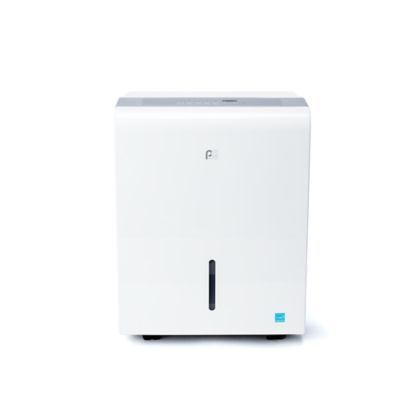
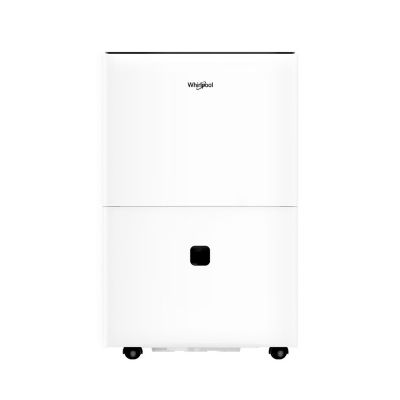
Garage dehumidifiers help manage the moisture that can leave a wrench drawer smelling musty, put a film of rust on bare steel, or make cardboard storage boxes feel damp. In a space that holds everything from a pickup to fishing tackle and power tools, humidity control supports the everyday work of keeping gear in good shape. A dehumidifier draws moisture from the air and collects it in a tank or sends it through a drain connection, depending on its design. It does not repair a leaking roof, stop water coming through a slab, or replace proper ventilation, but it can help control lingering airborne moisture once those sources are addressed. For many garages, a relative humidity setting around 40–50% is a practical starting point, with conditions generally kept below 60% to help discourage mold growth. The best setting also depends on the building and what is stored inside; tools, wood furniture, leather gear, and paper records do not all respond to moisture the same way. A separate humidity monitor placed away from the appliance’s discharge can show how conditions compare across the room. That matters in a garage with a crowded storage wall, an enclosed workbench nook, or shelving that slows air movement. Homeowners, mechanics, woodworkers, and folks maintaining equipment around a small farm may all have reasons to keep garage humidity under control. A mower blade waiting to be sharpened, a socket set tucked into a steel cabinet, and spare hardware sorted into open bins can all benefit from less exposure to damp air. Moisture control is still only one part of storage care: wiping down tools, applying appropriate protective coatings, and keeping boxes off a damp concrete floor remain important. Garage dehumidifiers fit into that routine without taking over the workspace, especially when their footprint, airflow needs, and water collection setup match the way the garage functions.
Capacity is one of the main differences among garage dehumidifiers, and the number on the label deserves a closer look than room size alone. Pint capacity describes how much water an appliance can remove in 24 hours under specified test conditions; it is not the size of the collection bucket. Actual removal depends on the humidity and operating conditions in the garage. A two-car space does not automatically call for a particular pint rating, since ceiling height, air leakage, damp building materials, and frequent door openings can change the workload considerably. Square-foot coverage estimates are a starting point rather than a promise of equal performance in every building. A garage with a tall ceiling and repeated vehicle traffic can have different needs from a tightly enclosed storage room with the same floor area. Compressor-based dehumidifiers collect moisture on a cold coil, while desiccant designs use a moisture-absorbing material and a regeneration process. Their operating ranges and electricity requirements differ, making the manufacturer’s specifications important for an unconditioned garage. Minimum operating temperature matters here as a performance requirement, not just a comfort preference. An automatic defrost feature helps manage frost on the coils, but it does not mean the appliance can operate effectively below its stated range. Adjustable humidity controls, automatic shutoff when the tank fills, and restart behavior after a power interruption are other practical differences. A unit that cycles to maintain a selected humidity level suits ongoing moisture management better than one that requires constant attention. Energy efficiency also matters when the appliance will run for extended periods, though operating cost depends on electricity rates and workload. Fan sound and discharge direction deserve consideration near a workbench, particularly where careful measuring or conversation is part of the day. For a garage that doubles as a project space, handles and casters can make occasional repositioning easier;
Portable Dehumidifiers offer another way to consider equipment that may need to move between suitable locations. Moving any unit still requires attention to its weight, tank contents, and the manufacturer’s transport instructions.
Water handling often determines how convenient a garage dehumidifier is over the long haul. A removable tank works where no suitable drain is nearby, but it needs emptying as moisture collects. Tank size, a clear level indicator, and a handle that feels comfortable when carrying water can make that chore more manageable. Continuous gravity drainage reduces bucket trips when there is an approved drain below the appliance’s outlet and the hose can run downhill without kinks. A built-in condensate pump can move collected water to a higher discharge point, within the pump’s stated lift and hose-length limits. Pump drainage is not interchangeable with gravity drainage, and any discharge arrangement needs to follow the appliance instructions and local requirements. Keeping hoses out of walking paths and away from vehicle tires helps prevent spills and damage. Physical fit matters just as much: the appliance needs a stable, level spot with the specified clearance around its intake and outlet, not a tight opening wedged between feed bins and a tool chest. Cabinet materials may include molded plastic or metal, with different tradeoffs in weight, corrosion resistance, and ease of moving. Neither material makes a household appliance suitable for outdoor exposure, washdown areas, or locations with flammable vapors. Garage placement should keep the unit away from fuel handling, grinding sparks, and heavy airborne sawdust, and its power connection should meet the manufacturer’s electrical requirements. Routine care generally includes cleaning the air filter as directed, washing the collection tank when appropriate, and checking drain hoses for buildup or loose connections. A clogged filter can restrict airflow and make moisture removal less effective, especially in a working garage where dust settles quickly. Accessible filters and a tank that slides out without moving the whole appliance make upkeep less of a hassle. With a suitable operating range, enough moisture-removal capacity, and a drainage arrangement that fits the space, a garage dehumidifier can support a more comfortable work area and better conditions for the tools and gear kept there.