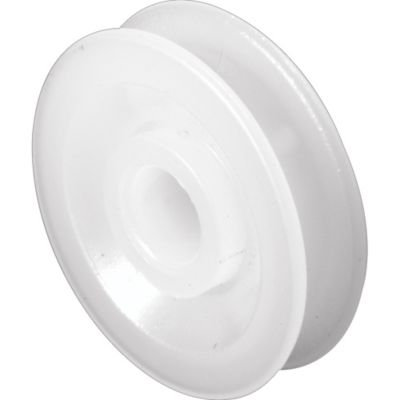
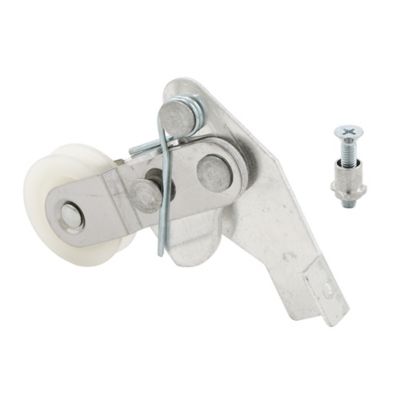
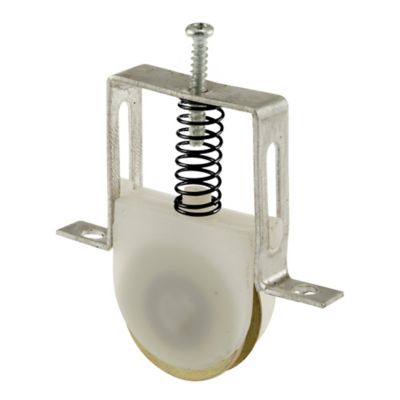
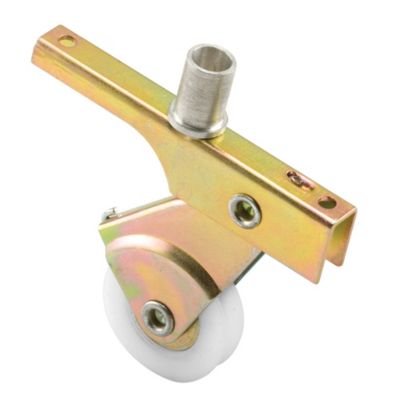
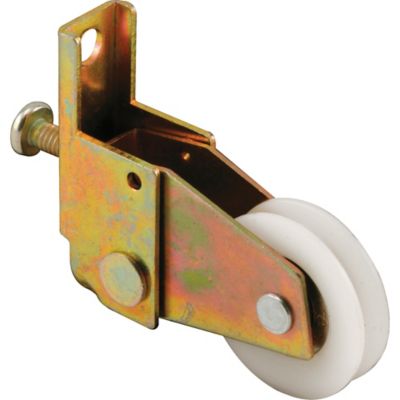
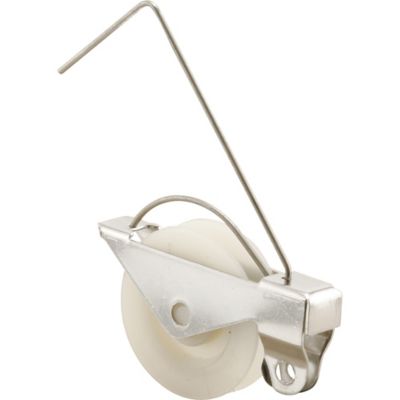
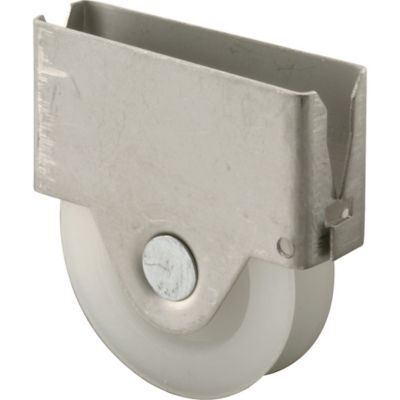
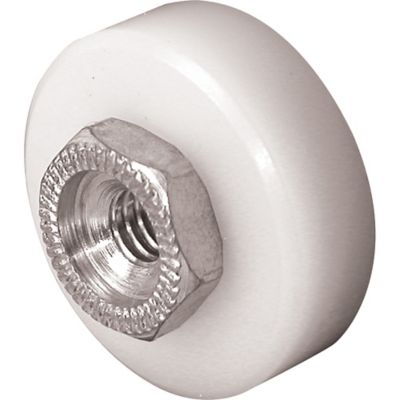
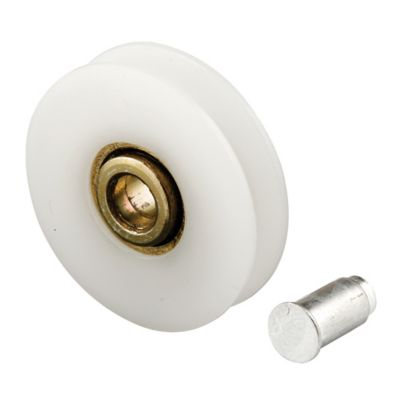
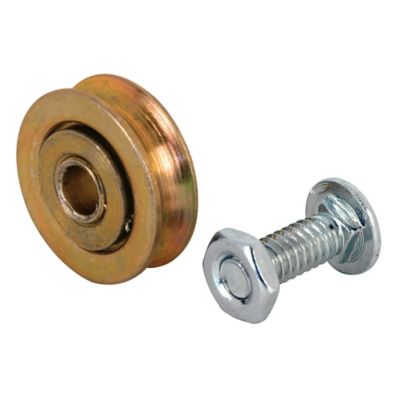
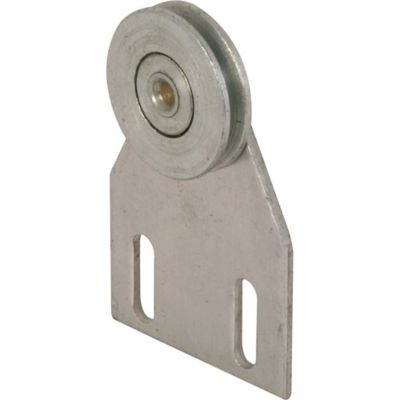
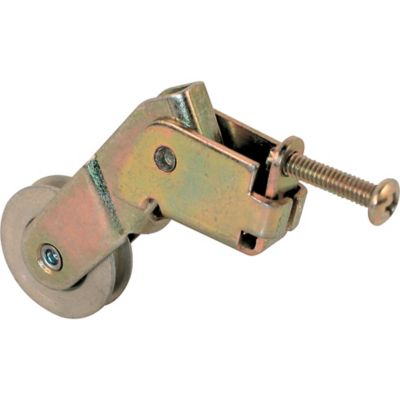
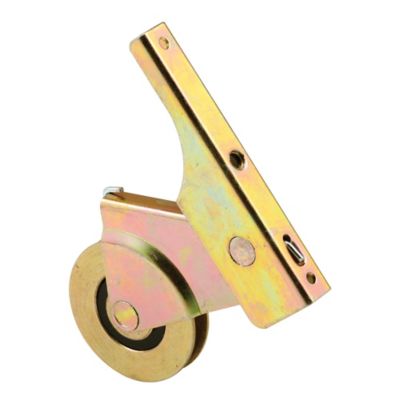
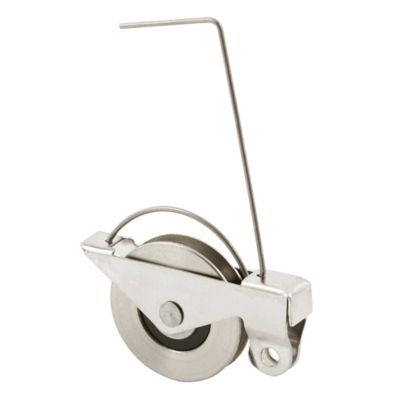
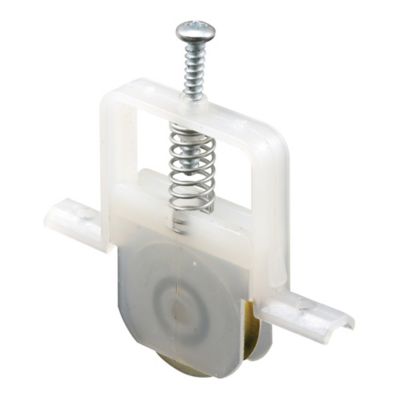
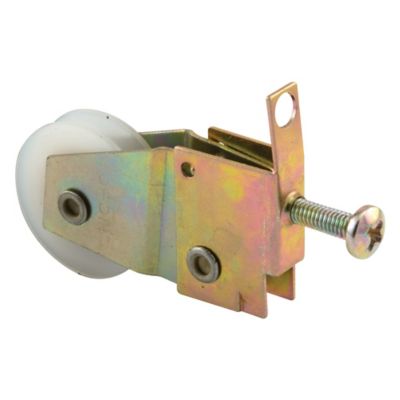
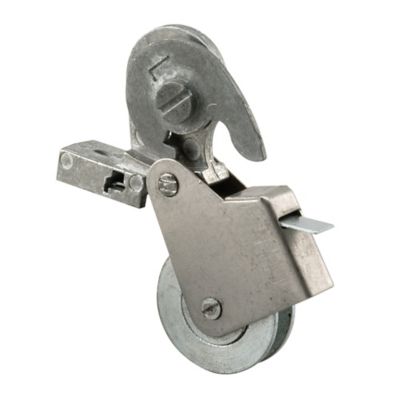
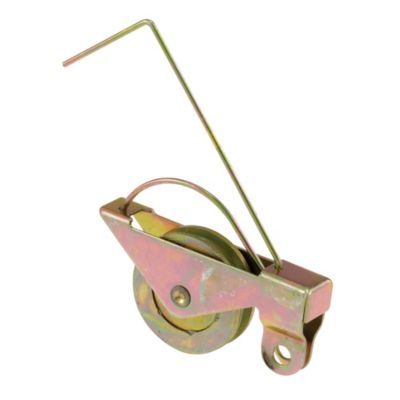
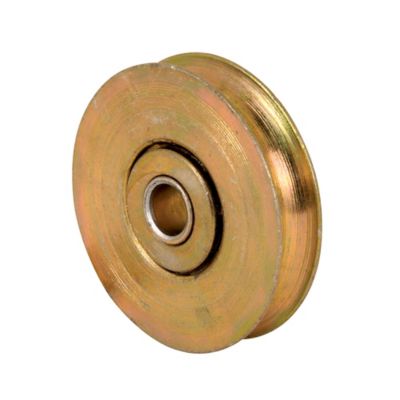
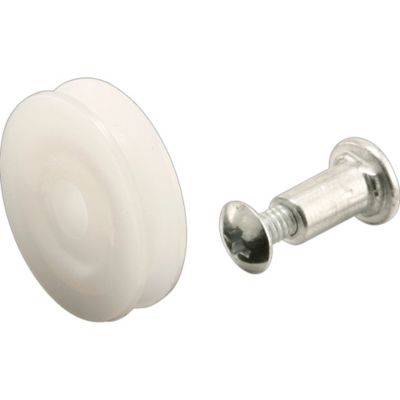
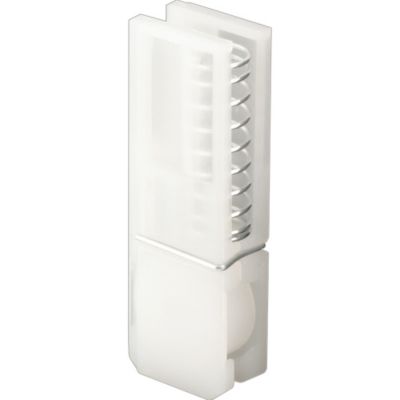
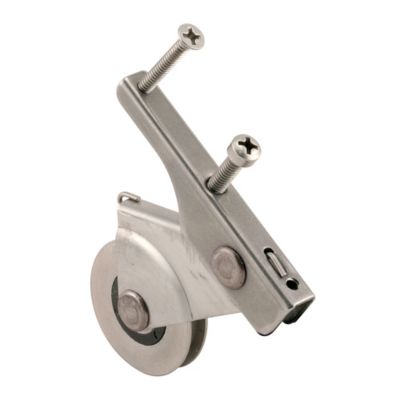
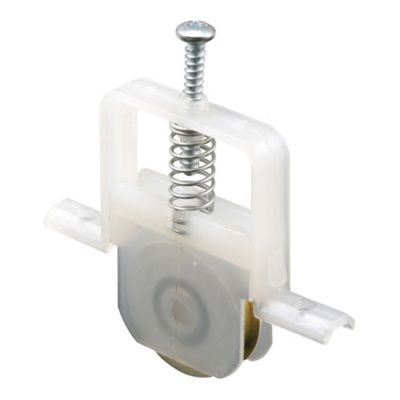
Replacement wheels for sliding screen doors can help bring a tired patio, porch or storm-door setup back to smooth, easy use. When the lower rollers wear down, crack, rust or collect years of grit, the door may drag across the track, wobble in the frame, stick at the corners or jump out of alignment. A door that once glided open with one hand can start taking a shoulder and a hard pull, especially when dust, pet hair and outdoor debris build up along the bottom rail. Fresh wheels let the screen door sit level and roll with less strain, making it easier to let in a breeze, carry feed or groceries through the doorway, or keep pets and insects where they belong. These replacement parts are useful for homeowners, landlords, maintenance crews and do-it-yourselfers who would rather repair a good door than replace the whole frame. They can also make a practical housewarming or new-home gift for someone settling into a place with a screened porch, sunroom or patio entrance. Before choosing a set, compare the old wheel assembly with the replacement listing. Important details include the wheel diameter, wheel width, housing shape, mounting method and the location of the adjustment screw. Some assemblies fit into a slot and snap into place with spring tabs, while others are held by a screw or a small bracket. The wheel itself may be made from nylon, steel or another durable material, and the best choice depends on the door weight, track condition and amount of use. A light screen door used on a quiet porch may need a different setup than a frequently used patio door that sees muddy boots, children, dogs and everyday traffic. Matching the original part as closely as possible is usually the safest way to get a good fit. Taking a picture of the existing roller, measuring it with a ruler and saving the old assembly for comparison can help prevent an inconvenient mismatch. It is also smart to inspect the upper rollers, lower track, frame corners and weather seal while the door is off. New wheels cannot make a bent track straight, and even a well-matched replacement may roll poorly if the rail is deeply worn or packed with dirt.
Replacing sliding screen door wheels is often a manageable repair with a few basic hand tools and a clear work surface. Start by opening the door partway so there is room to work, then turn the adjustment screws near the bottom corners to raise the wheels and lower the door within the frame. In many setups, turning the screws counterclockwise retracts the rollers. Once the door has enough clearance, lift it straight up into the upper track, swing the lower edge outward and lower the door onto a protected floor, workbench or pair of padded sawhorses. Screen frames can bend if they are leaned hard against a wall or dropped on a corner, so steady handling matters. With the door flat, look for a bug strip, brush seal or weather strip that covers the roller opening. If needed, carefully peel it back far enough to reach the assembly, keeping the material intact for reinstallation. A flathead screwdriver or needle-nose pliers can help pull a worn wheel housing from its channel, though gentle pressure is better than forcing the frame. Remove any loose screws, broken tabs or packed debris, then compare the old part with the new one before installing it. Push or snap the replacement wheel assembly into the frame channel, making sure the housing sits square and that spring tabs, hooks or mounting holes engage as intended. If the assembly uses a screw, tighten it securely without crushing the frame. Refit the brush or bug strip, set the top of the door back into the upper track, swing the bottom edge into the doorway and let the new wheels settle onto the lower rail. Turn the adjustment screws clockwise to lower the door until it sits level and rolls straight. Make small adjustments at both corners rather than cranking one side all the way down. The right setting leaves the door secure in the track without making it bind. Run the door back and forth several times, watching for a loose corner, uneven gap or spot where the wheel catches. Clean the track with a stiff brush or cloth before final adjustment, and avoid heavy oil that can collect grit; a clean, dry track and properly seated wheel generally provide better long-term performance.
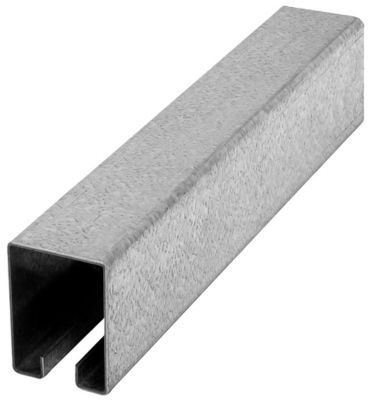
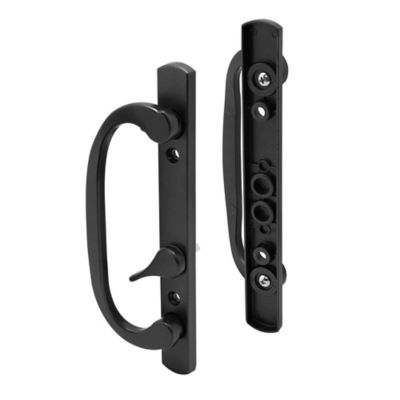
When shopping among replacement wheels for sliding screen doors, think about the full doorway rather than the wheel alone. Measure the old wheel across its widest point, note how far it extends from the housing and check whether the adjustment screw enters from the side, bottom or corner. Look at the number of wheels used by the door and whether the assemblies are interchangeable from one side to the other. A replacement that looks close but has the wrong housing depth may sit too high, too low or at an angle, leaving the screen door loose in the upper track or difficult to close. Material matters as well. Nonmetal wheels are often quiet and gentle on a track, while metal wheels can provide strength for heavier doors but may expose problems on a rough or corroded rail. If the track has sharp dents, deep grooves or rust flakes, smooth it carefully when possible or plan for a larger repair. Keep small screws and springs in a cup during the work, and take a photo before removing anything complicated. People who use sliding doors every day—families, pet owners, gardeners and anyone with a busy back porch—will notice the difference a properly fitted wheel can make. A screen door that glides cleanly is easier to close behind a dog, easier to open while carrying a basket of laundry and less likely to be left cracked open because it sticks. During warmer stretches, it helps bring fresh air through the house without fighting the frame; during cooler months, a well-aligned door closes more completely and helps keep the entryway orderly. If the door handle is also loose or damaged, related hardware such as
Replacement Handles For Sliding Glass Doors may be worth checking while the doorway is being serviced. Replacement wheels are a small repair, but the right match can extend the useful life of the entire screen door and save the trouble of hauling a bulky frame away. Compare measurements, mounting style and wheel construction, then choose parts suited to the door’s weight, track and everyday workload.