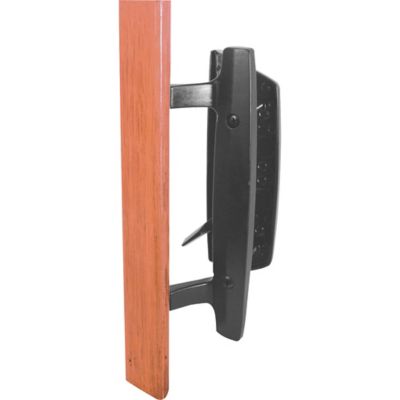
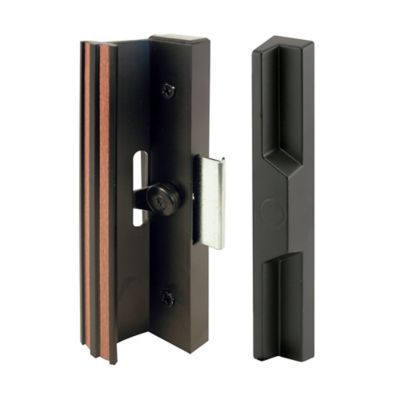
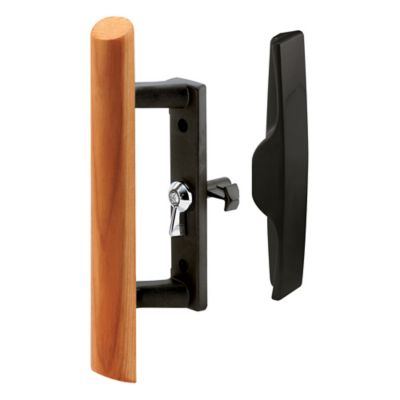
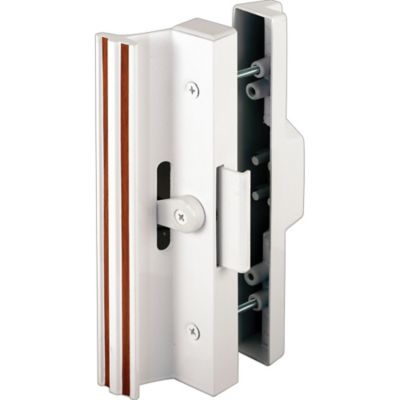
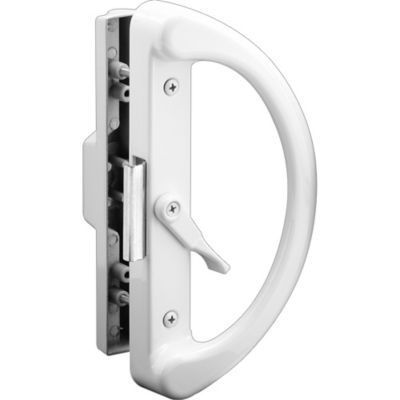
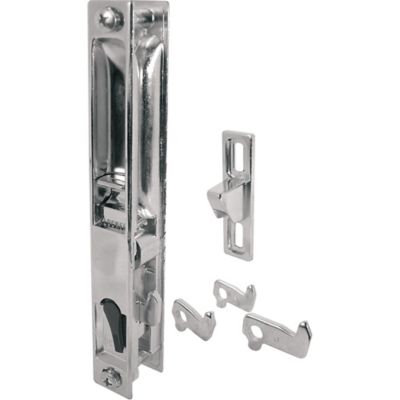
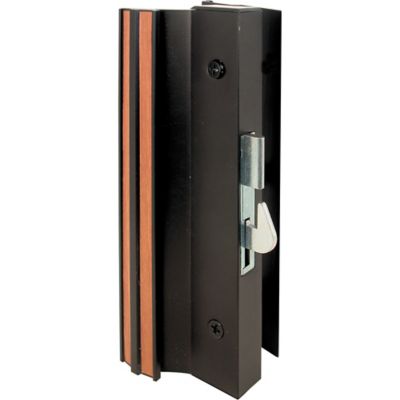
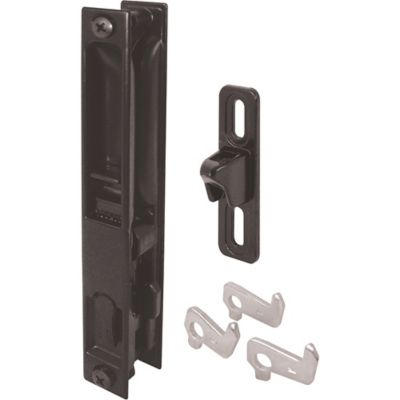
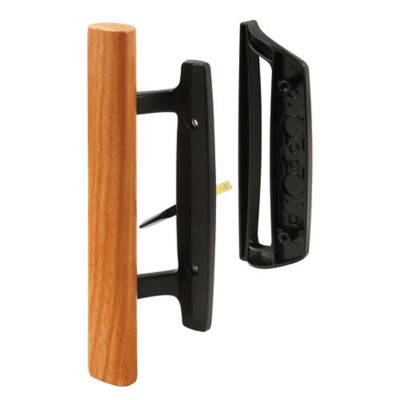
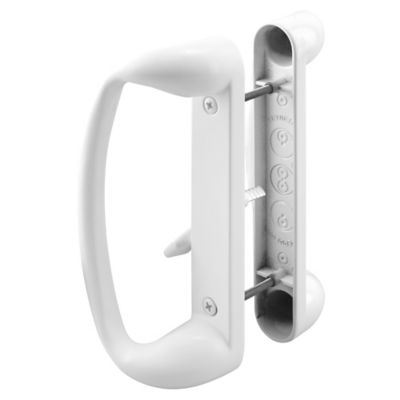
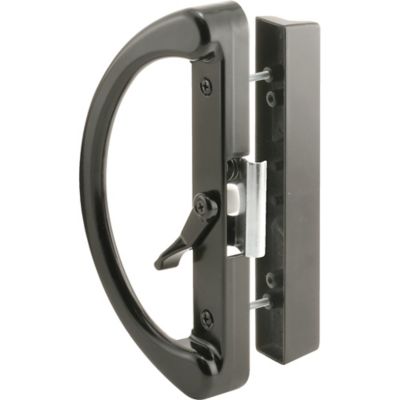
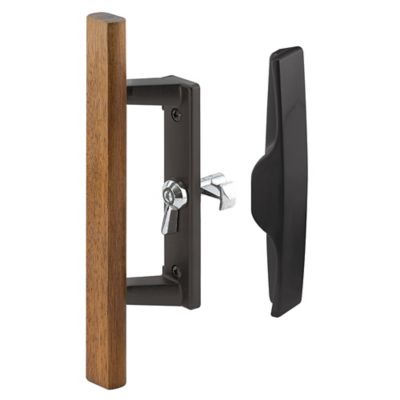
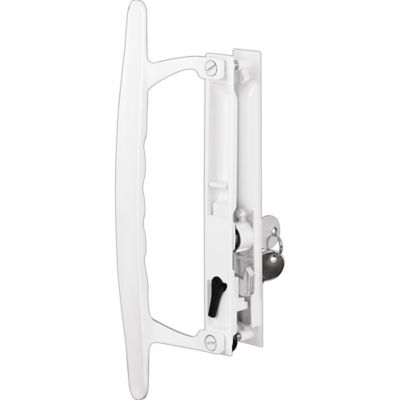
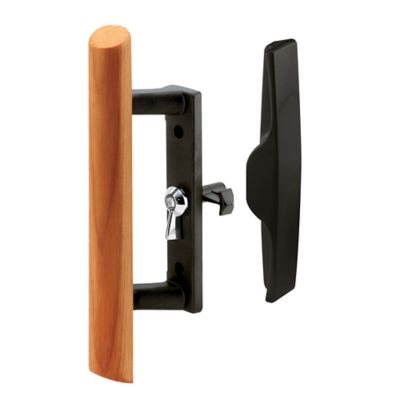
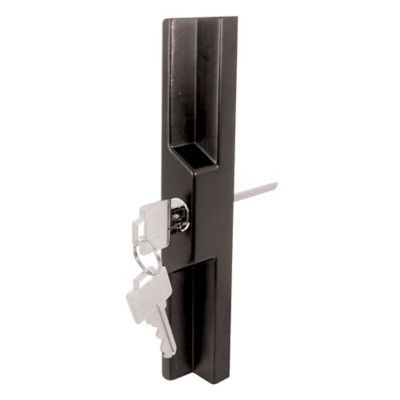
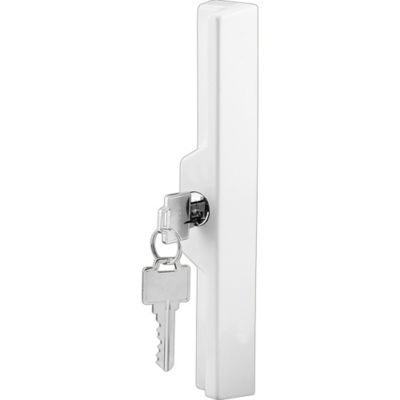
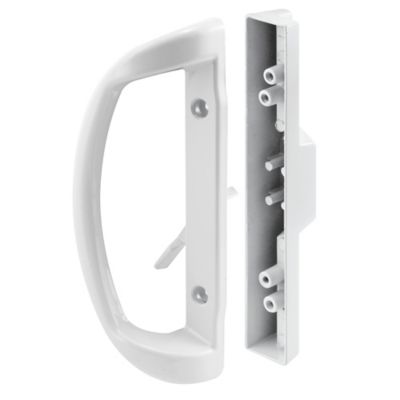
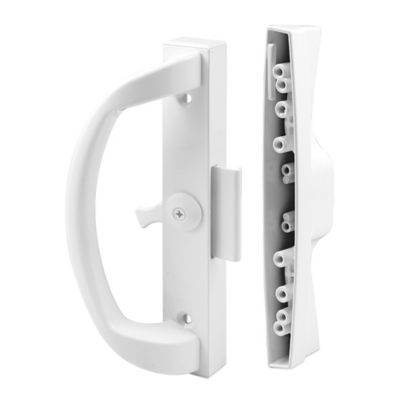
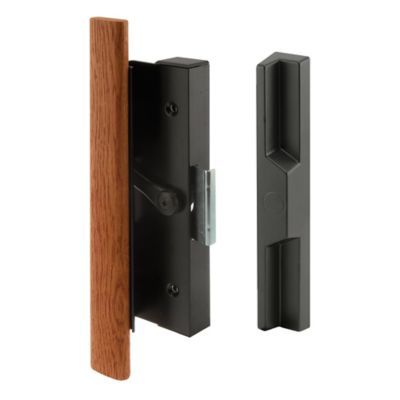
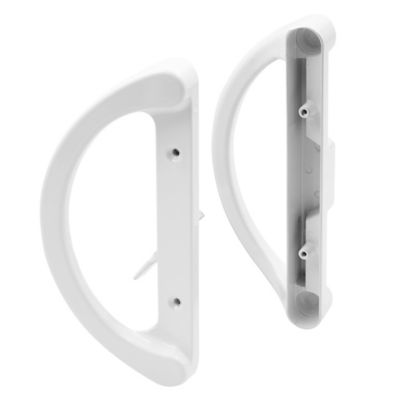
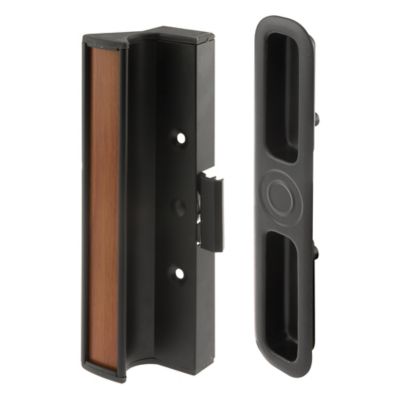
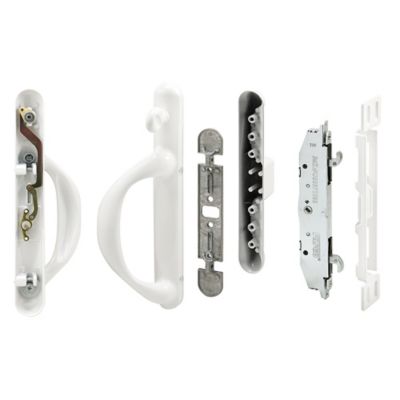
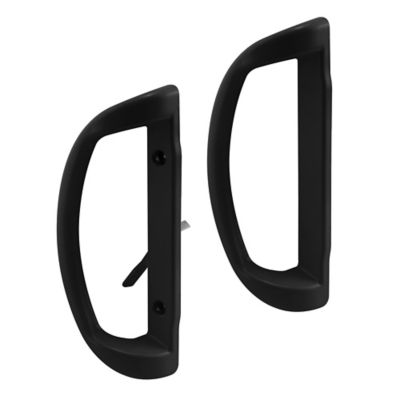
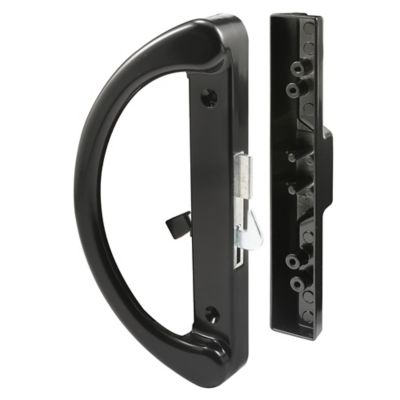
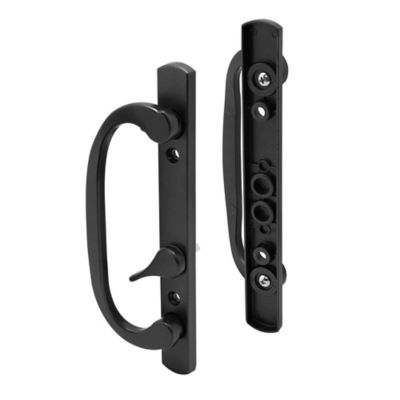
A sliding glass door sees plenty of use, especially in homes with a busy porch, backyard, patio, or mudroom nearby. The handle may be pulled dozens of times a day as family members, pets, and visitors move in and out, and even sturdy hardware can loosen, crack, or stop working smoothly over time. Replacement handles for sliding glass doors can help restore a comfortable grip and give an older door a more secure, finished feel without replacing the entire door. They are useful for homeowners handling a simple repair, landlords preparing a rental, maintenance crews caring for cabins or outbuildings, and anyone freshening up a home before cooler weather brings more time indoors. A new handle can also make a practical housewarming or home-improvement gift for someone settling into an older property. Before ordering, take a close look at the handle already on the door. Sliding door hardware is not fully standardized, so matching the existing layout is more important than choosing by appearance alone. Measure the distance from the center of one mounting screw hole to the center of the other, rather than measuring from the outside edges of the handle. Common hole spacings include about 3-15/16 inches and 6-5/8 inches, but other measurements are possible. Write down the exact spacing, door thickness, handle orientation, and overall dimensions. Also note whether the door uses a surface-mounted latch, a mortise-style lock that fits inside the door frame, a hook latch, a thumb-turn, or another locking arrangement. A handle that looks close in a picture may not align with the existing holes or connect correctly with the lock mechanism. If the door has a keyed lock, interior latch, or separate keeper on the jamb, inspect those parts at the same time. A worn strike or keeper can keep a new handle from locking properly, while a damaged mortise latch may need attention beyond the handle itself. For more ways to match surrounding patio-door parts, browse
Hardware for Sliding Patio Doors.
When removing an old sliding glass door handle, work with the door open slightly and keep one hand on the outside portion of the assembly so it does not drop or slide into the frame. Remove the interior mounting screws carefully, then separate the inside and outside handles while keeping track of any plates, spacers, springs, or latch pieces. If the old mortise lock is staying in place, do not let it fall into the hollow door cavity. A small flashlight can help you see how the parts fit, and a magnetic tray or shallow cup keeps loose screws from disappearing across the porch. Before fastening the replacement, hold the new pieces in position for a dry fit. Check that the screw holes line up, the handle sits flat against the door, and the latch or hook moves freely. Test the thumb-turn or lever several times while the door is still open. The lock should operate without force, and the handle should not rub against the frame, glass, or screen door. Screws that are too long can interfere with the latch or press against the opposite side of the door, so compare their length with the original hardware and the door thickness. If adjustment is needed, follow the hardware instructions and use the proper tools; never force a screw that feels cross-threaded. Once the fit is right, fasten the interior and exterior pieces together evenly. Tighten the screws firmly, but avoid overtightening, which can distort a handle, strip the screw holes, or make the latch bind. After installation, slide the door back and forth, close it into the jamb, and confirm that the latch engages the keeper cleanly. Try the lock from the inside and outside if the design allows, then give the handle a few normal pulls to make sure it feels solid. A little silicone-based lubricant on the moving latch parts may help with smooth operation, but keep oil and sprays away from the glass and weatherstripping unless the manufacturer allows them. If the door is heavy, sticks badly, or has cracked glass, address those concerns before focusing on the handle.
The right replacement handle should suit the way the door is used as well as the look of the room. A frequently used back door benefits from a comfortable grip, dependable fasteners, and a latch that is easy to operate with wet or dusty hands. In a farmhouse, workshop, or hunting cabin, a sturdy finish that handles regular traffic and changing temperatures can be a sensible choice. For a screened porch or sunny room, consider how the finish will hold up to light, moisture, muddy shoes, and frequent cleaning. Matching the existing finish can help the repair blend in, while a simple updated style can give a tired door a cleaner appearance. Take photographs of the current handle, latch, screw holes, and keeper before shopping, and keep your measurements nearby when comparing options. If the door belongs to a rental or guesthouse, labeling the hardware information and saving the old screws can make future maintenance easier. During the warmer part of the year, an open patio door may be the main path between the kitchen and yard, with muddy boots, feed buckets, and dogs passing through; during the cooler months, a properly working handle helps keep drafts out and makes it easier to secure the home at the end of the day. Replacing worn hardware is a small project, but it can make a noticeable difference every time the door opens. Choose a handle assembly that matches the measured hole spacing and latch style, install it with care, and test the complete door-and-lock operation before putting the tools away.