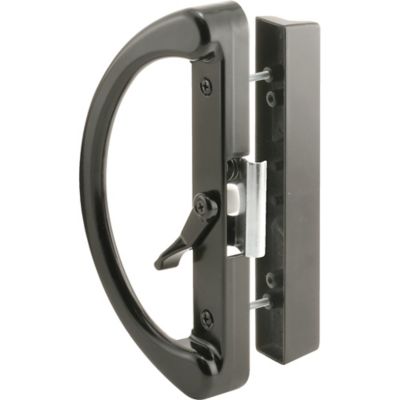
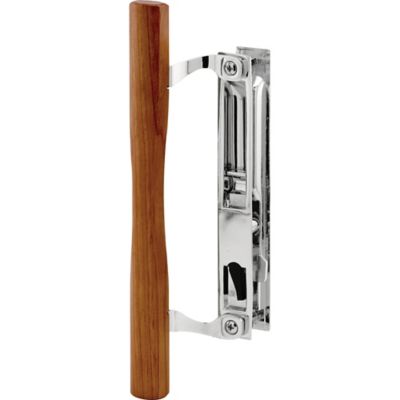
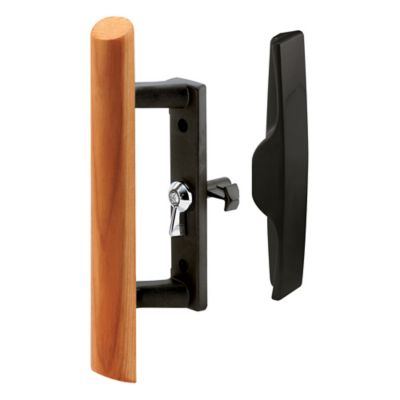
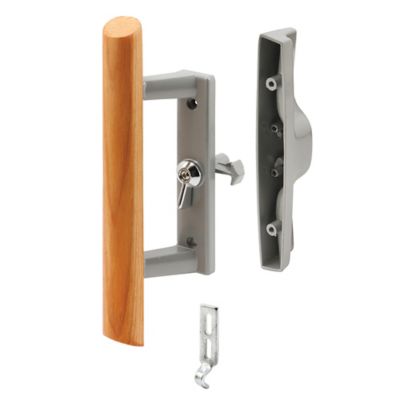
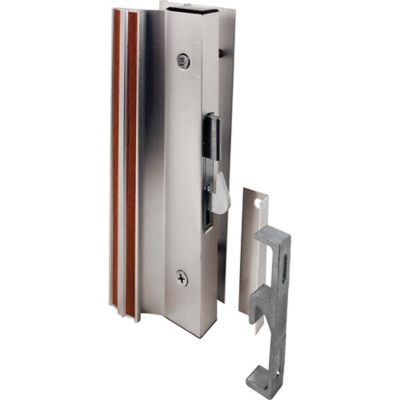
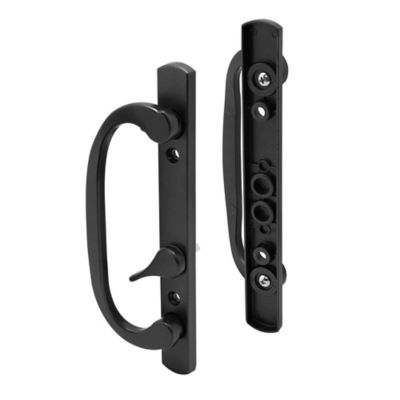
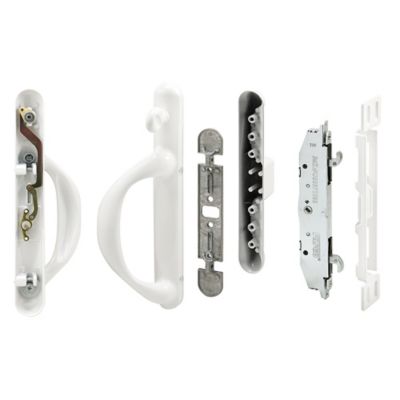
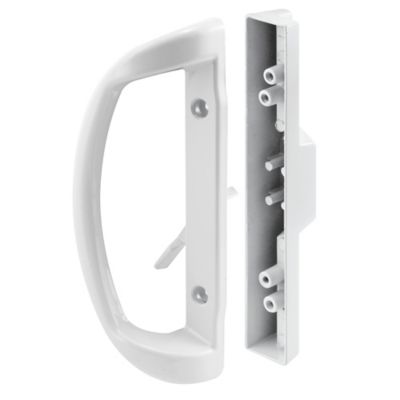
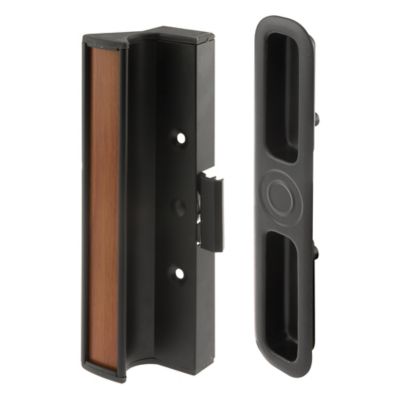
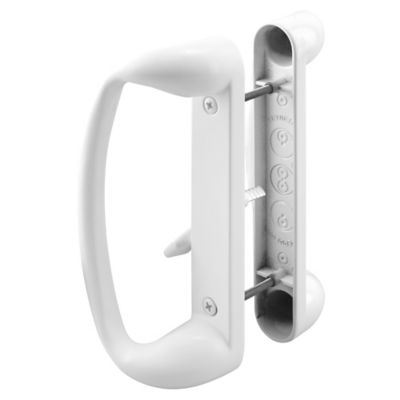
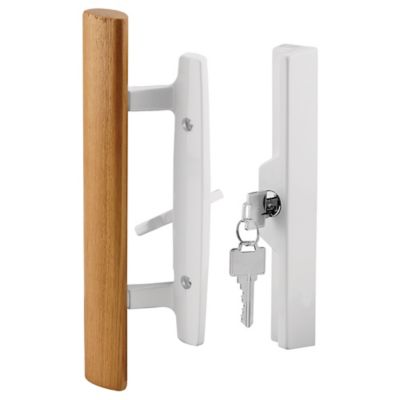
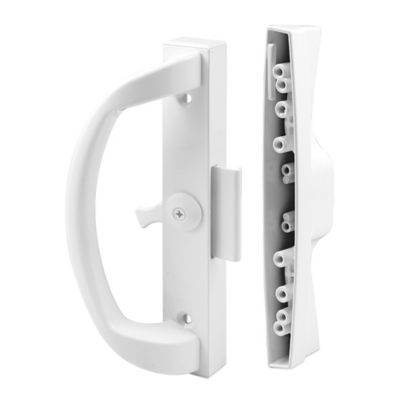
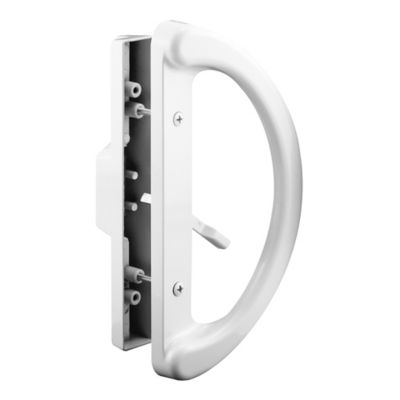
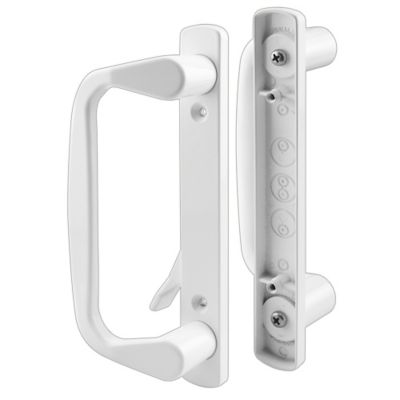
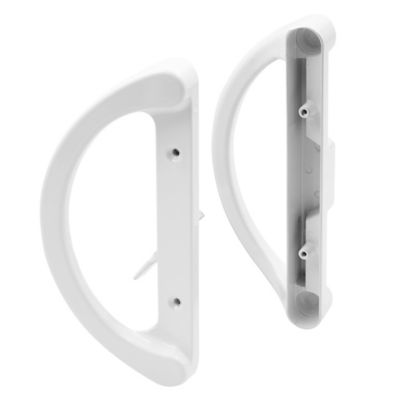
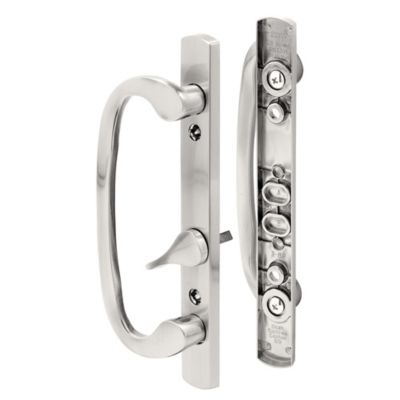
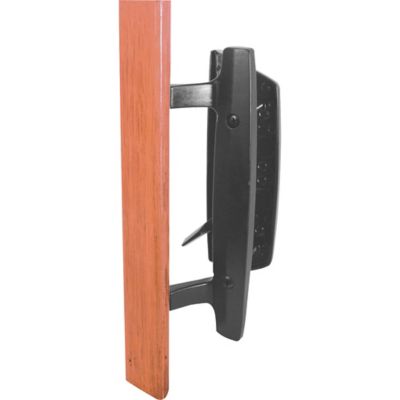
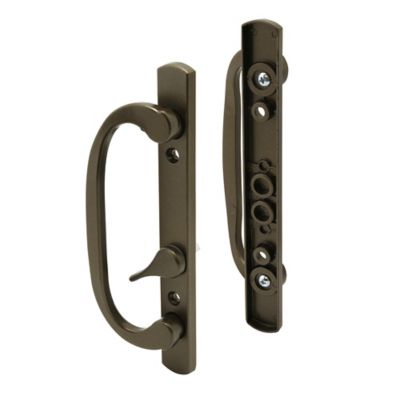
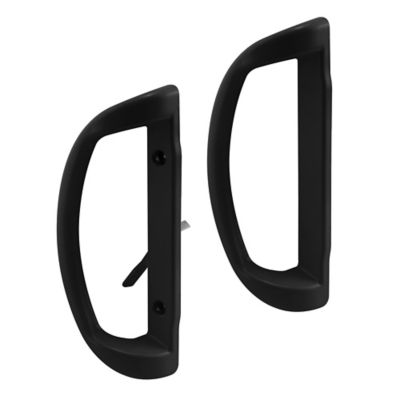
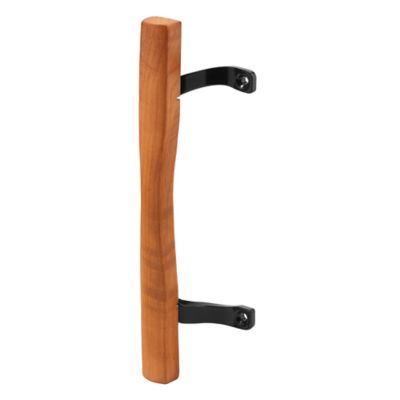
Replacement handles for patio sliding doors can make a big difference in how easily a door opens, closes, and secures. A worn handle may wobble in the frame, crack around the screw holes, or leave a latch that does not catch the strike plate with enough reach. In a busy home, that can turn a simple trip to the porch into a two-handed struggle, especially when carrying feed, firewood, groceries, or a cup of coffee. A replacement handle can also help restore a clean, finished look after years of sun, dust, damp air, and daily traffic. These handles are a practical choice for homeowners, landlords, property managers, and anyone getting a house ready for new occupants. They can also make a thoughtful housewarming gift for someone settling into a new place, fixing up a farmhouse, or preparing a rental between tenants. Before selecting a replacement, take a close look at the handle already on the door. Sliding patio door hardware is not made to one universal pattern, so matching the existing layout matters. Measure the distance from the center of one mounting screw hole to the center of the other, rather than measuring from the outside edges. Common center-to-center measurements include 3-15/16 inches and 6-5/8 inches, though other patterns are available. Check the door thickness as well; many flush or mortise-style handles fit doors measuring about 1 inch to 1-1/8 inches thick. A small difference in size can affect how the screws seat and whether the latch lines up correctly.
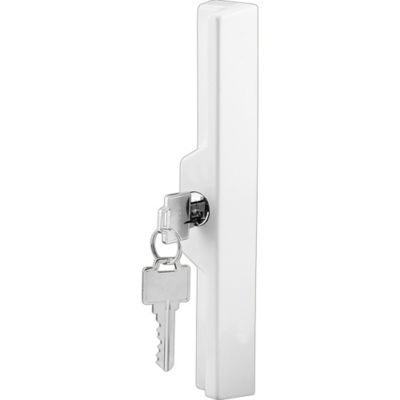
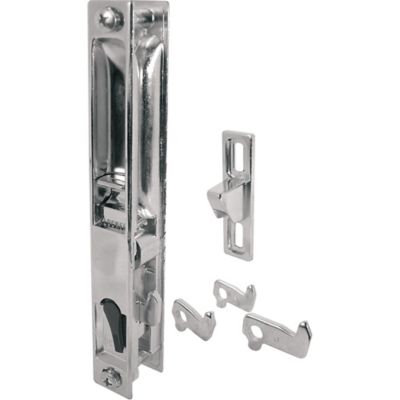
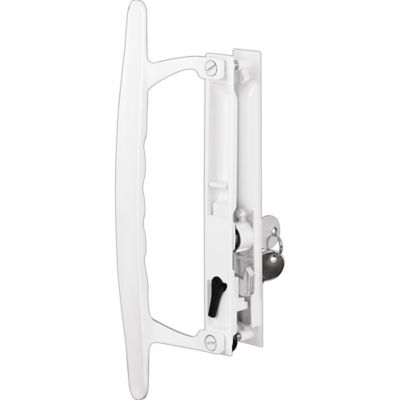
The mounting style and locking setup deserve just as much attention. A flush-mounted handle sits within a recessed section of the door, while a surface-mounted handle rests on top of the frame. Some patio doors use a hook-style latch that reaches into the jamb, while others have an internal mortise lock built into the door edge. Look at the outside and inside portions of the existing set, then note whether the handle includes a keyed lock, a thumb turn, or a simple latch. If the door leads to a porch, mudroom, workshop, or livestock area, consider how often it will be opened and what type of security makes sense for that location. A keyed exterior lock can be useful when the door is part of a main entry route, while an interior latch may suit a room that opens onto a fenced yard. When measuring, keep the tape level and place it at the center of each screw hole. Write down the door thickness, hole spacing, handle direction, and latch style before shopping. A quick photo of the old hardware can also help when comparing replacement parts. It is wise to keep the original screws nearby until the new handle is installed, since thread length and head style can vary. If the old screws are bent, stripped, or corroded, compare them with the fasteners included with the replacement and make sure they do not extend too far into the glass panel or interfere with the latch mechanism. For larger doors or areas with steady traffic, shoppers may also want to explore
Heavy Duty Sliding Glass Door Handles for options suited to frequent opening and closing.
Installation is often a manageable home maintenance task, but careful preparation helps prevent a loose fit or a latch that misses its target. Start with the door closed and supported in its track, then remove the inside handle screws and keep the hardware together in a small dish. Once the old set is off, inspect the mounting area for cracked plastic, bent metal, packed dirt, or loose parts inside the door edge. Clean away dust and grit without forcing debris deeper into the lock. Compare the replacement handle with the old one before tightening anything, checking that the screw holes, latch position, and handle orientation line up. Set the new pieces in place, start each screw by hand, and tighten them evenly. Avoid over-tightening, since too much pressure can damage a plastic housing or distort the fit against a thin door frame. After installation, slide the door back and forth several times, test the latch with the door fully closed, and confirm that any keyed lock turns smoothly. The handle should feel firm without pulling the door out of alignment. During the cooler months, patio doors often stay closed for longer stretches, making it a good time to notice stiff movement, drafts, or a latch that no longer catches. A clean handle, properly aligned lock, and smooth track can make everyday chores easier, whether you are stepping out to check a garden, bringing in supplies, or letting the family dog into the yard. Keep measurements and the old handle details on hand for future maintenance, especially in rental homes, farmhouses, and busy family spaces where dependable access to the patio matters.