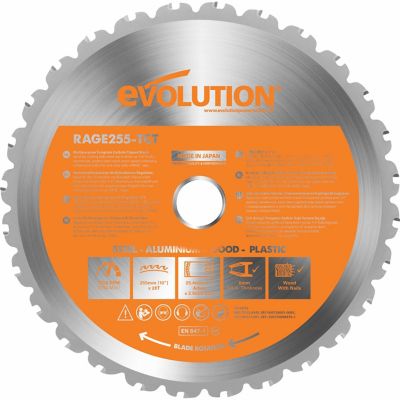
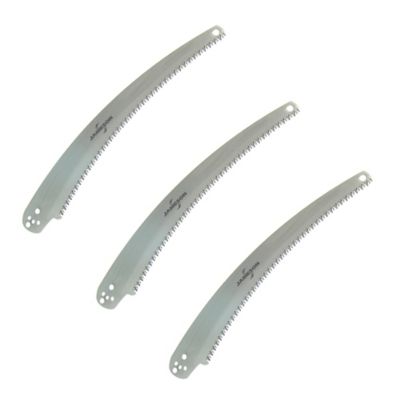
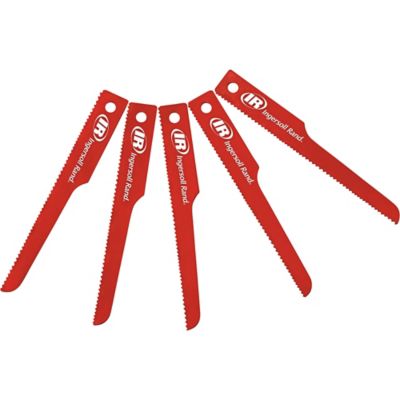
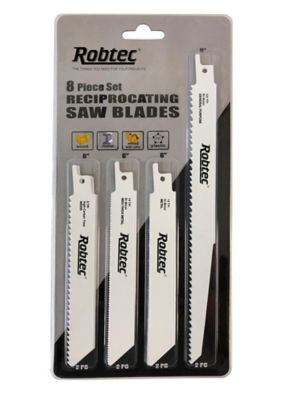
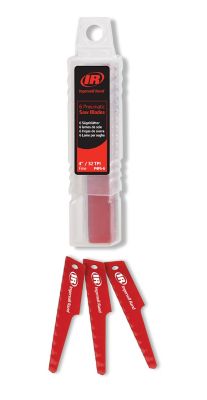
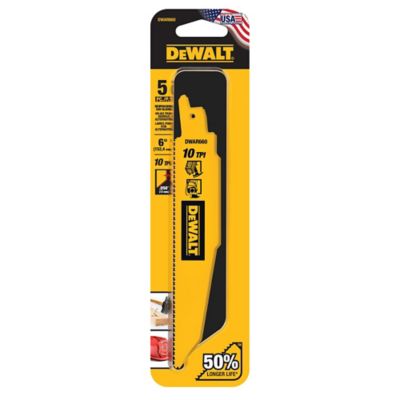
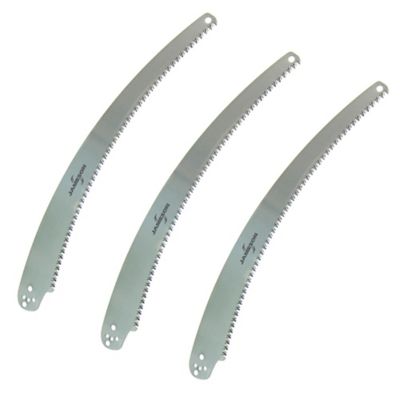
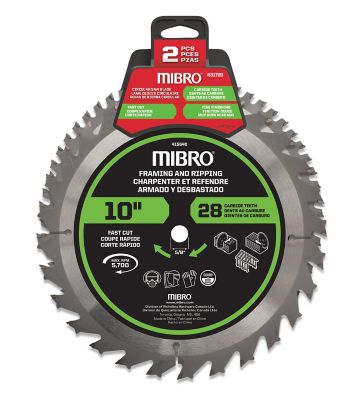
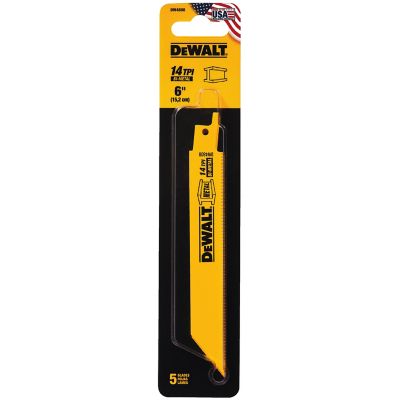
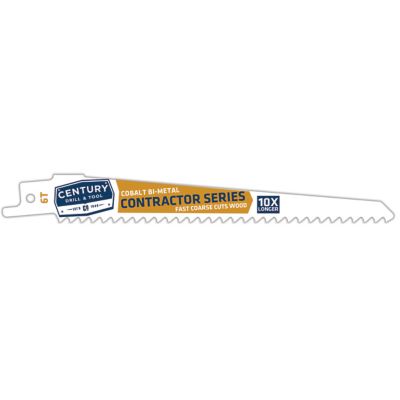
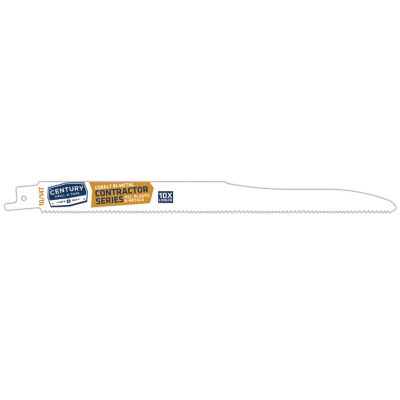
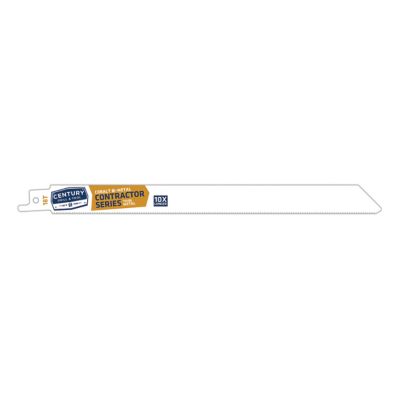
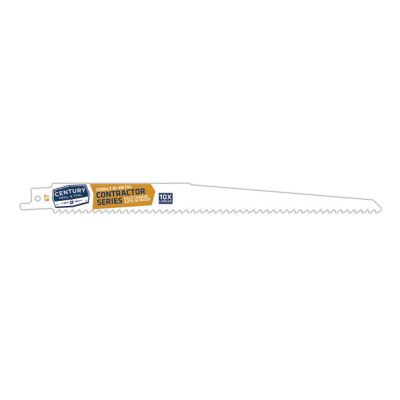
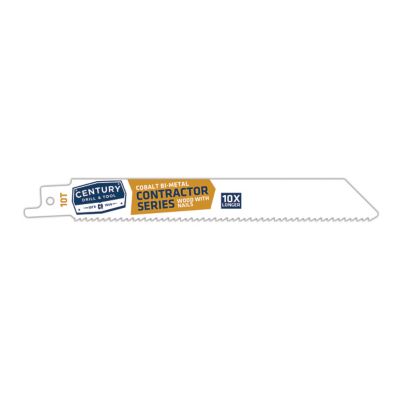
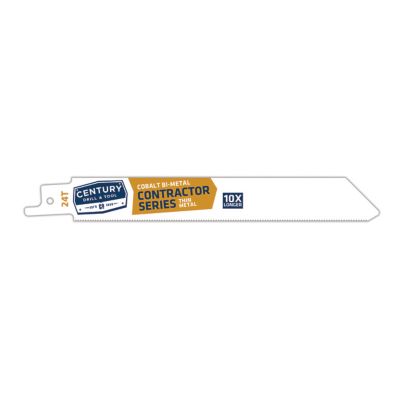
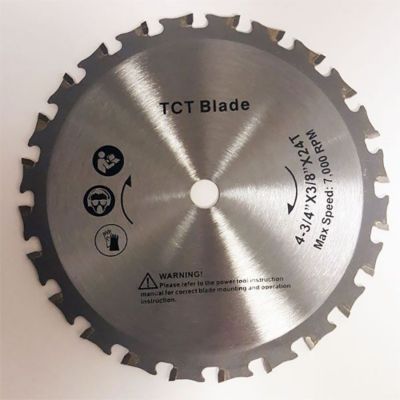
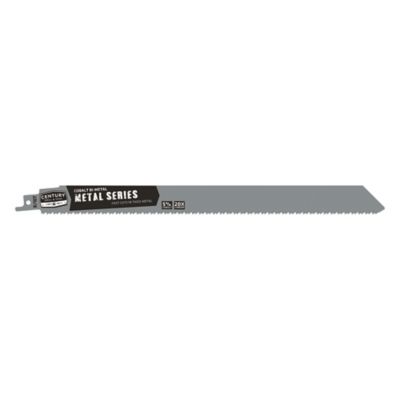
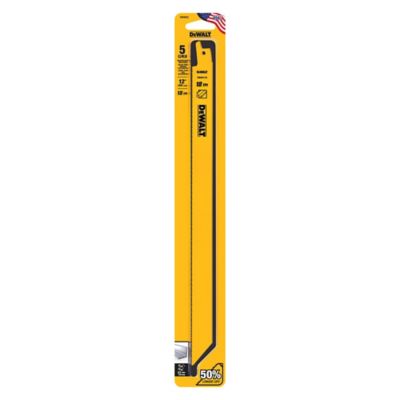
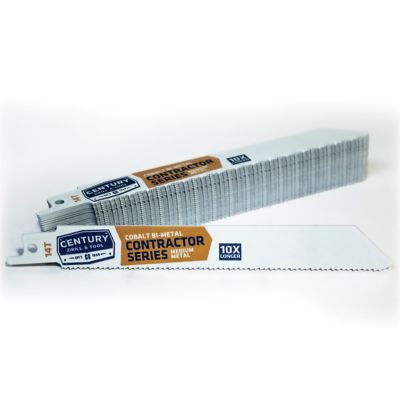
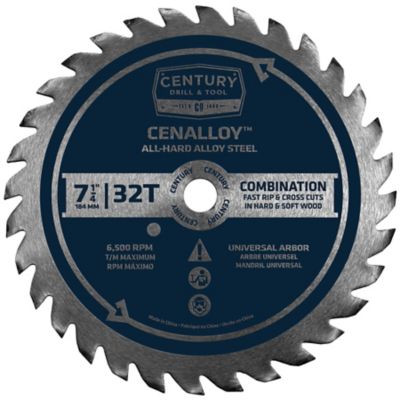
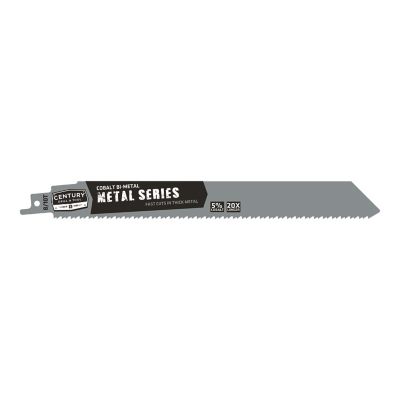
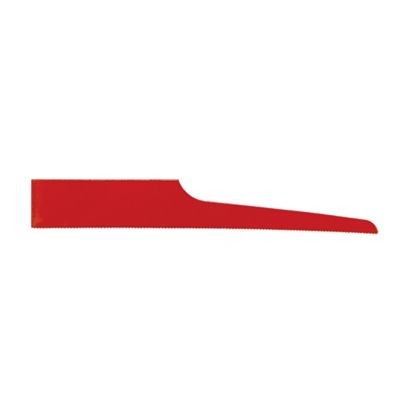
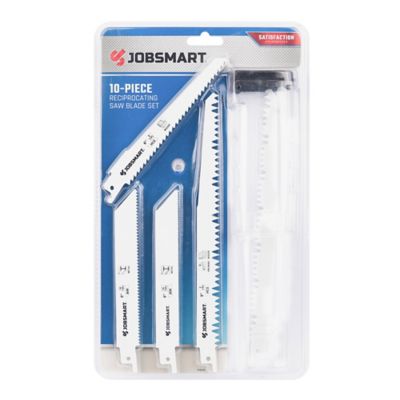
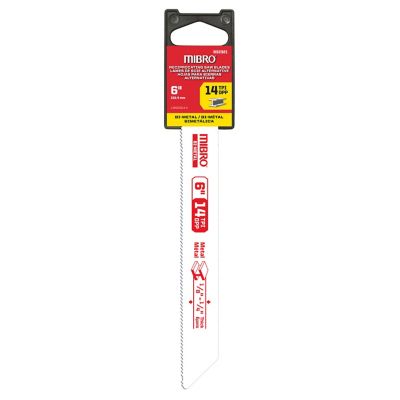
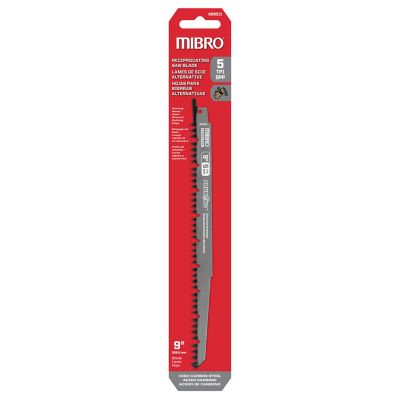
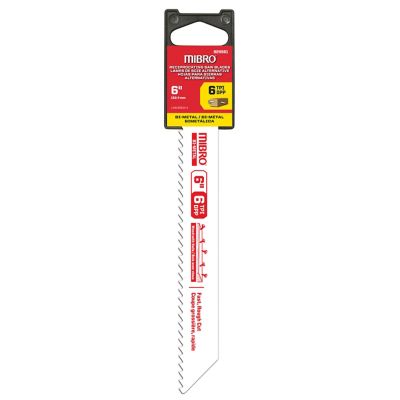
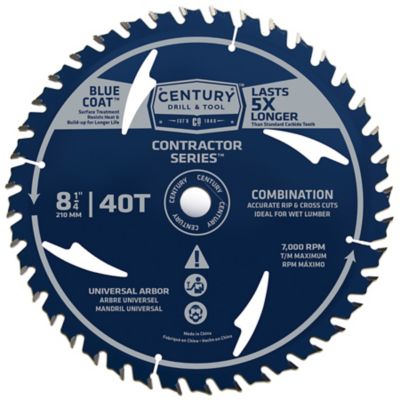
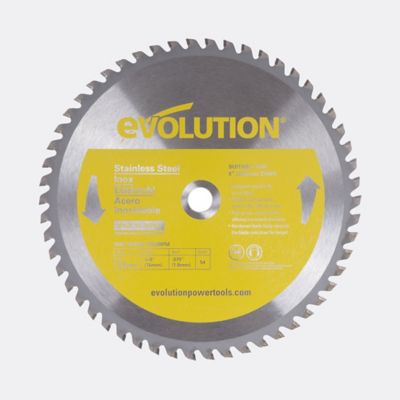
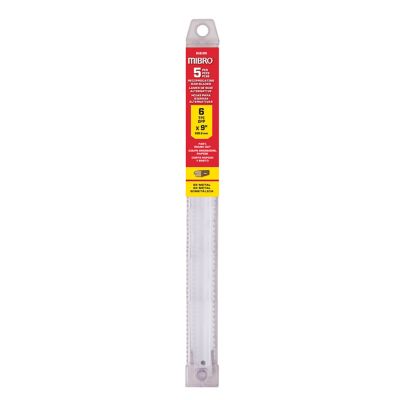
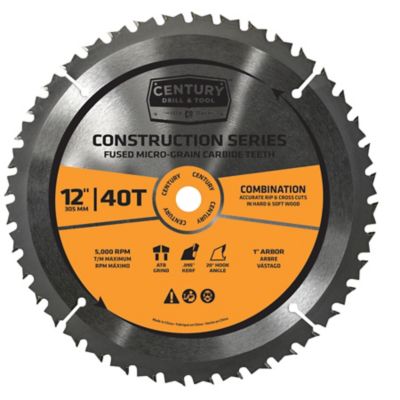
Replacement saw blades help keep repair work, building projects and everyday cutting jobs moving around the farm, shop and home. A sharp blade matched to the saw and the material can make the difference between a fence rail with a clean end and one with splinters hanging off the edge. The right fit starts with the type of saw: circular, miter and table saws take blades with mounting and operating requirements that differ from those for reciprocating saws, jigsaws and band saws. Within each group, blade designs serve different purposes, from breaking down framing lumber to trimming plywood or cutting metal tubing. Farmers, ranchers, carpenters, maintenance crews and folks keeping up their own property may need several blade types because no single cutting edge suits every chore. A blade that moves quickly through rough lumber may leave more cleanup on a shelf edge, while a fine-tooth blade intended for smooth cuts may work too slowly for heavy demolition. For wood-cutting circular blades, fewer teeth generally help move through material faster and leave room for chips to clear. Higher tooth counts generally support a smoother finish, provided the blade is suited to the material and cut. Rip blades are shaped for cutting along the grain, crosscut blades work across it, and combination designs handle a mix of both. Those differences matter when a job moves from sizing boards for a feed-room shelf to trimming the ends of a gate brace. Plywood and other layered panels can call for tooth patterns that limit chipping along the face. Reciprocating blades bring another set of strengths, including access to framing, pipe and awkward spots where a round blade cannot reach. Jigsaw blades suit curved lines and smaller cutouts, with tooth direction affecting which face is more likely to show splintering. Keeping those distinctions in mind helps match the cutting edge to the finish the job actually needs.
Blade material and fit deserve just as much attention as tooth count. Carbon steel blades can suit wood and other softer materials when their labeling permits, while bi-metal designs pair a flexible body with harder cutting teeth for applications that demand both flexibility and wear resistance. Carbide-tipped blades offer cutting edges that resist wear in their intended materials, but carbide alone does not make a blade suitable for every job. Nail-embedded lumber, aluminum, steel and masonry each call for blades expressly rated for that material and the saw doing the work. An old barn board with a hidden fastener presents a different challenge from a fresh piece of pine, and a wood-only blade is not a substitute for a nail-cutting design. Tooth spacing also matters. On reciprocating, jigsaw and band saw blades, teeth per inch, often marked as TPI, help describe the cutting pattern. Coarser spacing generally clears larger chips, while finer spacing can better suit thinner sections and smoother cuts. Material thickness matters alongside that number; thin metal needs enough teeth engaged to limit snagging, while thick stock needs room for chips to escape. For round blades, check the specified blade diameter, arbor opening, kerf and application against the saw’s manual. The blade’s maximum rated RPM must meet or exceed the saw’s specified spindle speed. A larger blade is not a shortcut to more cutting depth, and an arbor opening that is close is not a proper fit. Table saw blade changes also require attention to compatibility with the riving knife and other safety equipment. Reciprocating saws and jigsaws need the correct shank style, along with a blade length that suits the material and required stroke clearance. Band saws require the specified blade length and suitable width, thickness and tooth pattern. The
Power Saw Blades page offers a broader look at blade types for different cutting tools, while the saw manual and blade labeling remain the final word on compatibility.
A replacement blade’s working life depends on what it cuts, how it is handled and the condition of the saw carrying it. Forcing a blade through a board, twisting it in a cut or letting the teeth strike a concrete floor can shorten its service long before the next big project. Proper material support helps prevent pinching, and a steady feed suited to the saw and blade lets the teeth cut rather than rub. Pitch and resin buildup can increase friction on wood-cutting blades, so cleaning with a blade-approved cleaner according to the manufacturer’s directions can help maintain cutting performance. Storage matters, too: sleeves, racks or divided cases keep sharp edges from knocking together in a toolbox and make the blade markings easier to check before work begins. Keep blades dry and follow the manufacturer’s corrosion-prevention recommendations rather than applying a treatment that may leave unwanted residue on the workpiece. Scorch marks, ragged edges, wandering cuts or a growing need to push harder can signal a dull blade, although alignment, buildup and saw condition can cause similar trouble. Cracks, bends, missing teeth or other damage call for removing the blade from service, not trying to squeeze out another cut. Some blades can be professionally sharpened when their design and condition allow it; others are meant for replacement once worn. Safe replacement means disconnecting corded power or removing the battery, allowing all movement to stop and following the saw’s blade-change instructions with the specified tools. Correct seating, cutting direction and functioning guards matter before the saw returns to work. Eye and hearing protection, suitable dust control and a clear work area belong with any blade choice. Whether the next task is squaring up lumber at the workbench or cutting out a damaged section of pipe, matching the blade to the tool, material and finish helps keep the job manageable from the first cut to the last.