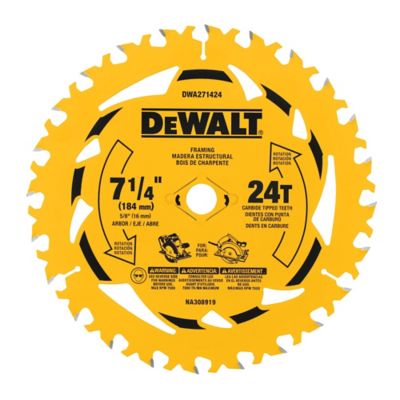
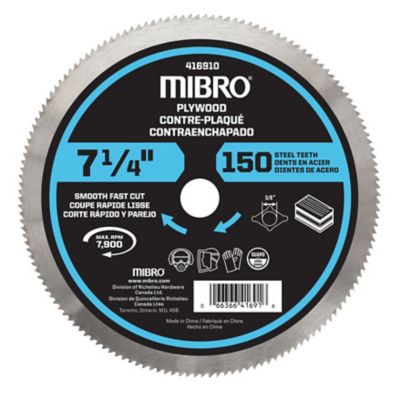
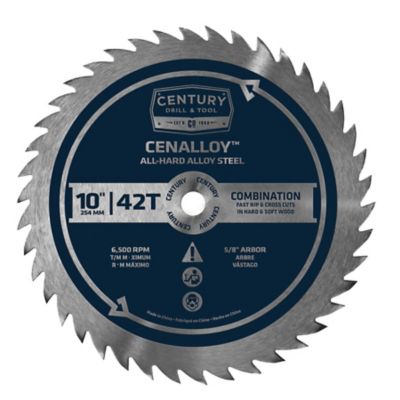
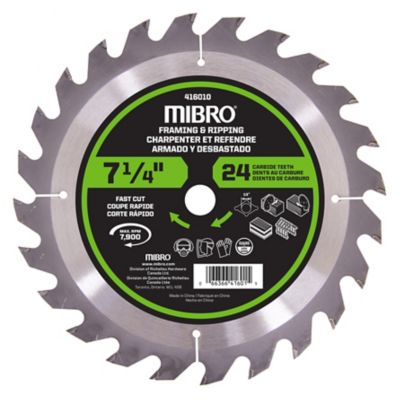
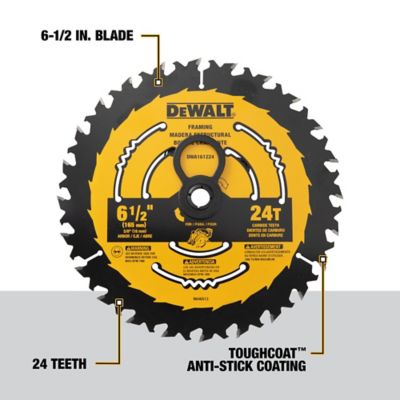
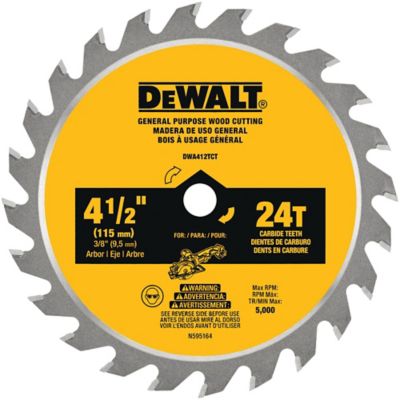
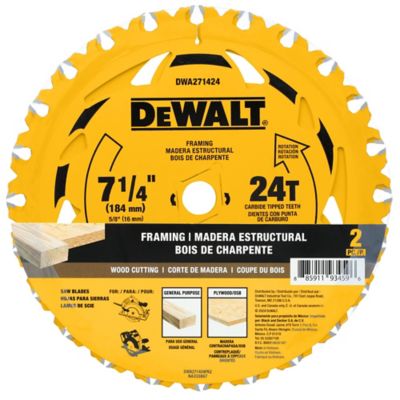
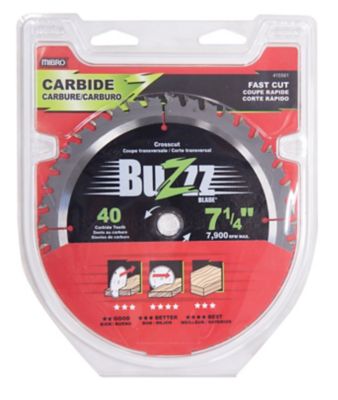
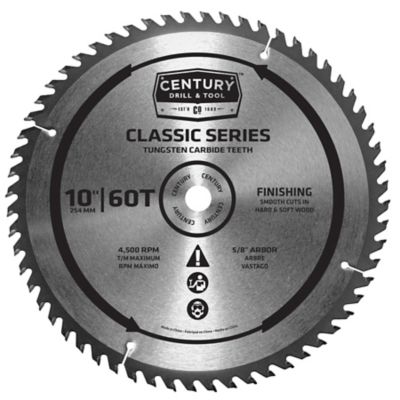
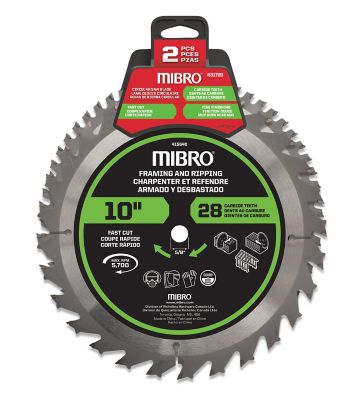
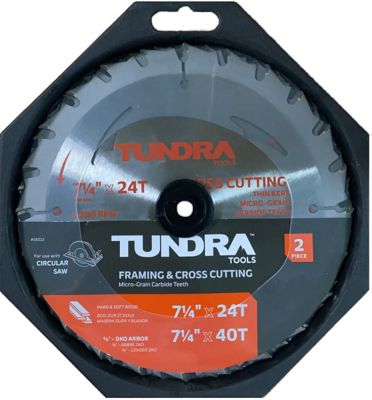
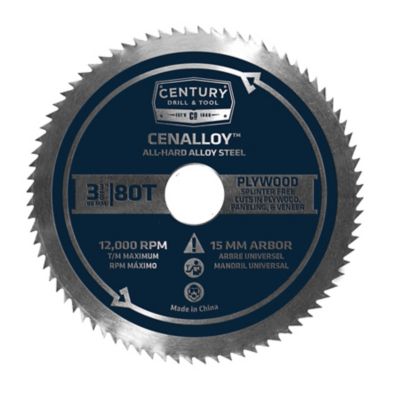
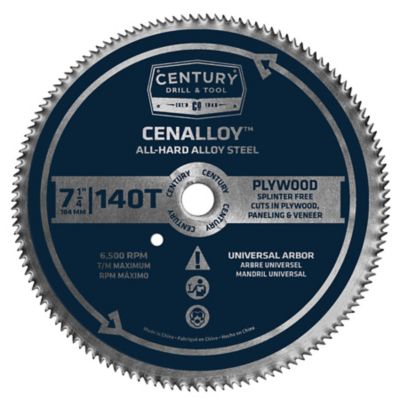
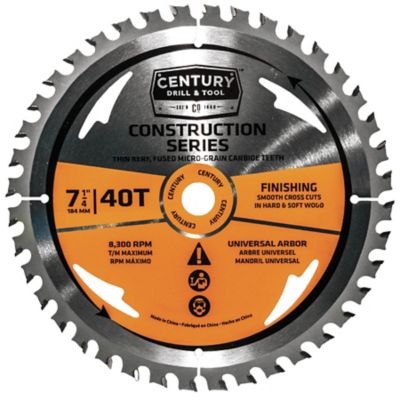
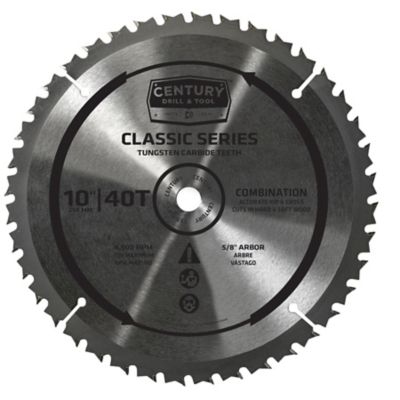
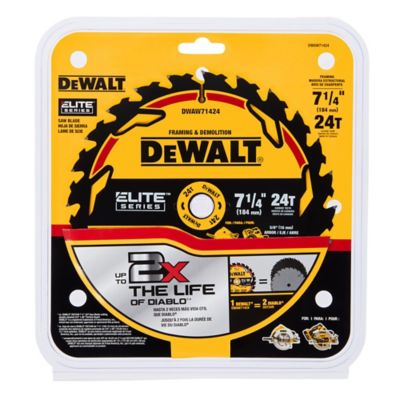
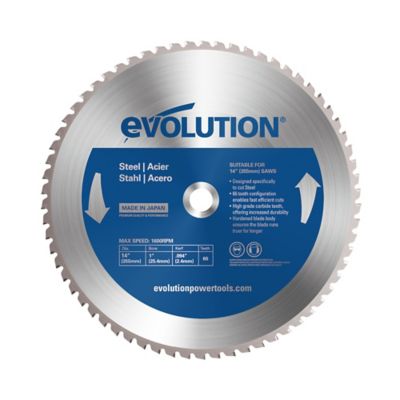
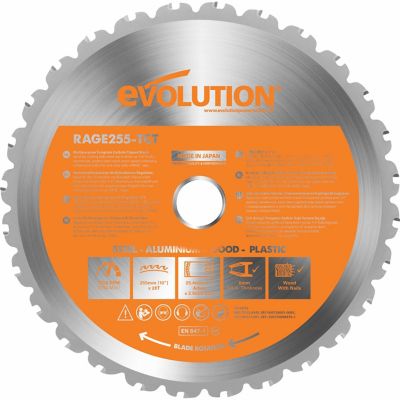
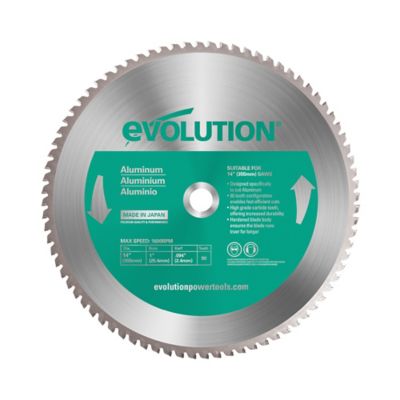
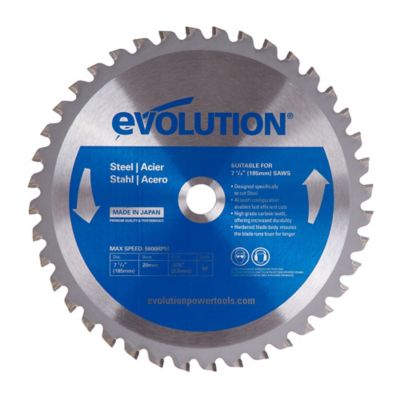
Replacement circular saw blades help keep a dependable saw ready for the next stack of lumber, sheet of plywood or repair around the place. The right match starts with the saw itself: blade diameter, arbor hole size, permitted blade type and maximum operating speed all need to agree with the tool’s specifications. A blade’s speed rating must meet or exceed the saw’s maximum no-load RPM, and its center hole must fit the arbor with only manufacturer-approved hardware or adapters. Diameter matters for guard clearance and cutting capacity, so a blade that fits over the arbor is not necessarily a fit for the saw. Checking the owner’s manual takes the guesswork out of those details, especially when replacing a blade whose markings have worn away. Full-size and compact saws call for different blade dimensions;
Small Circular Saw Blades are worth a look when matching the requirements of a smaller tool. Beyond fit, tooth count and tooth shape help determine how the blade handles a cut. Blades with fewer teeth and larger spaces between them generally move through framing lumber quickly and clear chips readily. Higher tooth counts generally favor cleaner crosscuts and smoother edges, though the best choice still depends on the material and tooth design. A combination or general-purpose blade can suit work that switches between ripping boards lengthwise and cutting pieces to length. For someone building a feed-room shelf, trimming fence boards or framing a shop partition, that balance can matter more than getting the smoothest possible finish. On exposed plywood edges or pieces that need to meet neatly, a finish-oriented blade may save cleanup afterward. Matching the blade to the work helps the saw cut without unnecessary strain, but a sharp blade still needs steady support beneath the material and a feed rate that lets the teeth do their job. Trying to rush a fine-tooth blade through thick stock can leave burn marks instead of a clean edge.
Blade construction makes a difference when the work moves from a few softwood boards to repeated cuts through hardwood or manufactured panels. Many wood-cutting circular saw blades pair a steel body with carbide tips, which resist wear at the cutting edges. Carbide is hard, but it can chip from impact, hidden fasteners or rough handling. Expansion slots and other body features may help manage heat and vibration, while surface coatings on some blades can reduce friction and resin buildup. Those features do not replace a proper match between the blade, saw and material. Kerf, the width of the cut, is another useful comparison. A thin-kerf blade removes less material and may reduce the cutting load on a compatible cordless saw. A thicker blade body may offer more stiffness for certain applications, but neither design is automatically the better choice for every tool. Follow the saw maker’s requirements, including compatibility with any riving knife fitted to the saw. For plywood, laminates and other faced panels, tooth geometry can be just as important as tooth count because the cutting edge needs to limit chipping along the surface. Blades intended for nonferrous metals, ferrous metals, fiber cement or masonry have different cutting features and operating requirements; they are not interchangeable simply because their diameters match. A blade marked for aluminum does not automatically suit steel, and a general wood blade is not the right answer for every building panel. Cutting metal or masonry also requires a saw specifically approved for that application. Specialty blades may have limits on dry cutting, wet cutting or acceptable tool speeds, so the blade label and tool manual should agree before work begins. For farm maintenance crews, carpenters and folks keeping a home workshop going, choosing by the actual material helps narrow the field without leaning on tooth count alone. Cutting clean boards for shelving presents a different job from working with reclaimed lumber that may contain hidden nails, staples or grit. Even a blade rated for nail-embedded wood has limits, making a careful inspection worthwhile.
Keeping replacement circular saw blades in working shape starts with recognizing when a blade needs attention. Increasing push effort, persistent burning, ragged edges or unusual vibration can point to dull teeth, buildup, damage or another problem with the saw setup. A fresh blade will not correct a loose arbor assembly, poor work support or a misaligned tool, so those symptoms deserve a check rather than more pressure on the handle. For a blade change, disconnect the power cord or remove the battery, then follow the saw manual’s directions for the spindle lock, arbor bolt and blade hardware. Bolt thread direction varies, so do not assume every saw loosens the same way. The blade’s rotation marking must match the saw’s specified direction, the guard must move freely, and the arbor hardware must be installed and tightened as directed. These details matter whether the next task is breaking down plywood on sawhorses or sizing boards for a livestock shelter repair. Eye and hearing protection belong with cutting work, along with dust controls and respiratory protection appropriate to the material. Day-to-day care is straightforward: inspect teeth and the blade body, remove resin with a cleaner approved for the blade, and follow the maker’s cleaning directions. Avoid scraping or handling methods that can harm carbide tips. A blade with cracks, missing teeth or a bent body should come out of service rather than go back on the saw. Some carbide-tipped blades can be evaluated for professional sharpening, depending on their design and condition. Between jobs, separate blades with sleeves, dividers or a dedicated case so the teeth cannot strike other blades or loose tools. Dry storage helps limit rust on steel surfaces, and keeping size and material markings readable makes the next match easier. For anyone moving between rough framing, panel work and finish cuts, a few properly matched blades can give one compatible saw a broader working range. The payoff is practical: cleaner cuts where appearance matters, efficient progress where material removal matters, and less fighting the tool through an ordinary day’s work.