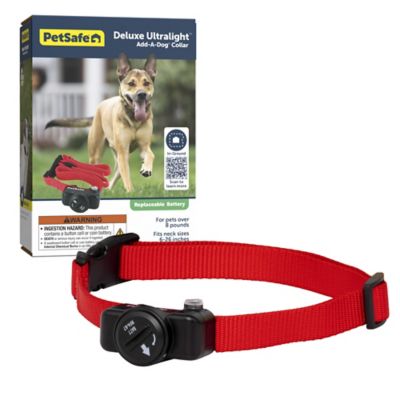
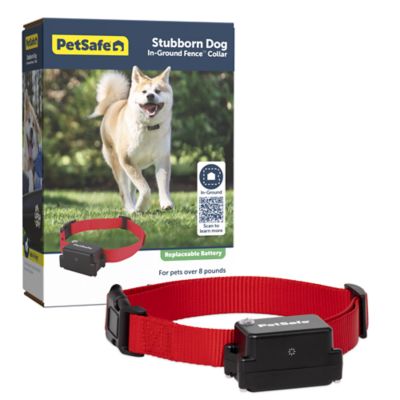
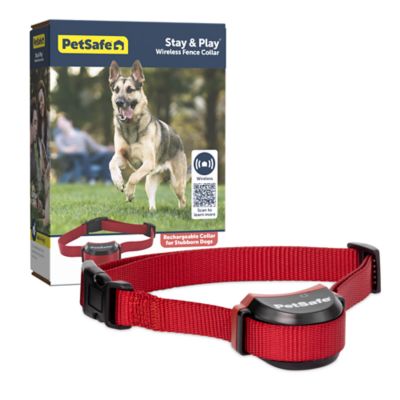
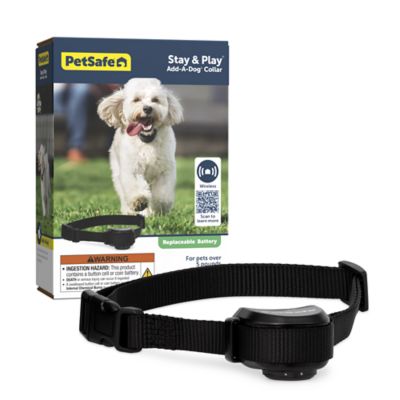
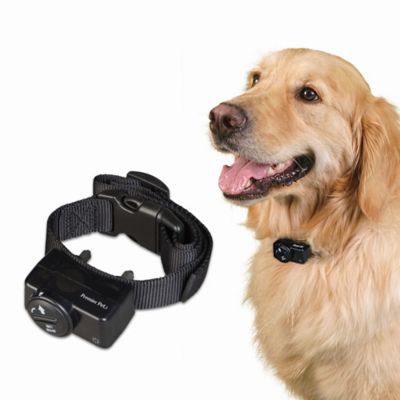
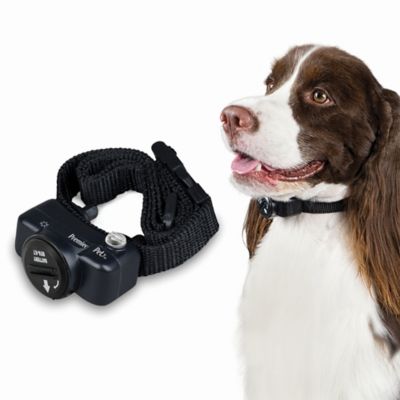
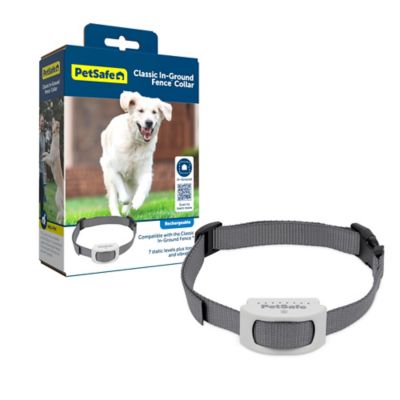
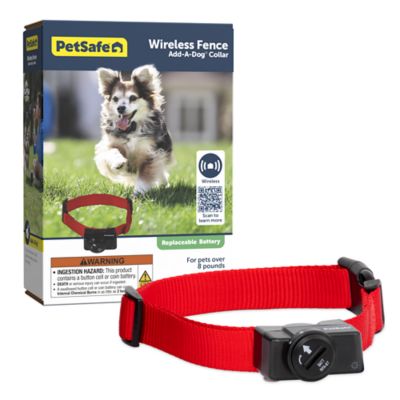
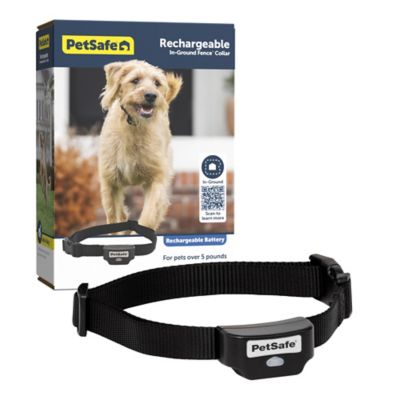
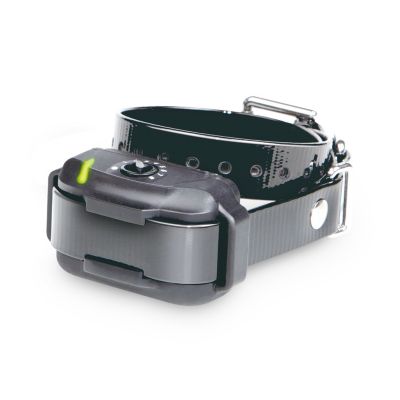
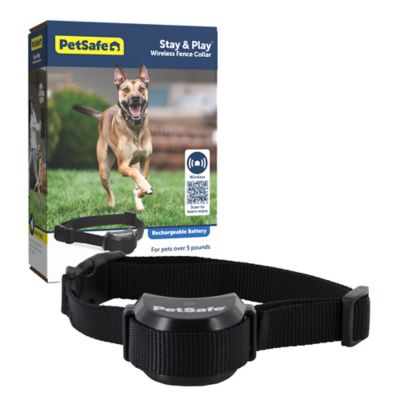
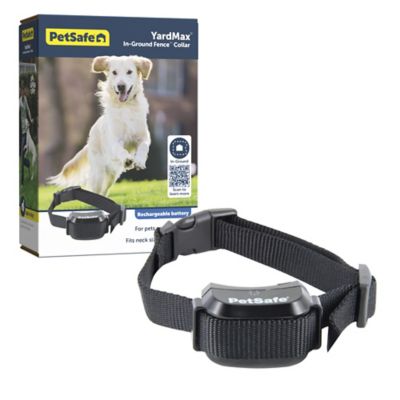
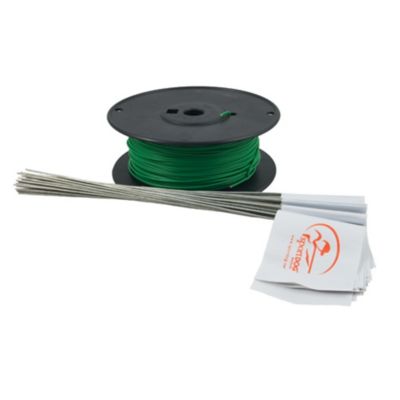
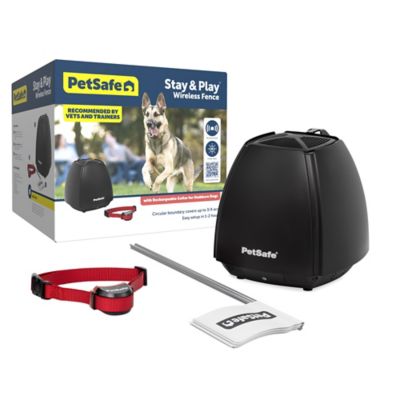
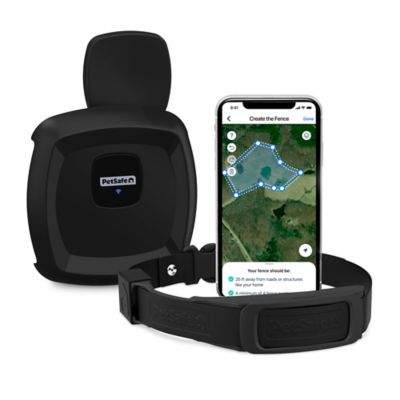
Replacement and additional dog fence collars are receiver collars that work with a compatible electronic pet containment system. A replacement receiver takes the place of a missing or nonworking unit, while an additional receiver lets another dog share the same boundary when the system supports multiple dogs. A replacement strap serves a different purpose: it replaces the band that holds a functioning receiver around the dog’s neck, not the electronics themselves. That distinction matters when a strap has frayed but the receiver still responds, or when another dog joins the household and needs a complete collar. Compatibility is the starting point for either purchase. The fence type, transmitter model, system generation, and manufacturer’s compatibility information all matter; a matching appearance or brand name alone does not establish a match. In-ground fence receivers respond to a signal associated with a boundary wire, while wireless and GPS systems depend on different technology. Collars from these categories are not automatically interchangeable, and even receivers within the same category may operate on different frequencies or communication systems. A receiver also needs to support the setup or pairing process required by the existing fence. For homes with more than one dog, the system’s supported collar count and individual adjustment options are worth checking. Two dogs can share a yard without needing the same receiver size or correction setting. A small companion dog and a broad-necked farm dog may need different fits, and each needs equipment suited to its size and temperament. Some receivers offer audible warnings, vibration, adjustable static correction, or combinations of those features, but the options vary by system. The right match preserves the functions the fence was designed to provide rather than adding features the transmitter cannot support. Clear compatibility details help separate a complete add-on collar from a strap, battery accessory, or other replacement part before anything gets fitted to the dog.
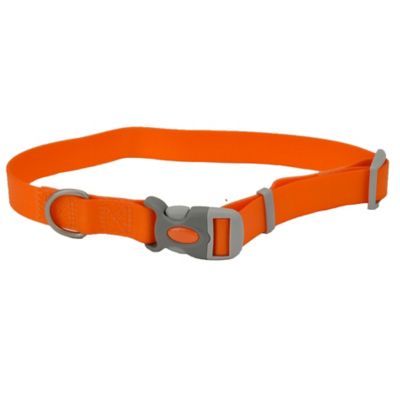
Fit and construction make a difference during everyday yard time, whether a dog is nosing around the porch or tagging along near the barn. Neck measurement, receiver weight, strap width, and the manufacturer’s minimum size and age requirements help determine whether a collar is appropriate. A band that reaches around the neck is not necessarily a suitable fit if the receiver is too heavy or the adjustment range leaves little room for proper positioning. Nylon straps offer flexibility, while coated synthetic bands can provide a surface that wipes clean more readily. Buckle style, adjustment hardware, stitching, and receiver attachment points affect how the collar sits and how easily it goes on and comes off. When replacing only the strap, its width, thickness, attachment pattern, and fastening method need to match the receiver’s requirements. A general-purpose dog collar is not automatically a suitable replacement band for an electronic fence receiver. On models with contact points, correct positioning allows the contacts to reach the skin without excessive pressure. Coat length can affect that contact, and some receivers accept manufacturer-approved contact points in different lengths. Tightening the band beyond the recommended fit is not a substitute for the proper components. Regular fit checks are especially important for growing dogs or dogs whose weight changes. Skin checks and the recommended breaks from wear help prevent irritation, and redness or soreness calls for removing the collar and seeking veterinary advice when needed. Care also extends to the strap and receiver housing. Dirt around attachment points, cracked buckles, loose hardware, and damaged contact points can interfere with normal wear or operation. Cleaning methods should follow the equipment instructions, including any restrictions on soaps, soaking, and charging connections. Water resistance varies, so a collar suitable for splashes at the water bowl may not carry the same rating as one intended for swimming. An intact housing and properly closed battery compartment matter just as much as a clean strap.
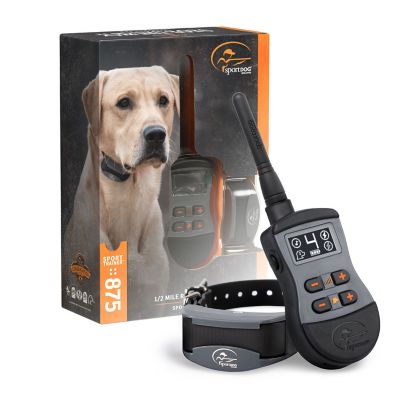
Power and day-to-day upkeep are another part of choosing a replacement or additional dog fence collar. Rechargeable receivers need a charging routine and a compatible charger, while receivers with replaceable batteries require the designated battery type and a sound compartment seal. Battery indicators can make checks easier, but stated runtime still depends on the receiver, settings, and pattern of operation. A low battery can interrupt the collar’s response, so power checks belong alongside strap and skin checks rather than waiting until the dog approaches the boundary. For a household adding a second or third dog, separate receiver settings can help accommodate individual needs when the system permits them. The new dog still needs its own introduction to the boundary; wearing a collar does not mean it understands where the yard ends. Consistent, supervised training with the system’s recommended boundary markers helps connect the warning signal with a familiar stopping point. A replacement receiver also calls for a function check and confirmation of its settings before the dog returns to regular yard time. Electronic containment is not a physical barrier, and it does not prevent visitors, livestock, or other animals from entering the property. A driveway near traffic, an open gate toward a pasture, or a dog strongly motivated to chase may call for physical fencing, a leash, or another containment arrangement. Suitability depends on the dog and the property, not simply the amount of ground inside the boundary. Fence collars also differ from equipment intended for handler-directed work in the field.
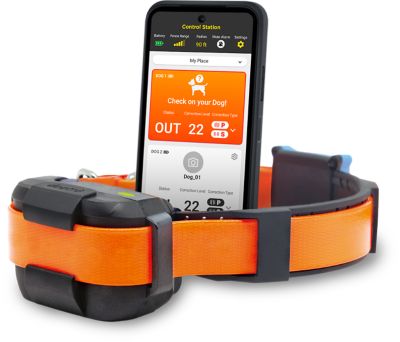
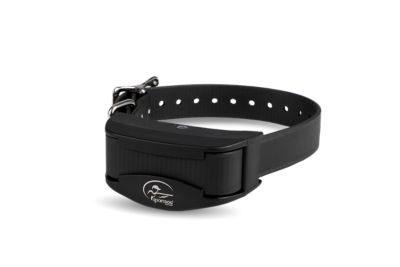
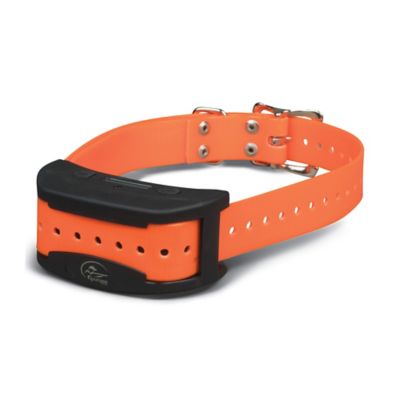
Hunting Dog Training Collars belong to a separate category and should not be assumed to pair with a pet fence transmitter. For an established containment setup, the practical goal is straightforward: a compatible receiver, a comfortable fit, appropriate settings, and manageable care. Those details matter whether the collar replaces a worn-out unit or gives another dog its own receiver for supervised time around the place.