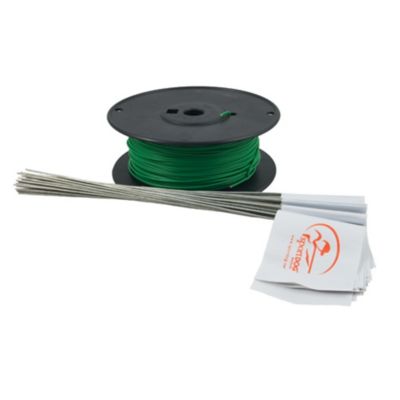
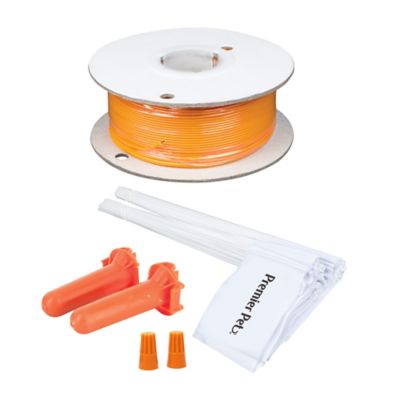
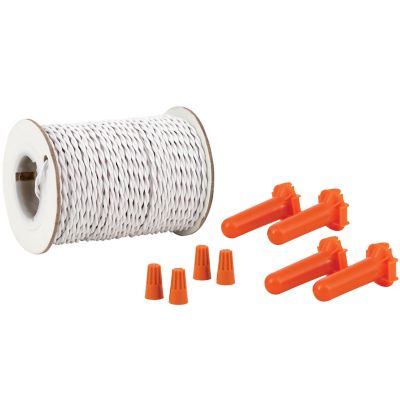
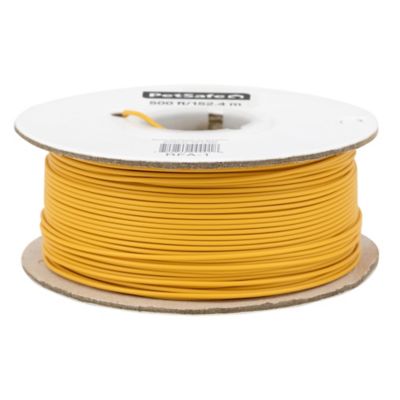
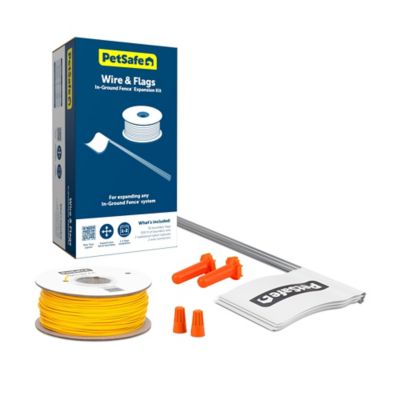
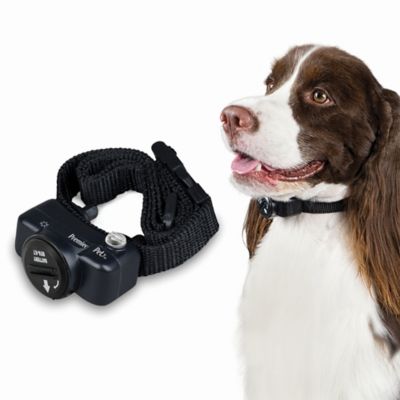
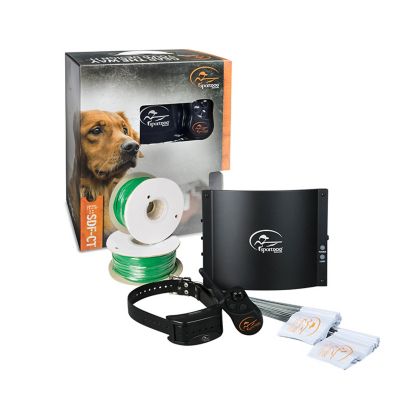
Dog fence boundary wire and expansion kits help extend a compatible in-ground electronic pet fence, replace damaged sections of wire or reshape a dog’s designated yard area. These systems rely on a wire connected to a transmitter to establish a boundary that a compatible receiver collar detects. Expansion kits commonly combine a length of insulated boundary wire with training flags and splice connectors, though package contents vary. For a backyard, small acreage or a home beside a gravel lane, the right setup starts with the space the dog can safely enjoy and the limits of the existing fence system. Acreage alone does not tell the whole story: a long, narrow yard needs more perimeter wire than a square yard of the same area. A 100-by-100-foot square, for example, has a 400-foot perimeter before accounting for the connection to the transmitter, routing around obstacles or extra length for connections. Gardens, outbuildings and areas near a driveway can also affect the layout. Total wire length needs to stay within the transmitter’s specifications, and the wire must meet the system’s requirements. Adding another roll does not automatically increase the acreage a transmitter can support. It also helps to distinguish boundary wire from ordinary electrical, speaker or landscape-lighting wire, since those cables may not meet the fence manufacturer’s conductor and burial requirements. For households bringing a dog into a larger yard, expansion components can make an existing wired system better suited to the property without replacing every part. For a long-established setup, replacement wire and connection supplies can address a damaged stretch while leaving the rest of the perimeter in place. Whether the goal is more room behind the house or a revised line around a garden, compatibility matters more than simply matching the color of the old wire. Receiver collars, transmitters and accessories still need to work together as the manufacturer specifies.
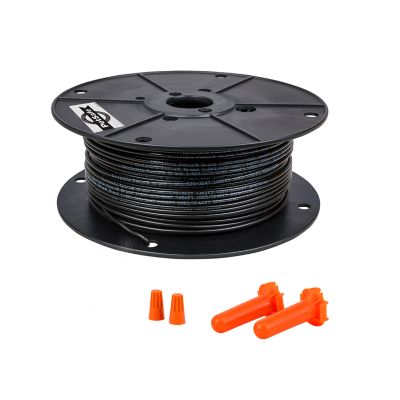
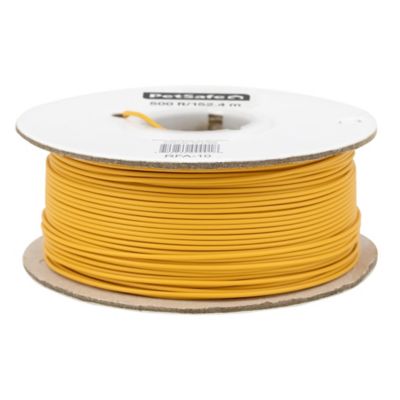
Wire construction makes a difference in how a boundary holds up underground and how well it fits the system’s electrical requirements. Solid copper is a common conductor, while other wire constructions require a closer look at the fence manufacturer’s specifications. Gauge describes conductor thickness: a lower number means a thicker conductor, so 14-gauge wire is thicker than 20-gauge wire. A heavier conductor can offer greater resistance to physical breakage, but gauge alone does not establish compatibility or service life. Insulation, connection protection, soil conditions and the way the line crosses high-traffic areas all play a part. Boundary wire marked for direct burial has insulation intended for underground placement; polyethylene and PVC are among the jacket materials found in this category. That outer layer helps protect the conductor, but damaged insulation or an exposed splice can still cause trouble. Expansion kits may include connectors and waterproof splice enclosures, while some repairs call for separate connection supplies approved for the system and burial conditions. An ordinary wire connection wrapped in electrical tape is not a substitute for a properly rated underground splice. Fewer sound, well-protected connections can make future troubleshooting simpler than a line pieced together from many short scraps. Around a working yard, the spots most likely to need attention are often easy to picture: the edge where a string trimmer runs, the place a shovel enters a garden bed or the crossing beside a gate. Manufacturer-specified burial depth and suitable protection at crossings help keep the wire out of the path of routine chores. Care generally involves checking the transmitter’s loop indicator, inspecting accessible connections and testing the receiver as directed. If a system signals a break, replacement wire can repair the affected section, but finding the fault comes first. A simple record of the wire route and splice locations is handy when planting a tree, repairing a water line or planning another yard project.
The best-fitting dog fence expansion kit supports both the property layout and the dog’s training routine. Boundary flags provide a visible reference while a dog learns where the permitted area ends; they do not create the electronic boundary themselves. An expanded perimeter changes that reference, so a dog familiar with the old line still needs supervised training around the new one. Layout also affects how much usable space remains inside the boundary. The receiver’s warning and correction zone extends away from the wire, which means the full distance between two wire runs may not be open play space. Narrow passages beside a shed or between a garden and the property line deserve particular attention. Closely spaced wires can also affect signal behavior, making the manufacturer’s approved layout patterns important. Some systems support exclusion areas around features such as planting beds, but those arrangements require the correct wire routing rather than an extra loop placed anywhere in the yard. Twisted wire may provide a signal-canceling connection between certain parts of an approved layout, but it does not create a safe crossing through every active boundary. A
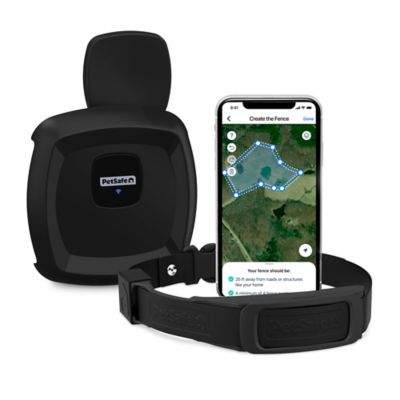
Wireless Pet Fence System takes a different approach: wireless designs establish their boundary without an installed perimeter wire, so boundary wire and wired expansion kits are not add-ons for every electronic fence. For homes with several dogs, each dog needs a compatible receiver and individual training appropriate to the system. Collar fit, contact-point care and wear-time limits matter just as much after an expansion as they did with the original setup. Electronic boundaries are training tools, not physical barriers, and they do not keep other animals or people out. A dog that chases livestock, bolts toward traffic or needs secure separation may need physical fencing and closer supervision instead. With those limits in mind, matching wire, protected connections and clearly marked training boundaries help a wired fence suit everyday life around the yard.