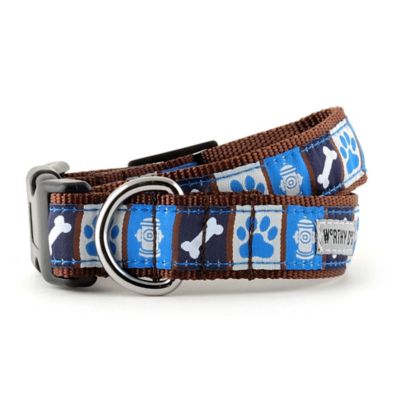
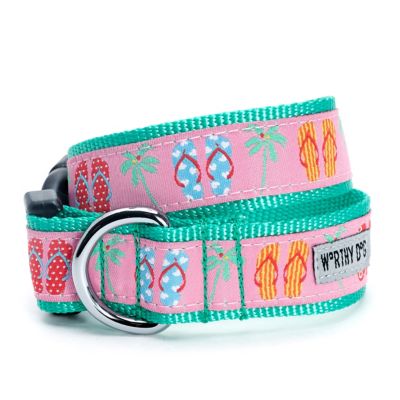
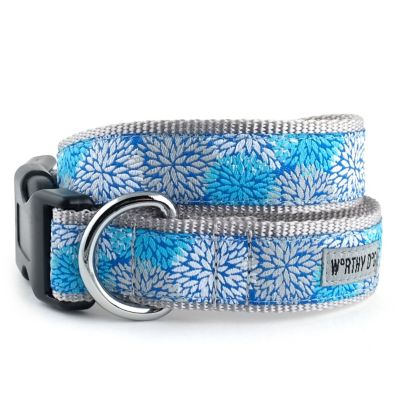
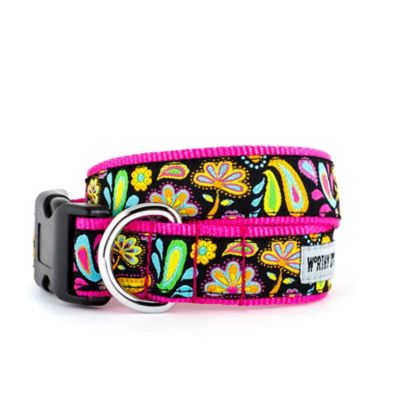
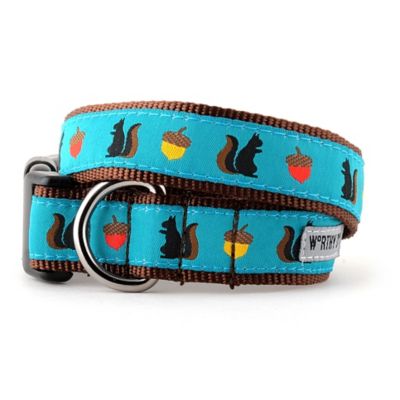
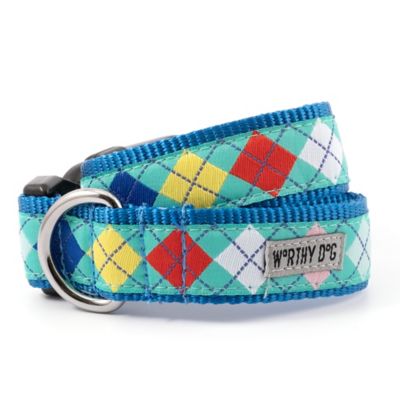
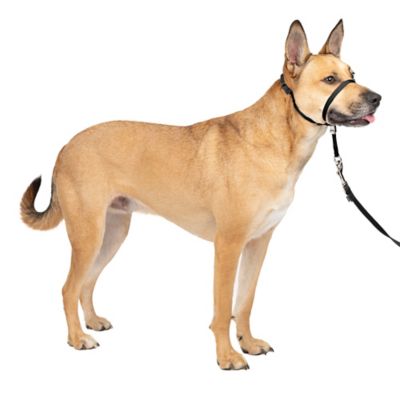
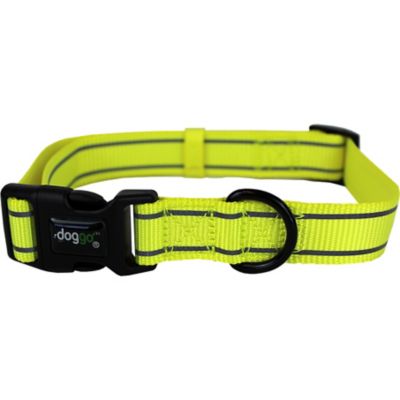
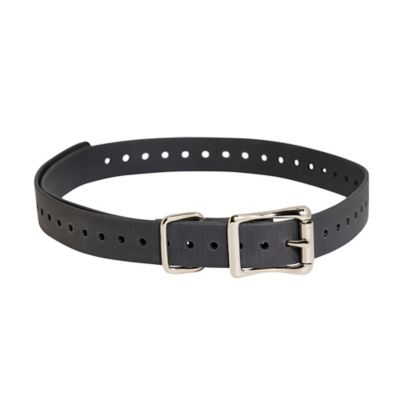
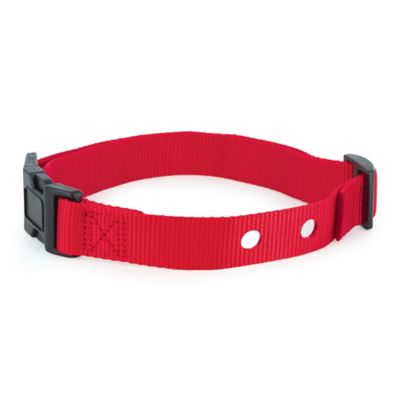
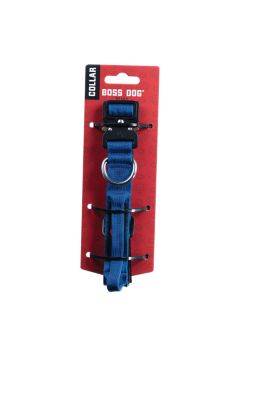
An adjustable dog collar is a neck strap with a sliding adjuster or a buckle with multiple holes that lets the fit become looser or snugger within a set size range. Common materials include nylon, polyester, and leather, with different widths and closures suited to different dogs. That flexibility comes in handy for a growing puppy, a grown dog between standard sizes, or a household that needs to fine-tune the fit after grooming. Adjustment does have limits, though: a puppy can outgrow the collar’s full range, and a larger collar does not necessarily become suitable for a small dog just because the strap can tighten. Neck measurement, strap width, and hardware weight all matter. A lightweight collar can feel less cumbersome on a small terrier, while a broader strap may spread contact across more of a bigger dog’s neck. A good everyday fit sits comfortably against the neck without pinching, rubbing, or slipping over the head. Room for two fingers laid flat beneath the strap is a common starting point, but the dog’s build and the collar maker’s fit directions deserve attention, too. Dogs with narrow heads can slip out of a standard flat collar even when the neck measurement seems right. Thick fur can also make a loose fit harder to spot, so checking against the neck itself matters more than judging by appearance. Adjustment hardware should hold its position during ordinary movement, whether the dog is sniffing along a fence line or walking down the driveway. Loose strap ends need to stay tucked into their keepers rather than flap against the dog’s face. For a dog that wears identification throughout the day, smooth edges and a sensible fit can make more difference than a bold pattern. The goal is a collar that leaves room for comfortable movement while keeping the buckle, ring, and tags where they belong. Fit checks remain important after grooming, weight changes, and any sign that the strap has started to slide.
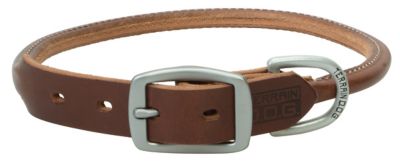
Material and construction shape how an adjustable dog collar feels, how it handles daily wear, and how much attention it needs between outings. Nylon webbing is a familiar choice for its flexibility and relatively light weight, while polyester offers another woven option with a range of colors and patterns. The feel of the edges matters as much as the face of the fabric: stiff seams or rough spots can bother a dog that wears a collar for long stretches. Webbing thickness, stitching around attachment points, and the way the strap passes through the adjuster all affect how the collar holds together over time. Leather has a different feel, often starting firmer and becoming more supple with regular wear and appropriate care. For shoppers comparing that material with woven straps,
Leather Dog Collars offer another way to consider buckle construction, strap thickness, and the feel against the neck. Neither material is free from upkeep. Fabric collars can collect dust, skin oils, and grit after a dog noses around the yard or stretches out beside the porch steps. Cleaning directions vary, so the maker’s instructions are the best reference for washing, rinsing, and drying. Leather generally needs care suited to its finish rather than a long soak, and any conditioner should be appropriate for the material and applied as directed. A collar should be dry before it goes back against the dog’s skin. Closures deserve the same attention as the strap. Side-release buckles can make removal straightforward, while traditional buckles fasten through set holes. Metal rings should be firmly attached, and stitching should remain intact where the leash connection puts stress on the collar. Frayed edges, cracks, bent hardware, or a buckle that no longer closes fully are reasons to take the collar out of service. Routine checks are especially useful when grit gathers inside a closure or the dog spends plenty of time rolling in the dirt.
Everyday use helps narrow down which collar features earn their keep. For a companion that mostly walks around the neighborhood and rides along on errands, a simple adjustable flat collar can carry identification without much extra weight. A dog that joins supervised chores around the property may benefit from easy-to-clean material and hardware that is simple to inspect after a dusty afternoon. Even then, collars and dangling tags can catch on fencing, brush, crate wire, or equipment, so the setting matters as much as the strap itself. A standard walking collar is not a tie-out device, and dogs need separation from moving machinery regardless of what they wear. For dogs that pull hard, cough under leash pressure, or have neck concerns, a properly fitted harness and advice from a veterinarian can be more appropriate than relying on a collar for walking control. The collar can still serve as a place for identification when it is safe for the dog to wear one. Reflective details can help a dog stand out when light hits the material, but they do not create visibility on their own or replace close supervision. Tag attachment is another practical detail: a sturdy ring with enough room for identification helps keep important information together without crowding the closure. In a home with several dogs, different colors can make each collar easier to tell apart at a glance. An adjustable collar can also be a thoughtful gift for someone welcoming a dog, provided the recipient’s neck measurement, size range, and care preferences are known. Looks are part of the choice, but comfort and everyday function come first. From a beagle waiting by the back door to a big farm companion settling beside the porch, the right collar suits the dog’s build, the owner’s routine, and the work expected of its materials and hardware.