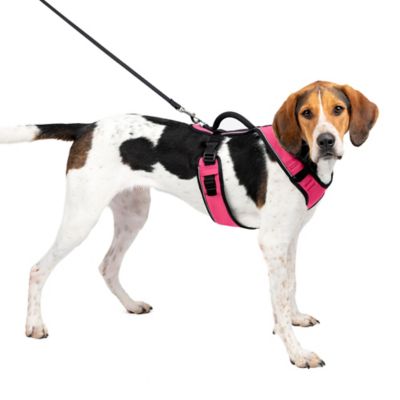
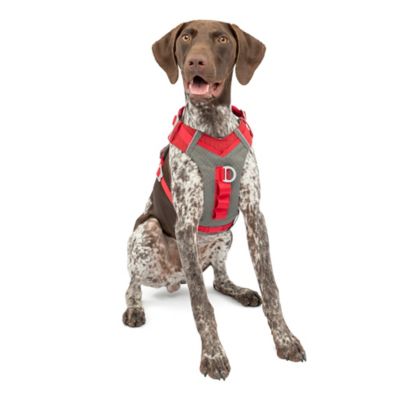
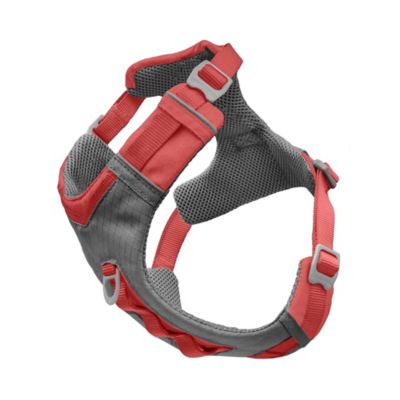
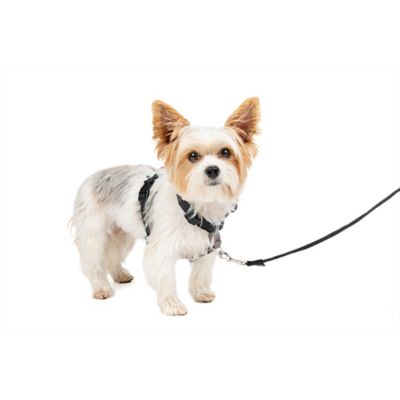
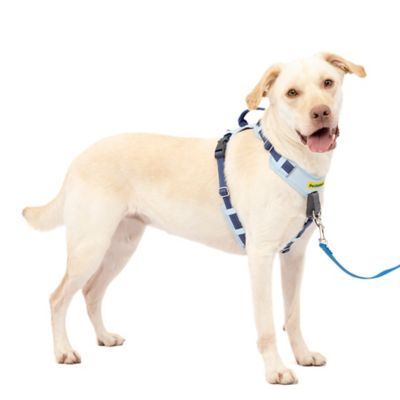
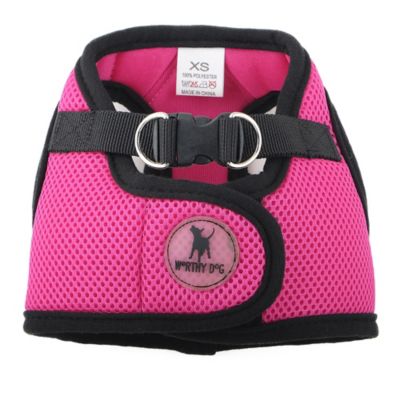
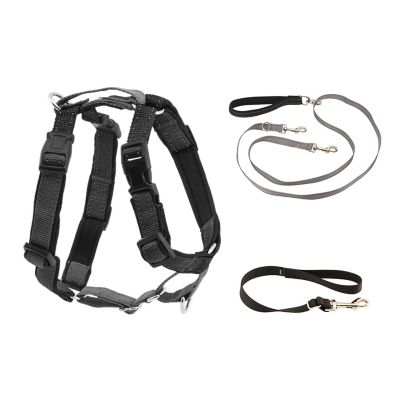
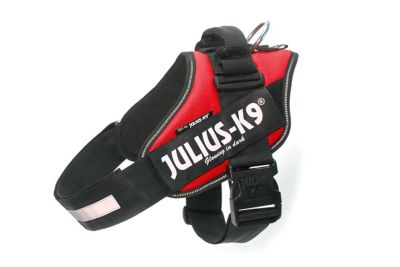
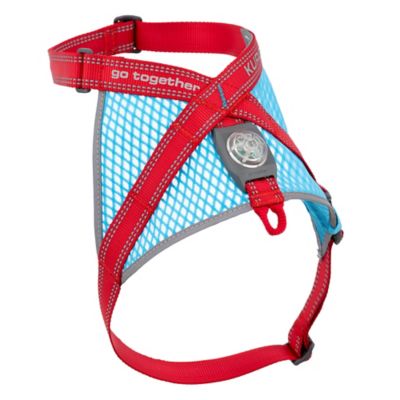
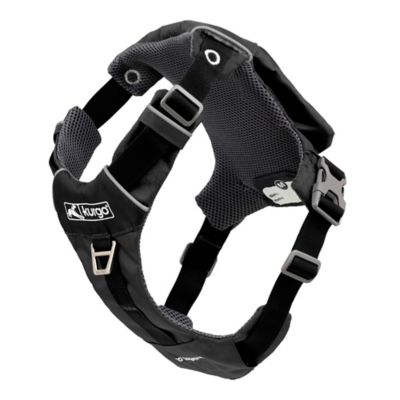
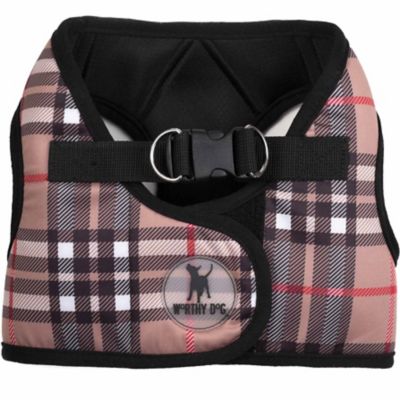
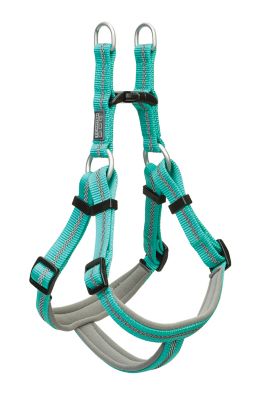
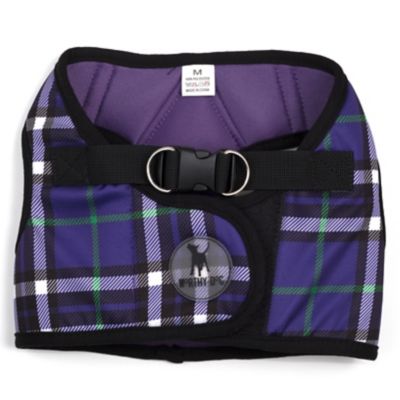
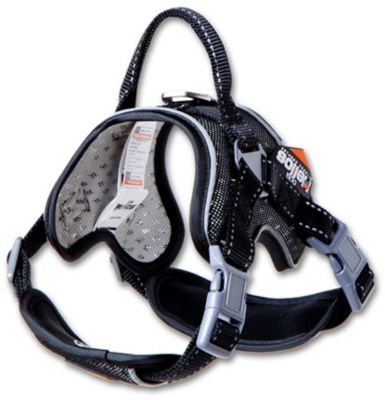
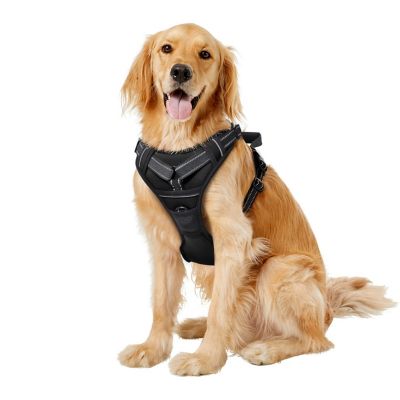
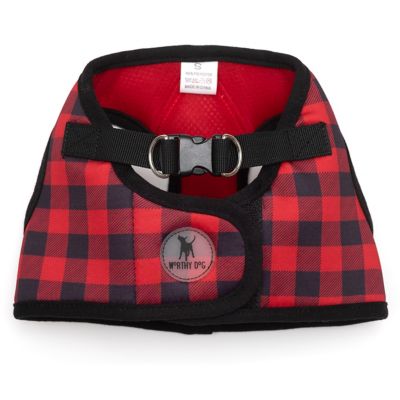
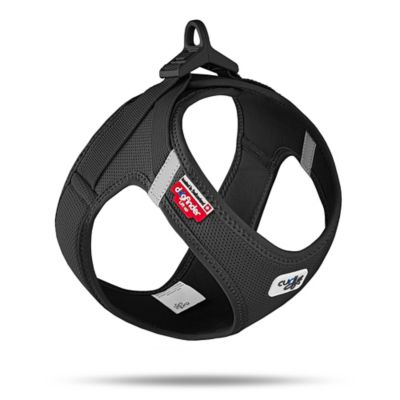
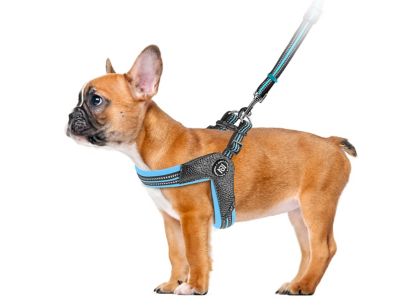
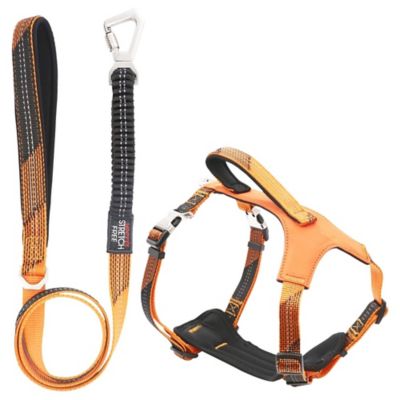
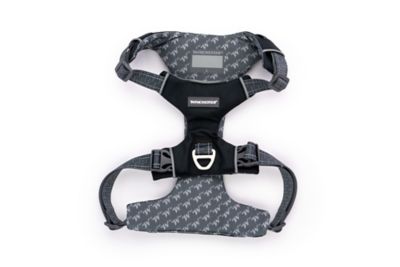
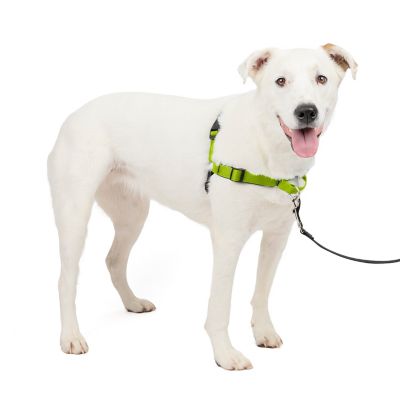
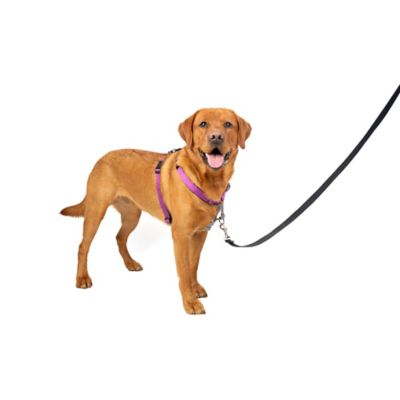
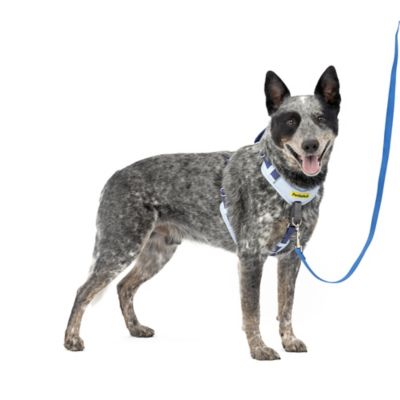
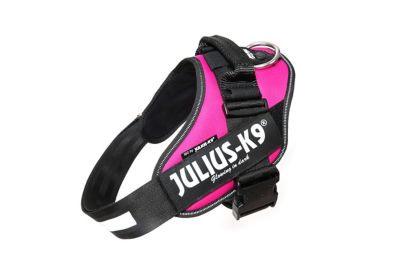
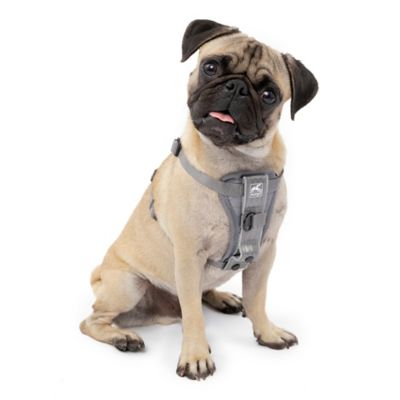
A reflective dog harness can help make everyday walks easier to see and manage, especially when daylight fades earlier and you’re heading out before sunrise or after supper. Reflective material catches the beam from headlights, flashlights, and porch lights, helping your dog stand out against a dark road, driveway, field edge, or wooded trail. These harnesses are useful for country properties where roads may have little shoulder, as well as neighborhoods with steady traffic and limited street lighting. They can also be handy around campgrounds, hunting cabins, farm lanes, and busy parking areas. A reflective dog harness does not replace a leash, supervision, or other safety measures, but it adds a helpful layer of visibility when your dog is walking near vehicles or moving through dim spaces. Some styles use reflective stitching woven into the fabric, while others have reflective strips or panels placed across the chest, back, or sides. Woven reflective threads may hold up well to regular use, while broad reflective tape can provide a bold flash when light hits it. Visibility can vary by design, coat color, and the direction your dog is facing, so look for reflective details that can be seen from more than one angle. For pitch-black areas where there may be no passing light to reflect, an LED collar, clip-on light, or other lighted accessory may offer a useful companion to a reflective dog harness. A harness with both reflective features and a dependable fit can be a practical choice for dogs that join their people on evening walks, outdoor chores, travel days, or weekend adventures.
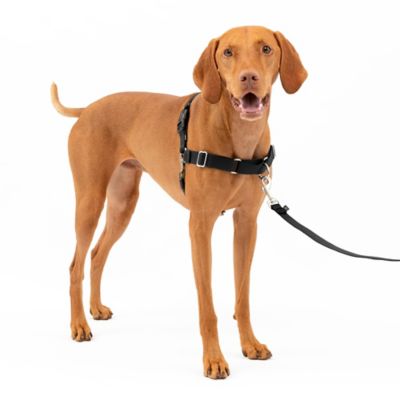
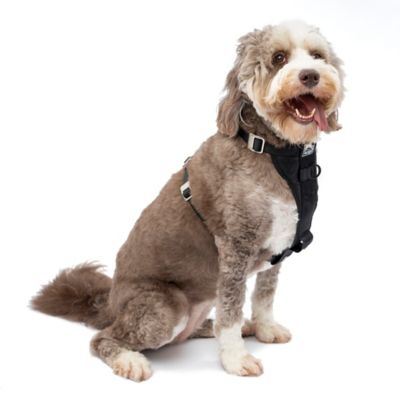
Fit should be at the top of the list when choosing a reflective dog harness. Measure around the widest part of your dog’s chest, usually just behind the front legs, and check that measurement against the sizing information for the harness. Neck, chest, and weight guidelines can all help, but the chest measurement is especially important because dogs with the same weight may have very different builds. The harness should be snug enough that your dog cannot back out of it, yet loose enough to slide two fingers between the straps and your dog’s body. Check around the armpits and behind the elbows for rubbing, pinching, or straps that shift while walking. Adjustable points can help you get a better fit on a narrow-chested dog, a broad-bodied dog, or a growing young dog, though adjustments should be checked regularly. Soft padding, mesh, or neoprene lining may help reduce chafing and can feel more comfortable during longer walks. A lightweight design may suit warm afternoons and active dogs, while a little extra coverage can be welcome during cooler conditions. If your dog pulls, a front leash ring can help redirect some of that forward motion and give you more control; a back ring is often a simple choice for relaxed walks and everyday outings. Some harnesses include both front and back rings, letting you choose the setup that best matches your dog’s manners and the situation. A top handle can provide quick control when stepping off a trail, guiding your dog past another animal, or moving through a crowded area. It should be treated as a control aid, not a substitute for a properly secured leash. Before heading out, give each buckle, clip, adjustment point, and leash ring a quick look. A harness that is clean, secure, and properly fitted is more comfortable for your dog and easier for you to handle.
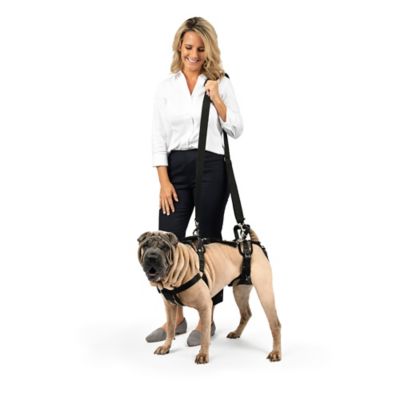
Reflective dog harnesses can be a thoughtful gift for a new dog owner, a neighbor who walks before dawn, or a family that spends time camping, traveling, or working around a rural property. They’re also practical for senior dogs whose evening strolls have become shorter but still matter, and for active dogs that accompany their owners on cool-weather walks. For more ideas about comfortable support and fit for aging pets, browse
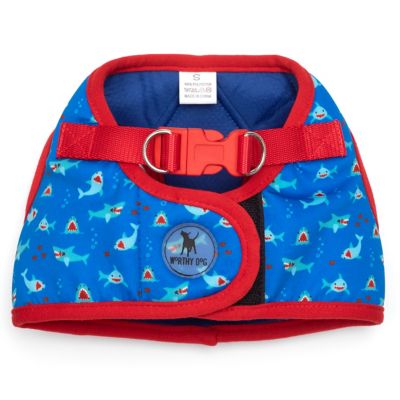
Best Dog Harness for Older Dogs. When selecting a harness as a gift, a gift receipt or easy exchange option can be helpful because the right size depends on the dog’s measurements, body shape, and coat. Think about the dog’s usual routine, too. A small companion who stays close on paved sidewalks may need a simple, lightweight step-in style, while a strong dog that walks beside a barn, along a gravel road, or through a wooded area may benefit from wider straps, multiple adjustment points, and a sturdy top handle. A step-in harness can be convenient for dogs that dislike having gear pulled over their head, while an overhead style may offer a more secure feel for dogs that try to slip free. Introduce any new harness slowly at home, allowing your dog to sniff it and wear it for a few minutes before starting a full walk. Watch for rubbing, restricted movement, heavy panting, or signs of discomfort, and make adjustments as needed. Reflective details work best when they are kept clean and free of mud, dust, and thick hair; follow the care instructions and inspect the material after rough play or regular washing. Pairing a reflective dog harness with an identification tag, a sturdy leash, and a lighted accessory can help create a well-rounded setup for darker walks. Whether your route runs past the mailbox, around the pasture, or down a neighborhood sidewalk, the right harness helps keep your dog comfortable, visible, and close at hand during the cooler months.