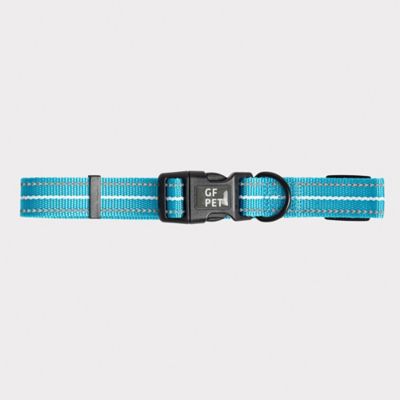
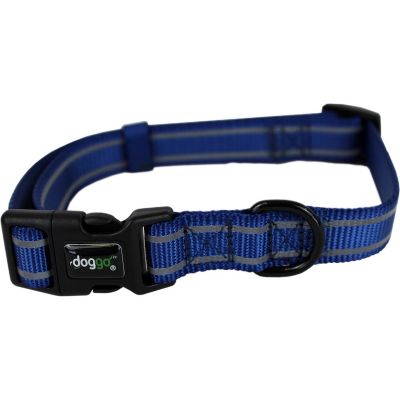
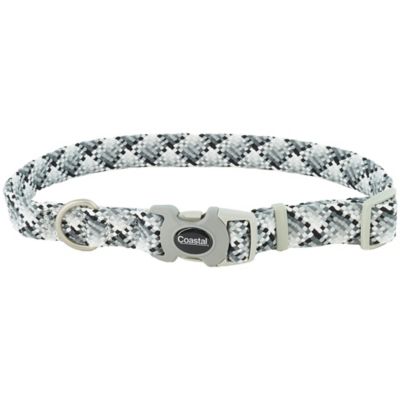
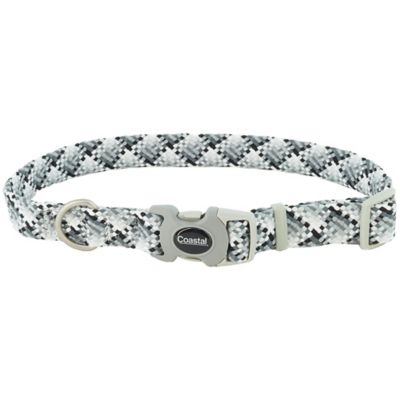
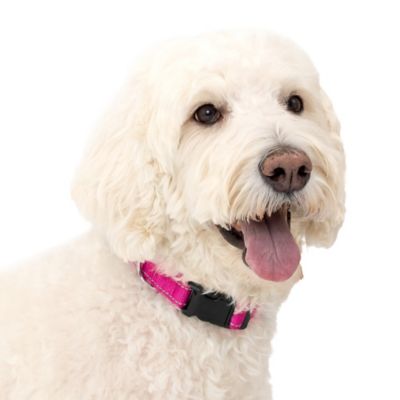
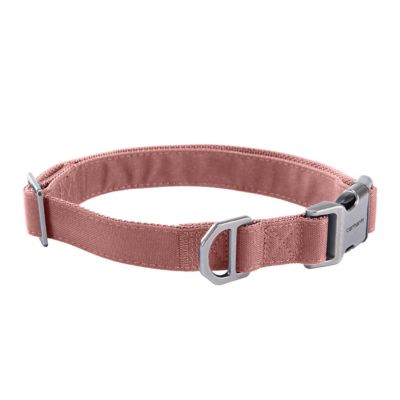
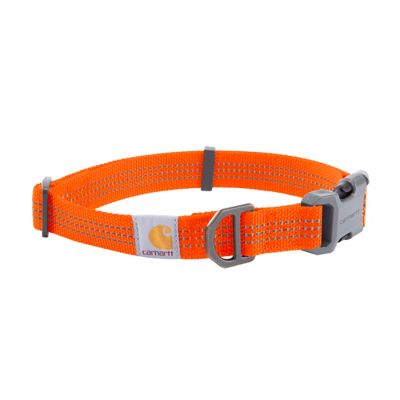
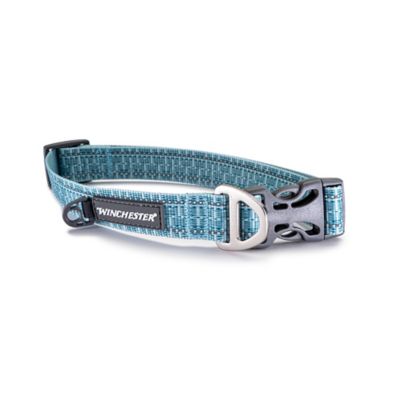
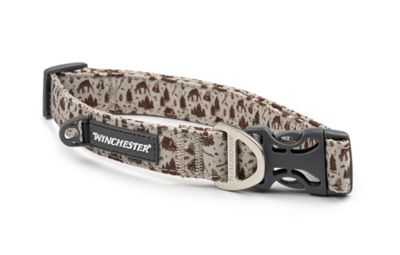
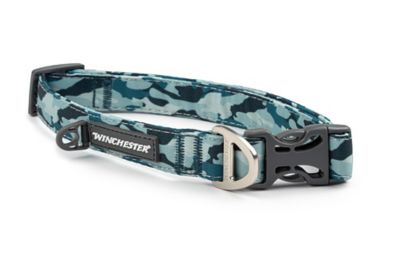
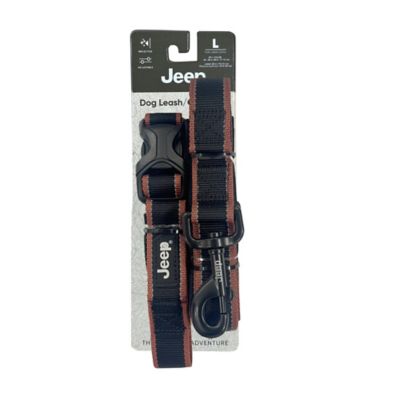
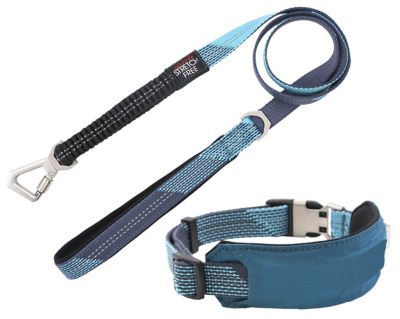
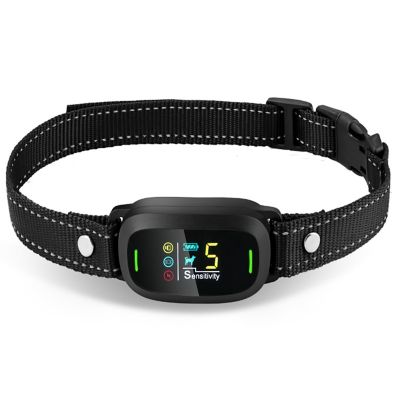
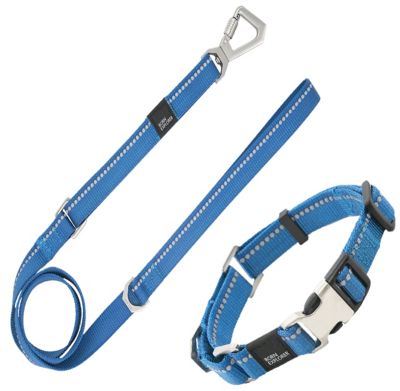
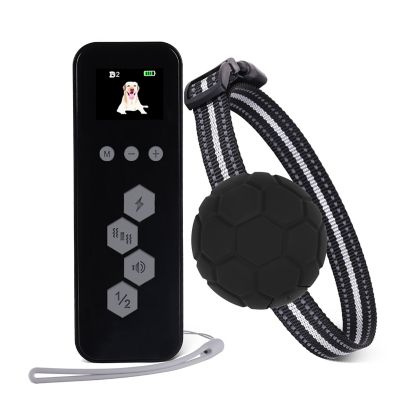
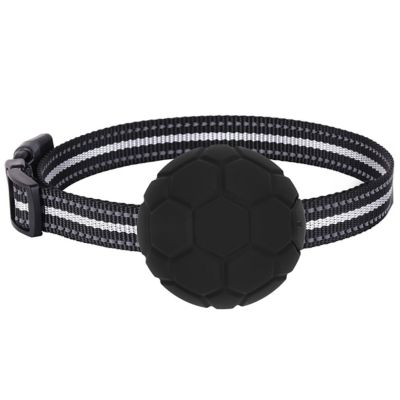
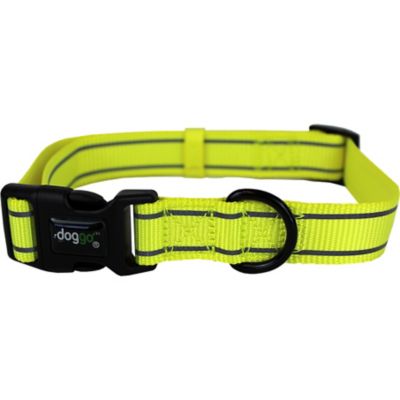
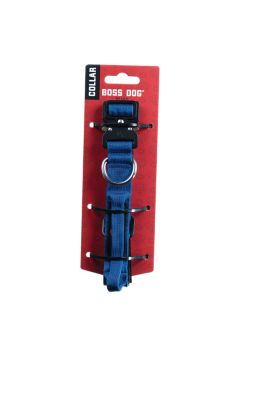
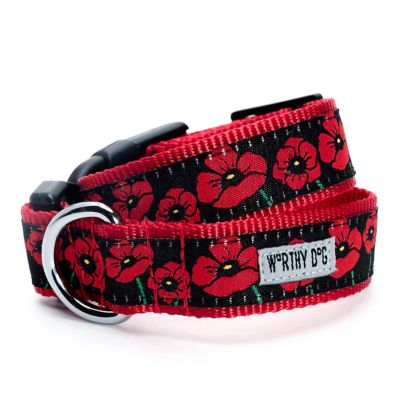
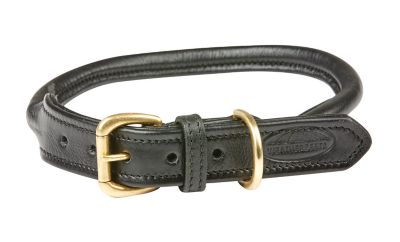
Reflective dog collars are a simple, practical way to help your dog stand out during early-morning walks, evening trips around the property, and nighttime potty breaks. Reflective material is made to bounce light from headlights, flashlights, and porch lights back toward the source, making your dog easier to spot when daylight fades. That extra visibility can be especially helpful along country roads, near driveways, around campsites, or on paths where the light changes quickly under trees and buildings. As the weather warms, many families spend more time outside with their dogs, while the cooler months bring longer stretches of darkness around morning and supper time. A reflective collar fits both routines without needing batteries or charging, and it can be worn during ordinary daytime walks as part of your dog’s regular gear. Look for collars made with reflective tape, woven reflective threads, or other high-visibility material that catches light from different angles. Some collars use bright colors along with reflective sections, giving you another way to keep track of a dog in tall grass, a dim barnyard, or a busy yard. Reflective collars can suit family pets, hunting and farm dogs, dogs that travel in the truck, and older dogs that stay close to home but still need to be easy to see after dark. They also make a thoughtful gift for a new dog owner, a neighbor who walks before sunrise, or anyone who enjoys camping, fishing, hiking, or spending time outdoors with a four-legged companion. A collar does not replace a leash, supervision, or safe habits around traffic, but it can add a useful layer of visibility to the everyday gear you already rely on.
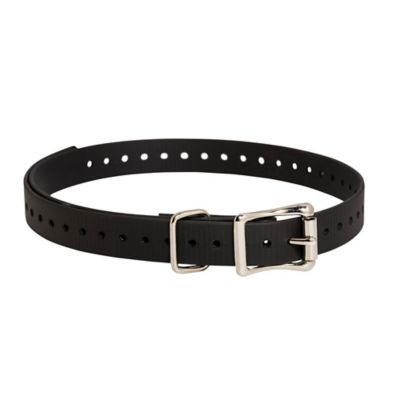
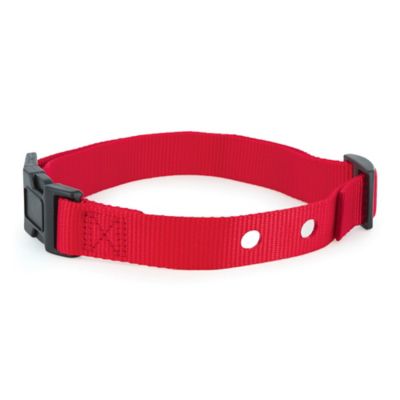
Fit and construction matter just as much as the reflective surface. Start by measuring your dog’s neck with a soft tape, or use a strip of string and measure it against a ruler. The collar should sit comfortably without sliding over the head, while still leaving room to place two fingers between the collar and your dog’s neck. Check the manufacturer’s size range, since widths and adjustment points can vary even when two collars appear similar. A half-inch collar may feel less bulky on a small dog, while a wider one-inch style can offer a little more presence on a large dog, provided it fits comfortably and does not restrict movement. Consider your dog’s coat, too. A thick-coated dog may need additional adjustment room, while a short-haired dog may be more comfortable in a lighter, lower-profile design. Sturdy hardware is worth a close look for dogs that pull, roam, or spend time outdoors. A dependable D-ring gives you a place for a leash and identification tags, and a solid side-release buckle should close securely while remaining easy for you to operate. Nylon is a common choice because it is lightweight, flexible, and easy to clean. If your dog swims, splashes through muddy water, or regularly works around wet ground, waterproof or coated webbing may be more convenient and less likely to hold moisture. Even a durable collar should be checked from time to time for frayed stitching, cracked hardware, stretched adjustment points, or reflective sections that have worn down. Keep identification tags current, and make sure the collar is not rubbing behind the ears or under the jaw. For dogs that spend time in complete darkness, a
Led Dog Collar can provide an active glow, while a reflective collar is useful when a light source needs to bounce off the material. Some owners use one visibility option at home and another for wooded trails or roadside walks, depending on the setting.
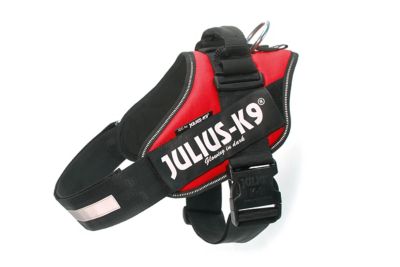
Think about how and where your dog will wear the collar before choosing the best style for your routine. A family dog that walks around the neighborhood may need a comfortable everyday collar with clear reflective panels and room for tags. A farm dog may benefit from tough, washable materials that can handle dust, rain, brush, and repeated trips in and out of the house. For travel, a reflective collar can make it easier to locate your dog near a campsite, cabin, trailer, or unfamiliar yard, especially when the ground is uneven and the surroundings are not well lit. Dogs that chase wildlife, wander toward the edge of a property, or accompany their owners during chores may be easier to keep track of when their collar catches the beam of a flashlight. Keep in mind that reflective gear works best when light reaches it, so it may be less noticeable in a fully dark area with no nearby headlights or flashlight. Pairing the collar with a leash, a properly fitted harness when needed, updated identification, and a secure fence helps create a more dependable setup. Before heading out, take a quick look at the buckle, leash ring, and adjustment points, then give the collar a wipe if it has picked up mud or dust that could cover the reflective material. With the right fit and a design suited to your dog’s size and daily habits, a reflective dog collar can become one of those small pieces of gear you reach for without thinking—the collar hanging by the back door, ready for a quiet walk beneath a fading sunset, a late trip across the yard, or a crisp morning when the headlights are still on.