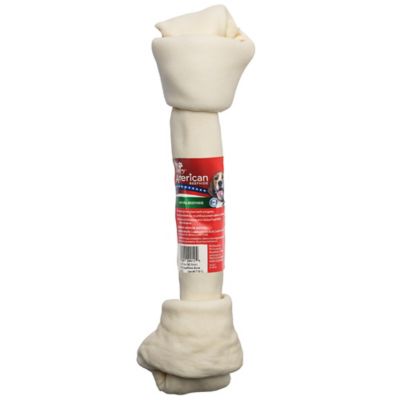
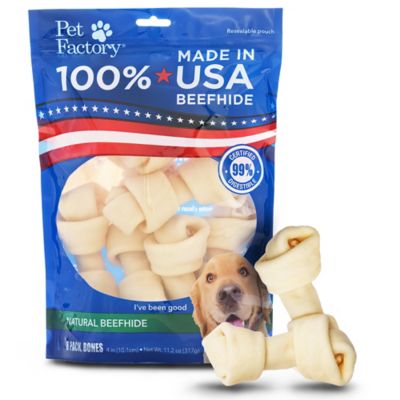
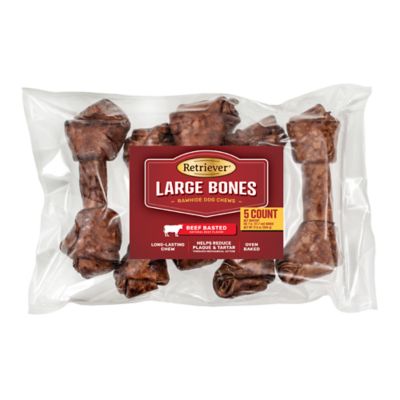
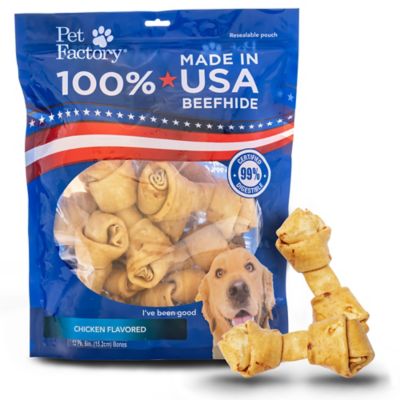
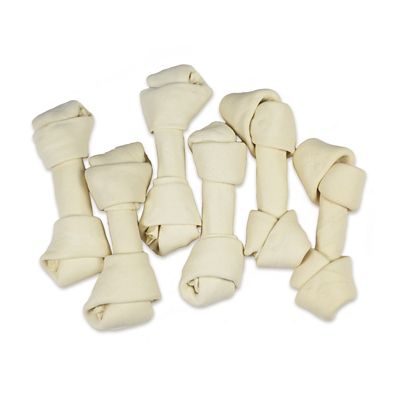
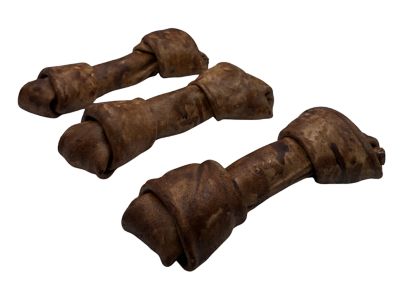
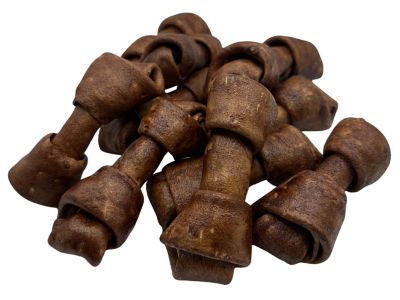
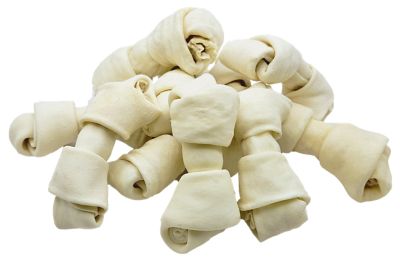
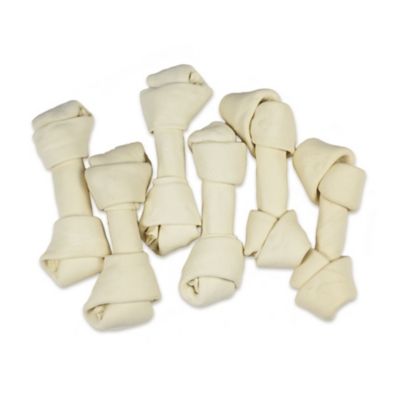
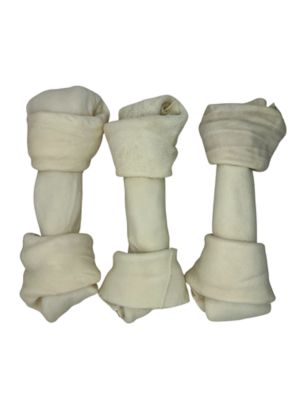
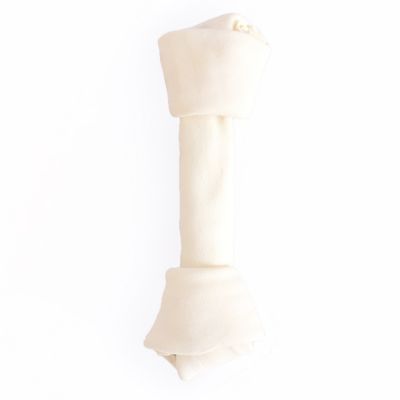
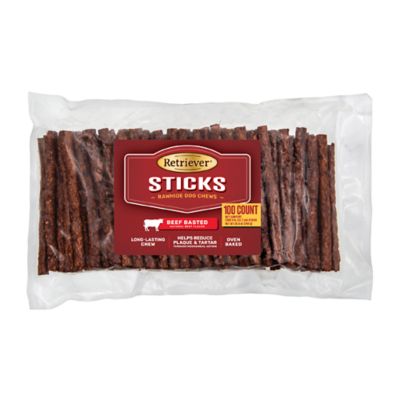
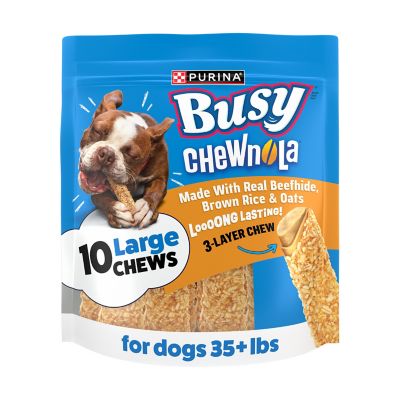
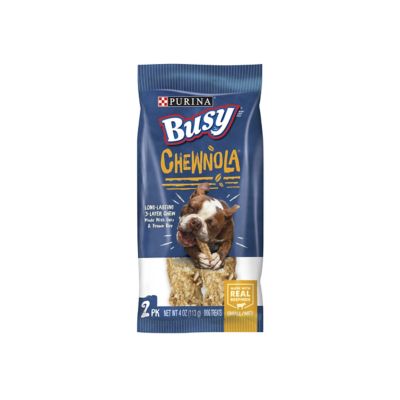
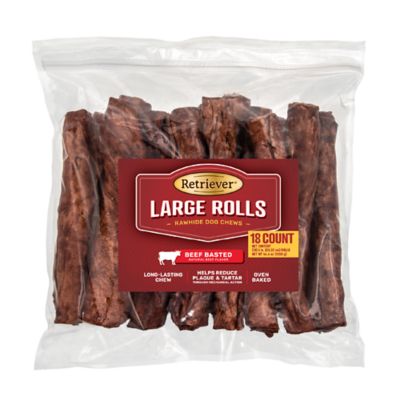
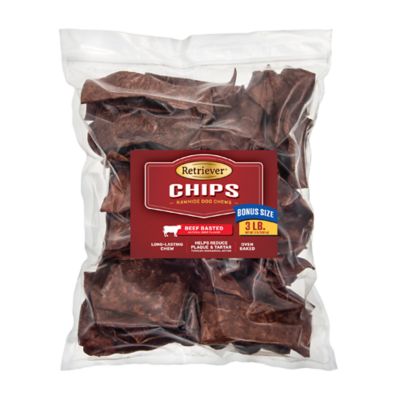
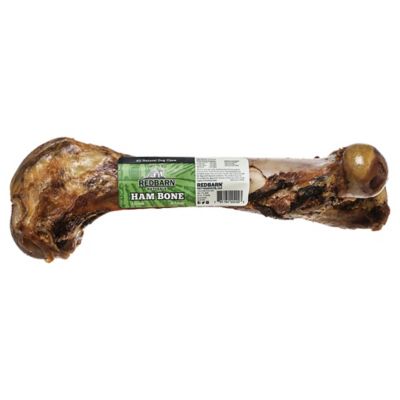
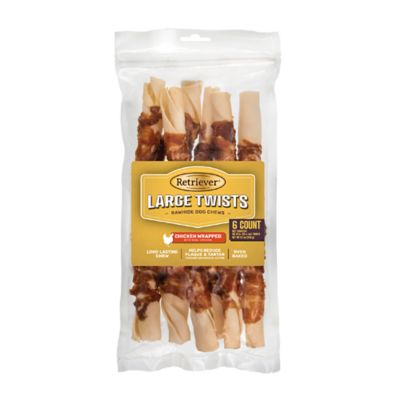
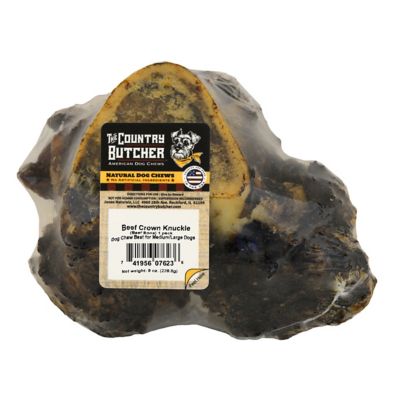
Rawhide bones are dog chews generally made from the inner layer of animal hide, most often cattle hide, that is cleaned, shaped, and dried. Their firm texture gives dogs something to work on with their jaws, making them an option for supervised chewing rather than a meal or a quick snack. Despite the name, a rawhide bone is not an animal bone; its familiar shape comes from folded, rolled, pressed, or knotted hide. Those differences in construction affect how a chew feels in a dog’s mouth and how it comes apart. A tightly compressed shape may behave differently from a loosely rolled one, while knotted ends give a dog thicker sections to grip between the front paws. Plain rawhide and flavored varieties also differ in ingredients, so the label matters as much as the shape. Coatings, added proteins, and other ingredients deserve a closer look for dogs with food sensitivities or restricted diets. Chewing time varies with the dog’s size, jaw strength, and habits, along with the thickness and construction of the rawhide. A chew that keeps one dog busy for a while may disappear much faster with another, so no shape or size guarantees a set amount of chewing time. For a dog that likes to settle beside the kitchen table after a walk or stretch out on a mat while chores wrap up, an appropriate chew can provide an outlet for that natural urge to gnaw. Rawhide is an occasional addition to a dog’s routine, not a replacement for balanced food, exercise, training, or time with people. The chewing action may help rub away some surface buildup on teeth, but rawhide does not replace brushing or veterinary dental care. Dental benefits depend on the individual chew and the way the dog works on it, rather than simply having a bone shape. That makes the dog’s habits a better starting point than appearance alone.
Fit means more than matching a package to a weight range. A rawhide bone needs to suit the dog’s mouth, life stage, and chewing behavior, with enough size that the whole chew cannot easily slip into the mouth or be swallowed. Package sizing and feeding directions provide a starting point, but a broad-headed dog and a narrow-muzzled dog of similar weight may handle the same shape differently. Thickness matters, too: a large-looking bone with thin sections can soften and separate differently from a more compact form. Dogs that patiently scrape and gnaw have different needs from dogs that clamp down, tear off chunks, or try to gulp the last piece. Rawhide can pose choking and digestive blockage risks, especially when a dog swallows large pieces, and it is not a good match for every chewer. For a dog that gulps treats or has a history of swallowing objects, a veterinarian can help assess whether rawhide belongs in the routine at all. Puppies, older dogs, and dogs with sore mouths, damaged teeth, or digestive conditions also need individual consideration. Supervision means staying close enough to notice when the texture changes, a knot loosens, or a piece becomes small enough to swallow. Once a chew becomes soft, slippery, heavily frayed, or broken into chunks, it is time to take it away. An unattended kennel, an empty truck cab, or the yard while everyone is busy elsewhere is not the place for a rawhide session. In a home with several dogs, separate chewing spaces can help prevent competition that encourages hurried swallowing. A quiet spot on a washable mat also makes it easier to see fallen pieces and keep the chew away from other animals. Trouble breathing, choking, repeated vomiting, or signs of abdominal pain after chewing call for prompt veterinary attention. These considerations help separate a suitable chewing activity from a poor fit, even when two dogs seem equally enthusiastic about the same bone.
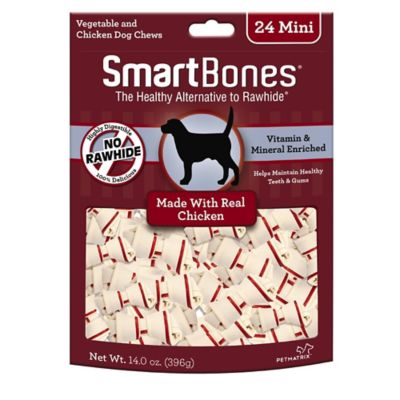
Care and storage help keep rawhide chews suitable for their intended use. Unopened packages belong in a clean, dry place away from feed spills, household chemicals, and animals that might help themselves. After opening, follow the package directions for resealing and storage rather than leaving chews loose in a tack room drawer or an open bucket beside the dog food. Moisture, dirt, and repeated handling can affect a chew’s condition. Rawhide that smells off, shows mold, or has become contaminated should go in the trash, and hands and chewing surfaces need cleaning after handling. A partly chewed bone needs attention before another session; drying out does not undo contamination or make a small leftover piece suitable again. Flavored coatings may leave marks on rugs, upholstery, or bedding, so a washable surface is a practical choice for a dog that carries treats to a favorite resting spot. Fresh drinking water should be within reach, though water does not prevent choking or make swallowed chunks harmless. Treat calories count toward the day’s food intake, and feeding directions or veterinary advice can help keep extras in proportion. For dogs that need a different chewing option,
Non Rawhide Dog Chews offers another category to consider. Rawhide-free does not automatically mean risk-free, and alternatives still need to match the dog’s size, teeth, diet, and chewing style. Ingredients and feeding directions remain important whichever type of chew fits the household. When choosing chews as a gift for someone else’s dog, checking with the owner about food restrictions and chewing habits is more helpful than guessing from the dog’s size. The best match is not necessarily the biggest bone or the one with the most elaborate shape. It is a chew whose materials, dimensions, and construction fit the individual dog, with an attentive person nearby and a sensible place to settle down. That combination keeps the focus where it belongs: giving a dog an appropriate outlet for chewing as part of everyday life.