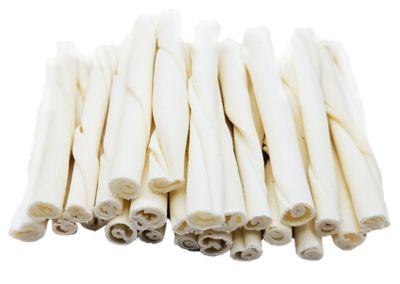
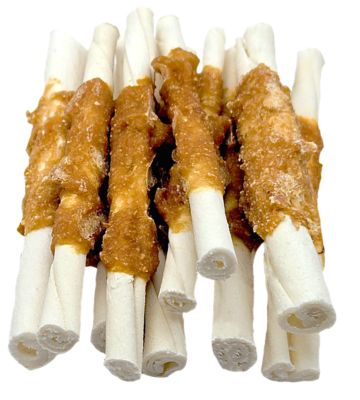
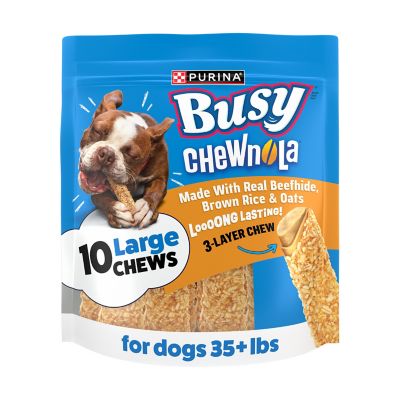
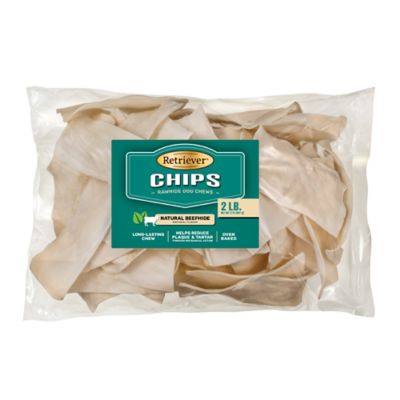
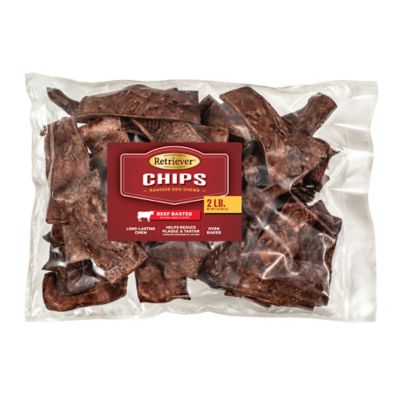
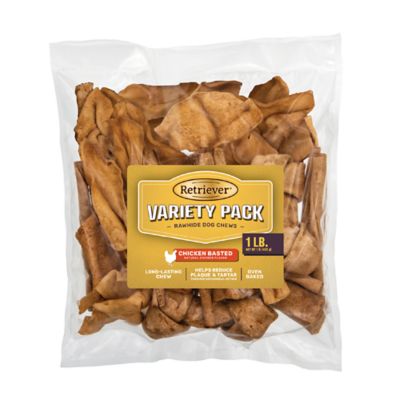
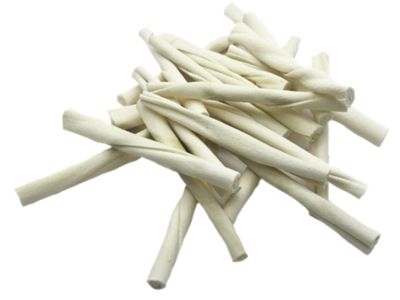
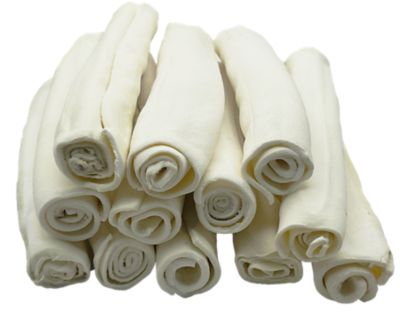
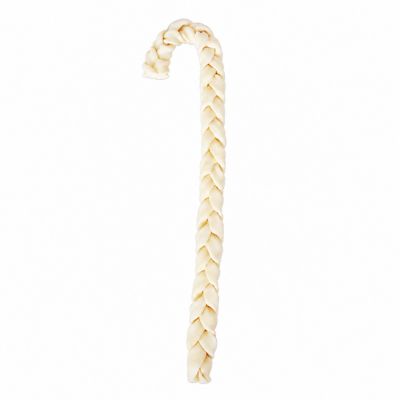
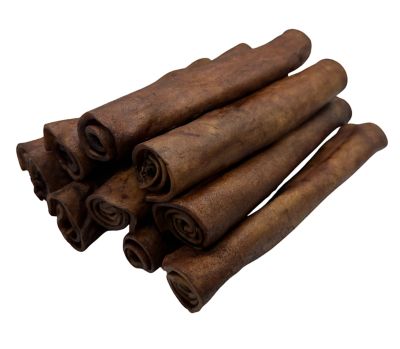
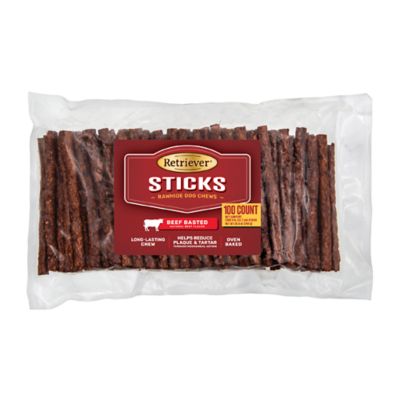
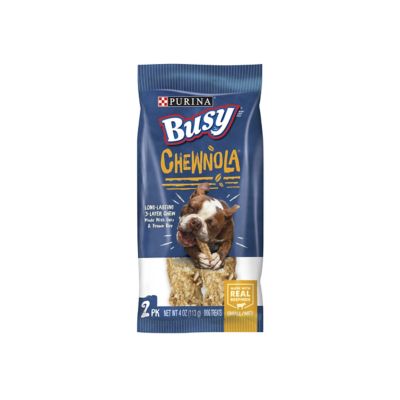
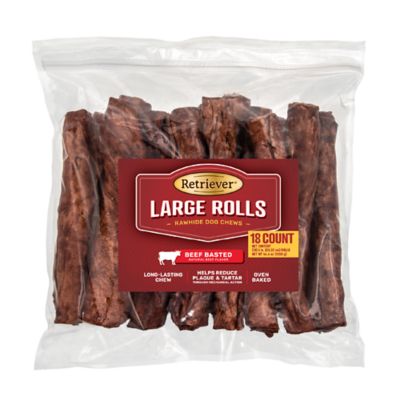
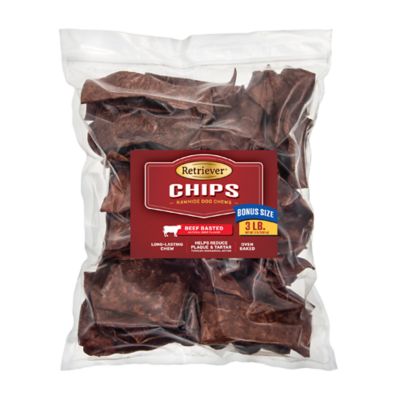
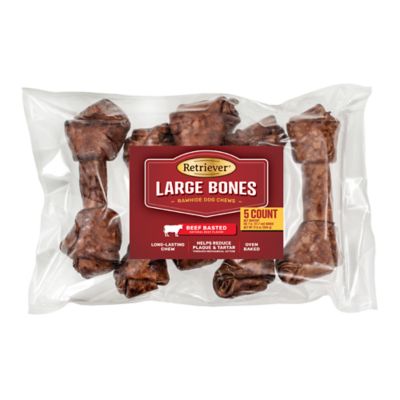
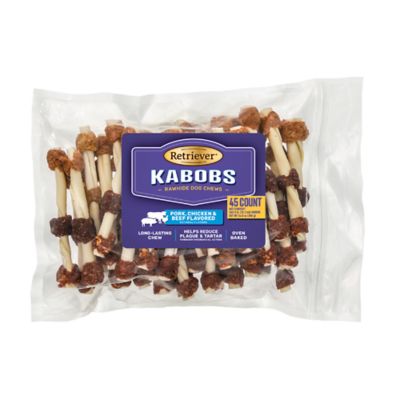
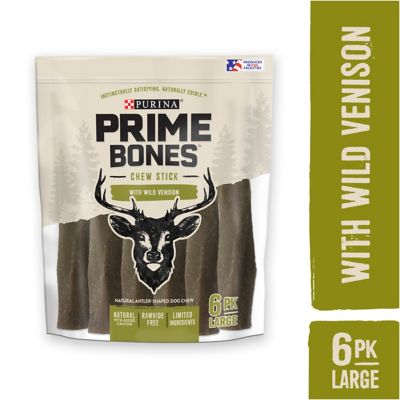
Rawhide dog treats are chews made from the inner layer of animal hides, most commonly cattle hides, that are cleaned, shaped and dried. Their firm texture gives dogs something to work on with their jaws, and the material gradually softens as they chew. Rawhide is different from a soft training treat: it is meant for supervised chewing rather than a quick reward between commands. Rolled, knotted, flat and pressed shapes offer different chewing surfaces, while thickness and construction affect how a chew holds together. A tightly formed chew may take more effort to work through than a thin piece, but chewing time depends heavily on the dog. A patient nibbler and a determined gulper can handle the same shape very differently. Rawhide dog treats fit best into a routine that already includes exercise, play and time with the family, rather than taking the place of those activities. After a walk along the fence line, a dog may enjoy settling onto a mat beside someone with a chew to work on. That close-by spot also makes it easier to keep an eye on how the treat changes as it softens. Ingredients matter as much as shape. Plain rawhide and rawhide with added flavor can have different ingredient lists, and a meat-flavored coating does not necessarily mean a chew contains only hide and meat. Labels help identify flavorings, colors and other ingredients that may matter for a dog with food sensitivities. Country-of-origin information and processing details can also help households compare options without judging by appearance alone. A pale color, darker surface or strong scent does not tell the whole story about a chew. Rawhide is a treat, not a complete food, and it does not replace balanced meals or regular dental care. Chewing may help rub away some surface buildup, but brushing and veterinary dental checks still have a place in a dog's routine.
The right fit for rawhide dog treats involves more than choosing a shape that looks about right beside the food bowl. A dog's mouth size, age, teeth and chewing habits all matter. Package size and weight recommendations provide a starting point, but an individual dog's behavior deserves just as much attention. A larger dog may gently scrape at a chew, while a smaller dog may tear off sections and try to swallow them whole. A chew should be large enough that the dog cannot put the entire piece in its mouth, and it needs to be taken away once it becomes small enough to swallow or develops loose sections. No size or shape removes the risks of rawhide. It is not readily digested, and swallowed pieces can cause choking or become lodged in the digestive tract. Softening does not make a large piece harmless to swallow. Dogs that gulp treats, guard chews or quickly pull off chunks may need a different kind of chewing option. Puppies, older dogs, dogs with damaged teeth and dogs with a history of digestive trouble also need extra consideration before rawhide becomes part of the routine. A veterinarian can help determine whether it suits the individual dog, especially when there are dental concerns, food allergies or previous swallowing problems. Close supervision means someone can see the dog's mouth and the condition of the chew, not simply that a person is somewhere nearby. A dog left in a kennel, out in the yard or alone while chores get done should not have rawhide without that attention. In homes with several dogs, separate chewing spaces can reduce competition that may lead to hurried swallowing. Practicing a calm trade for another reward can also make taking away a worn-down piece less of a fuss. Trouble breathing requires emergency veterinary care, while vomiting, belly pain or difficulty passing stool after swallowing rawhide warrants prompt contact with a veterinarian.
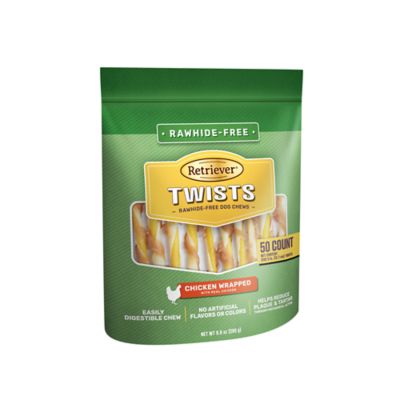
Storage and everyday handling also affect how rawhide dog treats fit into a household. Unopened packages belong in a cool, dry place away from moisture, direct sunlight and animals that might help themselves. After opening, the package directions should guide storage and handling, including whether the container needs to be resealed. A chew that has been in a dog's mouth is different from a dry piece straight from the package: saliva, dirt and moisture can collect on its surface. Follow any label directions for partially chewed rawhide, and discard pieces that smell off, show mold, become heavily soiled or break into loose fragments. A slobbery chew carried across the yard and dropped beside the water trough is not something to tuck back in with untouched treats. Washing hands after handling animal-based chews and cleaning the chewing area help keep things tidy, especially around children and food preparation spaces. A washable mat gives a dog a familiar place to settle and keeps damp rawhide off rugs and furniture. Treat calories count toward daily food intake, too, even when a chew lasts through more than one supervised sitting. Feeding directions and a veterinarian's advice can help account for treats without crowding out regular meals. For households comparing other materials,
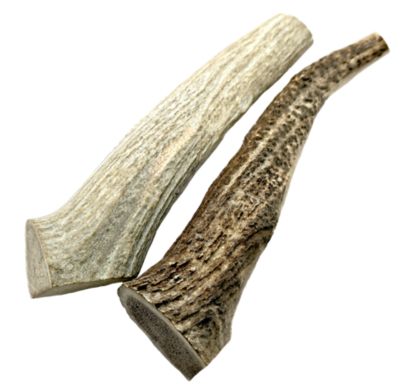
Non Rawhide Dog Chews provides another category to consider. Rawhide-free does not automatically mean suitable for every dog; ingredients, firmness, size and swallowing habits still matter. Hard chews can pose tooth risks, and any chew that breaks into swallowable pieces needs attention. When choosing treats as a gift for a friend's farm companion or a family member's dog, checking with the owner about diet and chewing style is more helpful than guessing from breed alone. The best match is a treat that suits the individual dog's mouth and habits, with clear label information and a household prepared to supervise each chewing session.