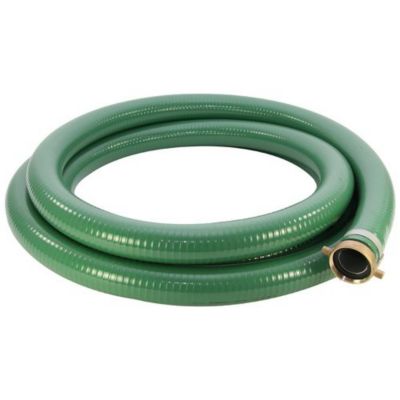
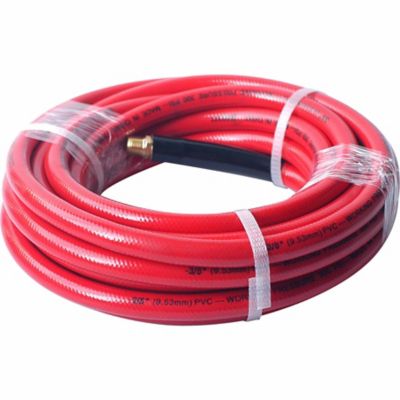
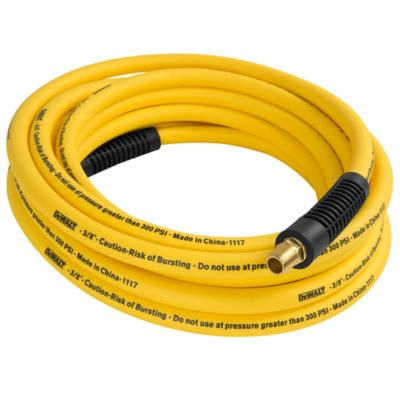
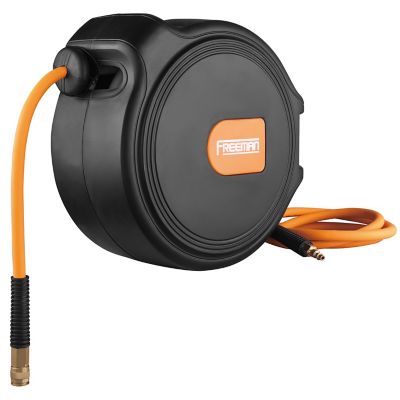
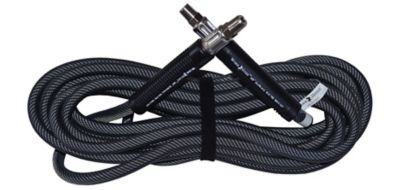
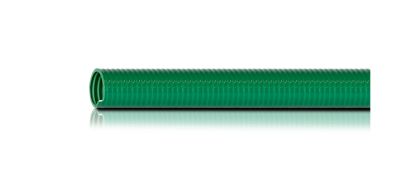
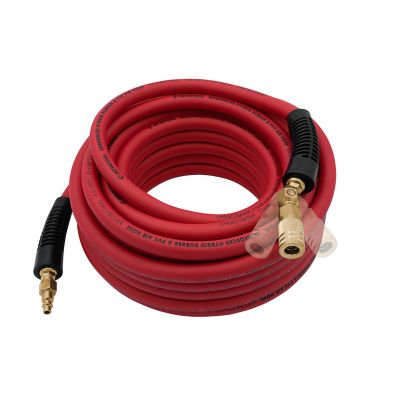
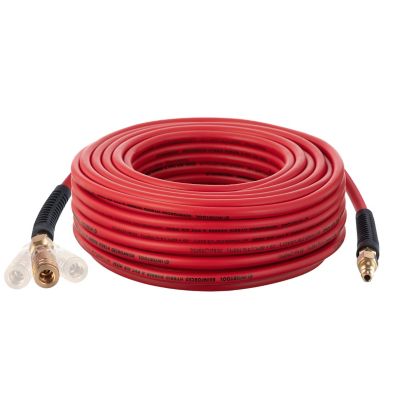
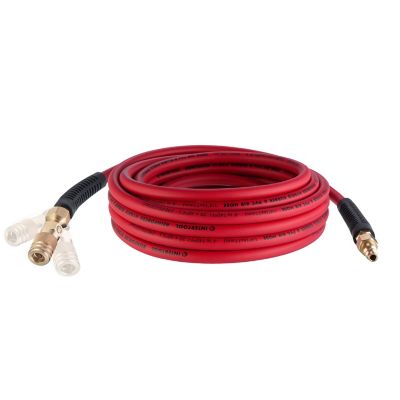
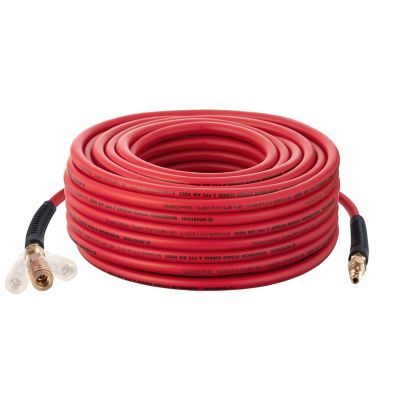
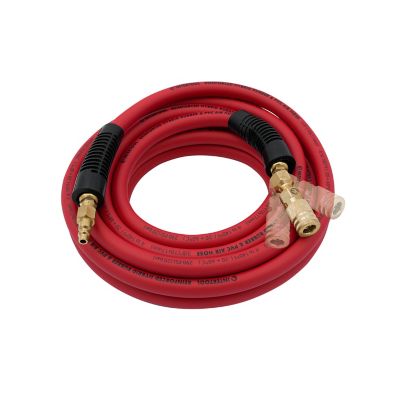
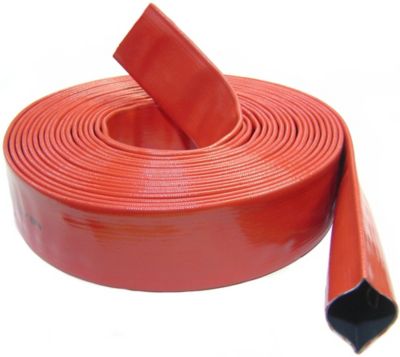
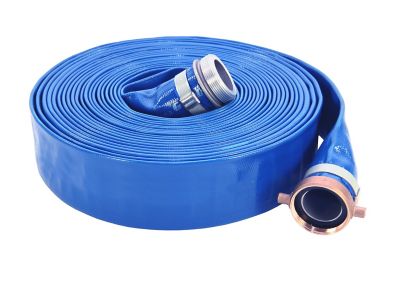
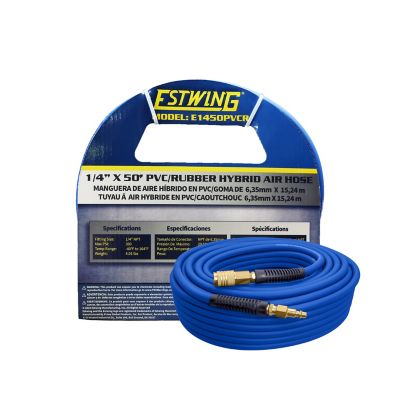
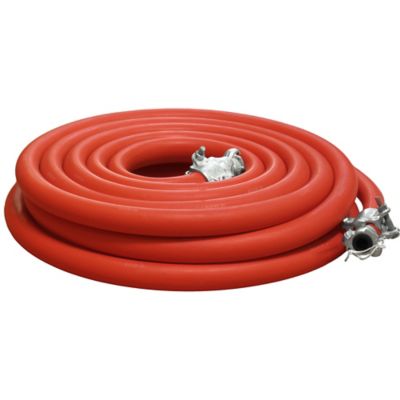
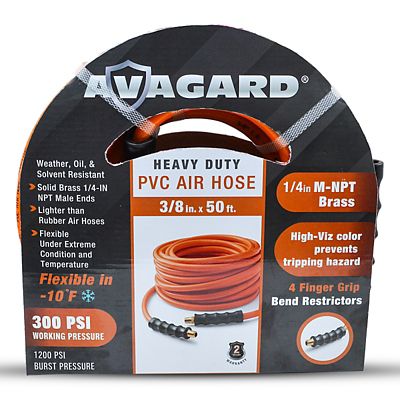
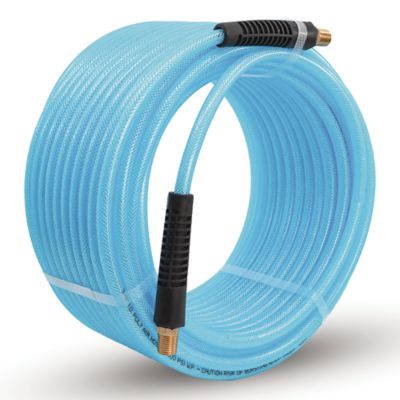
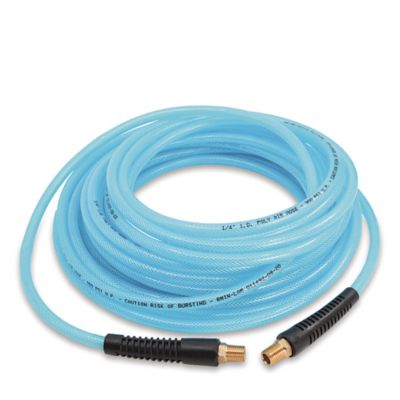
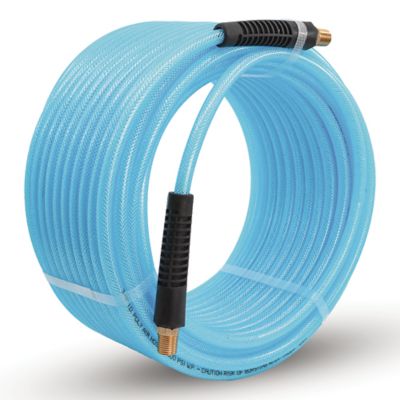
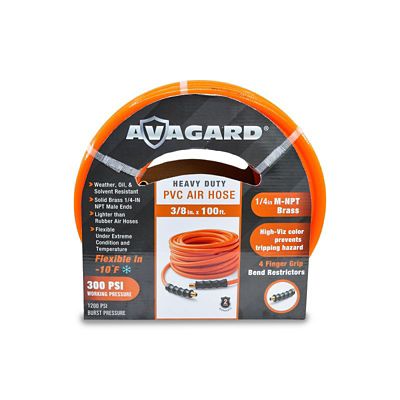
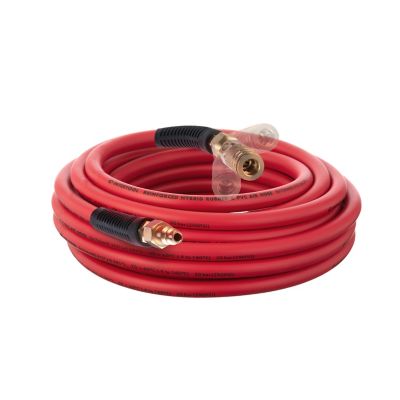
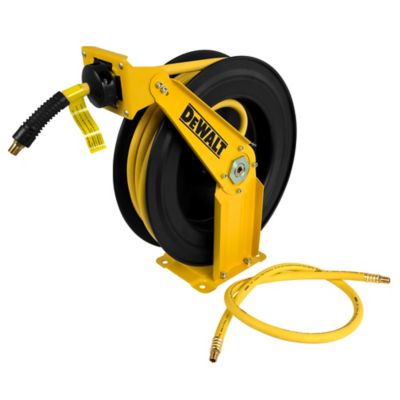
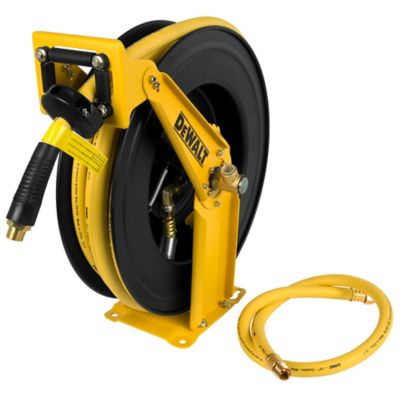
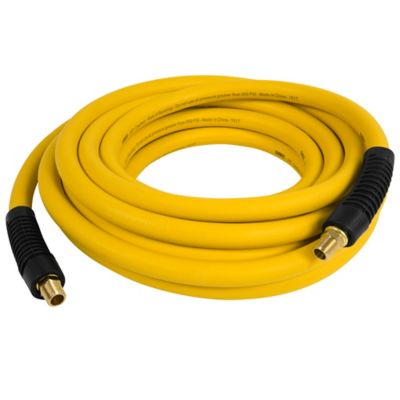
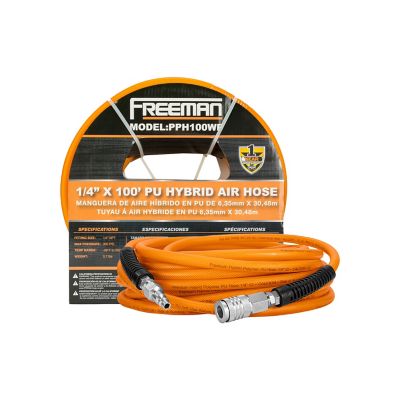
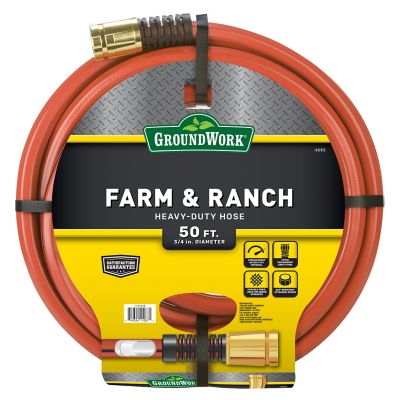
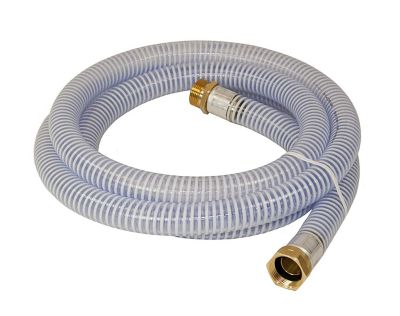
PVC air hoses give farm shops, garages, barns, and job sites a practical way to move compressed air from an air compressor to pneumatic tools. Their light weight makes a noticeable difference when an air line has to stretch across a driveway, follow you around a workbench, or reach from the shop wall to a trailer parked outside. Compared with heavier hose materials, PVC is often easier to carry, coil, and hang up at the end of a project. It can connect with many common air tools, including blow guns, tire inflators, nailers, staplers, impact wrenches, and spray equipment, as long as the hose fittings and pressure ratings match the compressor and tool. For many general shop tasks, a 3/8-inch inside diameter offers a useful balance between airflow and easy handling, while longer or larger-diameter lines may help supply tools that need more air. Check the hose label before buying, since pressure limits vary by construction, size, and temperature. Many standard PVC air hoses are rated for pressures as high as 300 PSI, but the correct working pressure is always the one printed by the manufacturer. The compressor, couplers, plugs, and tool should all be rated for the same service, and the hose should be connected with fittings that seat firmly without forcing the threads. A little planning at the counter can save a lot of frustration once a project is underway. Measure the distance from the compressor to the farthest work area, then allow enough extra length to move around a vehicle or piece of equipment without pulling on the connection. A hose that is too short can tug on fittings and limit your reach, while one that is much longer than needed may add extra loops across the floor. For a smaller garage or home workshop, a moderate length can keep the work area tidy. Around a larger farm shop, a longer line may make it easier to check tire pressure, clean out machinery, or run pneumatic tools beside a stock trailer. Keep an eye on airflow requirements as well. A brief burst from a blow gun places different demands on a hose than steady work with an air sander or paint sprayer. The tool’s CFM rating, the compressor’s output, and the hose’s inside diameter all play a part in how well the system performs.
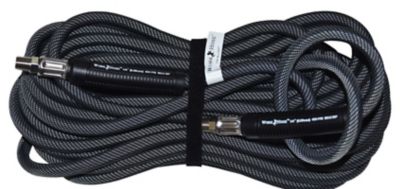
PVC brings several handy traits, though it also has a few habits worth planning around. It can become stiffer in cold weather, making it harder to uncoil and more likely to hold a bend. During the cooler months, let the hose warm gradually in a protected area before putting it to work, and avoid sharp bends when the material feels rigid. Kinking can restrict airflow and may shorten the hose’s service life, so lay it out in broad curves rather than tight corners. A hose reel, wall hook, or simple storage rack can keep it off the floor and away from nails, sharp metal edges, mud, oil, and direct sunlight when it is not in operation. Before connecting, look over the full length for cuts, crushed spots, worn fittings, or leaks, and replace a hose that shows serious damage. Do not drag it across rough concrete or pull equipment by the hose. In a busy barn or shop, color-coding lines or keeping them in separate locations can make it easier to grab the right air line without sorting through a tangled pile. If your work calls for a line that stays supple around corners or in changing temperatures, take a look at
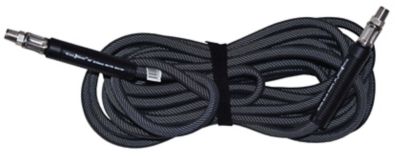
Flexible Air Hoses as another option. PVC air hoses can suit homeowners maintaining farm equipment, mechanics servicing trucks and tractors, contractors moving between work areas, and anyone keeping tires filled on trailers, lawn equipment, ATVs, or utility vehicles. They can also make a practical gift for someone setting up a first garage workspace, outfitting a hunting camp, or adding air tools to a farm shop, especially when paired with compatible couplers and a tire inflator. Store the line indoors or in a sheltered place when freezing conditions are expected, drain moisture from the compressor tank as recommended, and keep connections clean so the system starts smoothly when a tire is low or a repair calls for compressed air. With the right length, fitting style, pressure rating, and storage routine, a PVC air hose can become a handy part of everyday maintenance—from clearing dust off a workbench to topping off tires before a trip down a gravel road.