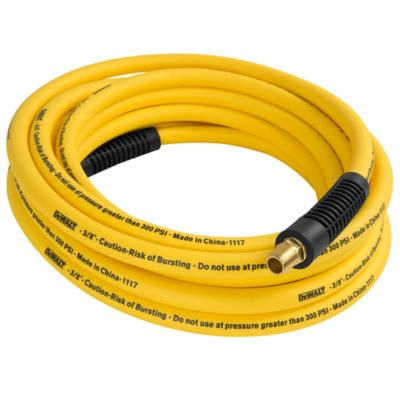
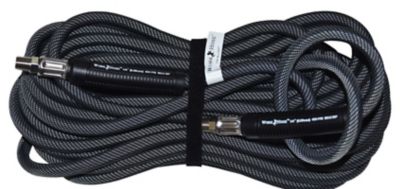
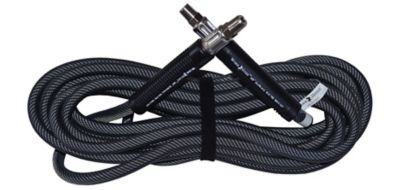
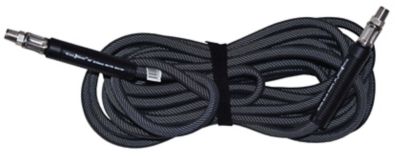
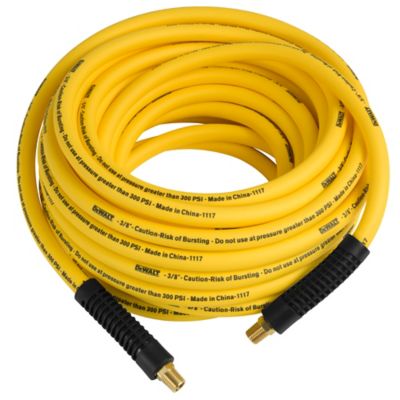
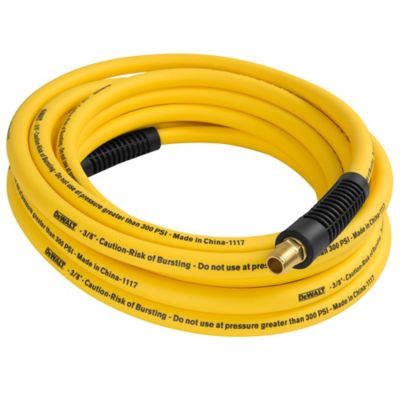
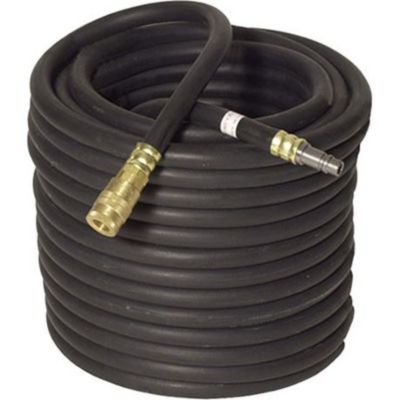
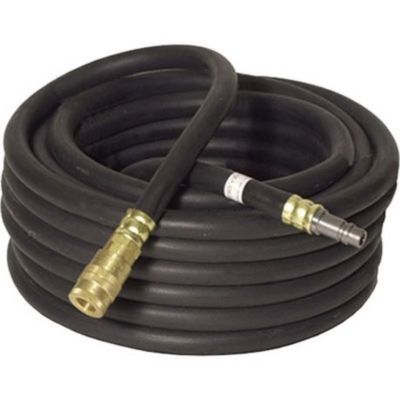
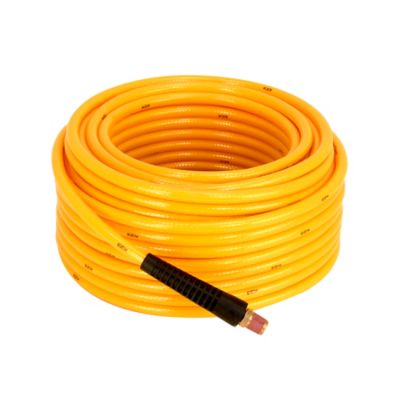
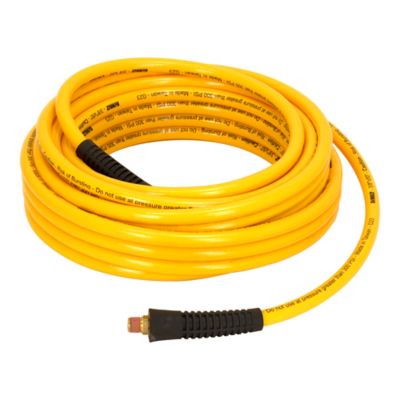
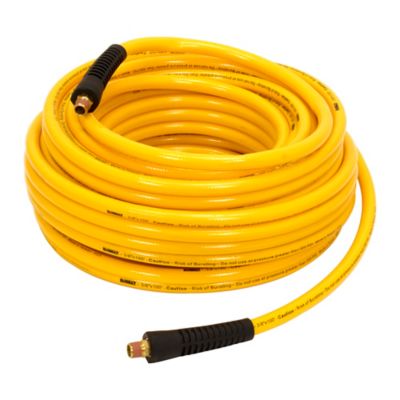
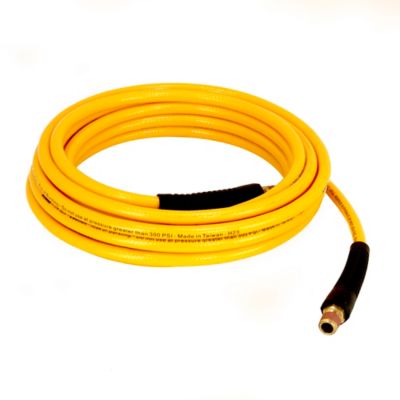
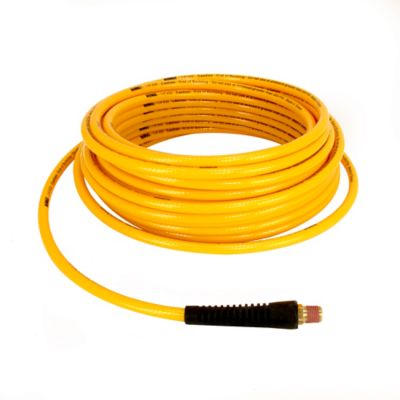
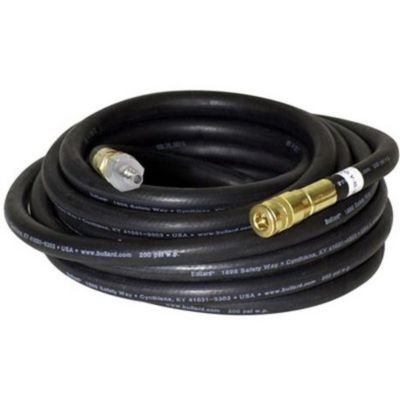
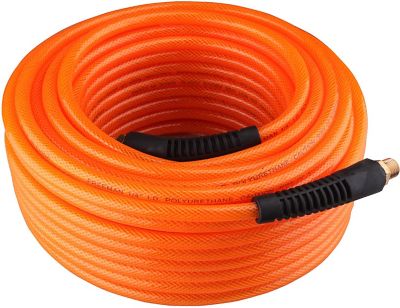
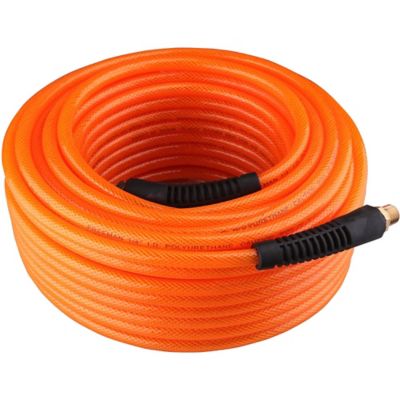
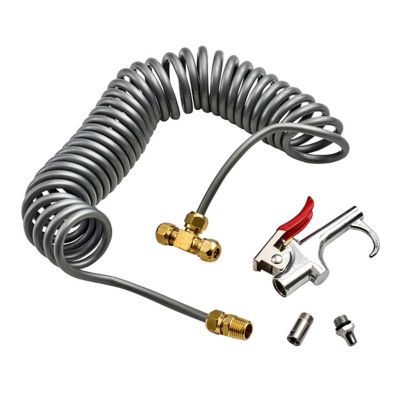
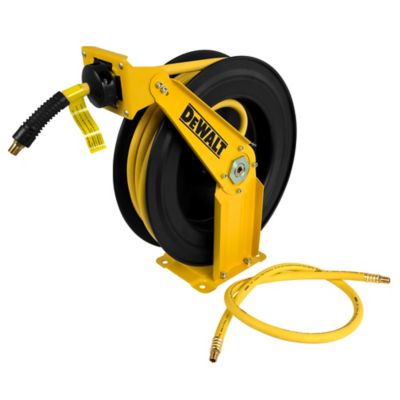
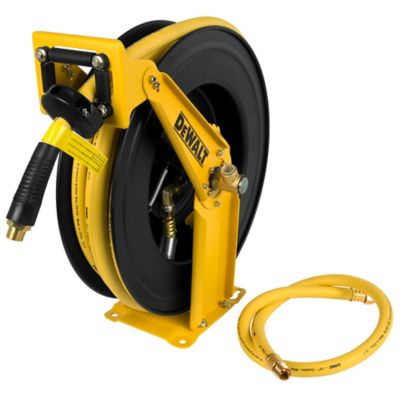
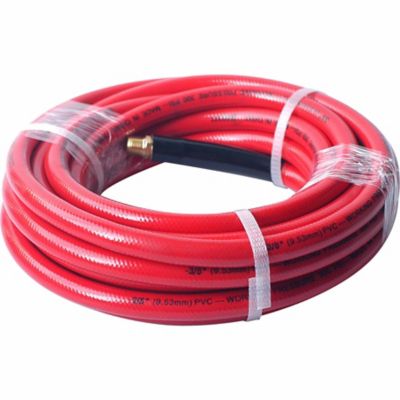
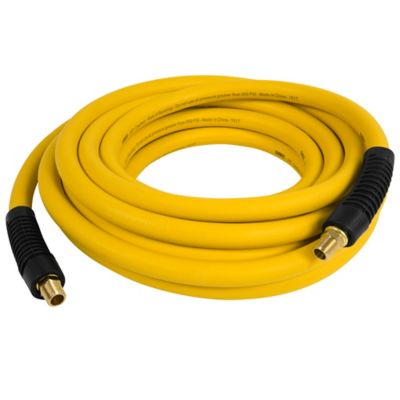
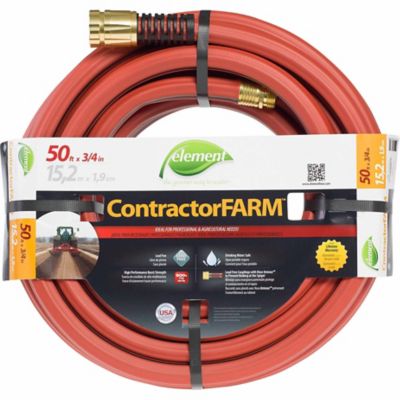
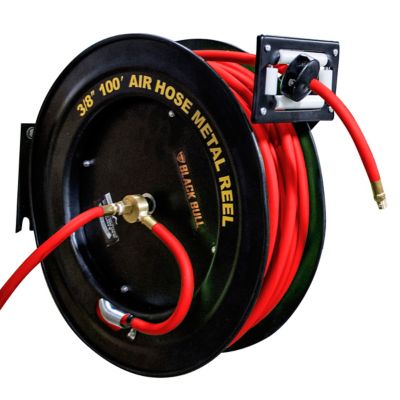
Flexible air hoses carry compressed air from an air compressor to pneumatic tools, tire inflators, and other air-powered equipment. Their job sounds simple, but the way a hose bends, slides, and settles on the floor can make a real difference during a day in the shop. A line that follows along without fighting every turn makes it easier to reach a tractor tire, move around a workbench, or run a nailer along a stretch of trim. Farmers, mechanics, carpenters, and folks keeping up with repairs around the place all have different needs for reach and handling. Rubber, polyurethane, PVC, and hybrid polymer are common air hose materials, each with its own balance of weight, flexibility, and resistance to wear. Rubber hoses generally have a substantial feel and good flexibility, though their extra weight can be noticeable when pulling a long line across the shop. Polyurethane hoses tend to be lighter and resist abrasion well, making them worth considering for work that involves frequent movement. Some retain coil memory, meaning they want to curl back toward their stored shape. Hybrid polymer hoses often combine easy bending with manageable weight and less tendency to spring back into coils, although handling varies by construction. PVC hoses provide another option for general compressed-air tasks, with flexibility and weight depending on the formulation and reinforcement. No material alone tells the whole story. The outer jacket, internal reinforcement, fittings, and overall construction all affect how a hose holds up. Kink resistance matters when working around corners or equipment, but it does not mean a hose can handle being pinched beneath a wheel or folded sharply at a fitting. For a barn work area, home garage, or busy repair bay, the best fit comes down to how the hose moves through the actual workspace and whether its specifications match the equipment connected to it.
Hose length and inside diameter work together to determine reach and airflow. Common air hose lengths include 25, 50, and 100 feet, while 1/4-inch, 3/8-inch, and 1/2-inch inside diameters cover a range of tool requirements. A shorter hose can keep a bench setup tidy, while a longer line reaches equipment that cannot easily move closer to the compressor. Extra length also adds weight, creates more hose to store, and can contribute to pressure loss while air is flowing. A 1/4-inch hose may suit some lower-air-demand tasks, while a 3/8-inch hose is a common choice for general shop work. Higher-demand equipment or longer runs may call for a larger diameter, depending on the tool’s airflow requirements. An impact wrench loosening wheel fasteners or a grinder running steadily can demand more air than a nailer firing in short bursts. Tool requirements expressed in cubic feet per minute, or CFM, help establish the airflow needed at the specified operating pressure. A larger hose cannot make up for a compressor that delivers too little air, and a restrictive coupler can limit flow even when the hose diameter looks suitable. Working pressure is another essential specification: the hose assembly must be rated for the pressure it will encounter, and the system must stay within the limits of its lowest-rated component. Burst pressure is not a normal operating allowance. Connections deserve just as much attention as the hose itself. Inside diameter and fitting thread size are separate measurements, so a 3/8-inch hose does not necessarily have 3/8-inch threads. Thread type, male or female ends, and quick-connect plug profile all need to match the mating equipment. Similar-looking plugs are not always interchangeable. A secure, compatible connection helps prevent leaks and interruptions, whether the job is airing up a trailer tire or driving fasteners at the workbench. For painting or other air-sensitive work, appropriate filtration and moisture control matter too; the hose alone does not clean the air coming from the compressor.
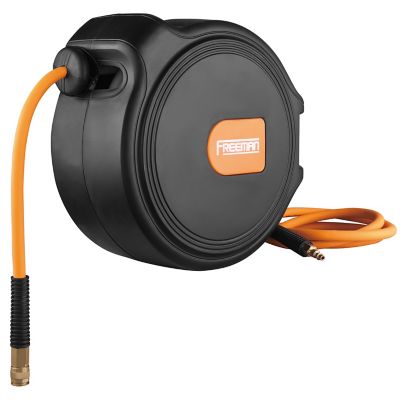
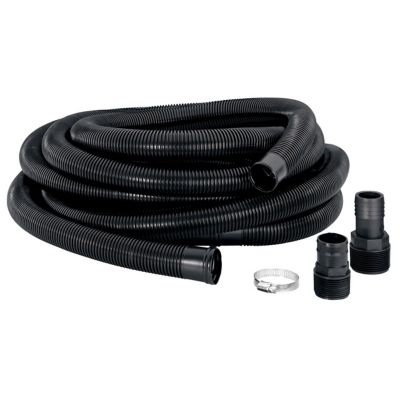
Everyday handling often determines which flexible air hose feels right after the first few jobs. A straight hose offers an uncomplicated reach across a larger work area and can be gathered into broad loops or stored on a compatible reel. A recoil hose pulls back into its coiled shape, which can suit a compact bench where loose line would get underfoot, though its working reach and spring tension need to suit the task. Near a handheld tool, a short, flexible whip hose can reduce the drag of a heavier main line and make the tool easier to position. Swivel connections may also ease twisting where the design allows. Around concrete floors, gravel, and steel equipment edges, abrasion resistance helps the outer jacket withstand repeated contact, but routing still matters. Keeping the line clear of sharp edges, vehicle paths, welding sparks, and moving parts protects both the hose and the work area. Resistance to oil and other shop substances varies, so the manufacturer’s material ratings matter wherever a hose might contact lubricants or cleaners. Care is usually straightforward: cleaning according to the maker’s directions, keeping dirt out of open connections, and storing the line without tight bends help preserve its condition. Broad coils put less strain on the hose than hard folds, especially near the ends. Routine checks can reveal cuts, bulges, exposed reinforcement, damaged fittings, or leaks before a small issue interrupts a job. A damaged pressurized hose needs to come out of service rather than receive a makeshift patch, and shutting off the supply and releasing trapped pressure before disconnecting helps prevent sudden hose movement. Compressed-air service also requires a hose specifically rated for that purpose. For a separate water-routing task,
flexible drain hoses serve a different role and are not substitutes for an air line. With suitable materials, matched connections, and enough reach without unnecessary slack, a flexible air hose becomes a practical part of a setup that keeps tools moving and everyday repairs on track.