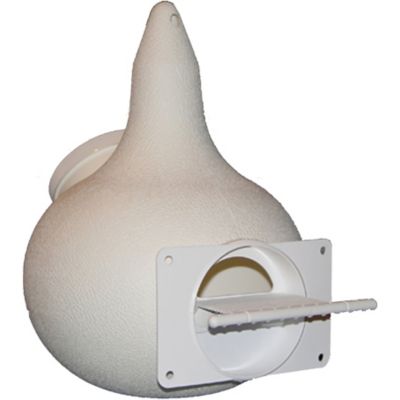
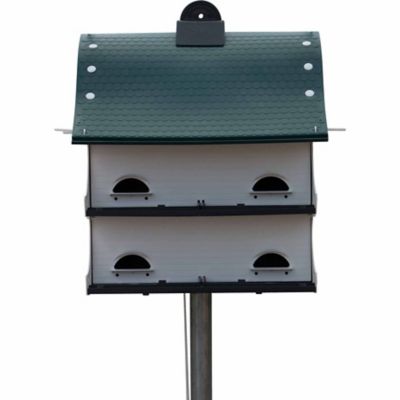
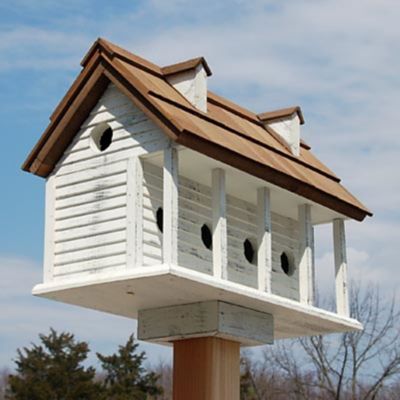
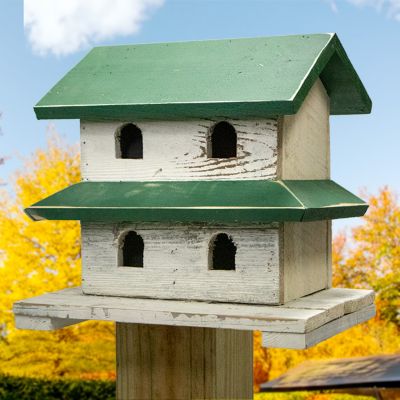
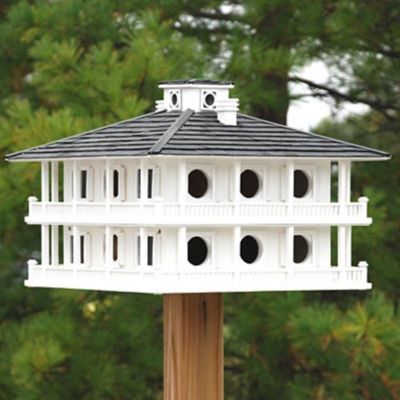
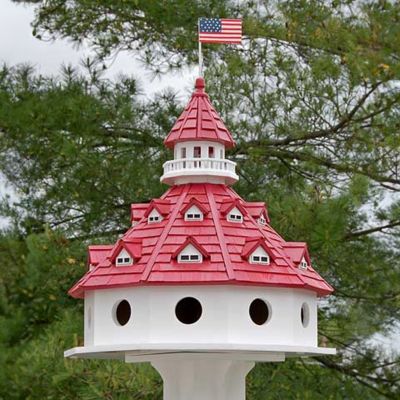
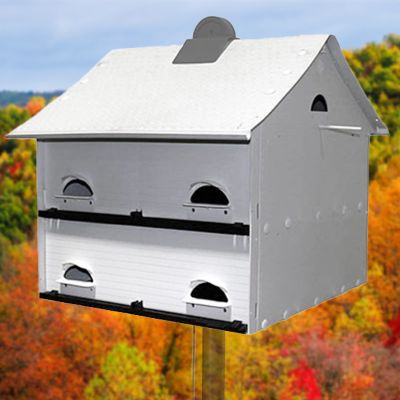
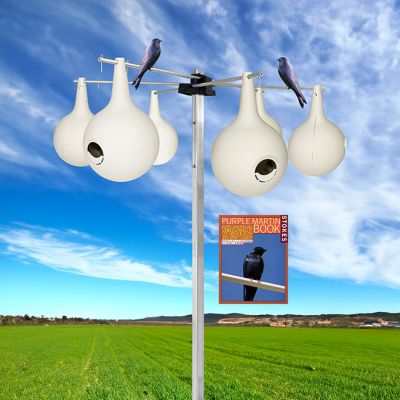
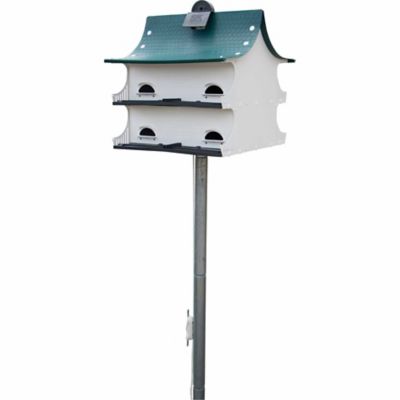
Purple martin bird houses give these lively, long-winged swallows a place to raise their young while adding plenty of movement to an open yard, pasture, garden, or farmstead. Purple martins are North America’s largest swallows, and they spend much of their time catching flying insects on the wing rather than visiting seed feeders. In eastern parts of the country, they have grown especially accustomed to nesting in housing provided by people, including roomy multi-compartment houses and racks fitted with individual gourds. A well-placed setup can become a busy little neighborhood, with adults swooping in at dawn, calling from the roof, and carrying nesting material into separate rooms. When choosing purple martin housing, start with the layout that best fits your space and the amount of hands-on care you can provide. Multi-room houses create an apartment-style colony and can offer several nesting spaces in one structure, while gourd racks give each pair a more separate chamber and a natural-looking shape. Look for durable materials that stand up to sun, wind, rain, and curious squirrels, along with compartments that are roomy enough for an adult pair and growing chicks. Deeper rooms, often around 6 by 12 inches, can give young birds added distance from predators reaching through the entrance. Light-colored or white housing is commonly preferred because it reflects heat and helps keep nesting chambers more comfortable when the sun is strong. Smooth, washable surfaces also make it easier to remove old nesting material and inspect the rooms between nesting seasons. A purple martin house can be a thoughtful gift for a bird lover, gardener, landowner, or anyone who enjoys watching wildlife from the porch. It is especially well suited to someone with a broad lawn, a large garden, or a bit of open acreage where birds have room to circle and land.
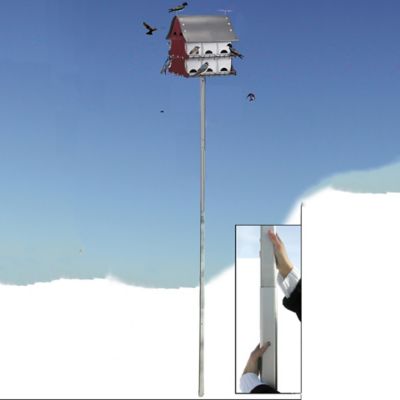
Placement matters just as much as the house itself. Purple martins prefer an open flight path, so set housing in a broad, unobstructed area rather than beneath tree branches or beside a tall line of brush. As a general rule, aim to keep the pole roughly 30 to 60 feet from trees, buildings, and other tall obstacles whenever the property allows. The more open the view around the entrance, the easier it is for martins to spot the housing and approach safely. A central location near a lawn, field, pond, or other open ground can work well, provided the area is not crowded with overhead wires or heavy foot traffic. Pole systems with a pulley or telescoping design are worth considering because they let you lower the house without climbing, making seasonal checks far safer and simpler. Lowering the housing allows you to look for broken eggs, damp nesting material, abandoned nests, or unwanted occupants, and it makes cleaning much less of a chore. Choose a sturdy pole that can be anchored securely in the ground, especially in places where summer storms or strong prairie winds are common. Before installation, check the full height of the raised house and make sure there is enough clearance for the structure to move freely. During the warmer nesting season, occasional inspections can help you keep compartments usable and discourage invasive house sparrows and European starlings, which may take over rooms and harm martin eggs or nestlings. Follow local wildlife guidance, work calmly, and never disturb active nests or young birds unnecessarily. Once the nesting season winds down and cooler weather settles in, lowering the house for a thorough cleaning and storing removable parts as recommended can help extend the life of the setup. Martins migrate, so an empty house during the cooler months does not necessarily mean the location has failed; returning birds may need time to discover new housing and establish confidence in it.
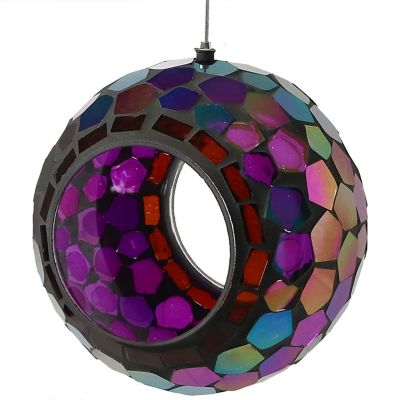
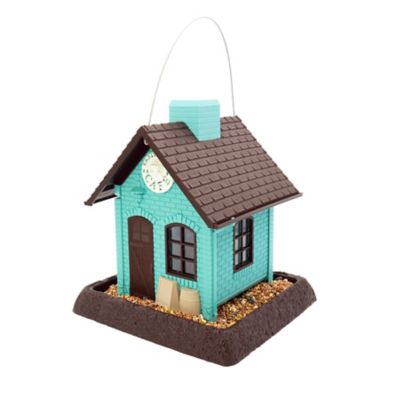
Purple martin housing works best when it is treated as a long-term backyard habitat project rather than a decoration that is simply set out and forgotten. New houses may attract curious birds quickly, but it can take more than one season for a colony to become established, especially if no martins are already nesting nearby. Keeping the housing open, clean, and easy to monitor gives returning birds a better chance to settle in. Some owners offer a mix of compartments and gourds so birds can choose the spaces they prefer, while others begin with a smaller setup and expand as the colony grows. Avoid placing seed, suet, or other food directly inside the martin house; these insect-eating birds find their meals in the air. For a broader backyard birding area, a Cottage Bird Feeder can complement the martin setup by giving finches, chickadees, cardinals, and other seed-eating visitors a place to gather without taking up nesting space. Keep feeders, water sources, and garden activity positioned so they do not block the martins’ flight path. A little patience goes a long way: you may first notice birds circling overhead, then perching on the roof, and eventually carrying grass, leaves, or pine straw into a compartment. Watching a pair raise chicks above the yard brings a close-up connection to the changing seasons, from the first busy arrivals when the weather warms to the quiet departure that comes before the cooler months. Whether you are replacing an aging house, adding a gourd rack to a pasture, or giving a bird enthusiast a meaningful outdoor gift, choose housing that is sturdy, accessible, and suited to the space available. With thoughtful placement and regular care, purple martin bird houses can turn an open corner of a property into a lively nesting place that rewards careful observers year after year.