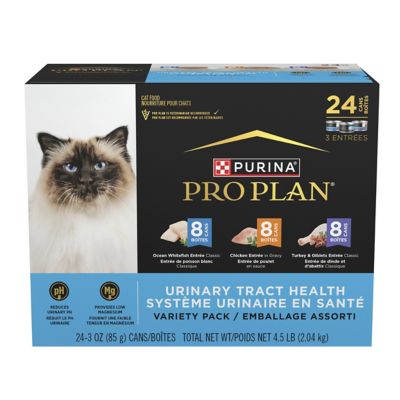
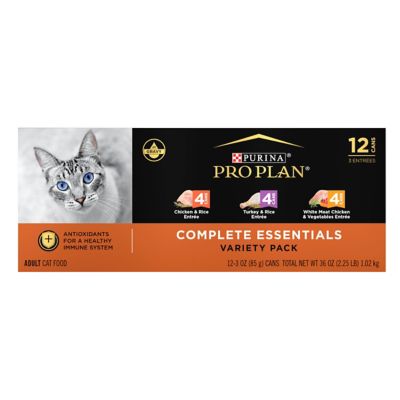
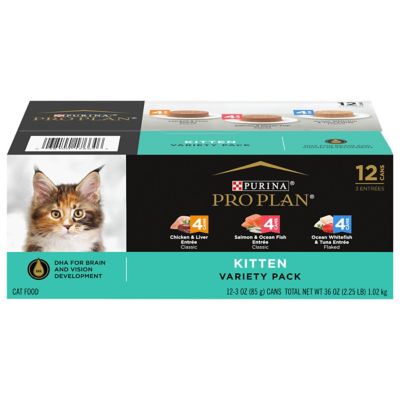
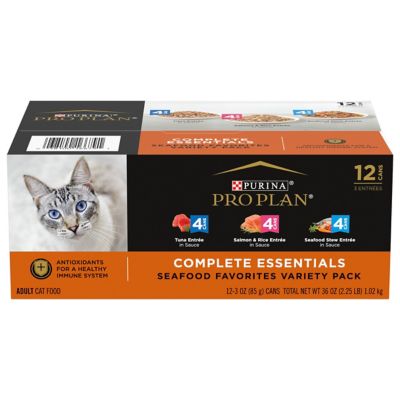
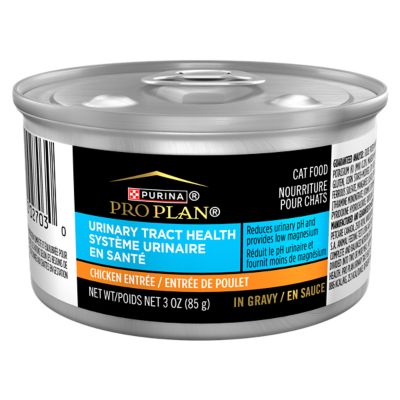
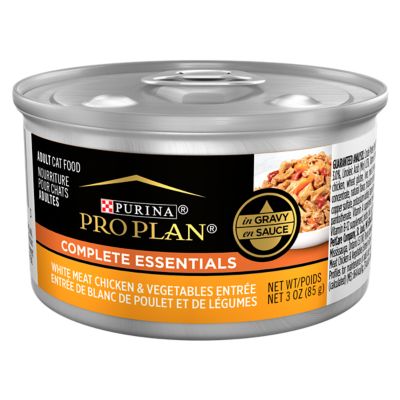
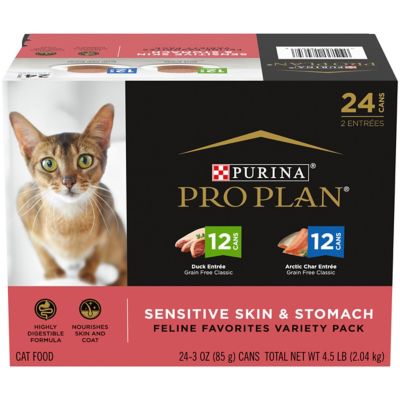
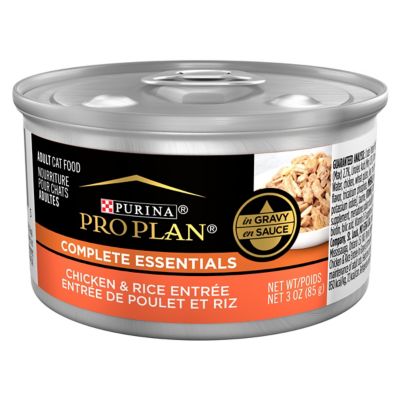
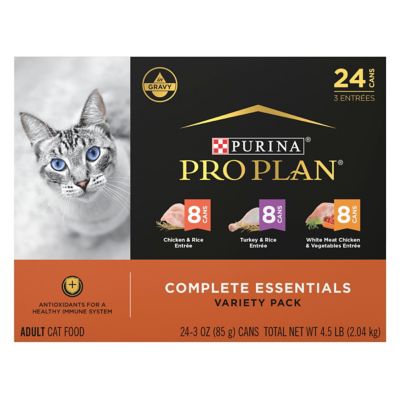
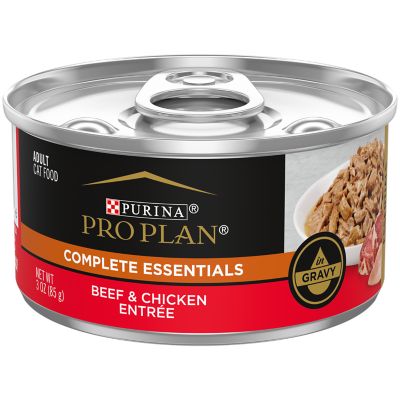
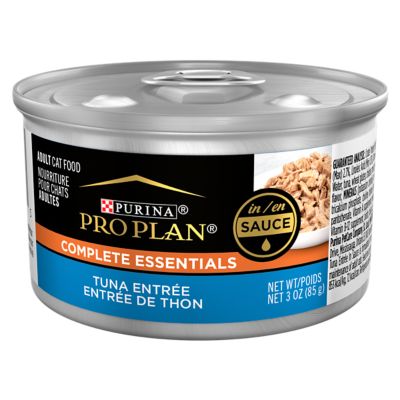
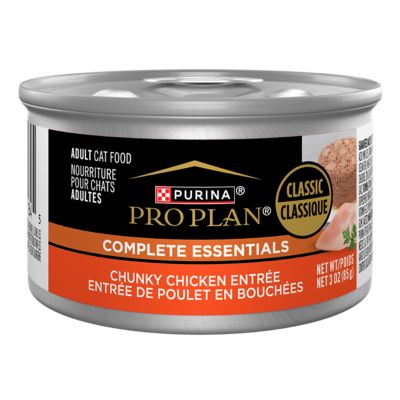
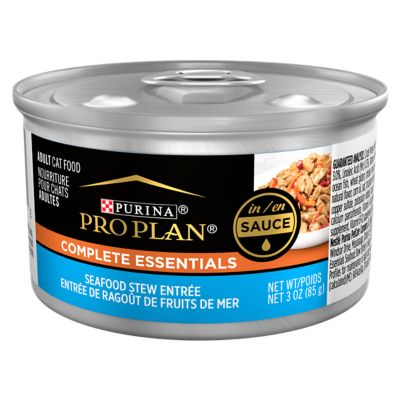
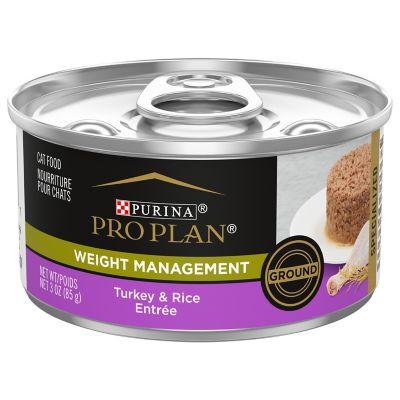
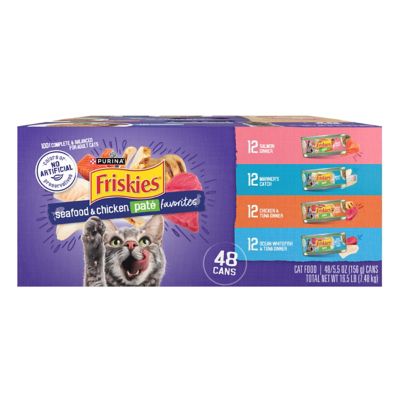
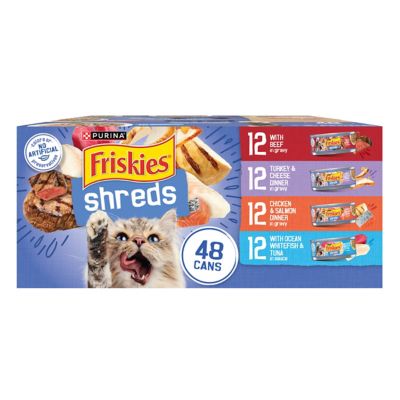
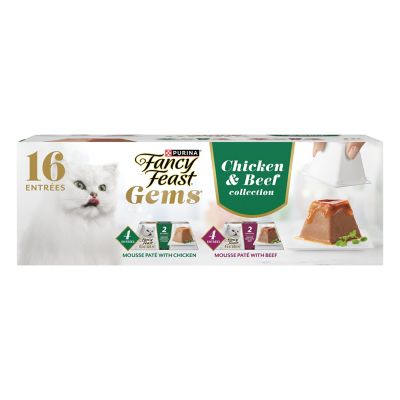
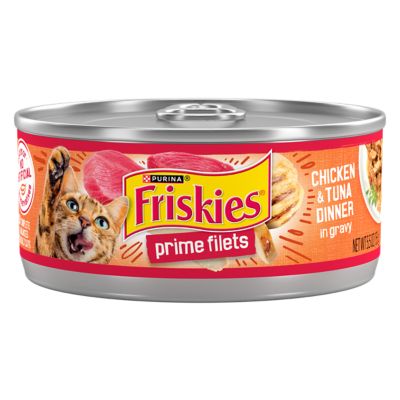
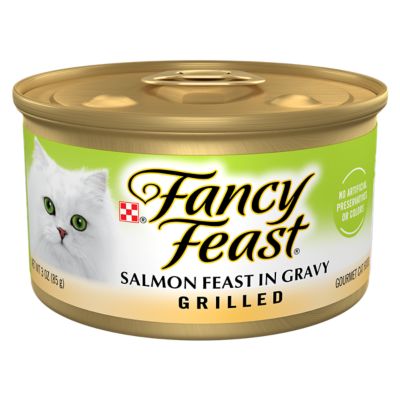
Wet cat food brings soft textures, savory aromas and dietary moisture to a cat’s everyday meals. Whether the bowl belongs to a kitten finding its feet or a grown cat keeping watch from the kitchen windowsill, the right fit starts with life stage and nutritional purpose. Cats need animal-derived nutrients, including taurine, along with a balanced supply of protein, fat, vitamins and minerals. A food’s nutritional adequacy statement helps show whether it provides complete and balanced nutrition for growth, adult maintenance or another stated life stage. That distinction matters more than a tempting flavor name or a long ingredient list. Food labeled for supplemental or intermittent feeding serves a different purpose from a complete daily diet, so it should not automatically become the whole meal plan. Kittens need nutrition that supports growth, while adult cats need portions that match their size, activity and body condition. Older cats may also have changing needs, but age alone does not settle which formula belongs in the bowl. Appetite, weight, dental comfort and veterinary advice all play a part. Wet food can serve as the main meal or share the feeding routine with dry food, provided the total diet stays balanced and the daily calories make sense. Its moisture contributes to fluid intake, though a clean bowl of fresh water still belongs nearby. Feeding directions offer a starting point rather than a portion that suits every cat. A sturdy, active cat and a smaller house cat may need quite different amounts, even when both clean their bowls. For cats with a known health condition, a veterinarian can help sort out whether an everyday formula fits or whether a therapeutic diet is needed. The goal is a meal that suits the cat, not just one that sounds appealing on the label.
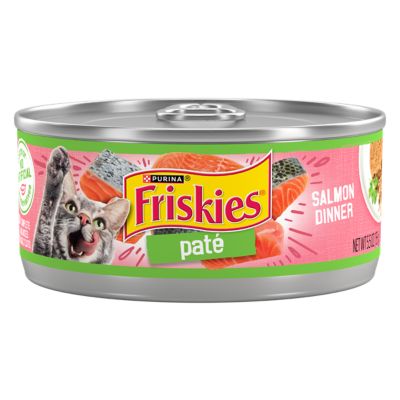
Texture can make the difference between a cat settling in for supper and sniffing the bowl before walking away. Smooth pâté has a fairly even consistency, while minced, flaked and shredded styles offer different bite sizes and amounts of sauce. Gravy and broth add another point of preference, but the food’s feeding statement still determines whether it belongs in the diet as a complete meal or a supplement. Some cats like a soft mound they can lick; others work through small pieces and leave the sauce until last. Those habits are useful clues when comparing wet cat food, especially for a cat that has always preferred one particular mouthfeel. Texture alone does not establish whether a food is suitable for dental trouble or swallowing difficulty, and a sudden change in eating deserves attention rather than another round of flavor changes. Poultry and fish flavors give shoppers different directions to explore, though the front label does not tell the whole ingredient story. A fish-flavored food may contain more than one animal protein, which matters when a veterinarian has recommended avoiding certain ingredients. For salmon-focused choices, explore
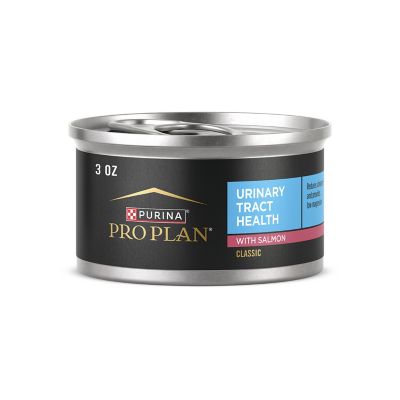
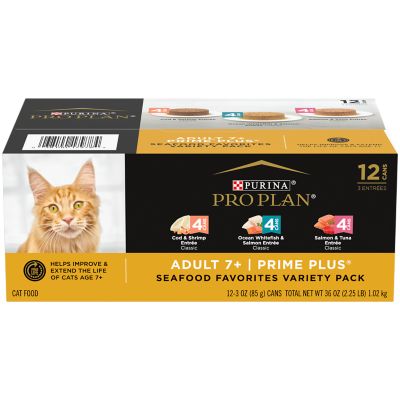
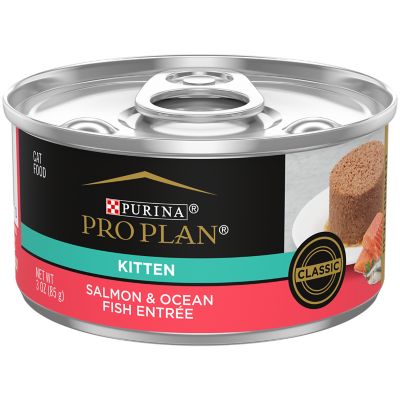
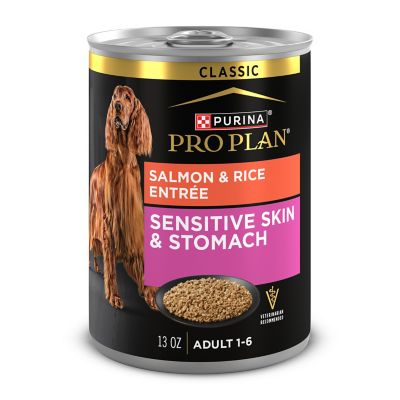
Purina Pro Plan Salmon, then compare the intended pet, life stage and feeding purpose on each label. Flavor variety can bring interest to mealtime, but a steady routine often makes it easier to spot changes in appetite or digestion. When moving to a different food, a gradual transition over several days is generally easier on the digestive system than an abrupt switch, unless a veterinarian recommends otherwise. Keeping the familiar bowl and feeding spot can also help a cautious eater adjust. For a cat that licks around pieces or consistently leaves one texture behind, paying attention to what remains in the dish can be more helpful than simply offering a larger serving. A food that matches the cat’s preferences is easier to work into a steady feeding routine.
Package size and portion planning matter once wet food becomes part of the daily routine. Smaller containers can suit a single cat eating modest servings, while larger containers call for a plan to cover and refrigerate the remainder according to the label. The calorie statement helps connect package size with the actual amount a cat needs; two containers that look much alike can supply different amounts of energy. When wet and dry foods share the menu, both count toward the daily total, along with treats and any extras. That is especially worth watching in a household where one person fills the breakfast bowl and another handles supper after chores. A measuring routine and a simple note about meals can keep a well-fed cat from collecting a second dinner. Separate feeding spaces help in homes with more than one cat, particularly when a quick eater tries to finish a slower companion’s portion. A quiet corner away from heavy foot traffic gives a hesitant cat room to eat without being crowded. Shallow bowls made from stainless steel or glazed ceramic can be easy to wash, and some cats prefer having more room around their face while eating. Dishes need cleaning between meals, and utensils that touch wet food should be washed before their next use. Unopened containers belong in a clean, dry storage area, with seals checked before opening; leaking, swollen or badly damaged packaging should stay out of the feeding routine. Opened food needs prompt refrigeration and handling according to package directions, and uneaten portions should not sit out indefinitely. A small refrigerated serving can be allowed to lose some of its chill before feeding, without leaving the whole container on the counter. With portions, storage and bowl care sorted out, wet cat food can fit into everyday life without much fuss, from a one-cat kitchen to a household with several waiting at suppertime.