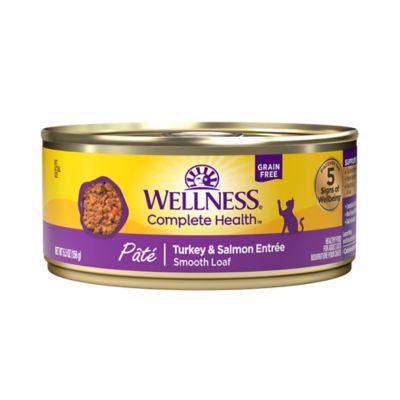
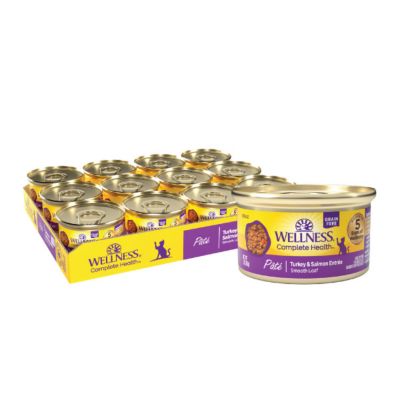
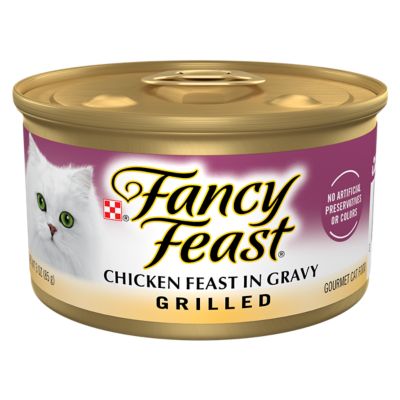
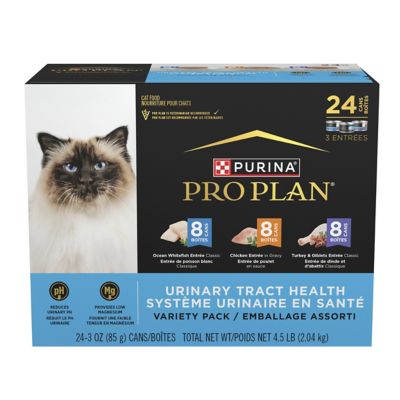
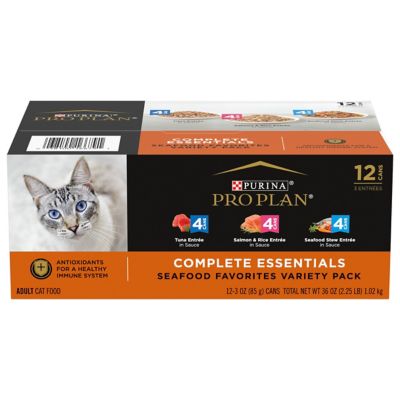
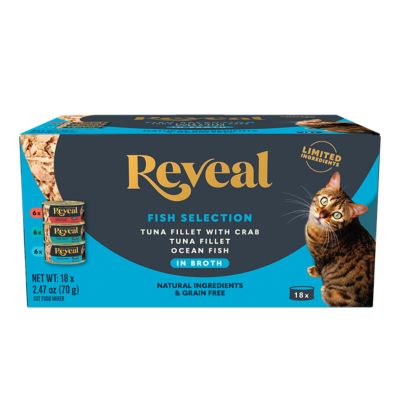
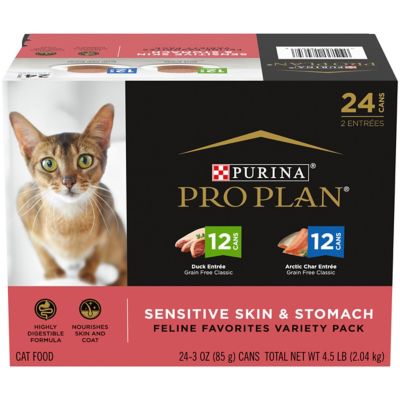
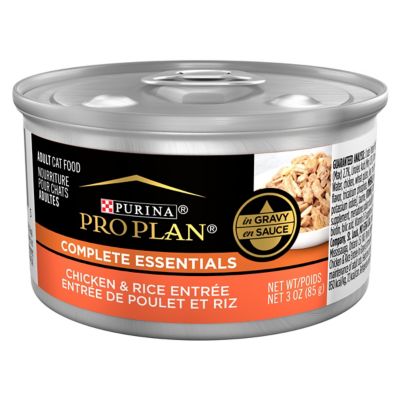
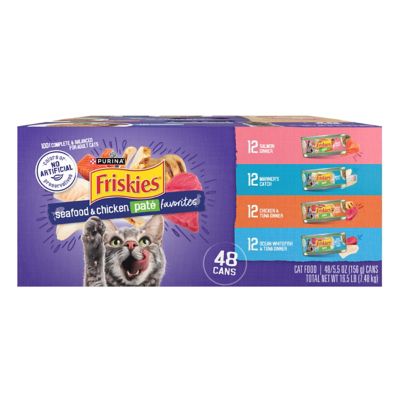
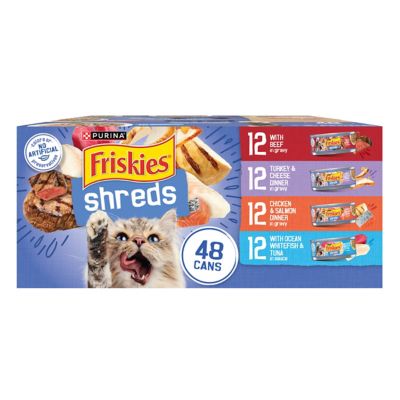
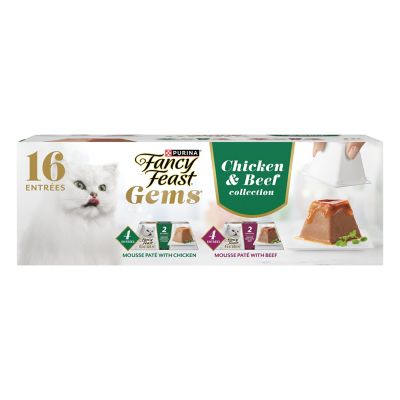
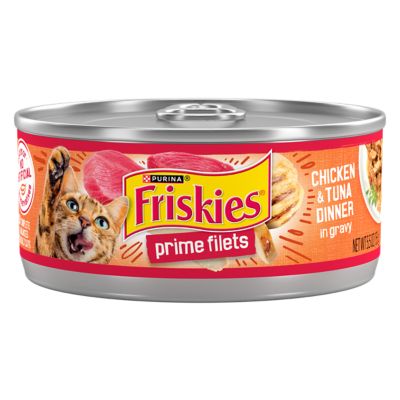
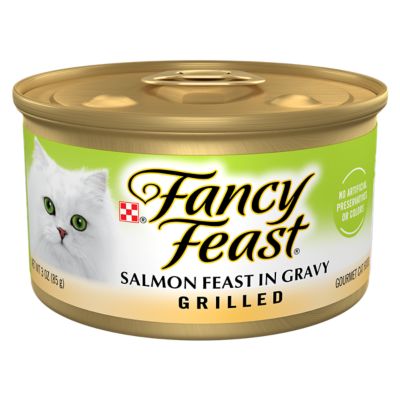
High-protein wet cat foods pair concentrated nutrition with moisture in a meal that can suit a wide range of feline appetites. Protein supplies amino acids that help maintain lean muscle and support everyday functions, from tissue repair to a healthy skin and coat. Cats are obligate carnivores, which means their nutritional needs are tied to nutrients found naturally in animal tissues, including taurine. Wet recipes often feature chicken, turkey, beef, fish, or organ meats, with other ingredients added to create a balanced meal. Their moisture also contributes to daily water intake, which can be helpful for a cat that takes only a few laps from the water bowl. Many wet foods contain roughly 75% to 80% moisture, though the amount varies by recipe. That water content matters when comparing protein numbers: the crude protein percentage on a wet food label cannot be compared directly with the percentage on dry kibble. A dry-matter comparison removes moisture from the calculation, while protein measured against calories offers another way to understand nutritional concentration. Neither comparison tells the whole story on its own. The ingredient list, calorie content, life-stage designation, and nutritional adequacy statement all help explain what belongs in the bowl. “High protein” by itself does not establish that a food supplies every nutrient a cat needs. For everyday meals, a complete and balanced formula appropriate for the cat’s life stage is the important starting point. Foods labeled for supplemental or intermittent feeding serve a different role and generally should not replace a complete diet unless a veterinarian directs otherwise. Grain-free wording is separate from protein content, too; it does not automatically mean a recipe contains more protein or better suits a particular cat. The balance of nutrients matters more than a single label claim. Animal ingredients can contribute different amino acids, fats, vitamins, and minerals, so a thoughtful comparison looks beyond whether one familiar meat appears first on the ingredient list.
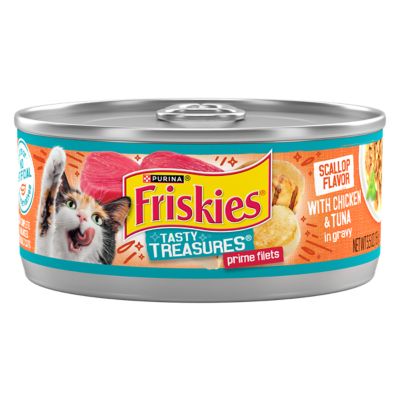
Texture can make as much difference at suppertime as the protein source. Some cats settle into a smooth pâté, while others prefer soft shreds, small minced pieces, or tender chunks with plenty of sauce. A cat that eagerly laps liquid but leaves the solid pieces behind may need a different texture to finish a balanced portion. For cats drawn to saucy meals,
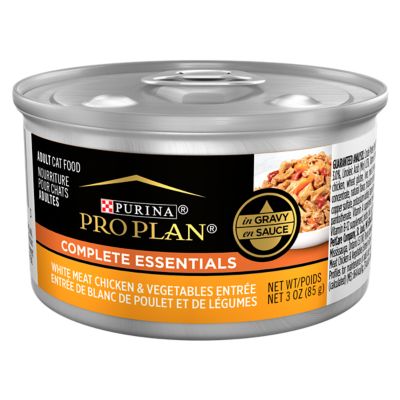
Wet Cat Foods With Gravy offer another texture to consider alongside protein content, life stage, and feeding needs. Gravy alone is not a complete meal, so eating the entire serving matters. Pâté can be portioned into small meals and mashed with a fork, while shredded and minced foods give cats a different mouthfeel. Individual preferences do not always follow age: an older cat may enjoy shreds, and a young adult may favor a smooth loaf. Persistent trouble chewing, dropping food, or walking away from meals deserves veterinary attention rather than repeated texture changes. Nutritional fit matters just as much as preference. Growing kittens need food formulated for growth, and pregnant or nursing cats have needs that differ from those of an adult companion. Adult maintenance formulas are intended for mature cats, while foods labeled for all life stages must meet requirements that include growth and reproduction. Older cats may benefit from attention to muscle condition, appetite, and ease of eating, but age alone does not determine the right protein level. Kidney disease, food allergies, and other health concerns call for a veterinarian’s recommendations before a diet change. A high-protein label is not a substitute for a therapeutic feeding plan. Calories deserve a close look as well. More protein does not necessarily mean more calories, and two similarly sized containers can provide different amounts of energy. A lean, active cat and a cat that spends most of the day on the couch may need very different portions, even when both enjoy the same style of wet food.
Everyday feeding habits help turn a suitable food into a meal that works for the household. Portion guidance on the package provides a starting point, with adjustments based on body weight, body condition, activity, and veterinary advice. A kitchen scale or a consistent measuring routine can help keep portions steady, especially when wet food shares the menu with dry food. Both foods count toward the day’s calories, along with treats and toppers; adding a wet meal without adjusting the rest of the ration can gradually lead to weight gain. In a home with several cats, separate feeding spots make it easier to see who finishes supper and who leaves food behind. The cat that cleans every bowl may be getting more than intended, while a quieter companion may miss part of a meal. Smaller servings can suit cats that prefer several meals, provided the daily total stays appropriate. A gradual transition over about a week, or longer for a sensitive cat, gives the digestive system time to adjust when changing foods. Abrupt switches can bring stomach upset, and a cat that refuses food needs attention rather than a prolonged wait for hunger to take over. Contact a veterinarian promptly about a sudden loss of appetite, especially if other symptoms appear. Food handling matters, too. Follow package directions for storage, refrigerate opened portions promptly in a covered container, and discard food that has sat out beyond the recommended feeding window. Serve with clean utensils and wash bowls after meals so residue does not build up around the rim. Some cats prefer refrigerated food after it has briefly lost its chill, but portions should not sit out for extended periods. Fresh drinking water still belongs nearby, even with a moisture-rich diet. Between a texture the cat enjoys, nutrition suited to its needs, and a feeding routine that keeps portions fresh, high-protein wet cat food can fit comfortably into daily care without making mealtime complicated.