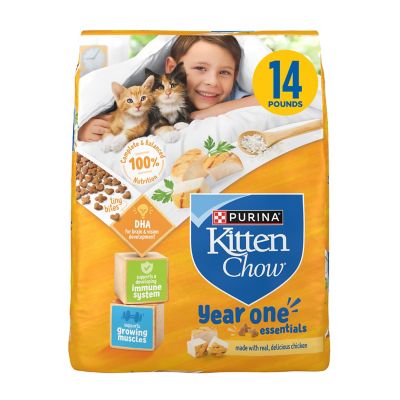
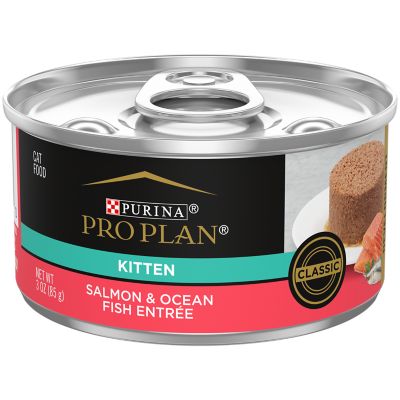
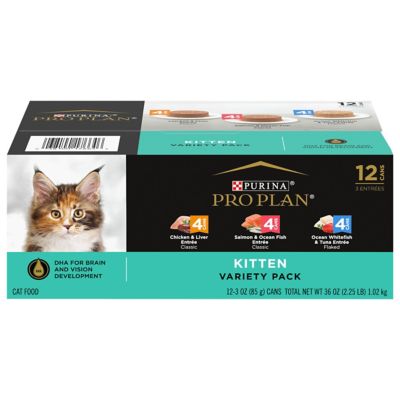
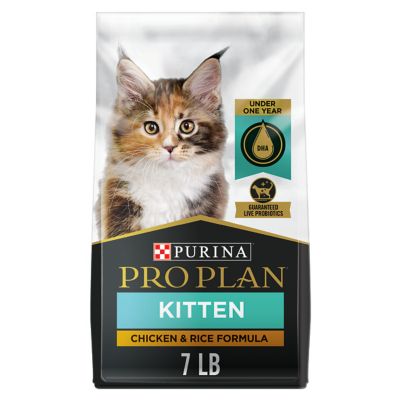
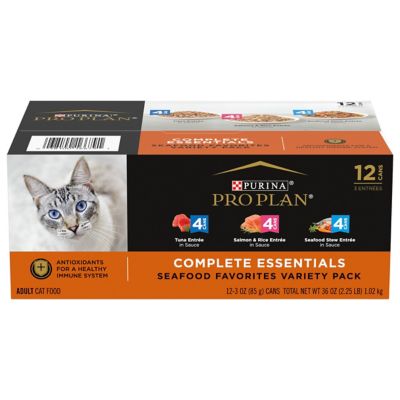
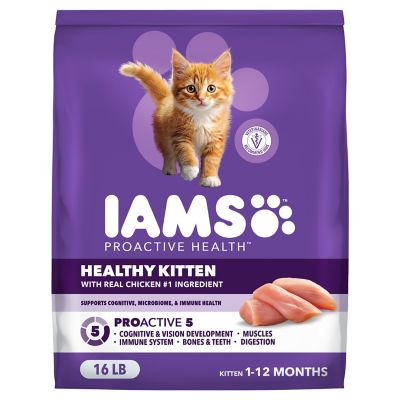
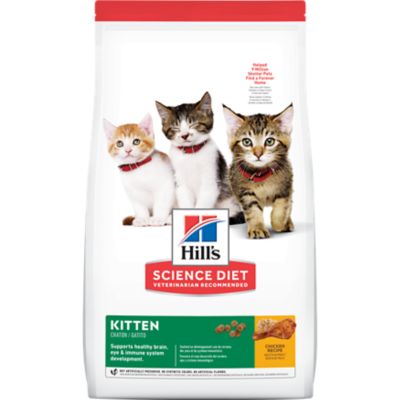
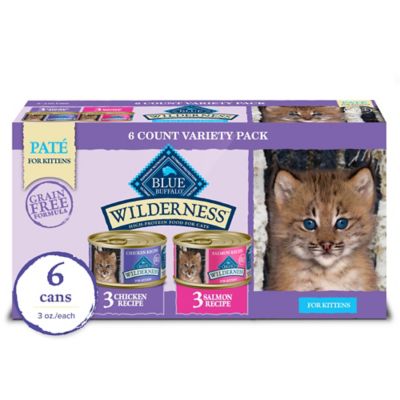
Kitten food supports the busy stretch between a kitten’s first solid meals and the move to adult cat food, with nutrition suited to growing bones, developing muscles, and plenty of pouncing practice. Most kittens need food formulated for growth until about their first birthday, though a veterinarian can help set the timing for an individual cat. Compared with adult maintenance food, kitten formulas generally provide more concentrated energy and different nutrient levels to meet the demands of growth. Protein supplies amino acids for building body tissues, while fats provide energy and essential fatty acids. DHA, an omega-3 fatty acid, supports brain and vision development; taurine is essential for normal heart function and vision. Calcium and phosphorus contribute to developing bones and teeth, and their balance matters just as much as their presence. Vitamins and trace minerals round out the nutritional picture, supporting normal body functions as a kitten grows. For everyday feeding, the most useful information is the nutritional adequacy statement on the package. A statement identifying the food as complete and balanced for growth or for all life stages helps distinguish a suitable daily diet from a treat or supplemental food. An ingredient list provides another piece of the picture, but a familiar meat name alone does not establish whether a formula meets a kitten’s full nutritional needs. The intended life stage, calorie content, feeding directions, and nutritional adequacy statement belong in the comparison, too. These details matter whether the little one is a single house kitten batting at a bootlace or part of a litter settling into a farm household. A growing kitten has a small stomach and a lot of development ahead, so food that fits its age and feeding abilities is a better starting point than simply sharing an adult cat’s bowl. Kittens that have not yet weaned need age-appropriate milk replacement and veterinary guidance rather than dry or canned food alone.
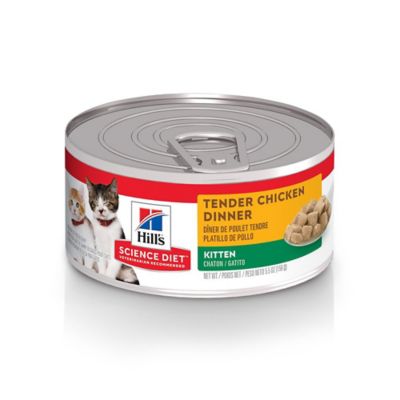
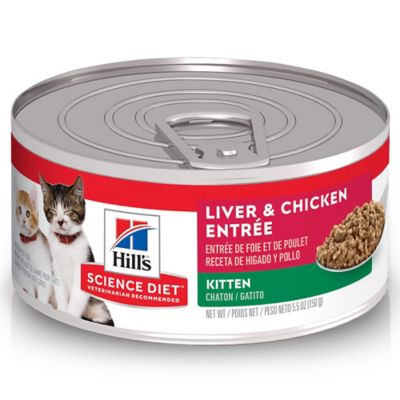
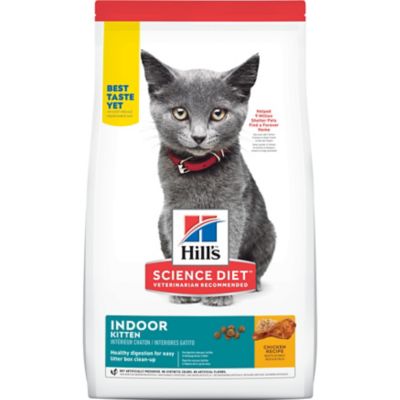
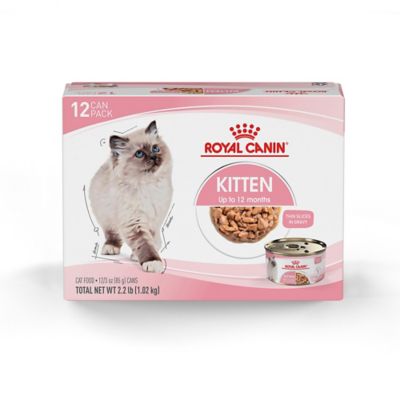
Dry kitten food, wet kitten food, and a combination of the two can all fit a daily feeding routine when the chosen diet is complete and balanced for growth. Dry kibble makes it straightforward to measure meals, including portions for a timed feeder that is compatible with the kibble’s size and shape. Bite size and texture deserve attention for a kitten still learning to pick up and chew solid food. Wet food brings more moisture to the bowl and comes in textures such as smooth pâté and tender pieces with gravy. A soft texture may suit a kitten moving from milk to solid meals, while another kitten may readily take to small kibble. Preference can be as individual as the kitten that likes sleeping in the laundry basket instead of its own bed. Mixed feeding offers both textures, but the portions need to work together: a full serving of wet food plus a full serving of dry food can supply more calories than intended. Package feeding charts offer a starting point based on factors such as age and weight, and the calories per cup, can, or serving make comparisons more meaningful than package size alone. Several smaller meals often fit young kittens better than one large meal. The right amount also depends on growth, activity, body condition, and whether the kitten has been spayed or neutered. A veterinarian can assess those factors without assuming every kitten of the same age needs the same portion. In a home with several cats, separate feeding spaces make it easier to see who is finishing dinner and who is slipping over to another bowl. Households comparing shared feeding options can also look at
All Life Stages Cat Food For Kittens, with attention to the adequacy statement and each cat’s individual needs. An all-life-stages diet can meet growth requirements, but it does not mean a kitten and an adult cat should receive equal portions. Fresh drinking water still belongs beside the feeding area, even when wet food is part of the routine.
Practical details such as package size, storage, and cleanup help kitten food fit the household just as much as flavor and texture do. A bag should hold an amount that can be fed within the manufacturer’s recommended period after opening, rather than lingering through much of kittenhood. Keeping dry food in its original bag inside a clean, tightly closed container helps protect it from moisture and pests while preserving the lot number, feeding directions, and best-by information. Storage away from cleaning supplies and out of reach of curious animals is especially helpful in a busy home where pet supplies share space with everyday chore gear. Wet food portions deserve the same attention: opened containers need prompt refrigeration according to the label, and uneaten food should not sit in the bowl for long stretches. Clean dishes make meals more inviting and help prevent food residue from building up around the rim. A shallow bowl in a quiet spot can give a small kitten room to eat without having to compete with a dog passing through the kitchen or an older cat guarding the feeding area. For a newly adopted kitten, knowing what it ate before coming home can make the first meals less disruptive. A gradual change over several days, or longer when recommended by a veterinarian, generally gives the digestive system more time to adjust than an abrupt switch. Flavor variety can be appealing, but repeated changes are not a substitute for checking on persistent loose stools, vomiting, poor appetite, or slow growth. Those signs call for veterinary advice, particularly in a young kitten that can become unwell quickly. Treats and toppers should stay a small part of daily calories so they do not crowd out balanced meals, and cow’s milk is not a necessary addition to a kitten’s diet. For families raising a first kitten, experienced cat owners, and foster caregivers keeping track of several little eaters, a suitable food is one that meets growth needs and works in a consistent routine. From the first tentative bites to an empty bowl after a lively play session, thoughtful food selection keeps the focus on steady growth and comfortable, everyday feeding.