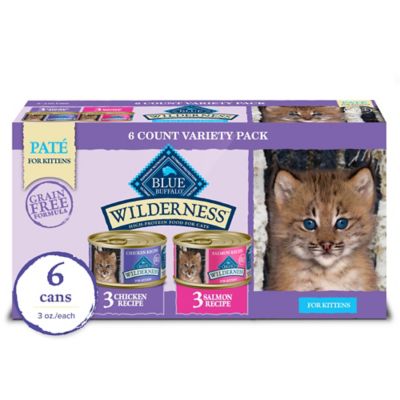
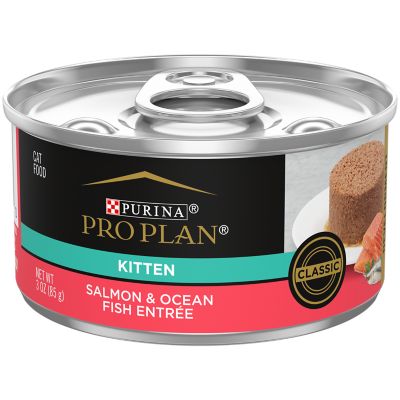
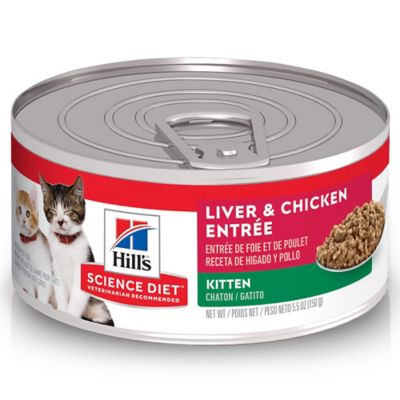
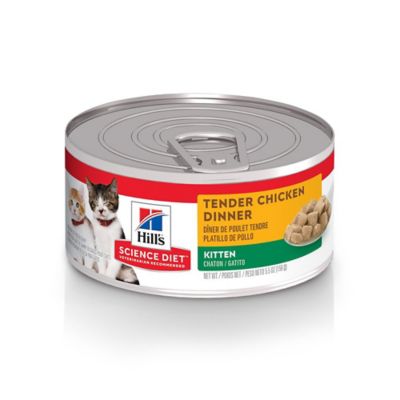
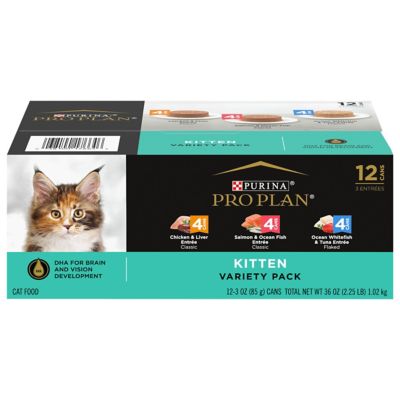
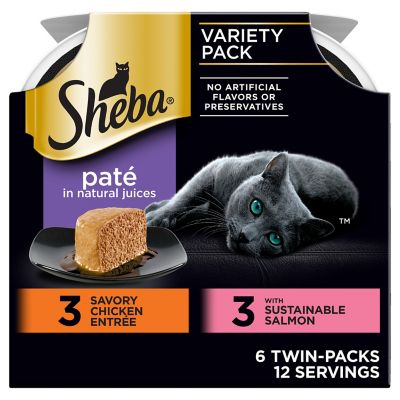
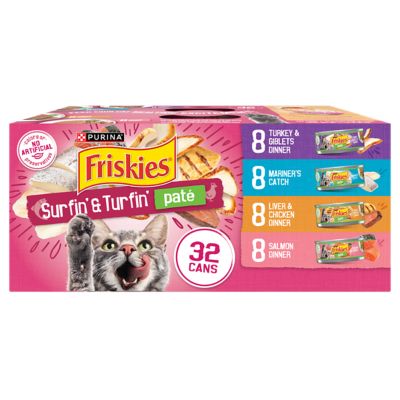
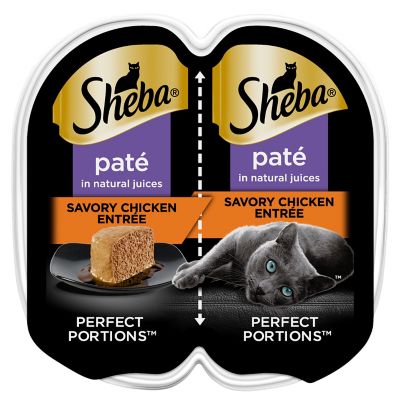
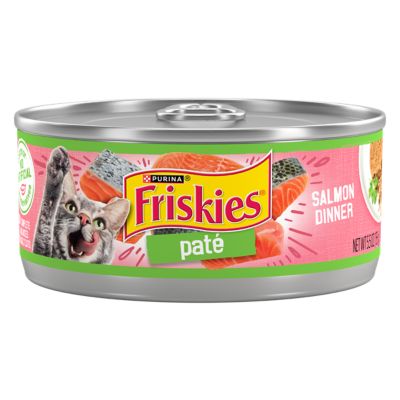
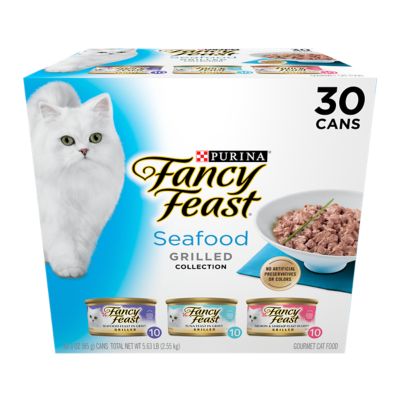
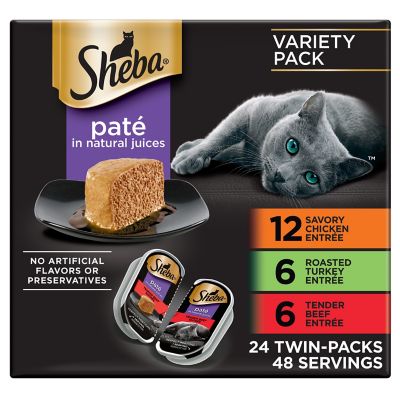
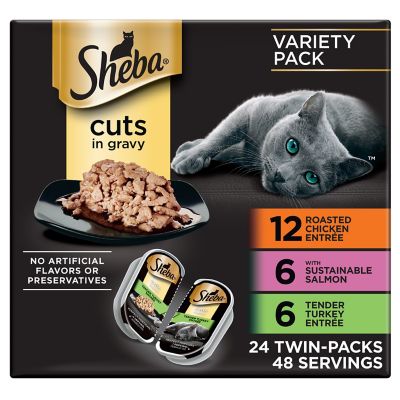
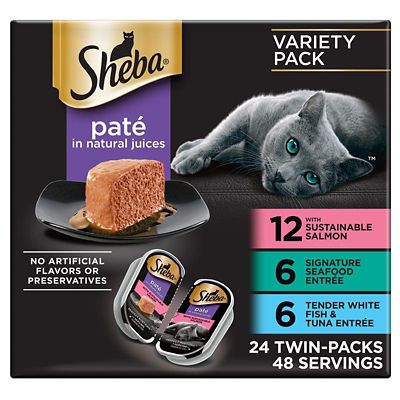
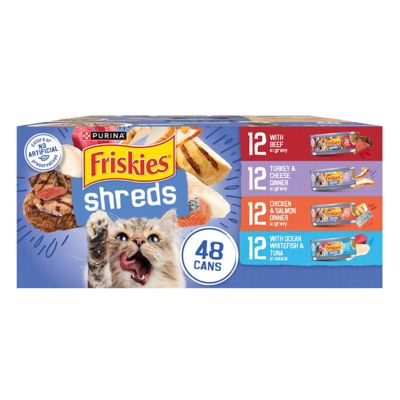
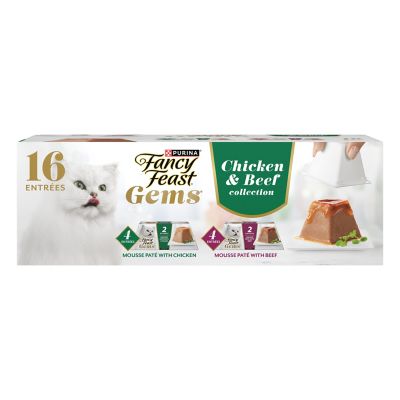
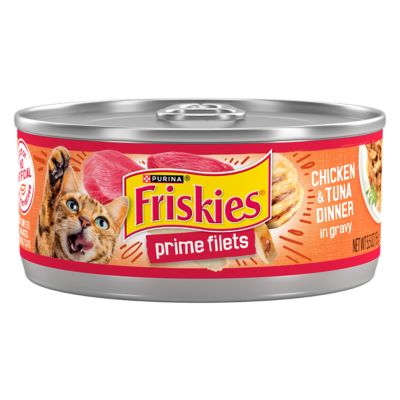
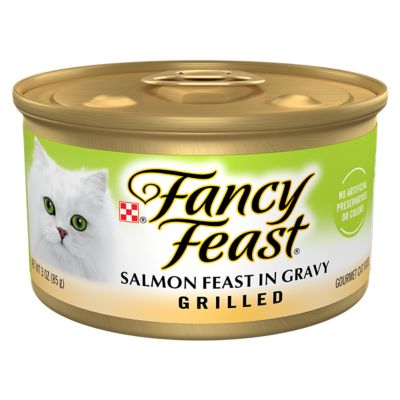
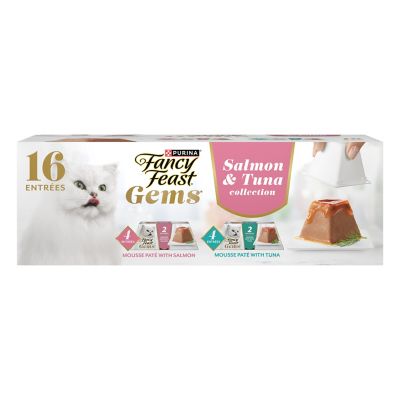
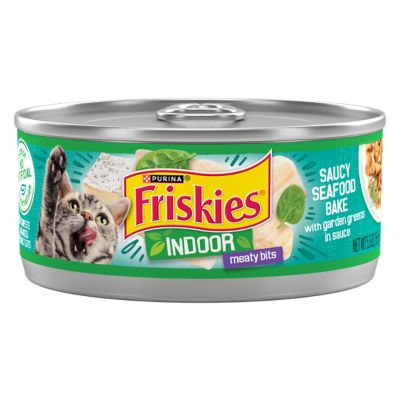
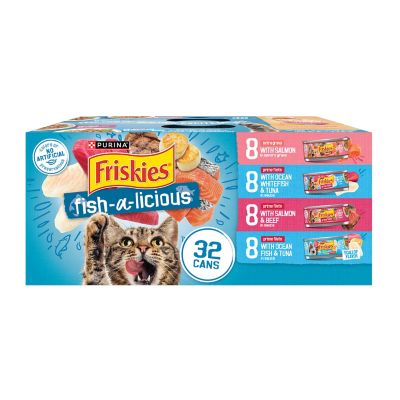
Kitten wet food is made for one of the busiest growing seasons in a cat’s life. From the first wobbly steps out of the nesting box to the day a kitten is racing across the living room, young cats need steady nutrition to support developing muscles, bones, brains, and immune systems. Wet food also brings plenty of moisture to the bowl, which can be helpful for kittens that do not naturally drink much water. When choosing food, look for a formula clearly labeled for kittens or for all life stages, and check the package for a statement that it is complete and balanced. Kitten recipes are generally more calorie-dense than adult cat food and are designed to provide important nutrients such as protein, fat, taurine, and DHA. Taurine supports normal heart and eye health, while DHA is an omega-3 fatty acid associated with brain and vision development. A soft pâté is often a good starting texture for a kitten learning to eat solid food, especially when it is loosened with a little warm water or kitten formula. As a kitten grows more confident with meals, shreds, minced recipes, and food served with gravy can add variety. Every kitten has its own preferences; one may lap up a smooth meal like pudding, while another may paw at the bowl until it finds tender pieces to chew. Having a few suitable textures on hand can make mealtime easier without changing the nutritional foundation.
Young kittens usually begin showing interest in mushy food around three to four weeks of age, though the right timing depends on their health, development, and whether they are being raised by their mother or cared for by a person. During the weaning period, offer a small amount in a shallow dish and allow the kitten to investigate at its own pace. Mixing wet food with warm water or kitten milk replacer can create a soft gruel that is easier to lap and swallow. Never use cow’s milk as a substitute for kitten formula, since it can upset a kitten’s stomach. Very young kittens may still need nursing or bottle-feeding, so a veterinarian or experienced animal-care professional can help set a safe feeding schedule. Once a kitten is eating on its own, several small meals are often easier to manage than one or two large servings. Follow the feeding directions on the package as a starting point, then adjust with guidance from a veterinarian based on the kitten’s age, size, activity, and body condition. Fresh water should be available at all times, even when wet food makes up most of the diet. During the warmer part of the year, water bowls may need more frequent refreshing, while cooler weather can make it just as important to keep meals appealing and easy to reach in a cozy indoor spot. Refrigerate unused portions promptly, cover opened cans or trays, and bring chilled food closer to room temperature before serving if your kitten prefers it that way. Discard leftovers that have been sitting in the bowl for an extended period, particularly in a warm room.
Kitten wet food can be a practical choice for new pet parents, foster families, rescue volunteers, and anyone welcoming a young cat to a barn, farmhouse, or family home. It also makes a thoughtful addition to a kitten adoption gift basket when paired with shallow dishes, a soft blanket, litter supplies, and a safe carrier. For a kitten arriving during the busy transition from late summer into the cooler months, easy-to-serve meals can help create a dependable routine while the household settles in. Try to keep the first meals familiar if the kitten has already been eating a certain recipe, then make changes gradually over several days by blending the old and new foods. Sudden switches may lead to loose stools or a kitten turning away from the bowl. Keep an eye on appetite, energy, stool quality, and weight gain, and contact a veterinarian if a kitten refuses food, vomits repeatedly, has ongoing diarrhea, seems unusually tired, or is not growing as expected. A kitten’s needs can change quickly, so regular veterinary checkups are especially valuable during the first year. Some households rotate wet food with dry kitten food, while others serve wet meals as the main part of the daily plan. For more soft-texture choices across different ages and preferences, browse
Soft Cat Food. With the right kitten-specific nutrition, clean serving dishes, fresh water, and a calm feeding routine, each meal can help a growing cat become the bright-eyed, sturdy companion everyone hopes to see padding around the house.