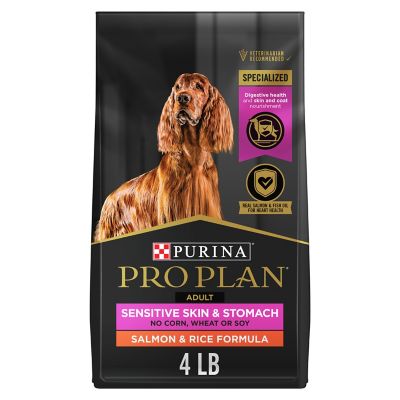
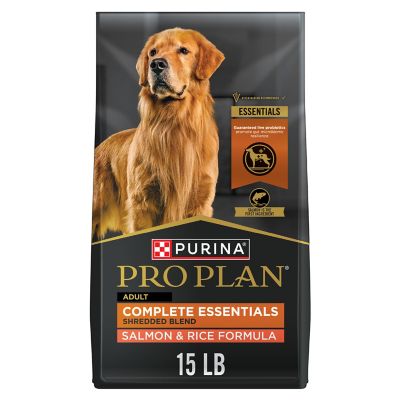
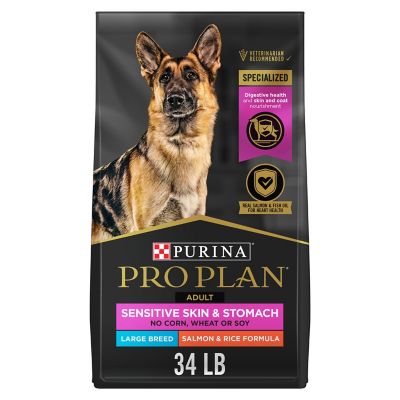
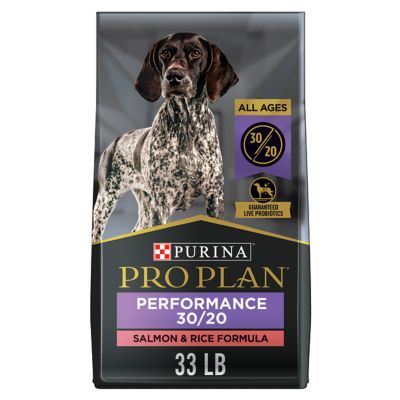
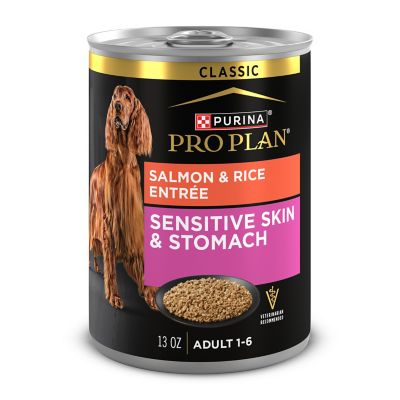
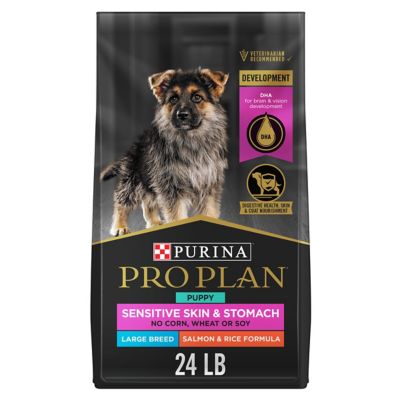
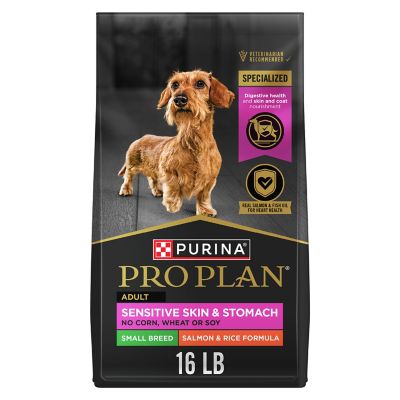
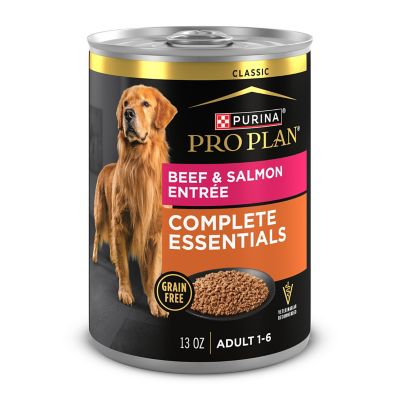
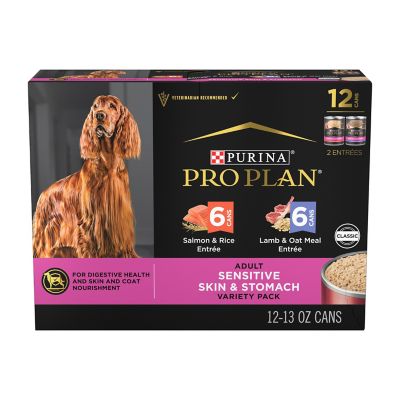
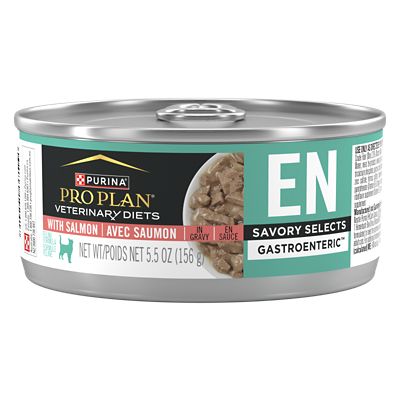
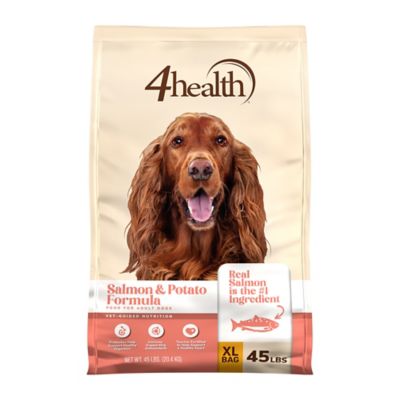
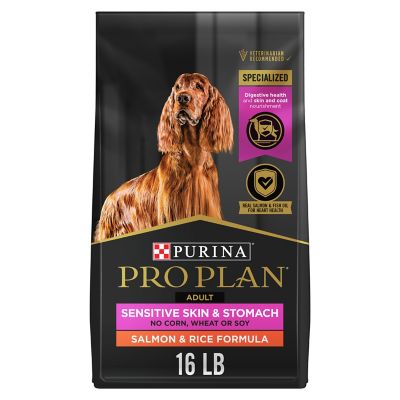
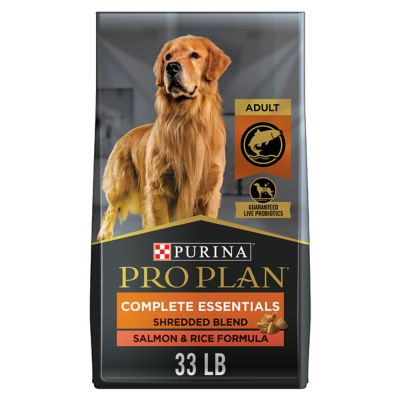
Salmon-based dog food brings fish protein into everyday meals for dogs with a range of feeding needs, from a steady adult maintenance routine to nutrition formulated for sensitive skin and stomachs. Salmon supplies amino acids that help maintain muscles and other body tissues, while the rest of the recipe determines how the food supports a dog’s overall nutritional needs. When salmon is the first ingredient, it is the ingredient present in the greatest amount by weight before processing; that detail matters, but it does not tell the whole story of the finished food. The balance of protein, fat, carbohydrates, vitamins, and minerals matters, too. Sensitive skin and stomach recipes often pair salmon with rice or oatmeal, carbohydrate sources that can fit into easily digestible formulas. Some include prebiotic fiber to nourish beneficial intestinal bacteria, while others contain live probiotics intended to support digestive health. Those ingredients serve different roles, so the package description helps explain what a particular formula provides. Skin and coat support may come from omega-6 fatty acids and vitamin A, while omega-3 fatty acids, including EPA from fish oil in certain recipes, can contribute to joint health and mobility. These benefits depend on the complete formulation, not simply the presence of fish on the ingredient list. For a dog that spends the day following chores around the property or keeps watch from a favorite spot by the door, the goal is a meal that suits its body and routine. Salmon does not automatically make a food grain-free, and grains are not a problem for every dog. Likewise, fish-based food is not automatically appropriate for every food sensitivity. Recipes may contain additional animal proteins or other ingredients, making a full label check especially important when a veterinarian has recommended avoiding something specific. For households looking for food without corn, wheat, soy, or artificial colors or flavors, those exclusions should be confirmed on the individual package rather than assumed from the salmon description.
A good fit starts with the dog eating the food: its age, expected adult size, activity level, and any feeding recommendations from its veterinarian. Puppy food supports growth, adult maintenance food supports mature dogs, and formulas intended for older dogs may offer a different balance of calories and nutrients. Large-breed puppies have particular nutritional requirements, so a salmon recipe should carry a nutritional adequacy statement appropriate for their growth rather than simply sound suitable for a big dog. The statement on the package also identifies whether the food provides complete and balanced nutrition for the stated life stage or is intended only for intermittent or supplemental feeding. That distinction is especially important when comparing everyday meals with toppers or other additions to the bowl. An energetic dog that covers plenty of ground alongside its owner may need a different calorie intake than a smaller companion whose biggest outing is a walk down the lane. Performance-oriented foods can have higher levels of protein and fat, but a richer recipe is not automatically the best choice for a less active dog or one prone to gaining weight. Feeding amounts depend on calorie density as well as body size, which means equal scoops of two foods may deliver different amounts of energy. Dry salmon dog food offers a straightforward format for measuring meals, with kibble size and texture influencing how comfortably a dog can pick up and chew each bite. Wet food contributes more moisture and has a softer texture, while a combination of dry and wet food can work when the portions account for both. Texture alone should not substitute for dental care, and difficulty chewing deserves a veterinary check. A dog that leaves hard pieces behind, gulps meals, or struggles to stay at a healthy weight may need a closer look at food format, portion size, or feeding setup. Clean bowls, fresh drinking water, and a quiet place to eat help keep the daily routine comfortable without making mealtime complicated.
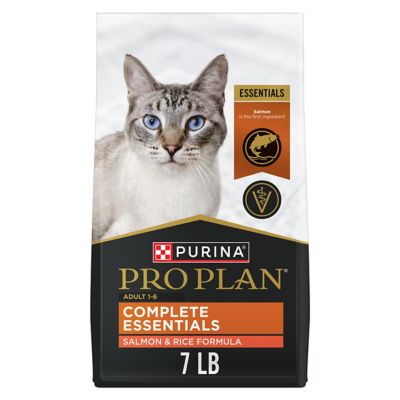
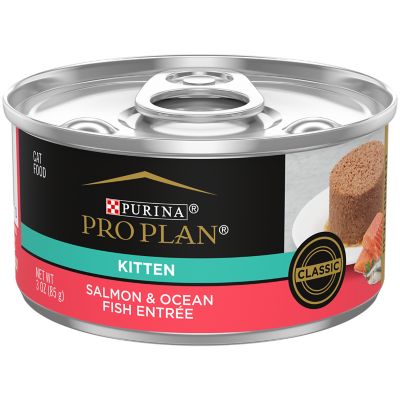
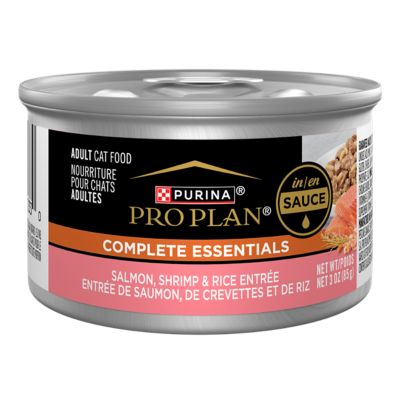
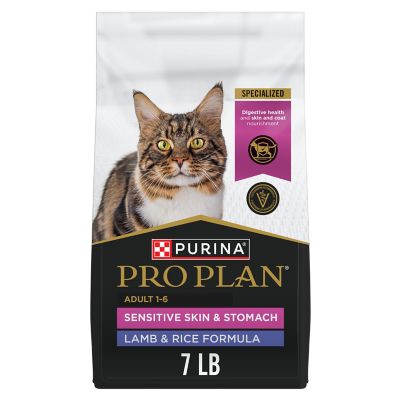
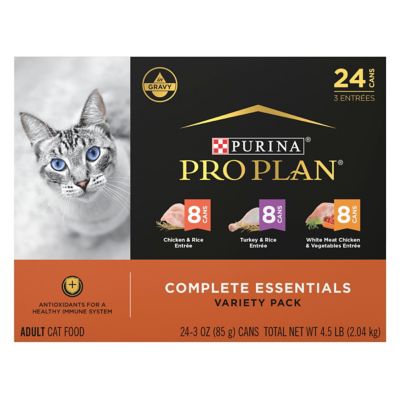
Keeping salmon-based pet food fresh is part of getting the most from every feeding. Dry food belongs in a dry indoor space, away from direct sunlight and out of reach of pets that might help themselves between meals. Keeping kibble in its original bag inside a clean, tightly closed container preserves the ingredient information, feeding directions, lot code, and best-by date while helping protect the food from moisture and pests. Pouring fresh food onto crumbs left from an earlier bag can carry old residue into the next batch, so containers need regular cleaning and thorough drying. Wet food needs attention to the package’s storage directions after opening, and portions left in a bowl should not sit out indefinitely. Bowls and measuring scoops also need regular washing, especially when meals include wet food. Consistent portions make it easier to notice changes in appetite, stool, weight, or coat condition. When a food change is appropriate, a gradual transition over about seven to ten days is a common starting point, unless a veterinarian recommends another approach; dogs with sensitive digestion may need more time. Treats and table scraps count toward daily calories and can complicate a feeding plan built around avoiding certain ingredients. Persistent itching, repeated vomiting, ongoing loose stools, or unexplained weight changes call for veterinary attention rather than a string of food switches. Salmon-based formulas can support everyday nutrition, but they are not a substitute for diagnosing an allergy or another health concern. In homes with more than one pet, separate bowls and feeding spaces help keep each animal on the right meal plan, particularly when one dog eats a different formula from another. Households with cats can also explore
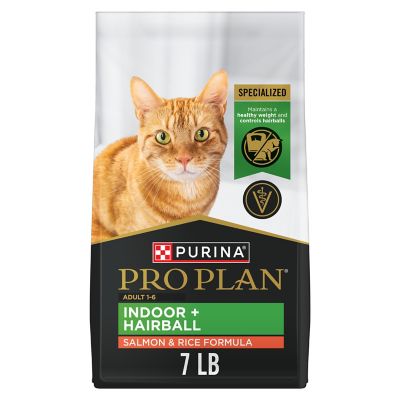
Purina Pro Plan Wet Cat Food for their feline feeding routine. Cats need food formulated for cats, and dog food should not serve as their regular diet. Matching each pet’s food to its nutritional needs, keeping portions consistent, and handling meals with care gives feeding time a practical foundation, whether the bowl sits in the kitchen or beside the mudroom door.