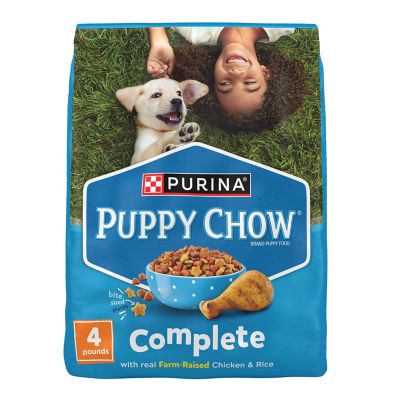
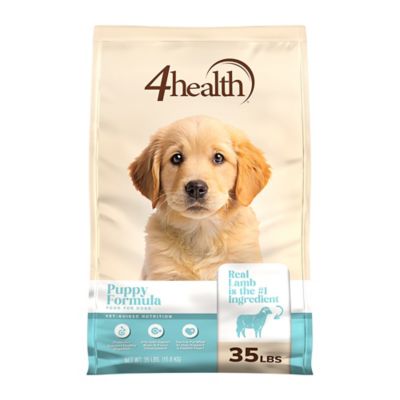
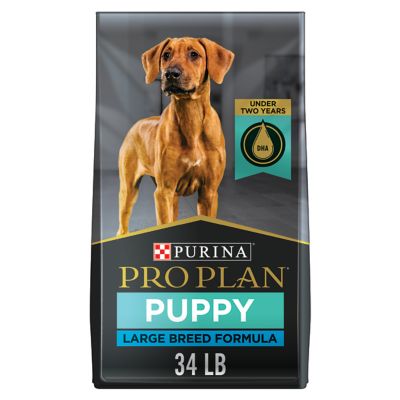
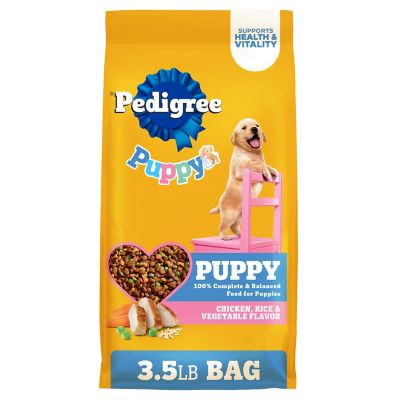
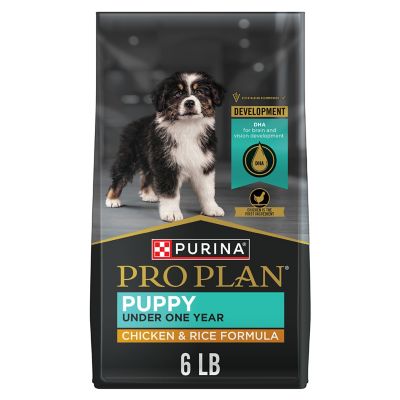
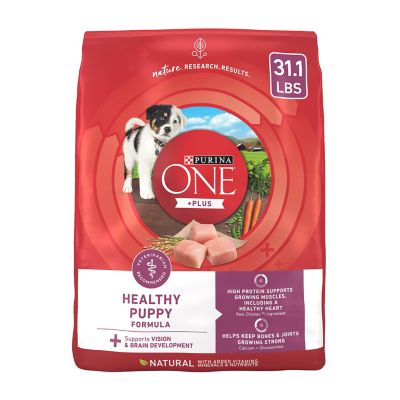
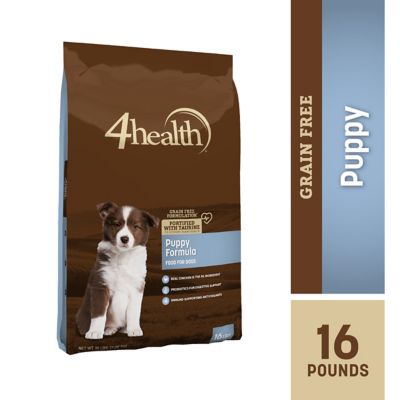
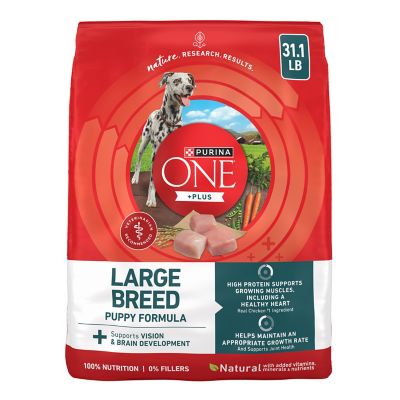
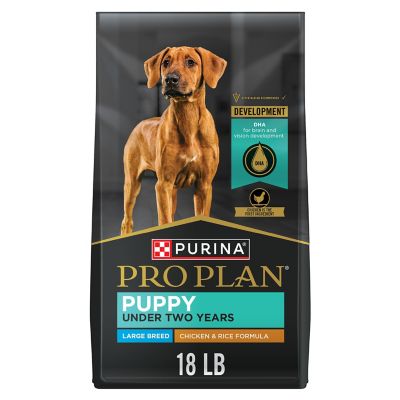
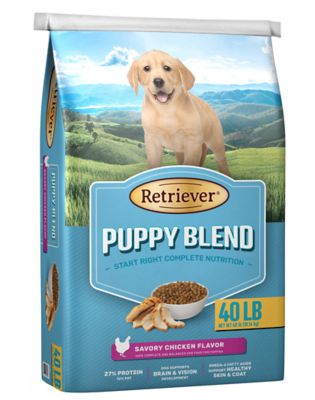
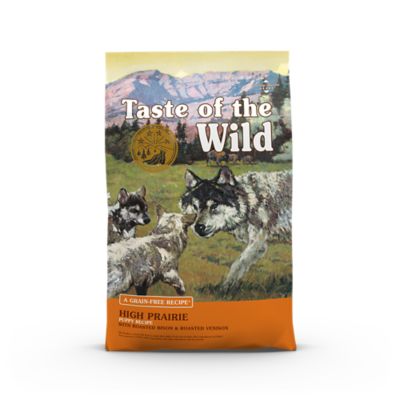
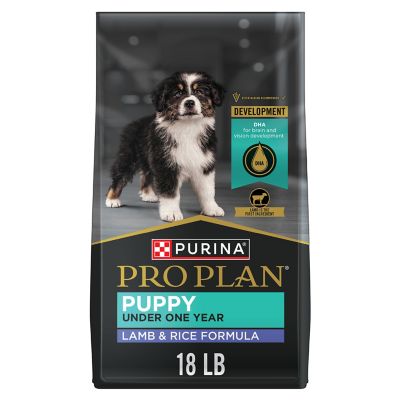
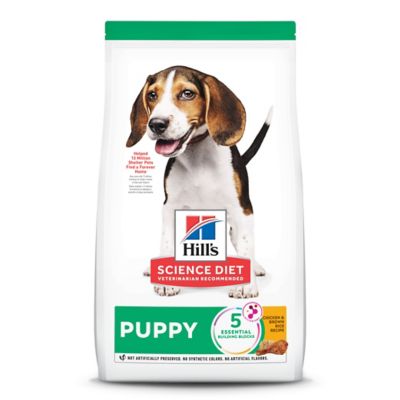
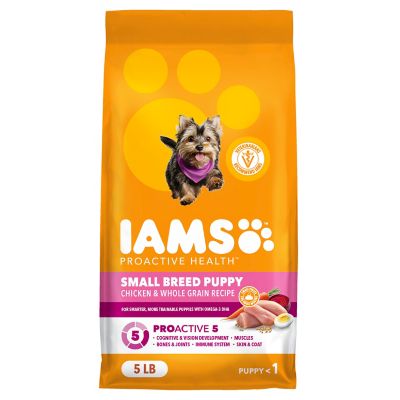
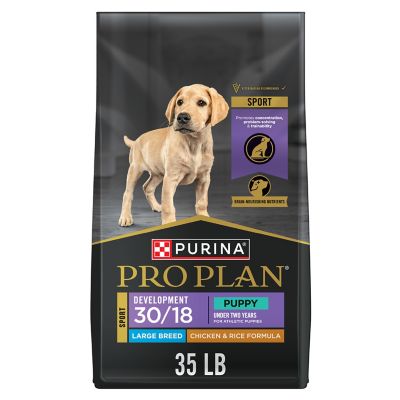
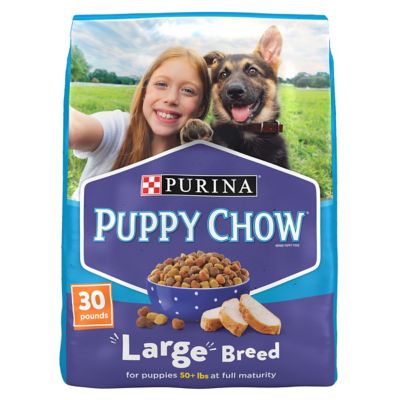
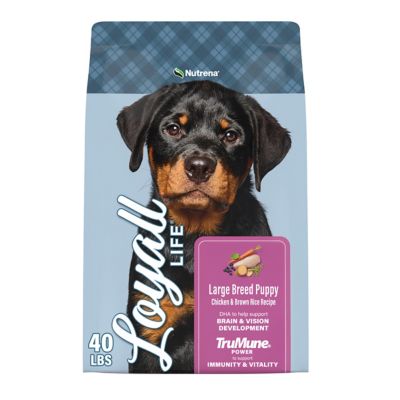
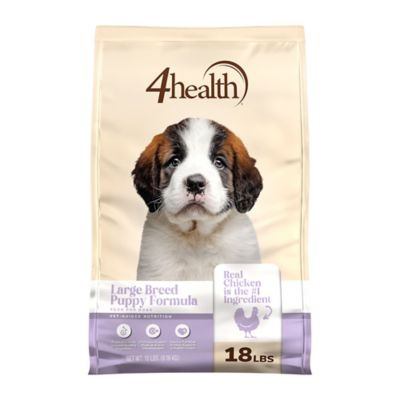
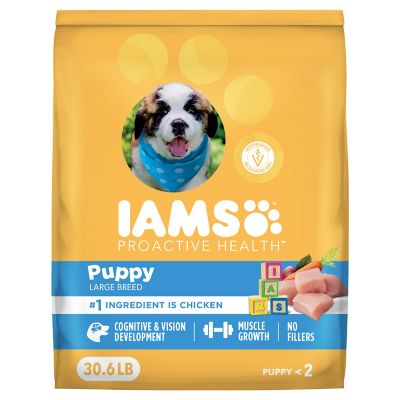
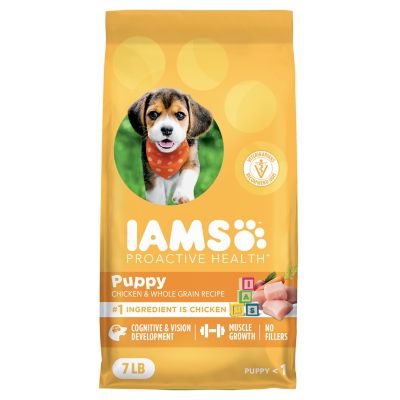
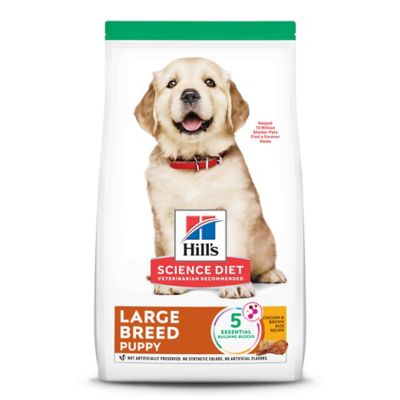
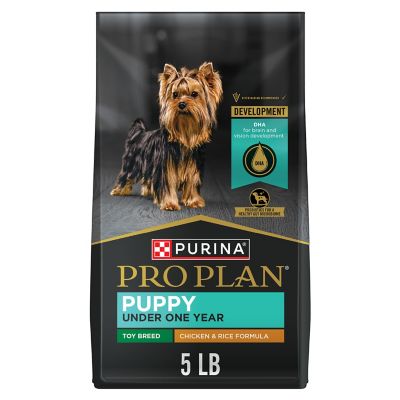
Puppy kibble is dry dog food formulated to support growth, supplying protein, fat, vitamins and minerals in portions suited to a developing dog. From a little pup settling into the mudroom to a growing farm companion tagging along for chores, that everyday bowl has an important job. Puppies need nutrition that supports muscle development, bones, teeth and normal brain development, not simply a smaller serving of adult dog food. Across the
Dry Puppy Food category, the nutritional adequacy statement is one of the most useful details on the bag. A statement that the food is complete and balanced for growth, or for all life stages appropriate to the puppy’s expected adult size, helps identify food intended to serve as the main diet. Food labeled for adult maintenance alone does not meet the same growth requirements. The Association of American Feed Control Officials, or AAFCO, establishes nutrient profiles referenced in these statements; it does not approve individual foods. Protein provides amino acids that support growing tissues, while fat supplies concentrated energy and essential fatty acids. Some puppy formulas also contain DHA, an omega-3 fatty acid involved in normal brain and eye development. Calcium and phosphorus matter, too, but more is not necessarily better. Their amounts and balance are especially important for puppies that will become large dogs. A complete growth formula generally does not need extra calcium or vitamin supplements unless a veterinarian recommends them. The ingredient list tells part of the story, while the life-stage statement, calorie content and feeding directions help put that information in context. Together, those details make it easier to compare puppy kibble based on what a growing dog needs rather than a picture on the bag or an appealing flavor name. A veterinarian can help connect those label details with a particular puppy’s health, growth pattern and expected adult size.
The right fit also depends on the puppy at the bowl. Small-breed puppies have little mouths and often need energy-dense food in modest portions, so kibble size and calories per serving both deserve attention. Smaller pieces may be easier for them to pick up and chew, although piece size alone does not establish whether a food meets their nutritional needs. Large- and giant-breed puppies need a different kind of consideration: steady, controlled growth rather than the fastest possible weight gain. For dogs expected to weigh 70 pounds or more as adults, the nutritional adequacy statement should indicate suitability for growth of large-size dogs. Some all-life-stages foods specifically exclude that group, making the full statement worth reading. Breed-size descriptions on the front of a package can help narrow the choices, but they do not replace that information. Flavor, texture and ingredient preferences also play a part in how readily a puppy takes to a meal. Meat, poultry, fish, grains and other ingredients can contribute nutrients, and a longer or shorter ingredient list does not by itself establish how well a food will suit a dog. Grain-free food is not automatically a better match for puppies, and concerns about food allergies or special diets belong in a conversation with a veterinarian. For a puppy arriving from a breeder, shelter or foster home, knowing the previous food makes the first meals less of a guessing game. A gradual change over about seven to ten days, with increasing amounts of the new food mixed into the familiar food, often helps limit digestive upset. Some puppies need a slower transition. Consistent appetite, comfortable digestion, normal stools and steady growth are practical signs to watch, while persistent digestive trouble deserves veterinary attention rather than repeated changes from one bag to another. A formula that agrees with one littermate may not be the best fit for another, even when both pups share the same busy routine.
Everyday feeding habits help puppy kibble do its job. Feeding charts offer a starting point, but the amount a puppy needs depends on age, expected adult weight, activity, body condition and the food’s calorie content. A cup of one formula can contain considerably more energy than a cup of another, so keeping the same scoopful after switching foods can change the daily calorie intake. A kitchen scale makes portions more consistent, especially for a small puppy whose meals are only a few ounces. Scheduled meals also make it easier to notice a change in appetite before heading out for chores or settling in for the evening. Many young puppies eat three or four meals a day before moving toward fewer meals as they grow, with the schedule adjusted to their size and veterinary advice. Part of the measured daily kibble can go toward rewarding a sit at the back door, a calm moment in the crate or coming when called. That keeps training food within the day’s total rather than adding an extra handful each time. Treats generally should account for no more than 10 percent of daily calories so complete puppy food remains the nutritional foundation. Fresh drinking water belongs within easy reach, and the crunch of ordinary kibble is not a substitute for dental care. Between meals, clean bowls and sensible storage help keep feeding straightforward. Kibble keeps best in its original bag, closed securely and placed inside a clean container if extra protection is needed. The bag preserves the feeding directions, best-by date and lot information, while a snug lid helps keep curious noses and pests out. A dry indoor storage spot away from sunlight and household chemicals is a better choice than an open sack beside the kennel. Washing and thoroughly drying containers between bags prevents leftover crumbs and oils from building up, keeping the next round of meals fresh and ready for a hungry pup.