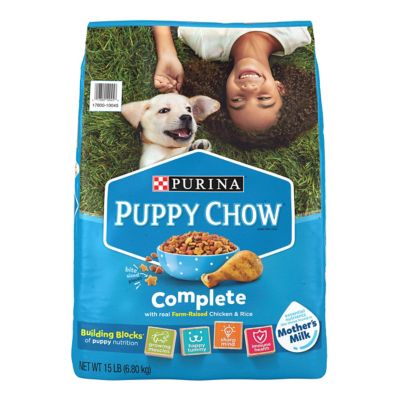
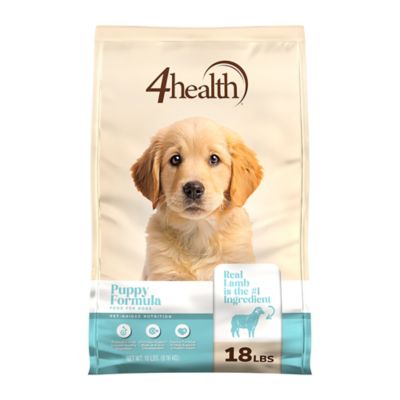
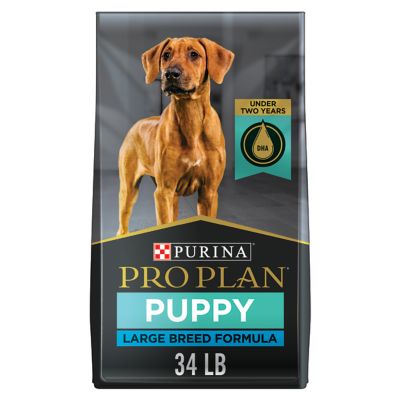
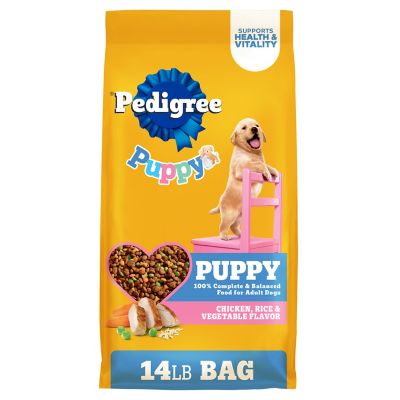
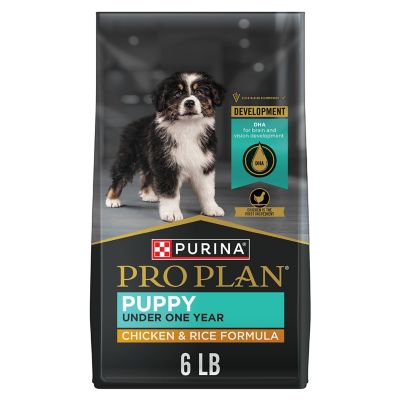
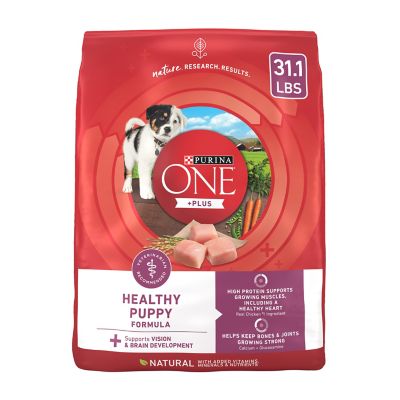
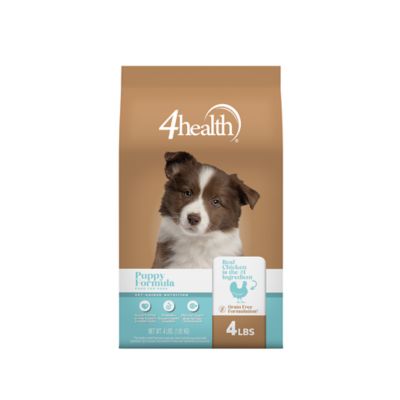
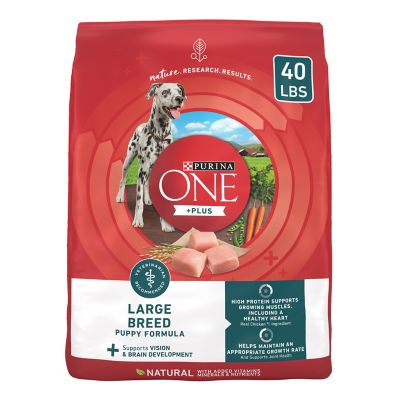
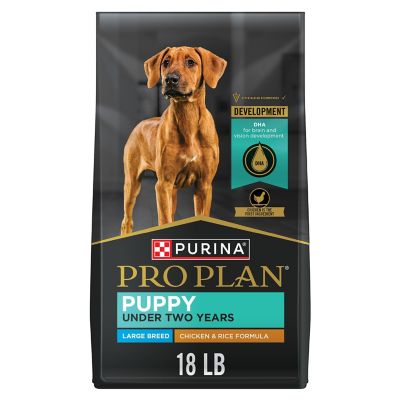
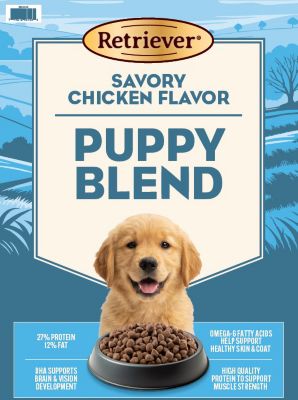
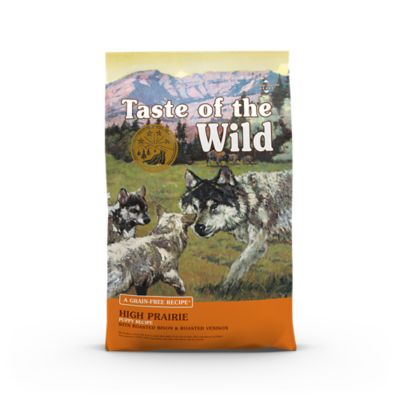
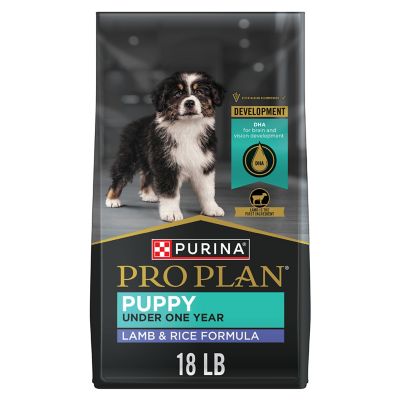
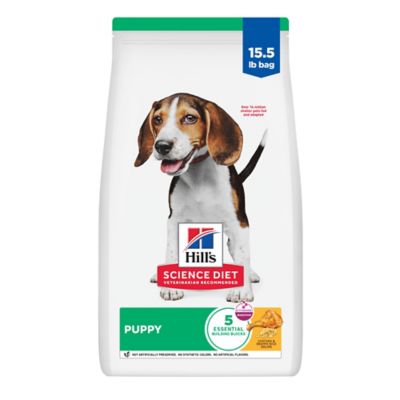
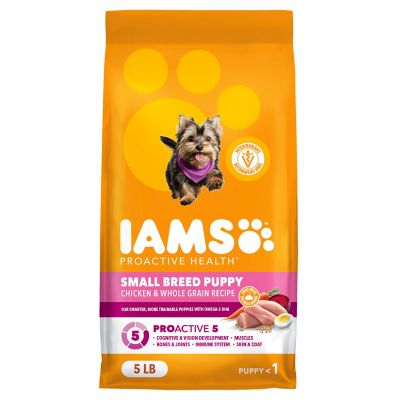
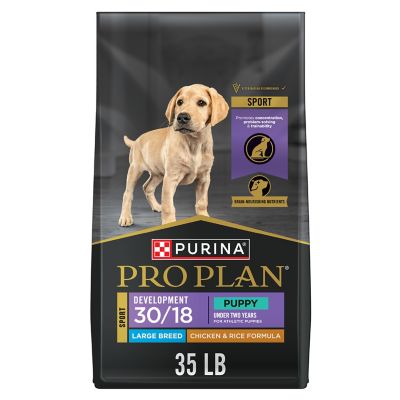
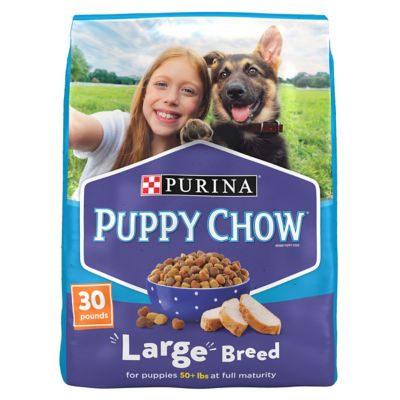
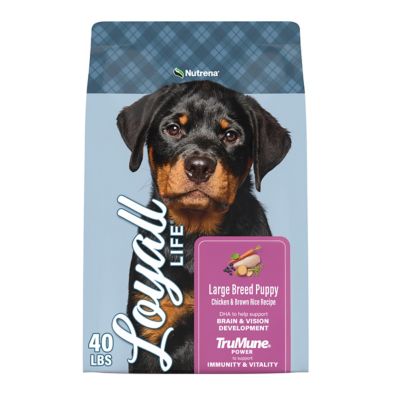
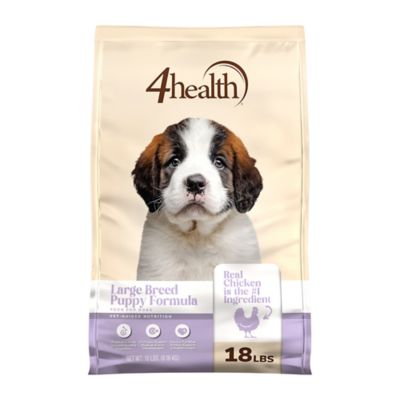
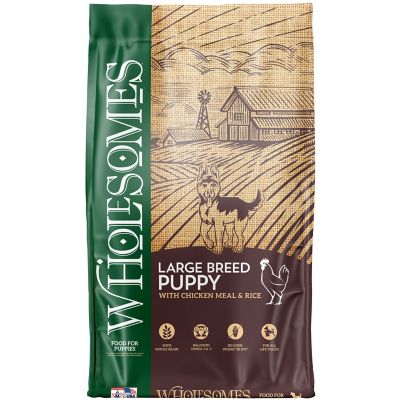
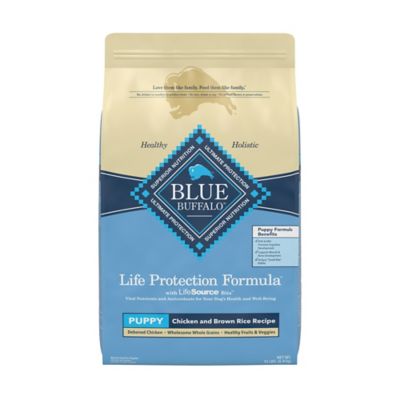
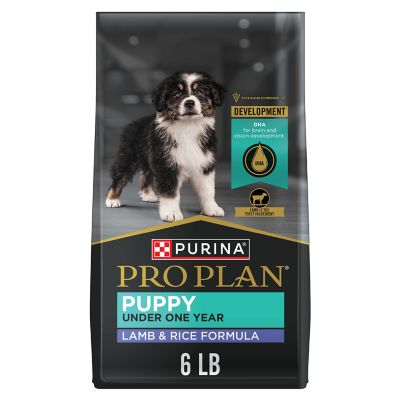
A puppy’s food does more than fill a belly after a nose-first trip around the yard. It supplies the building blocks for growing muscles, bones, teeth and organs while helping fuel all that exploring, playing and learning. Puppy food for healthy growth is formulated for this demanding life stage, when a small body needs plenty of nutrition in a manageable portion. Protein supplies amino acids for tissue development, while fat provides concentrated energy and essential fatty acids. Some growth formulas include DHA, an omega-3 fatty acid that supports developing brains and vision. Vitamins and minerals also have important jobs, but more is not always better. Calcium and phosphorus need to be in the right balance, especially for puppies expected to become large dogs. A complete and balanced growth formula takes these needs into account rather than leaving a family to piece together a puppy’s diet from treats, table scraps or supplements. The nutritional adequacy statement on the package matters more than a picture on the bag: it identifies whether the food is intended for growth or another life stage. Food labeled for adult maintenance alone does not meet the same growth requirements. Expected adult size matters, too. A little pup who will spend much of the day under the kitchen table has different feeding considerations than one who will eventually stride alongside a fence line. For a puppy expected to weigh 70 pounds or more as an adult, the label should confirm suitability for the growth of large-size dogs. Large-breed growth formulas generally account for the energy and mineral needs associated with that development. The goal is steady growth and a lean body condition, not getting big as fast as possible. Extra calcium or other supplements can upset the balance of a complete diet, so they belong in a veterinarian’s care plan rather than a routine feeding habit. A puppy’s breed, age, health and growth pattern all help determine which type of food makes sense from the first days at home through the move toward adulthood.
When comparing
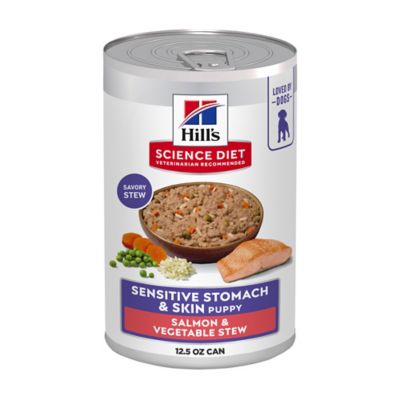
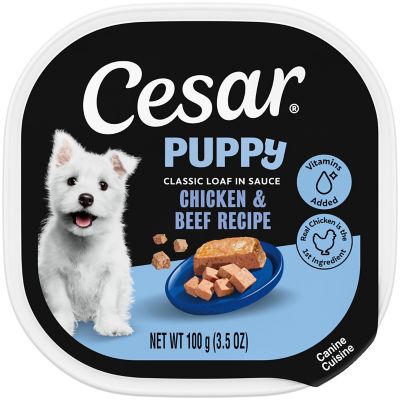
Puppy Food, texture, kibble size, ingredients and feeding format all play a part in finding a good everyday fit. Dry puppy food works well for measured meals and can be convenient for households juggling chores, school runs and training sessions. Smaller kibble may be easier for a little mouth to pick up, while the right shape and size can make meals more comfortable as a puppy grows. Wet puppy food has a soft texture and more moisture, which may suit some puppies’ preferences or make eating easier when a veterinarian recommends that format. Either type can provide complete growth nutrition when its label says so; texture alone does not determine whether a food meets a puppy’s needs. A combination of wet and dry food can also fit a feeding routine, provided both foods are appropriate for the puppy and their calories count toward the daily total. Ingredient lists offer useful context about protein sources, grains, fats and other components, but they do not tell the whole nutritional story on their own. Chicken, beef, fish and other animal ingredients can contribute nutrients, and properly prepared grains can provide energy and additional nutrients. Grain-free food is not automatically a better choice for a growing puppy. Suspected food sensitivities deserve a conversation with a veterinarian rather than repeated switches based on package claims. A puppy that leaves part of a meal behind may be reacting to portion size, texture, distractions or a health concern, not necessarily an ingredient problem. Moisture differences also make direct comparisons between wet and dry guaranteed analyses less straightforward than they first appear. Feeding amounts depend on calorie content as well as the puppy’s size and stage of growth, so equal scoops of different foods may provide quite different amounts of energy. These details matter for the family raising a first puppy, the experienced dog owner bringing home another companion and anyone caring for a young dog whose background or eventual size is still becoming clear.
The right growth formula fits into a routine that a household can keep up day after day. Puppies have small stomachs, and many do better with several measured meals than with one large serving. Very young puppies and small breeds may need more frequent feeding, with timing shaped by veterinary advice. Package feeding charts provide a starting point, but body condition, growth and activity help show whether the portion fits the individual dog. A puppy racing between a chew toy and the back door can look endlessly hungry without needing an endlessly full bowl. Treats, training rewards and edible chews contribute calories, too; setting aside part of the daily kibble portion for training can keep those little rewards connected to the main diet. Fresh drinking water belongs alongside every feeding routine, whether meals are dry, wet or a mix of both. Food care matters just as much as serving it. Dry food stays best protected in its original bag, closed tightly and placed inside a clean container if extra protection is needed. The original packaging also keeps feeding directions, expiration information and lot details close at hand. Storage should follow the package directions, away from moisture and places where insects or rodents can reach it. Opened wet food needs refrigeration and handling according to its label, and food left in a bowl should not sit beyond the recommended time. Clean bowls and washed measuring scoops help keep mealtime tidy. A change in food generally goes more smoothly when the new formula is mixed in gradually, often over about a week, unless a veterinarian advises a different approach. Persistent diarrhea, repeated vomiting, poor appetite or slow growth call for veterinary attention rather than another round of food changes. As a puppy approaches maturity, the move to adult food depends on breed size and individual development, not simply an empty bag. Growth-stage food, sensible portions and thoughtful daily care give a young companion a sound nutritional foundation for learning household manners, tagging along on everyday chores and settling into life with the family.