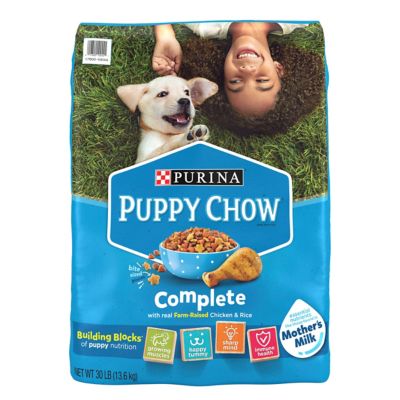
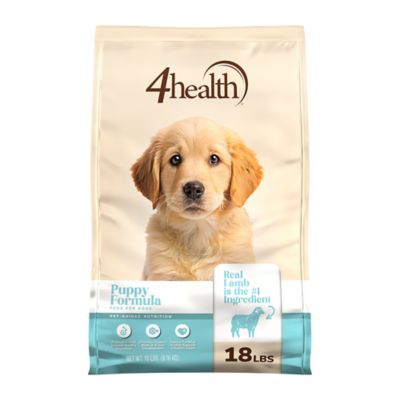
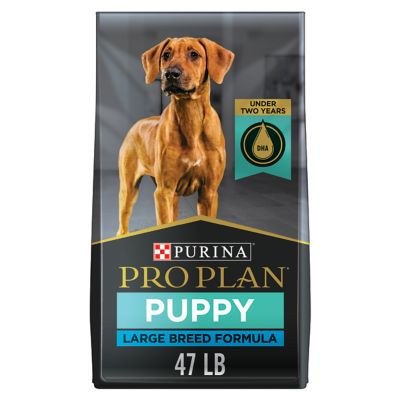
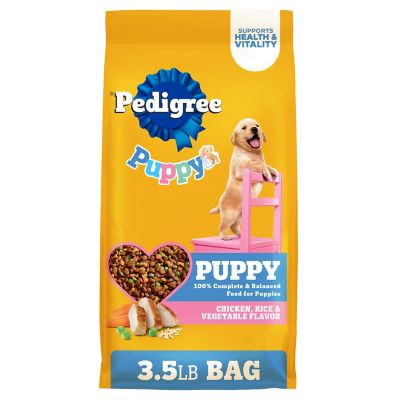
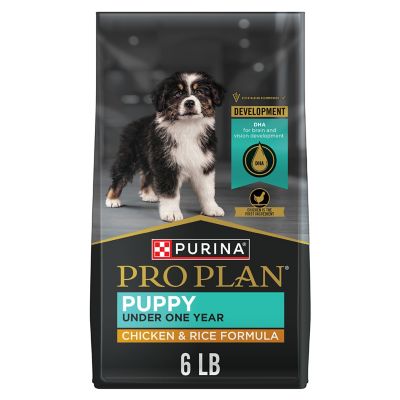
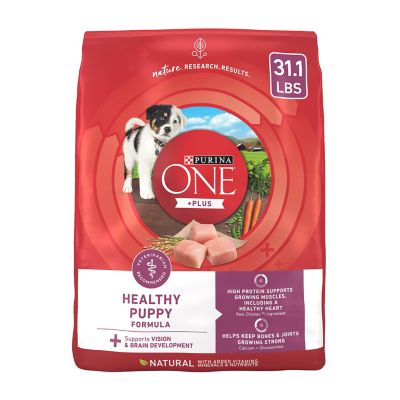
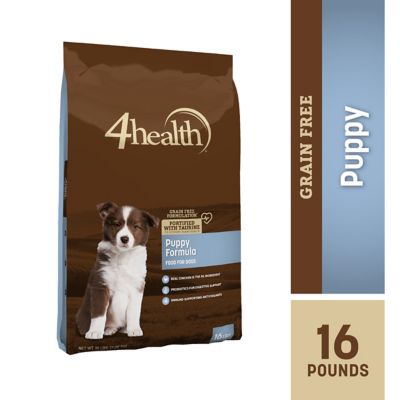
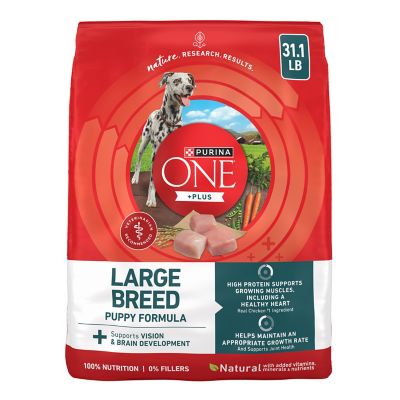
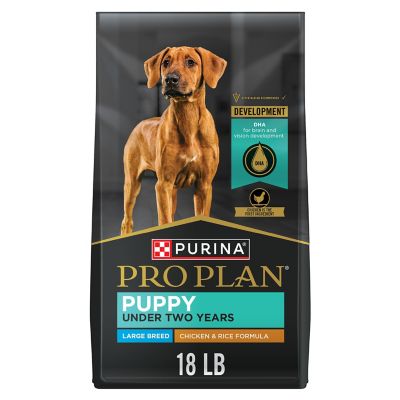
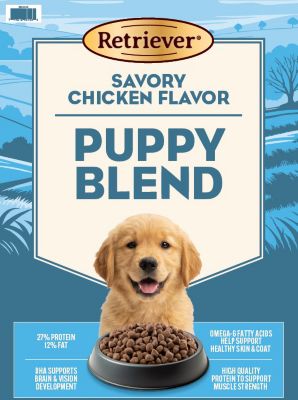
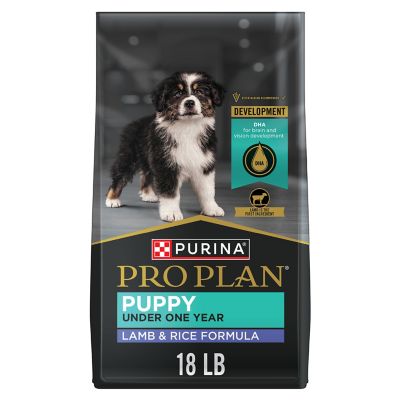
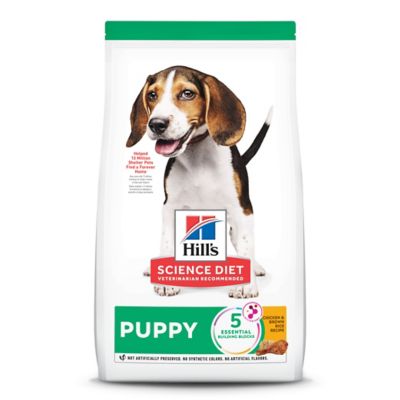
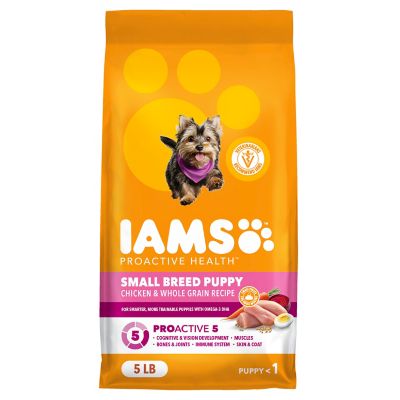
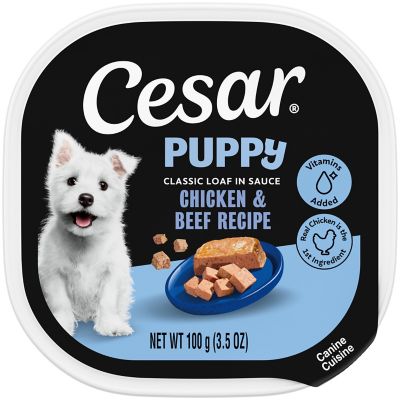
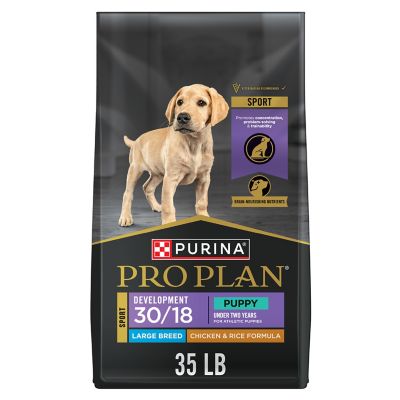
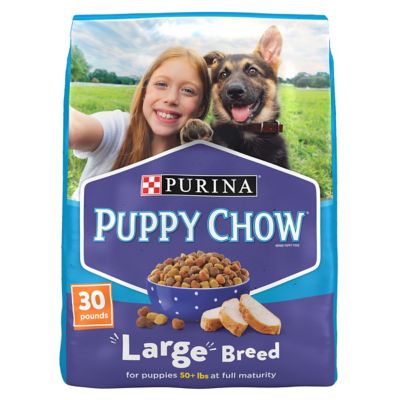
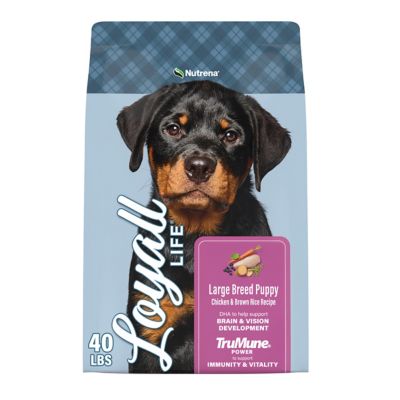
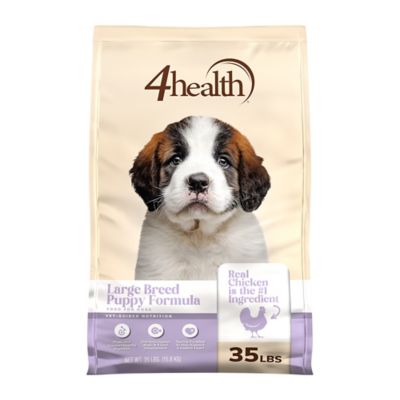
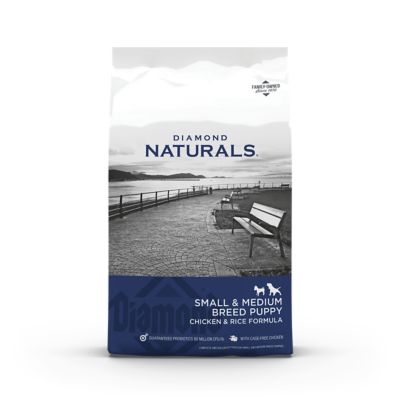
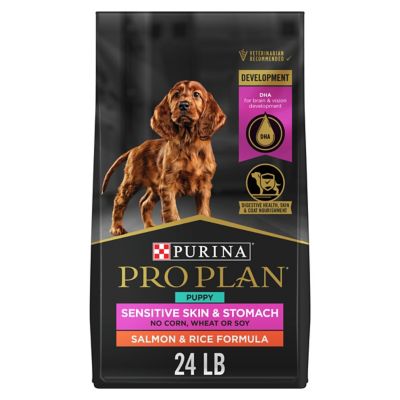
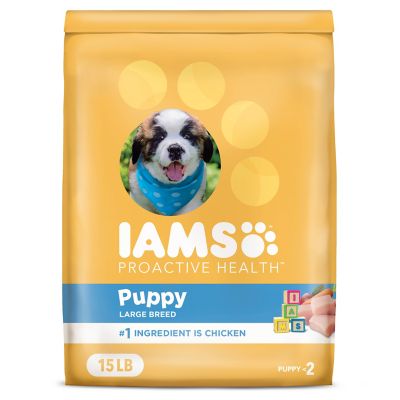
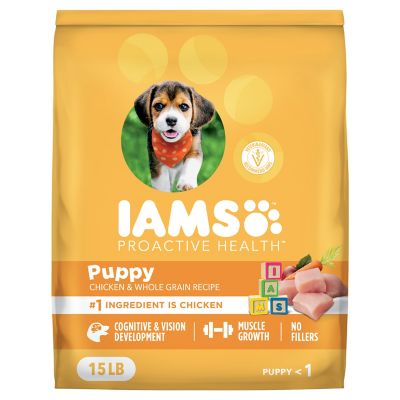
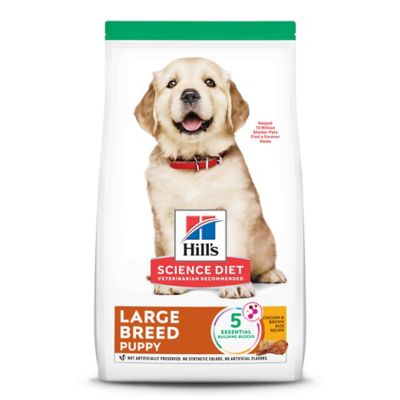
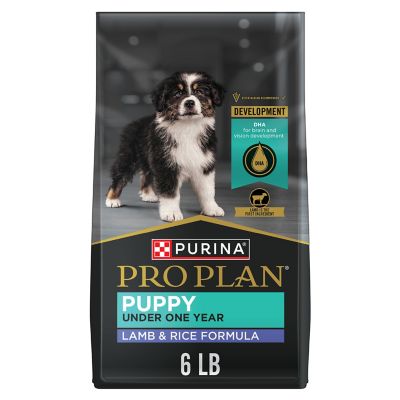
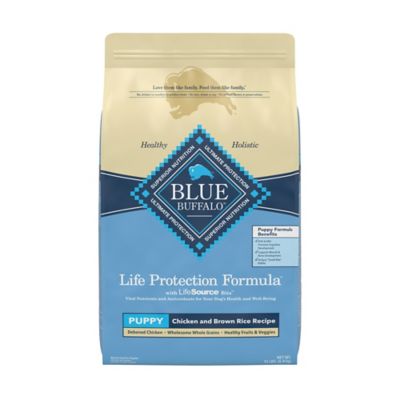
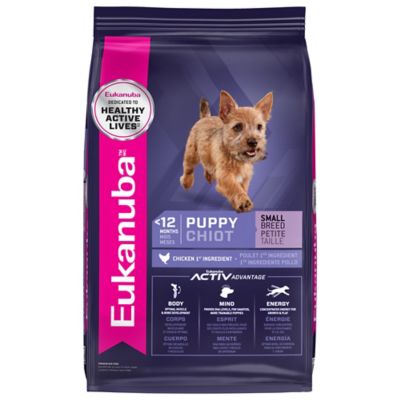
Puppy food with essential nutrients provides the protein, fat, vitamins, and minerals growing dogs need to support normal development. A pup stretched out on the kitchen floor after a round of play is doing more than resting: muscles, bones, teeth, and the nervous system are still developing. Complete and balanced puppy nutrition helps support that work without depending on a handful of added supplements. Protein supplies amino acids for muscle and tissue development, while fat provides concentrated energy and essential fatty acids. DHA, an omega-3 fatty acid often supplied by fish oil or other marine sources, supports normal brain and vision development. Omega-6 fatty acids help maintain healthy skin and coat, and vitamins and trace minerals contribute to normal immune function and metabolism. Calcium and phosphorus support bones and teeth, but their balance matters just as much as their presence, especially for puppies headed toward a large adult size. More calcium is not automatically better, and adding a mineral supplement to a complete puppy diet can upset that balance. The nutritional adequacy statement on the package identifies whether a food is complete and balanced for growth or all life stages under Association of American Feed Control Officials, or AAFCO, standards. A food labeled only for adult maintenance does not meet the same life-stage requirements. For a puppy expected to weigh 70 pounds or more as an adult, that statement should include growth of large-size dogs. Some recipes exclude that group, even when they otherwise support growth. Large-breed puppy nutrition is about supporting steady development rather than pushing a pup to grow faster. Age, expected adult weight, body condition, and a veterinarian’s advice all help narrow the choice, whether the new arrival is a little lap companion or a long-legged pup already reaching the edge of the kitchen bench.
When comparing
Puppy Food, texture and serving format matter alongside the nutrient profile. Dry puppy food offers measured portions and straightforward storage, while wet puppy food supplies more moisture and a softer texture. Either format can provide complete and balanced nutrition when the label confirms it is appropriate for growth. A combination can work, too, provided the total daily calories account for both foods rather than adding a full serving of each. Kibble shape and size affect how comfortably a puppy picks up and chews a meal, particularly for small mouths. Some puppies manage smaller pieces more easily, while others prefer a softer meal as their teeth develop. Water-softened kibble may be an option when prepared according to package directions, with leftovers handled promptly rather than left sitting in the bowl. Ingredients such as meat, poultry, fish, and eggs can supply protein, while fats and oils contribute energy and fatty acids. Grains and other carbohydrate sources can provide energy, and certain fibers help support normal stool consistency. Prebiotic fibers nourish beneficial intestinal bacteria; probiotics are live microorganisms included in some formulas. Their presence does not replace the need for a complete nutrient profile, and digestive support claims should be considered alongside the whole recipe. An ingredient list alone cannot show whether a food supplies every essential nutrient in the right amount. A meat-first label is not a substitute for a growth-appropriate nutritional adequacy statement. Likewise, grain-free does not automatically mean better suited to a puppy, and grains are not a problem for every dog. For pups with persistent itching, vomiting, loose stools, or trouble gaining weight, veterinary evaluation is more helpful than repeatedly switching between proteins or removing ingredients without a clear reason. Familiar feeding habits also matter when a puppy first comes home: keeping track of the previous food and meal schedule gives the household a useful starting point while the pup settles into a new routine.
Everyday feeding details help turn a suitable puppy recipe into consistent nutrition. Package feeding charts offer starting portions, but puppies of the same age can need different amounts depending on expected adult size, activity, and body condition. A round belly after supper is not a dependable sign that the portion is right, and a constantly empty bowl does not automatically mean more food is needed. A puppy’s ribs should generally be easy to feel beneath a light covering of flesh, with body shape assessed in a way that accounts for breed and coat. A veterinarian can help interpret those signs and adjust portions as growth continues. Several smaller meals often suit younger puppies better than one large feeding, with the schedule changing as they mature. Training treats, chews, and table scraps contribute calories, too; keeping treats to no more than about 10 percent of daily calories helps leave room for complete and balanced meals. Part of the measured kibble allowance can also serve as a reward for coming when called or settling quietly beside the back door. When a different recipe becomes necessary, a gradual transition over about a week, or longer for a sensitive puppy, often makes the change easier on digestion. Storage deserves the same attention as serving size. Dry food keeps best in its original bag, tightly closed and placed inside a clean, dry container if extra protection is needed. Keeping the bag preserves the feeding directions, lot information, and best-by date. Food should stay away from damp feed-room floors, direct sunlight, and places a determined pup can reach. Opened wet food needs refrigeration and handling according to its label, and bowls need regular washing. Fresh drinking water belongs beside every feeding routine. As the puppy approaches maturity, the timing of a move to adult food depends on size and development rather than a single birthday shared by every breed. Steady portions, sensible storage, and nutrition matched to growth help support the dog through each stage of puppyhood.