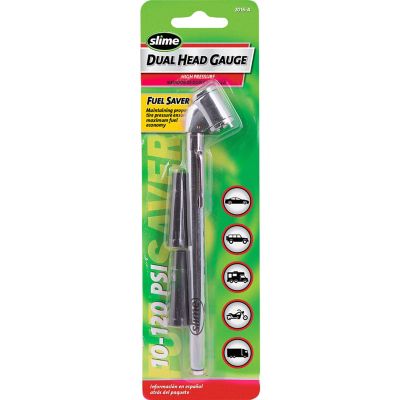
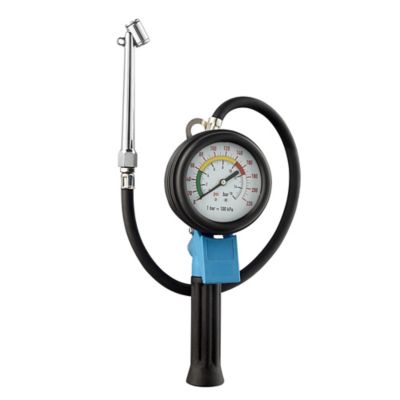
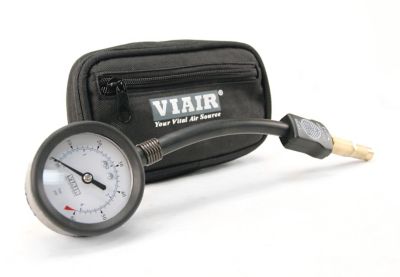
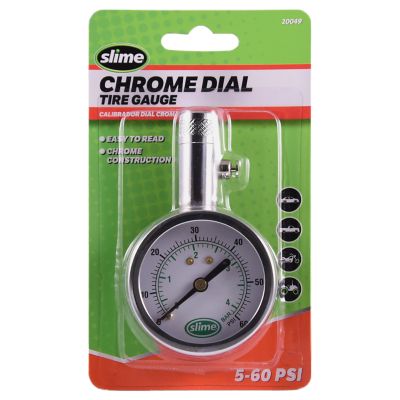
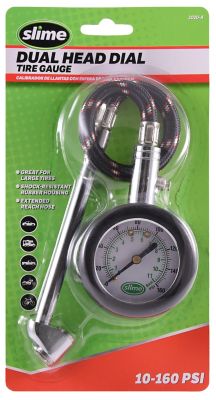
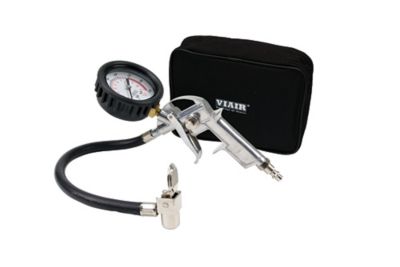
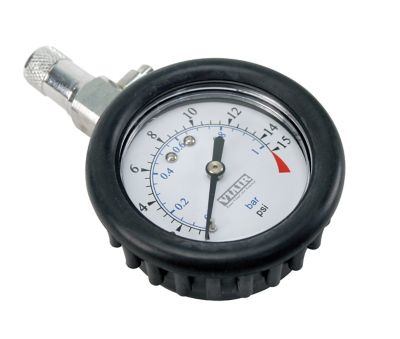
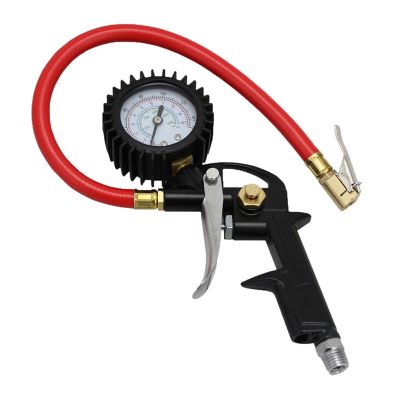
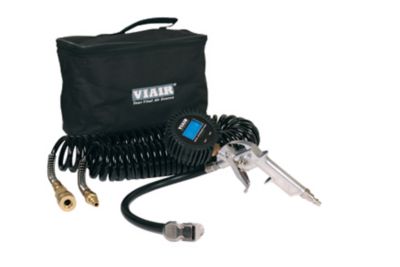
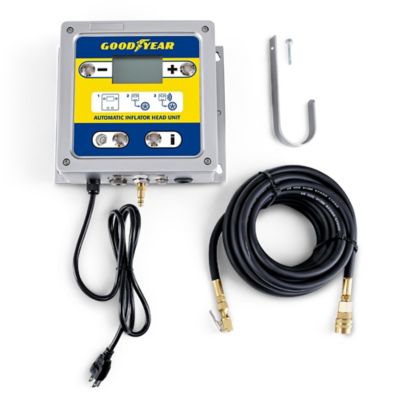
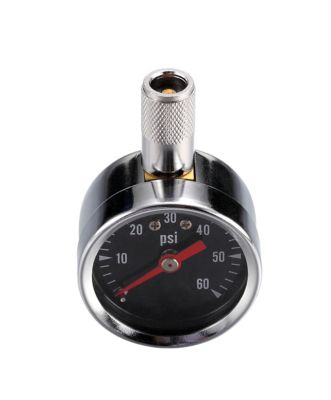
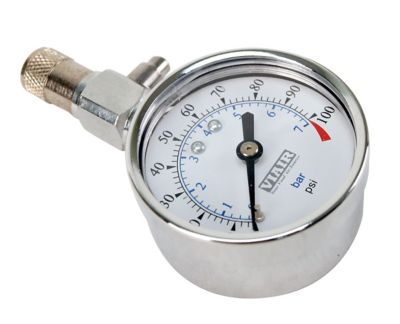
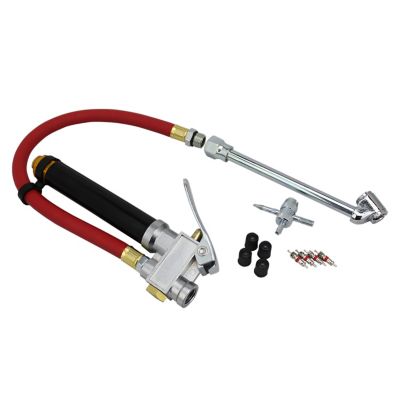
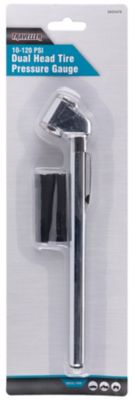
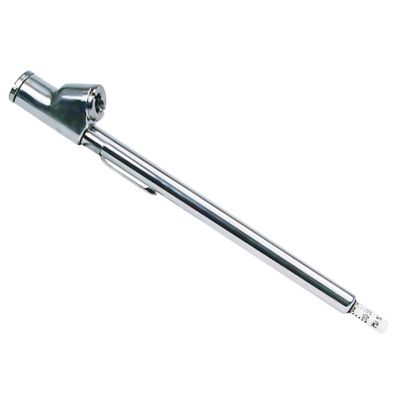
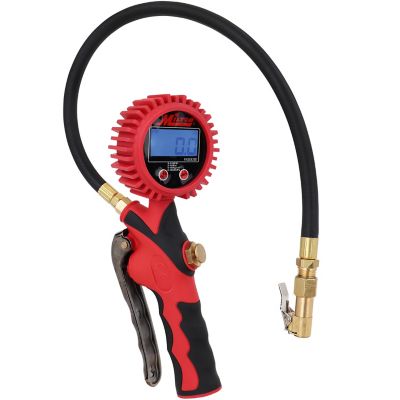
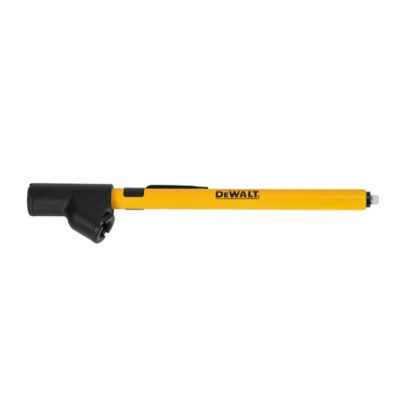
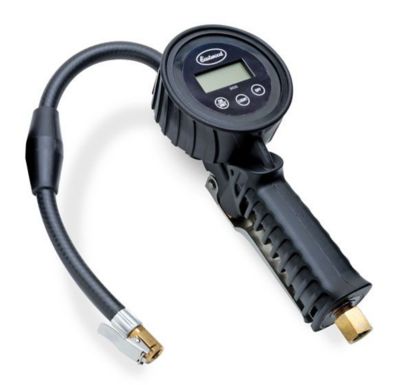
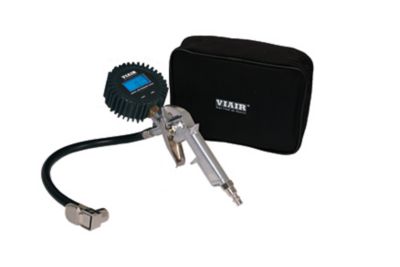
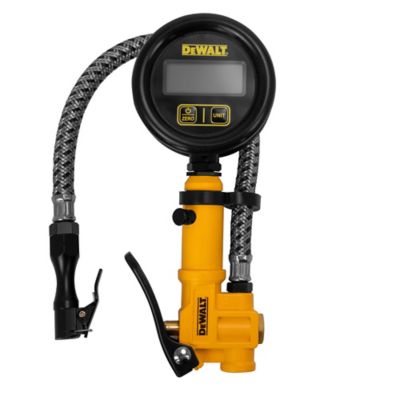
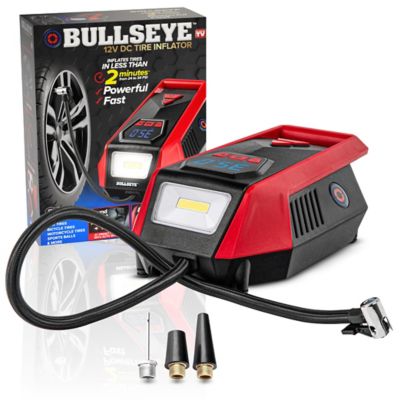
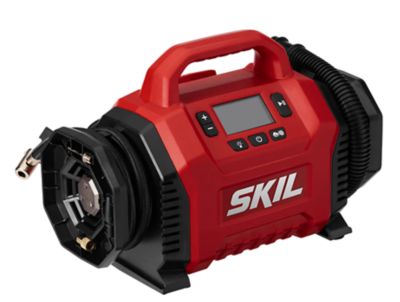
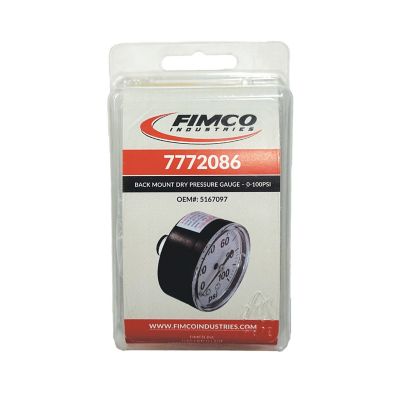
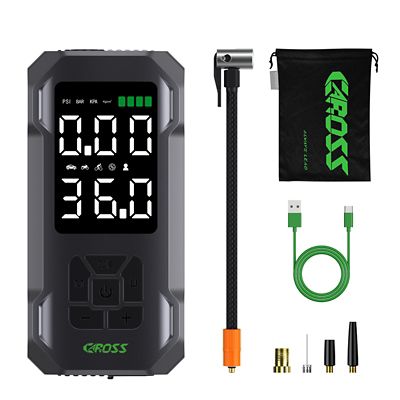
Air pressure gauges for tires measure inflation pressure, most often in pounds per square inch, or PSI. A clear reading takes the guesswork out of checking a pickup before hauling feed, a trailer before a long drive or a mower before heading across the yard. Proper inflation helps support even tread wear, predictable handling and the tire’s intended load capacity, while a gauge gives a more useful picture than judging the sidewall by eye. The main styles are pencil, dial and digital gauges, each with a different feel in the hand and a different way of displaying the reading. Pencil gauges have a sliding measuring bar and a narrow body that slips into a shirt pocket or glove box without taking much room. Dial gauges show pressure with a needle against a marked face, making the size of the numbers and spacing of the markings worth a close look. Digital tire pressure gauges display numbers on a screen, and some include a lighted display for checking valves tucked beneath a fender or inside a dim equipment shed. Pencil and mechanical dial gauges work without batteries, while digital models need battery care along with ordinary cleaning and storage. Across these styles, a readable display, a comfortable grip and a pressure range suited to the tire matter more than a long list of extras. A gauge with a very high maximum reading may have markings spaced too closely for small pressure adjustments on equipment that runs at much lower PSI. Some designs hold the reading after removal from the valve, which helps when the display is difficult to see while connected. Others include an air-release button for making small adjustments. A standalone pressure gauge checks inflation; it does not add air. Inflator gauges pair pressure measurement with an air connection, so compressor fittings, hose connections and operating requirements become part of the selection.
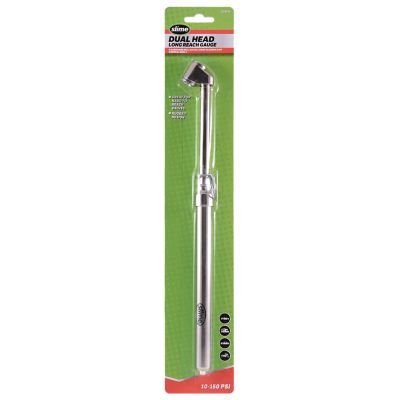
Fit starts at the valve stem and extends to the space around the wheel. Many cars, pickups, trailers, mowers and farm machines have Schrader valves, but bicycles and specialty equipment may call for another valve connection or a suitable adapter. A straight chuck works well where the stem is easy to reach, while angled heads, swivel connections and flexible hoses can make tighter spots less awkward. Dual-head chucks are intended to reach valve stems on dual-wheel setups, where the inner and outer tires can require different approaches. Anyone who has crouched beside a trailer wheel or reached between rear duals knows that access matters as much as the size of the display. The connection needs to seat squarely without forcing the stem sideways, and the hose should offer enough reach without leaving the gauge cumbersome to handle. Pressure range deserves the same attention. Passenger vehicles, higher-pressure trailer tires and low-pressure equipment do not all call for the same measuring scale. For applications where small differences at the lower end matter,
Low Pressure Gauges offer a category focused on lower operating ranges. The equipment manufacturer’s specifications remain the starting point for the target pressure. On a passenger vehicle, that information is generally on the driver’s door-jamb placard or in the owner’s manual; the maximum pressure molded onto a tire’s sidewall is not automatically the recommended setting for the vehicle. Front and rear recommendations can differ, and trailers or farm equipment may have requirements tied to their tires, axle loads and operating conditions. Recommended cold-tire pressure refers to a tire that has not been heated by driving; for passenger vehicles, checking after at least three hours parked generally provides that baseline. Equipment with liquid-filled tires needs a gauge specifically rated for that application. A standard air-only gauge may not be suited to contact with tire ballast, so the gauge instructions and tire setup both deserve attention before making that connection.
Materials and construction affect how a tire pressure gauge handles life in a cab, toolbox or busy farm shop. Metal bodies, brass connection parts and protective rubber surrounds are common features, though the overall design and care matter just as much as any single material. A broad dial can be easier to read at arm’s length, but a smaller body may fit better in a crowded glove compartment. A flexible hose can keep the display visible while the chuck stays on the valve, and a textured grip can help keep the tool steady in a work glove. For a gauge that travels between the pickup, utility trailer and equipment shed, a protective case or dedicated storage spot helps keep grit away from the chuck and prevents heavier tools from pressing against the display. Clean valve connections matter because dirt can interfere with the seal and make readings difficult to repeat. A brief hiss while seating the chuck can happen, but continued air leakage means the connection has not sealed properly. A clean cloth is usually enough for wiping the outside; soaking the tool or spraying cleaner into its openings can harm internal parts. Digital models also need attention to battery condition and the manufacturer’s storage instructions. After a hard drop, a damaged face or readings that no longer agree from one check to the next are reasons to inspect the gauge and compare it with a suitable reference. A pressure reading is only one part of tire care, alongside checking tread, sidewalls, valve stems and signs of leakage. For drivers, equipment owners and folks who handle routine maintenance, a gauge that is easy to reach and straightforward to read fits naturally into those checks. It also makes a practical gift for a new driver, a trailer owner or someone putting together a first shop toolbox, especially when its valve connection and pressure range match the equipment they look after.