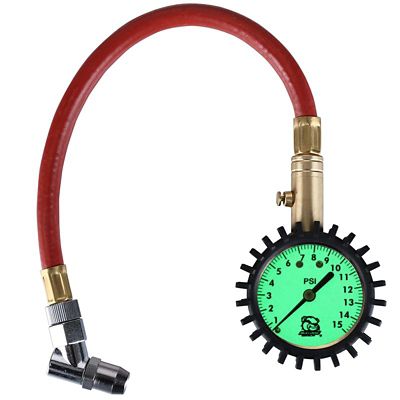
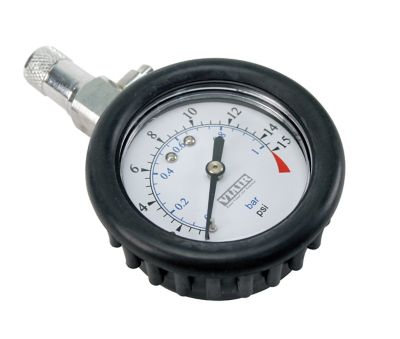
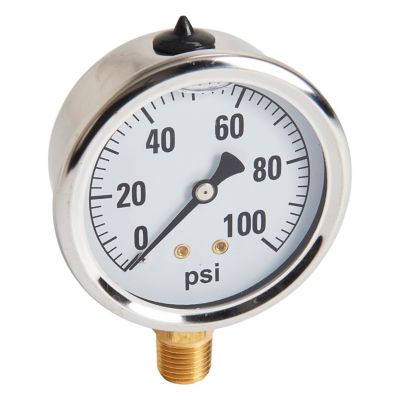
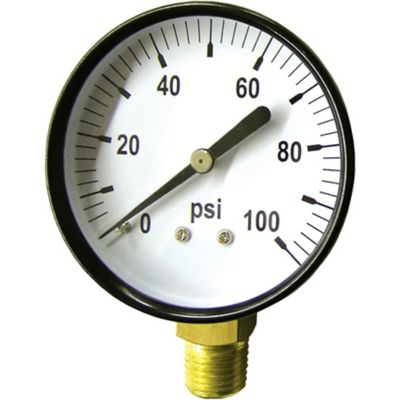
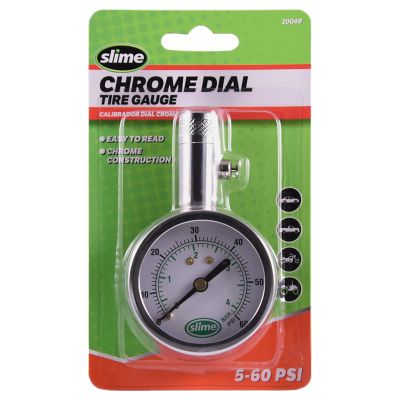
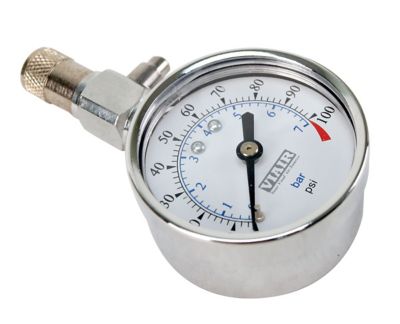
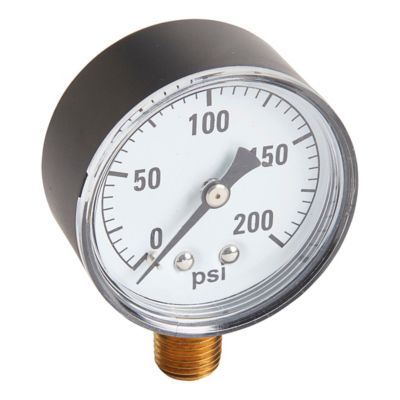
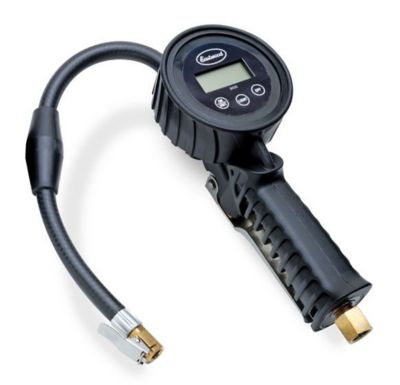
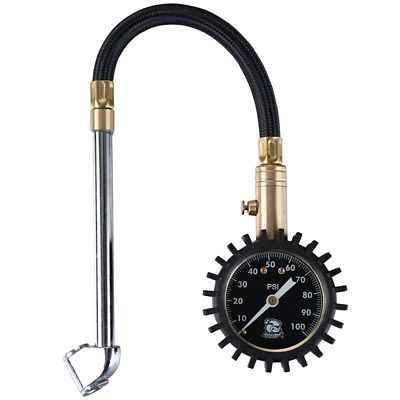
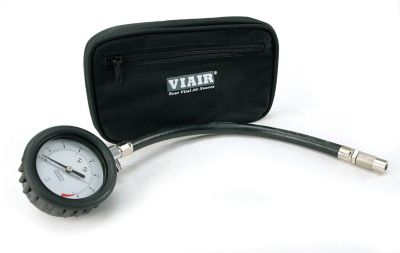
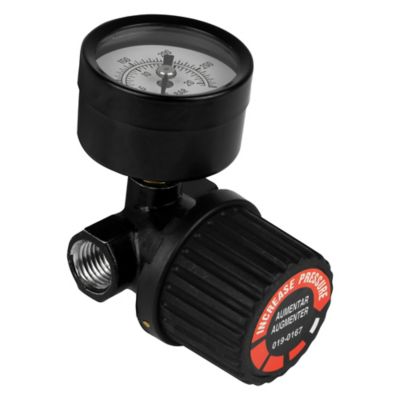
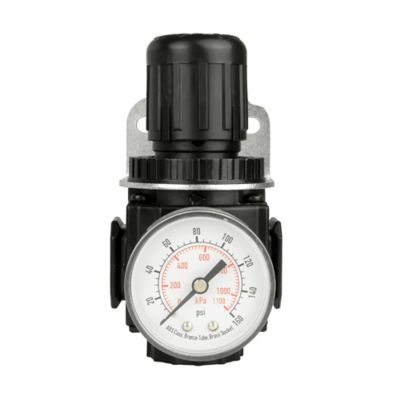
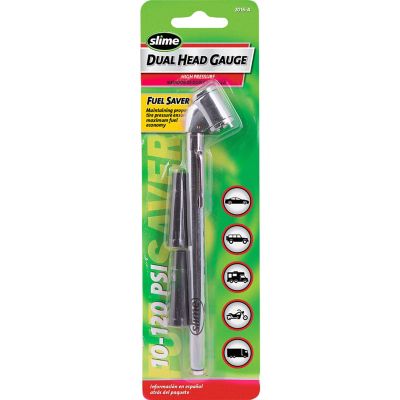
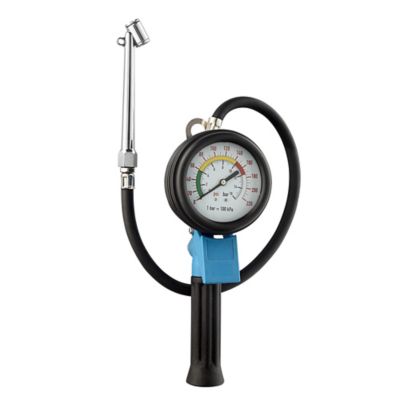
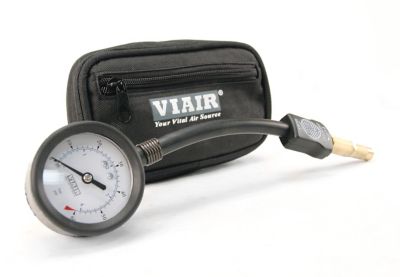
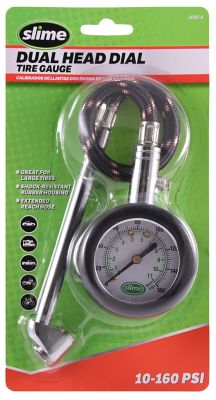
Low pressure gauges measure air, gas, or compatible liquid pressure within a relatively small range, making small changes easier to see than they would be on a high-range gauge. That matters when a few pounds per square inch can make a difference to equipment operation. Around a farm, shop, or acreage, these gauges may have a place on regulated air lines, certain pump systems, and low-pressure pneumatic tires. The application determines the right type: a tire pressure gauge connects to a tire valve, while an installed pressure gauge connects to a system port and stays in place for monitoring. They serve different jobs, even when their scales look similar. A broad scale meant for high-pressure equipment can crowd a low reading into the bottom of the dial, making it harder to judge small changes. A narrower scale spreads those readings across more of the face. Common low-range scales include 0–15 PSI and 0–30 PSI, though much lower pressures may call for instruments marked in inches of water column. PSI means pounds per square inch; inches of water column express smaller pressure differences and often appear in air, draft, and certain gas applications. The scale needs to suit both the normal operating pressure and the maximum pressure the gauge could encounter, following the gauge maker’s recommendations. A low-range gauge should never be connected directly to a source that can exceed its rating. Clear graduations, a readable pointer, and a face large enough to see from the normal viewing position all help with everyday checks. For a utility vehicle crossing pasture or a garden tractor working around the property, a low-range tire gauge can make small inflation changes easier to judge when the tire calls for low pressure. The correct inflation target still comes from the equipment and tire instructions, not from the gauge’s maximum reading. Digital displays offer another way to read pressure, but display resolution alone does not establish measurement performance; the stated tolerance matters, too.
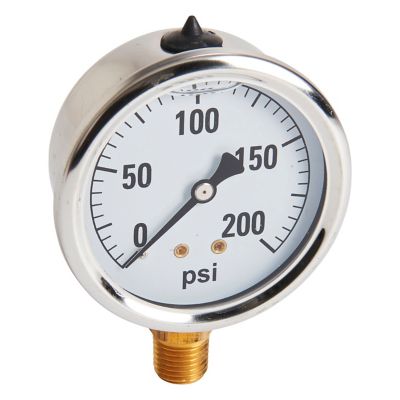
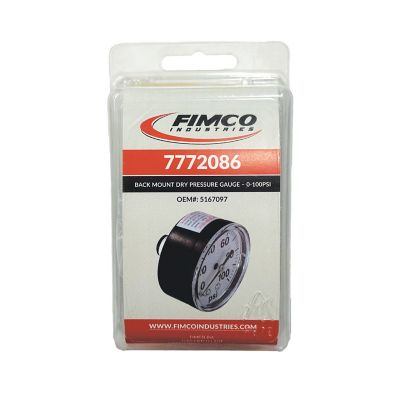
Construction and connection details help separate a gauge that fits the job from one that merely has the right numbers on its face. Low pressure gauges may have brass or stainless steel connections, metal cases, and glass or plastic lenses. The parts in contact with the measured air, gas, or liquid—often called wetted parts—must be compatible with that medium. A stainless steel case does not necessarily mean every internal part is stainless steel, and an instrument intended for dry air is not automatically suitable for water, fuel gas, or other fluids. Capsule and diaphragm mechanisms can respond to very small pressure changes, while some low-range gauges have a Bourdon tube that moves as pressure changes inside it. The mechanism, materials, and stated application limits belong together when comparing gauge types. For an installed gauge, connection size, thread style, and mounting position are just as important as pressure range. A bottom connection may work well on an upright pipe fitting, while a back connection can suit a panel or an arrangement where the dial faces forward. Nominal pipe-thread size is not the same as the outside diameter measured across the threads, and fittings that look close may not be interchangeable. There also needs to be room for the case and enough clearance to read the dial without leaning over moving equipment. Dry gauges can suit steady pressure, while liquid-filled designs help damp pointer movement where pumps or machinery create vibration. Case filling does not make a gauge suitable for every liquid or protect it from pressure beyond its rating. Strong pulsation or sudden pressure spikes may call for additional protection specified for the system. Fuel-gas service deserves particular care: only instruments expressly rated for the gas and application belong there, with installation and testing handled according to the equipment requirements and applicable codes. These details matter whether the gauge sits beside a shop compressor or on equipment near the barn.
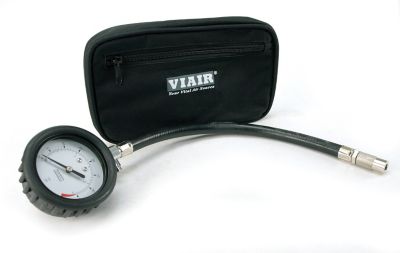
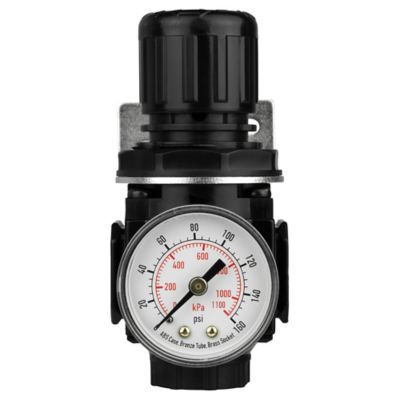
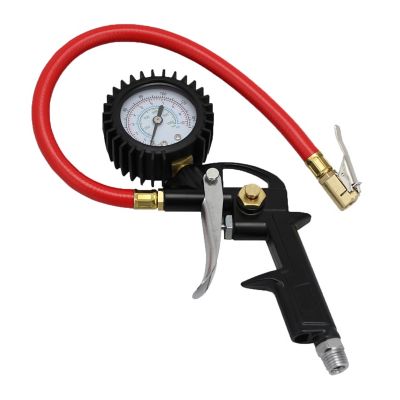
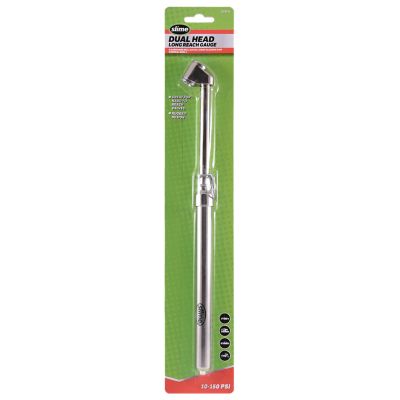
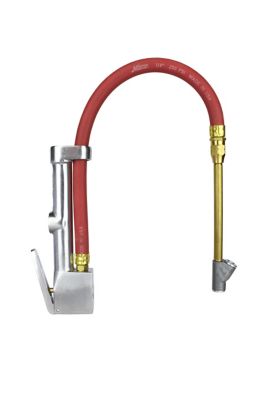
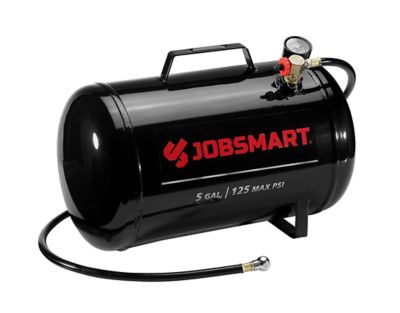
Everyday usability comes down to how the gauge meets the equipment and how well it holds up to its surroundings. For tire checks, chuck shape and access can matter as much as dial size. A valve stem tucked behind a wheel, close to a hub, or at an awkward angle may be easier to reach with a hose-style gauge than with a rigid body. A good seal at the valve helps prevent air loss during the reading, especially on smaller tires where a little escaping air can change the pressure noticeably. Some tire gauges include a controlled bleed function for fine adjustments, but that feature is separate from the gauge’s measuring range. On a compressed-air setup,
Air Tank Gauges monitor the storage side, while a low pressure gauge may monitor a suitably regulated downstream line. Those locations can have very different pressure requirements, so the instruments are not interchangeable just because their fittings match. Protection from knocks, dust, moisture, and vibration helps preserve the case, lens, and connection. A protective boot can cushion incidental bumps, although it does not make an instrument impact-proof. Keeping a portable gauge in a clean case or designated drawer helps keep grit away from its chuck and fittings. For an installed gauge, a mounting arrangement that avoids carrying pipe strain through the gauge connection helps protect the assembly. Cleaning should follow the manufacturer’s directions, with care around lenses, seals, and display surfaces. A bent pointer, cracked lens, leaking connection, or reading that no longer returns to its expected resting position is a reason to have the instrument checked rather than trust it for the next job. Periodic comparison with a suitable reference can help spot measurement drift, particularly where small pressure differences affect operation. For farm owners, mechanics, grounds crews, and folks maintaining their own equipment, the right gauge makes routine pressure checks more useful: it puts the relevant range in plain view, fits the connection without a makeshift arrangement, and suits the air or fluid being measured.