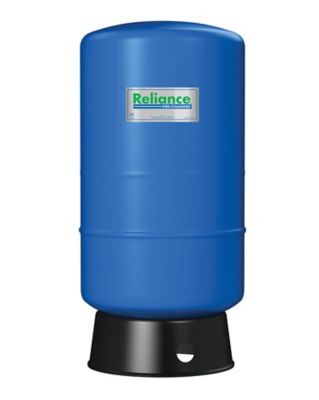
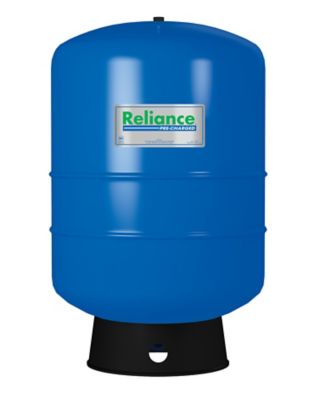
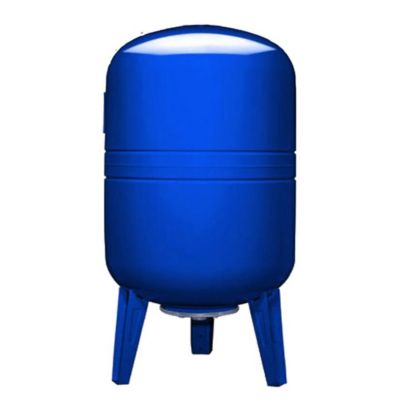
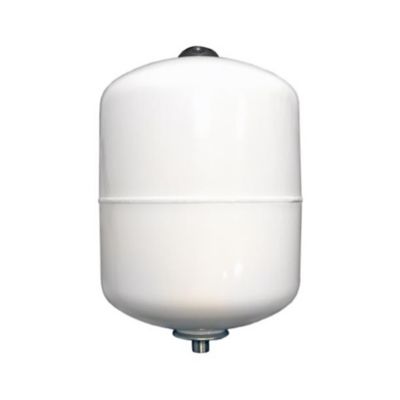
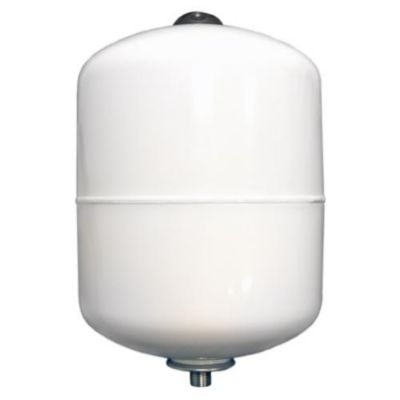
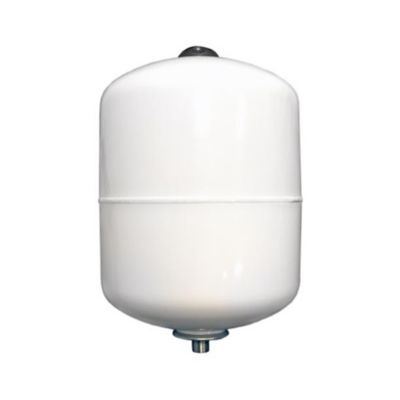
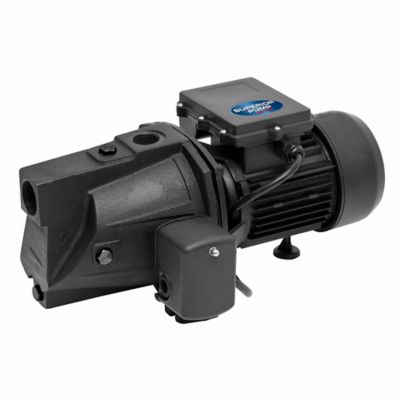
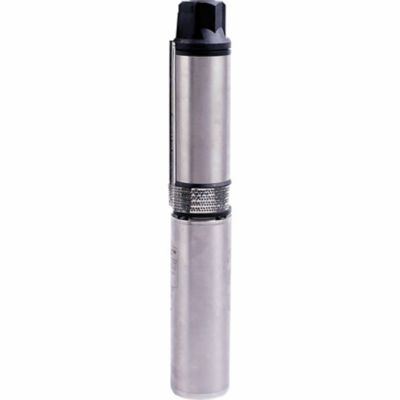
Well pump pressure tanks store water under pressure and help keep a well pump from starting every time a faucet opens. A cushion of compressed air pushes water into the plumbing between pump cycles, supporting steady delivery while reducing frequent motor starts. For a house on a private well, that makes the tank part of everyday jobs such as filling a stockpot, running a washing machine or rinsing mud from boots at a utility sink. On an acreage or small farm, the same kind of tank may serve a workshop, livestock watering lines or other plumbing supplied by the well. The pump brings water up from the source, the tank holds a working supply, and a pressure switch usually tells the pump when to start and stop. As water leaves the tank, pressure gradually drops to the switch’s cut-in setting. The pump then refills the tank until pressure reaches the cut-out setting. That rise and fall is normal, so a pressure tank supports a working pressure range rather than holding one exact pressure at all times. Common residential switch settings include 30/50 and 40/60 PSI, though the right range depends on the pump and the rest of the system. Well pump pressure tanks can work with shallow-well jet pumps, deep-well jet pumps or submersible pumps when their specifications line up. Pairing a tank with
deep well pumps calls for attention to pump output, operating pressure and water demand above ground, not just the depth of the well. A tank supplies water between cycles, but it does not increase the well’s natural yield or make an undersized pump deliver more water than its capacity allows. Its role is to help the setup run with fewer starts and enough working water storage to support everyday demand.
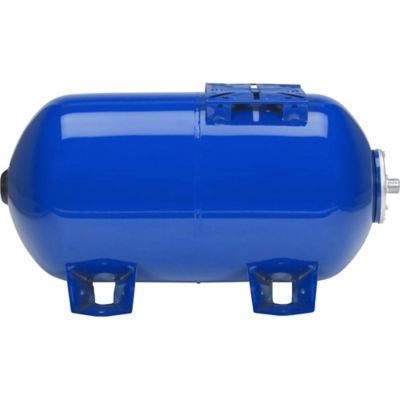
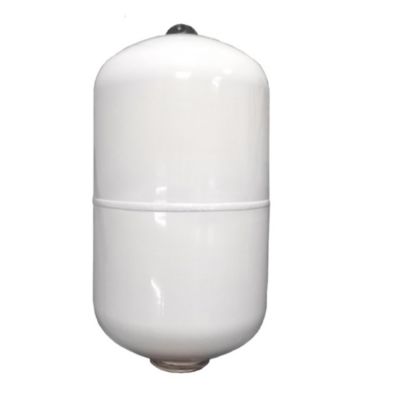
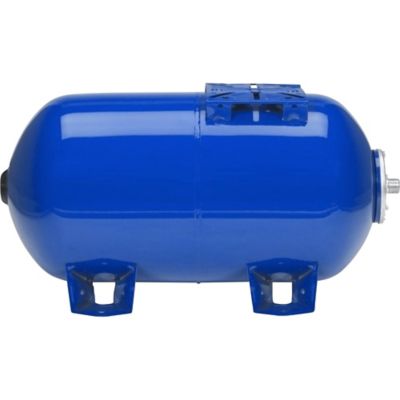
The gallon rating on a well pressure tank describes its overall capacity, not the amount of water it delivers before the pump starts again. That available amount is called drawdown, and it depends on the tank design, air charge and pressure-switch settings. Two tanks with similar overall capacities can have different drawdown ratings, making the manufacturer’s performance chart more useful than exterior size alone. A tank serving a farmhouse with several bathrooms has different demands to meet than one supplying a single sink in a detached shop. Filling a livestock trough or running several fixtures together also puts different demands on the system than an occasional glass of water. Tank sizing accounts for pump flow and the motor’s required minimum run time, along with the pattern of water use. More drawdown can allow longer intervals between starts, but tank selection still needs to match the pump manufacturer’s requirements. Construction type matters, too. Precharged diaphragm and bladder tanks separate air from water with a flexible internal barrier. That separation helps maintain the air cushion without the routine air replenishment associated with conventional air-over-water systems. Diaphragm and bladder designs are not identical, and whether an internal component can be replaced depends on the tank’s construction. Conventional galvanized air-over-water tanks work differently and may depend on air-volume controls or other equipment to maintain the proper balance. Replacing one style with another can require changes beyond the tank itself. Physical fit deserves the same attention as water capacity. Vertical tanks can make sense where floor space is limited, while horizontal designs may suit certain pump arrangements or low-clearance locations. Mounting orientation must match the tank’s intended design. Overall height, diameter, connection location and room around the base all affect whether a tank fits the installation. Space for inspecting the air valve, reaching plumbing fittings and eventually removing the tank can make a tight utility room much easier to work in.
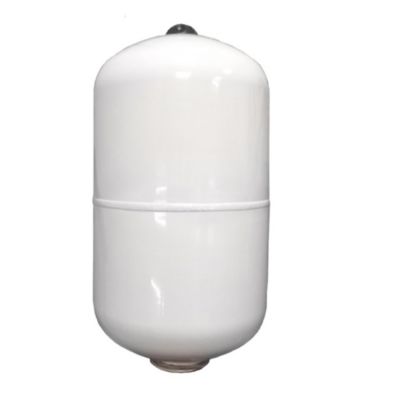
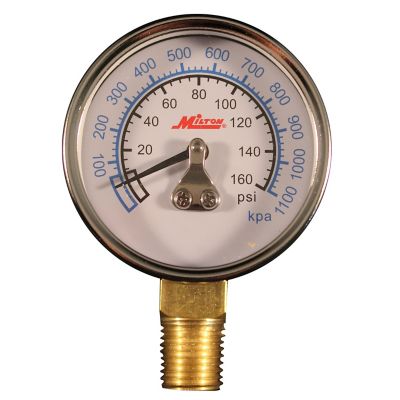
Materials and construction help determine how a well pump pressure tank stands up to its surroundings and regular service. Painted steel shells are common, while composite construction offers another option where corrosion resistance is a concern. In steel tanks, the exterior finish helps protect the shell, and the internal liner or water chamber helps separate water from surfaces that could corrode. Tanks supplying drinking water should have the applicable potable-water certifications or listings identified in their specifications. Maximum working pressure also needs to suit the system; a tank’s pressure rating is a limit, not a recommended switch setting. Connection size and thread type matter when matching existing plumbing, and a solid, level support helps keep the tank stable without placing strain on nearby pipes. A roomy basement installation and a narrow pump-house corner may call for different footprints, even when their water requirements are similar. Care centers on keeping the air charge correct, watching for leaks or corrosion and paying attention to changes in pump cycling. For many precharged tanks, the specified air charge is 2 PSI below the pressure switch’s cut-in setting, measured with pump power off and the water side drained and depressurized. The manufacturer’s directions determine the setting and service procedure for each tank. Rapid starts and stops, sputtering water or noticeable pressure swings can point to a tank problem, but leaks, switch trouble and other system faults can cause similar symptoms. Those signs deserve a system check rather than an automatic tank replacement. Proper pressure relief protection and sound electrical connections are also part of a complete installation, with a qualified well professional handling work beyond routine owner checks. A water-heater expansion tank is not an interchangeable substitute for a well pressure tank, even if the outside shape looks similar. Matching the tank’s purpose, drawdown, materials and connections to the property’s water system helps keep household chores, shop cleanup and animal watering moving along without unnecessary pump cycling.