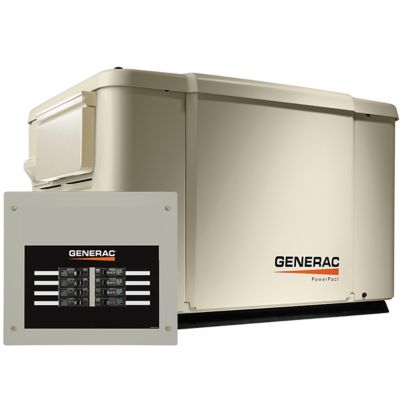
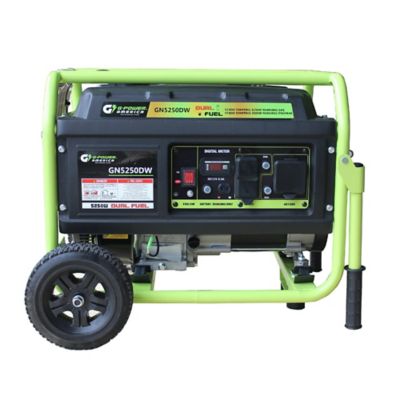
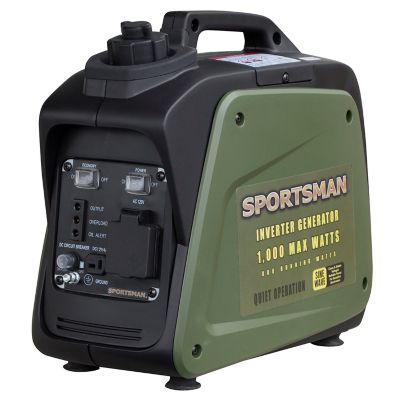
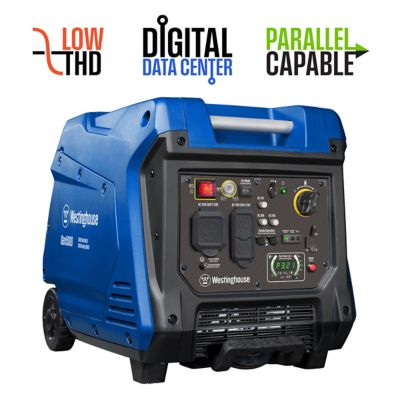
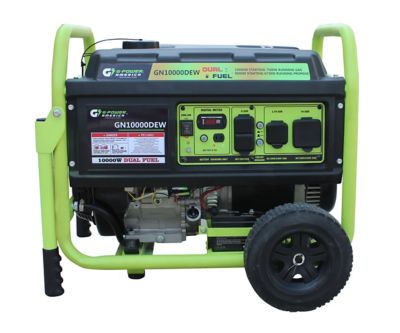
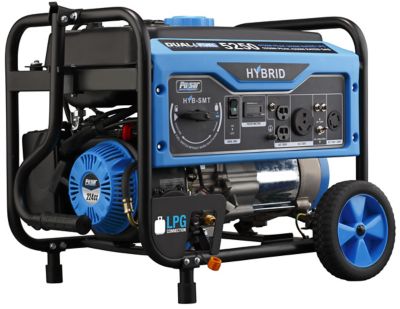
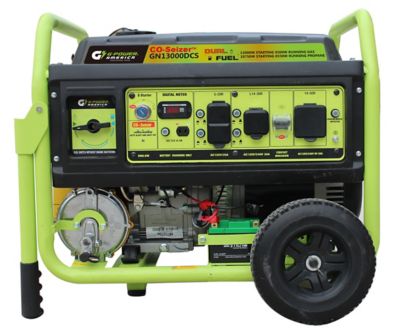
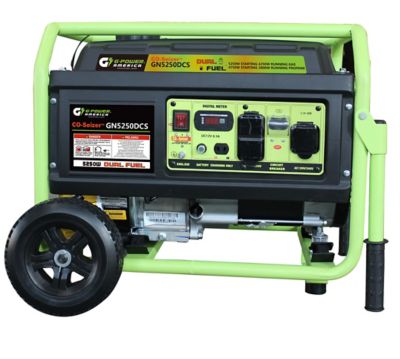
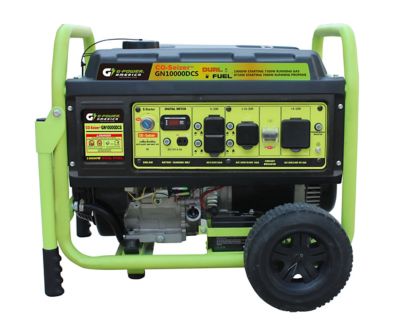
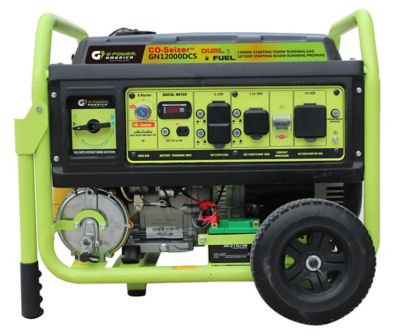
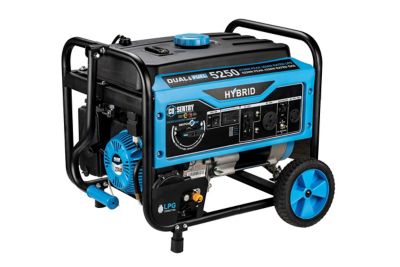
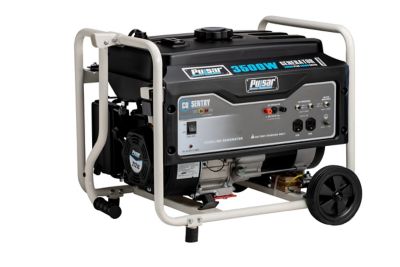
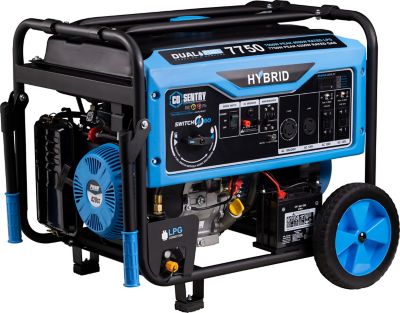
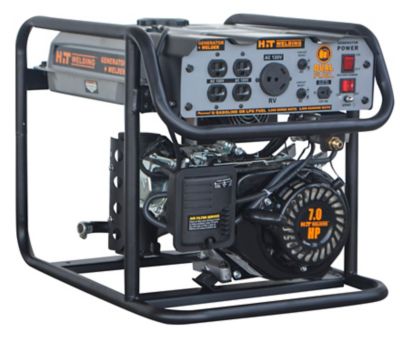
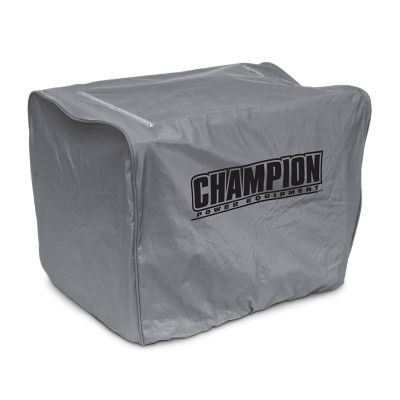
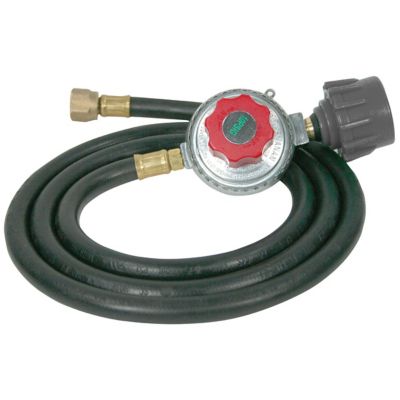
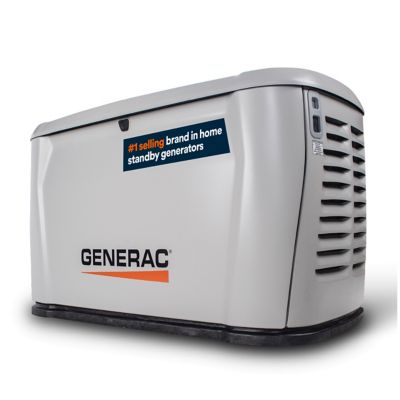
A propane generator for a house can help keep the lights on, the refrigerator cold, the sump pump running and essential equipment operating when severe weather, fallen trees, accidents or other utility problems interrupt service. Propane is a popular fuel for backup power because it stores well for long periods without going stale like gasoline can, and it typically burns cleaner with less noticeable odor. Homeowners in rural areas may already have a propane tank serving a furnace, range, water heater or fireplace, making it convenient to connect a generator to an existing fuel supply. Others may prefer portable propane cylinders that can be stored and swapped as needed. When choosing a home backup generator, start by listing the appliances and circuits that matter most during an outage. A refrigerator or freezer, well pump, furnace blower, medical equipment, lights, internet equipment and a few outlets can add up quickly, especially when motors draw extra power while starting. Look at both running watts and starting or surge watts, then choose a generator with enough capacity to handle the combined demand without being pushed to its limit. Portable units are useful for flexible, temporary power and can be rolled into position when needed, while home standby generators are installed in a fixed location and are designed to provide more automatic coverage. A portable model may connect to appliances with heavy-duty extension cords or to selected home circuits through a properly installed manual transfer switch. A permanently installed standby system generally connects to the home’s electrical panel through an automatic transfer switch, allowing it to sense a utility failure and start within seconds. Transfer equipment is important because it helps prevent dangerous backfeeding into utility lines. Installation of a standby system, a transfer switch or a whole-house connection should be handled by a qualified electrician who can follow local electrical and fuel codes.
The right propane generator setup depends on the size of the home, the type of fuel supply and how much of the house you want to operate during an outage. A small portable generator may cover a refrigerator, lights, a few outlets and selected tools, while a larger unit may be better suited for a well pump, furnace, multiple refrigerators, garage-door openers and other high-demand equipment. Whole-home coverage often calls for a permanently installed standby generator sized by an electrician after reviewing the home’s electrical load. Fuel planning matters, too. Portable propane generators commonly use standard cylinders, but runtime varies with generator size, load, outdoor temperature and tank capacity. A large stationary unit connected to a properly sized residential LP tank can run for extended periods, though the available supply, regulator setup and local delivery options should be confirmed before installation. Keep extra cylinders upright and secured in a well-ventilated outdoor area away from ignition sources, doors, windows and low spots where leaking gas could collect. Never operate a propane generator inside a house, basement, crawl space, garage, shed or enclosed porch. Carbon monoxide can build up quickly in enclosed areas, even when a door or window is open. Set portable equipment outdoors on a dry, level surface, well away from the home and openings, and point exhaust away from the building. Follow the owner’s manual for clearance requirements, grounding, fuel connections, oil checks and extension-cord ratings. During the cooler months, inspect hoses, fittings and connections before starting the unit, since cold temperatures and rough weather can expose cracked parts or loose connections. A carbon monoxide alarm and working smoke alarms add another layer of protection, but they do not replace safe placement and proper operation. Anyone who may need to use the generator, including older family members or a neighbor checking on the property, should know where the fuel is stored, how the unit starts and which circuits are connected.
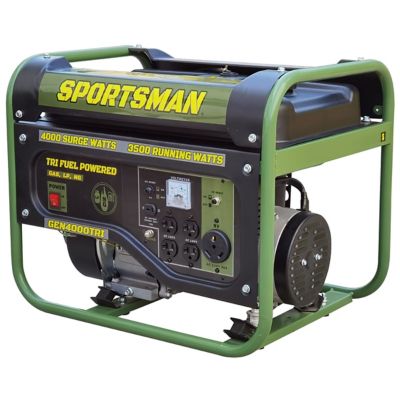
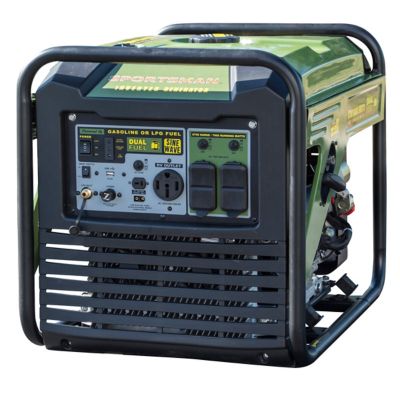
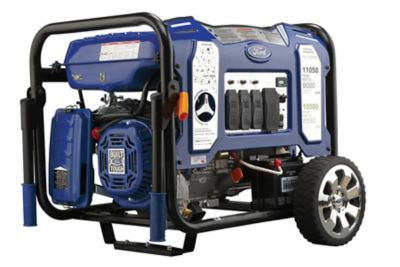
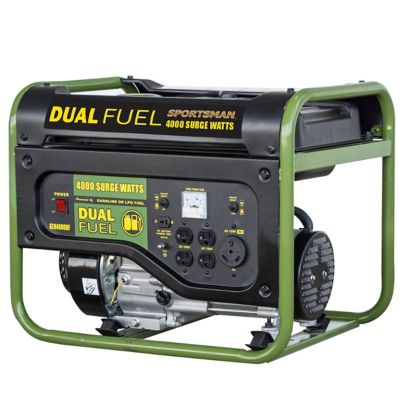
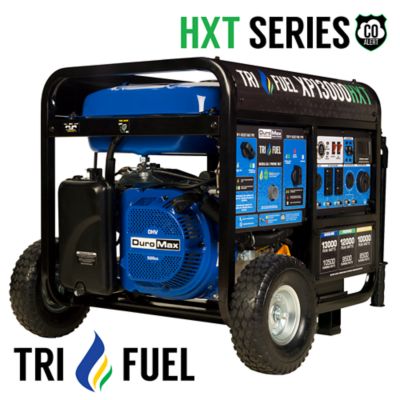
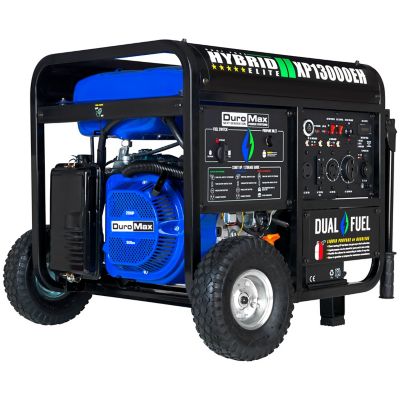
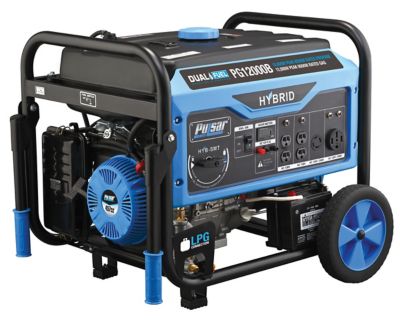
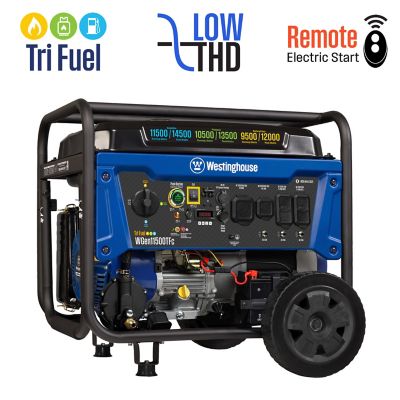
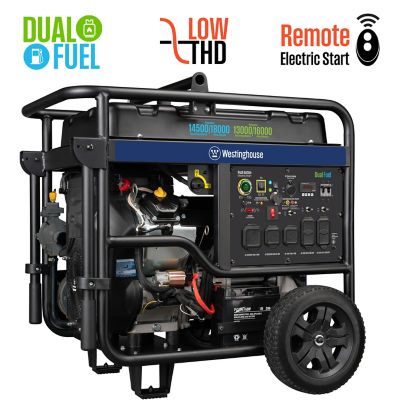
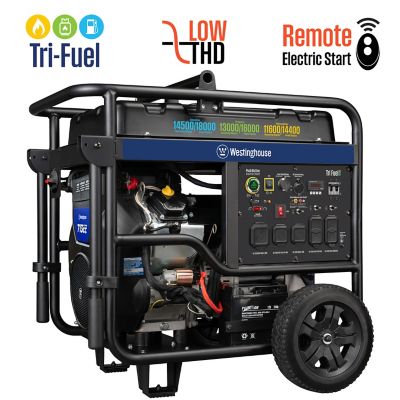
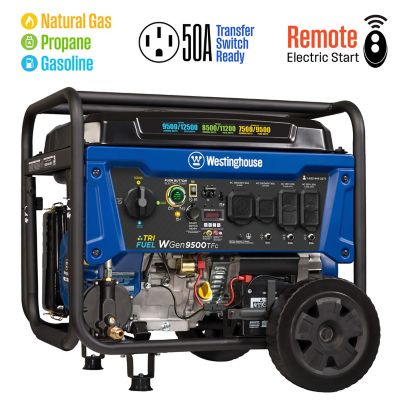
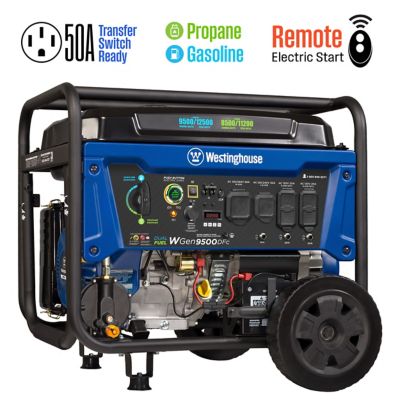
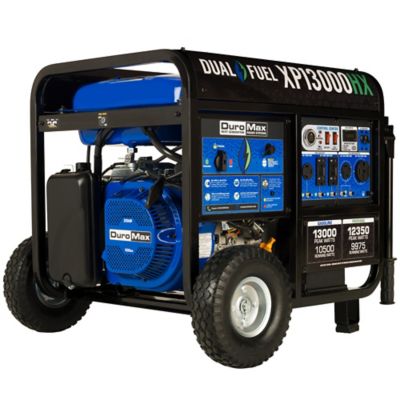
Before settling on a propane generator for house use, compare portability, power output, fuel flexibility, noise level, runtime, starting method, weather protection and maintenance needs. Some shoppers want a dedicated propane-only setup for dependable long-term storage, while others value a dual-fuel or tri-fuel generator that can run on propane along with gasoline or natural gas when available. A flexible fuel choice can be handy after a storm, when one type of fuel is difficult to find, though every fuel connection must be installed and used exactly as directed. Electric start can make a difference when the weather is cold or the generator is needed late at night, while a recoil start provides a simple backup if a battery loses its charge. Wheels and folding handles make a portable generator easier to move across a driveway or barn floor, but the machine should never be moved while running or hot. Consider the storage space, too: the generator needs a dry, protected location with good airflow, and propane cylinders need safe outdoor storage. Routine care is much easier before an emergency arrives. Run the generator according to the manufacturer’s recommended schedule, inspect the oil and air filter, check the battery on standby equipment, keep fuel connections clean and look for signs of wear or damage. Store heavy-duty outdoor-rated cords with the unit, and label the circuits or appliances that are intended for backup power. A written outage plan can save time when rain is blowing sideways and the freezer is warming up: keep the manual nearby, know how to shut off the main power if required, confirm the generator’s fuel supply and make sure everyone understands the safe starting and stopping procedure. For more help comparing fuel options and backup-power setups, see
Gasoline Or Propane Generator. A propane generator can be a practical addition for a farmhouse, suburban home, workshop or hunting cabin, giving families a dependable way to protect food, water systems, heat and communication equipment when the grid goes down.