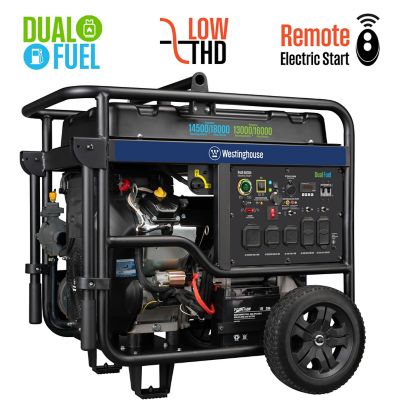
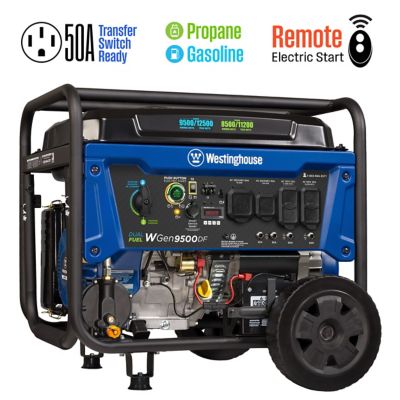
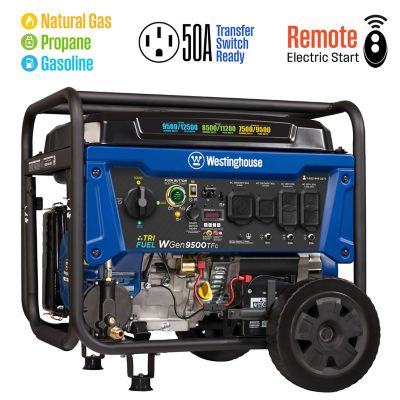
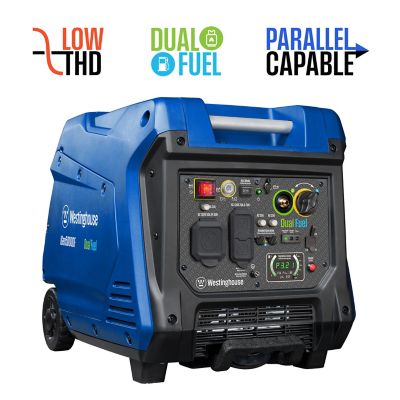
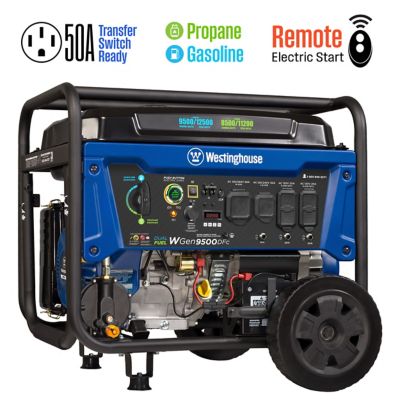
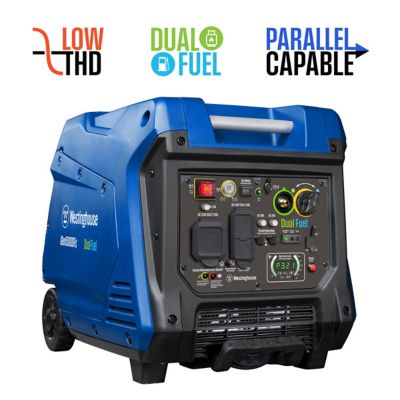
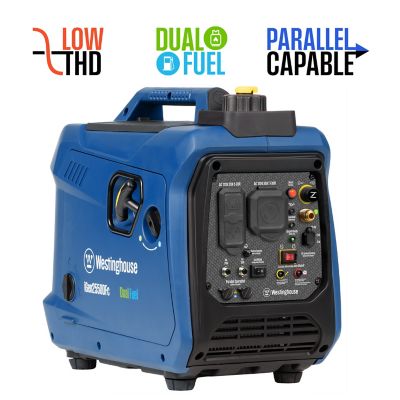
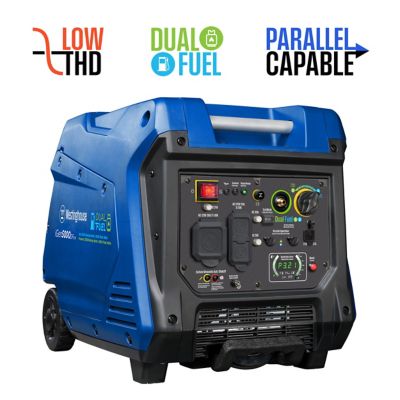
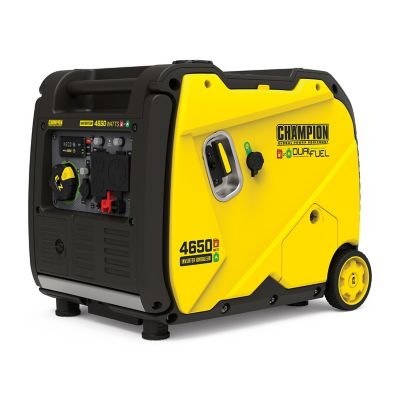
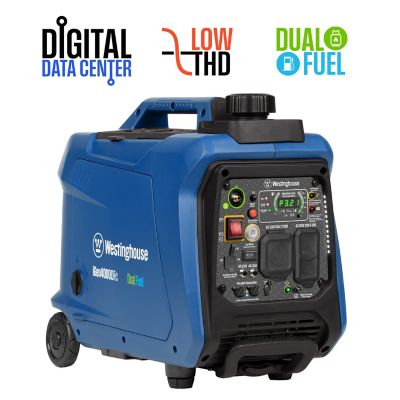
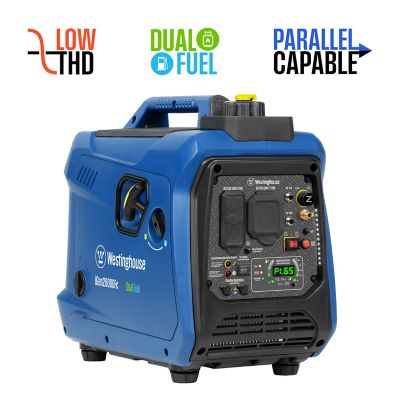
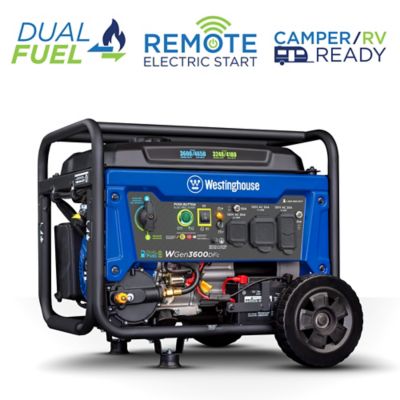
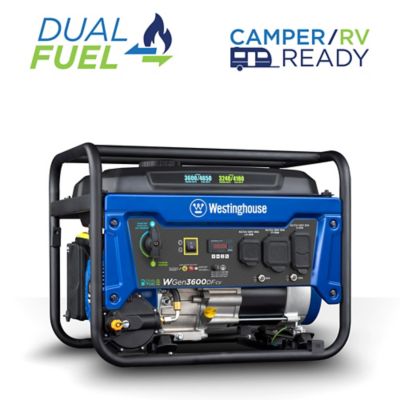
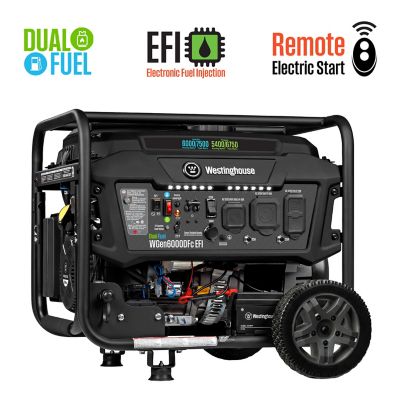
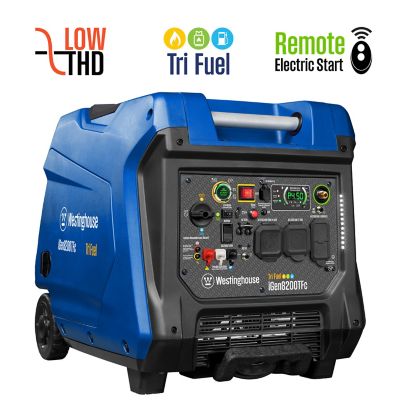
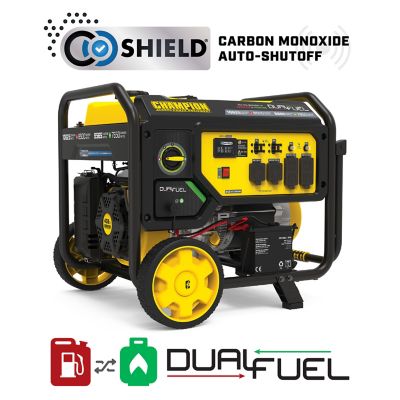
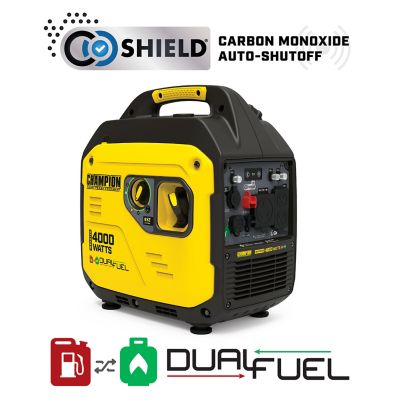
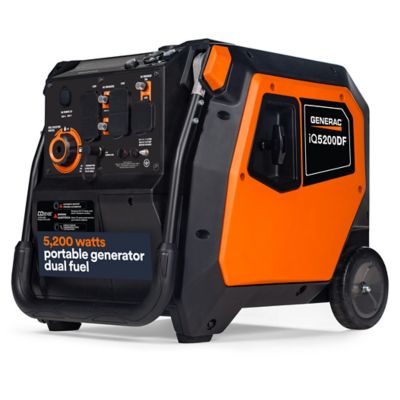
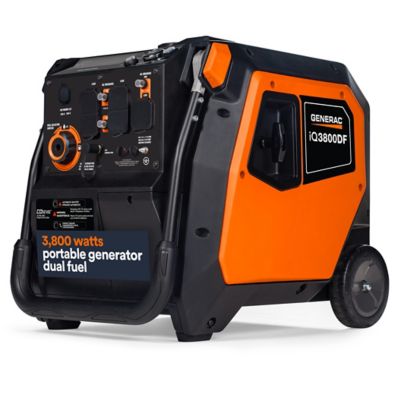
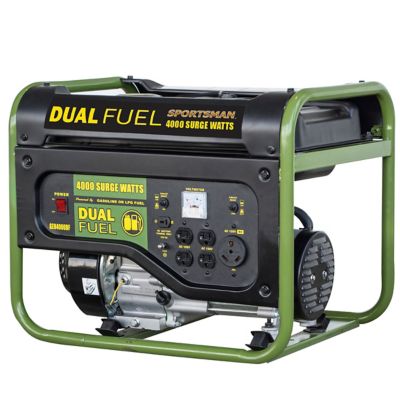
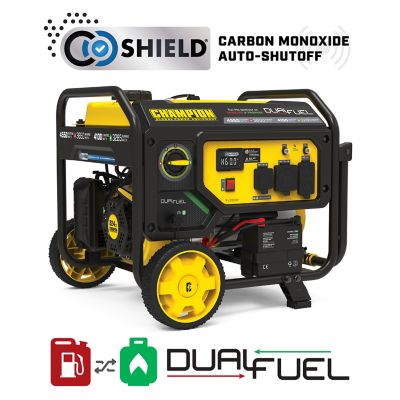
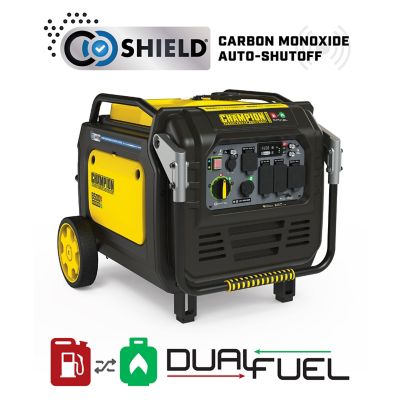
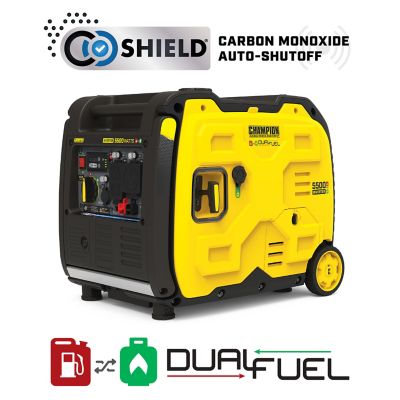
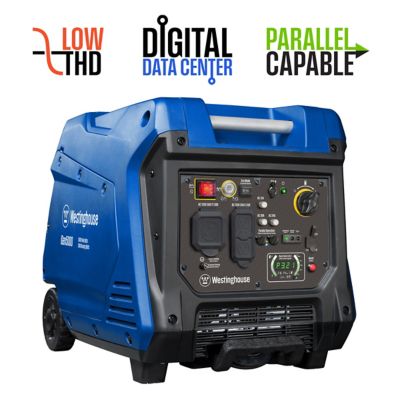
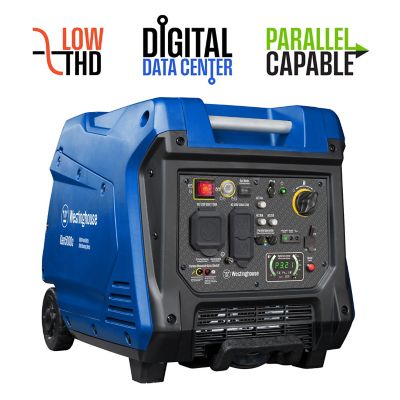
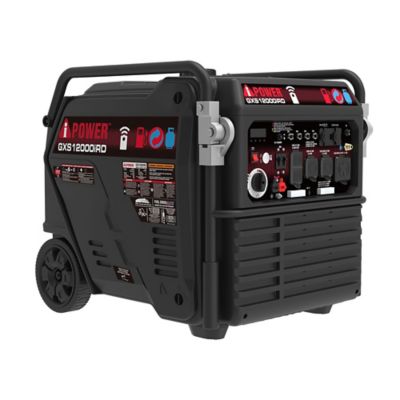
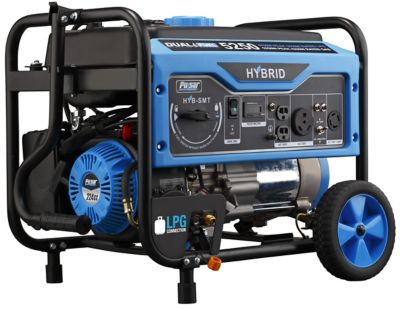
Propane fuel generators produce electricity by running an engine on propane, a fuel stored as a pressurized liquid in a cylinder or tank. They provide backup power at home and working power in places where an electrical hookup is out of reach. The category includes propane-only generators, dual-fuel generators that run on propane or gasoline, and tri-fuel generators that can also run on natural gas. Each fuel option has its own connection requirements, and electrical output can vary by fuel, so the propane wattage rating is the number that matters when comparing performance on propane.
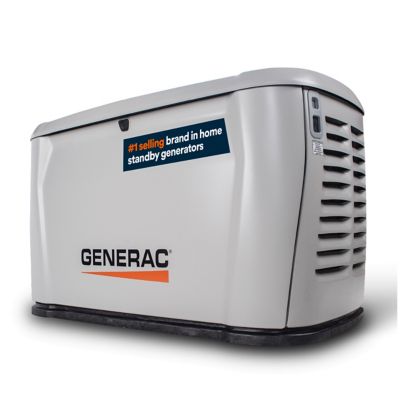
Portable Propane Generators suit jobs that call for movable power, whether that means supporting essential household appliances during an outage or running compatible equipment at a remote work area. Permanently installed standby generators serve a different purpose: they connect to a building’s electrical system through transfer equipment and can start automatically when utility power goes out. Depending on their capacity and installation, they may supply selected circuits or a broader household load. The right fit comes down to what needs power and how those loads behave. Running watts describe the power equipment needs once operating, while starting watts account for the brief extra demand from motors in equipment such as refrigerators, freezers, and well pumps. A pump kicking on while another appliance is running can make a bigger demand than either load alone. Generator capacity should account for those overlapping needs, not just a list of appliance wattages added together. For a place with livestock, that distinction can matter when keeping a compatible water pump working is part of the backup plan. For a home office or other electronics, an inverter generator may be worth considering when its power specifications meet the connected equipment’s requirements. Outlet types, voltage, amperage, and circuit protection matter alongside total wattage; enough overall power does not automatically mean every outlet can support every appliance. These details help distinguish a generator suited to a few essentials from one intended for larger electrical demands.
Propane storage and fuel connections are another part of choosing a generator that fits the property and the work. Portable cylinders offer a movable fuel supply, while larger stationary tanks can support longer operating periods when properly sized and connected. A larger tank does not, by itself, guarantee the fuel flow a generator needs. Regulator capacity, approved hoses, connection type, and the manufacturer’s fuel-supply requirements all play a part. Runtime figures also need context: they depend on the amount of propane connected, the generator’s efficiency, and the electrical load. Keeping a freezer running between compressor cycles is a different demand from operating several motor-driven loads together. Propane can remain in an approved container for extended storage without the same fuel-degradation concerns as gasoline, but cylinders, valves, hoses, and regulators still need inspection and care. Dual-fuel and tri-fuel equipment also retain maintenance requirements associated with any gasoline in the fuel system. Beyond the fuel supply, construction makes a practical difference when equipment has to travel across a property. Steel frames can help protect exposed components, while enclosed housings surround more of the machine and may help reduce operating sound. Wheels and handles make repositioning easier, but overall weight, lifting points, footprint, and the route between storage and the operating location deserve a close look. A generator that rolls comfortably across a smooth driveway may take more effort on gravel or uneven ground. Sound ratings are most useful when their test conditions are comparable, since distance and load affect the reading. For camping or travel-trailer use, compatible receptacles and the trailer’s electrical requirements matter just as much as portability. Some generators offer parallel capability, allowing compatible units to work together with the specified connection equipment. That feature is model-dependent, not something every pair of generators can do. Electric start, accessible controls, and readable fuel or operating displays can also make a difference when checking the machine before a job.
Around a rural home, a propane generator may support food storage, lighting, communications, or a properly matched pump during a utility interruption. At a work area, it may supply compatible corded tools when permanent power is too far away. Those uses call for more than enough wattage; they also call for a safe operating location and the right electrical connections. Portable generators belong outdoors, at least 20 feet from buildings, with exhaust directed away from doors, windows, and vents. They should never operate inside a house, garage, barn, shed, or other enclosed or partly enclosed space, even with doors open. Carbon monoxide from engine exhaust can be deadly. Automatic carbon monoxide shutoff features add protection but do not replace outdoor placement or working carbon monoxide alarms in occupied buildings. Connecting a generator to household wiring requires approved transfer equipment installed by a qualified electrician; plugging generator power into a wall outlet can energize utility lines and endanger others. Standby installations also require professional attention to fuel supply, electrical connections, clearances, and local requirements. For portable connections, properly rated outdoor extension cords and compatible plugs help match the generator to the load, with grounding and bonding handled according to the manual and applicable codes. Routine care keeps the equipment ready for its next assignment. Engine oil, air filters, spark plugs, batteries, and scheduled operating checks remain important even when propane is the only fuel. Hour meters and service reminders can make maintenance easier to track, especially when several people share responsibility for equipment around the place. Fuel containers need secure, upright outdoor storage in a ventilated location that meets applicable rules, and cylinder inspection dates deserve attention. Clear access to service points, replacement maintenance parts, and straightforward controls are practical ownership considerations. A well-matched propane generator brings together suitable output, manageable size, compatible fuel connections, and a maintenance routine that fits the work it is expected to handle.