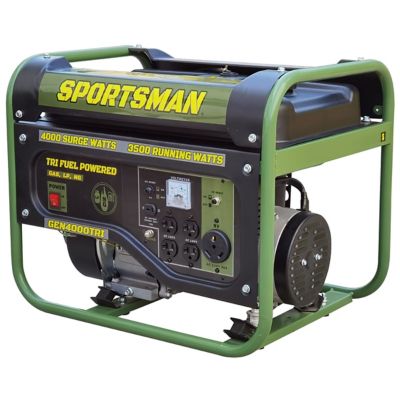
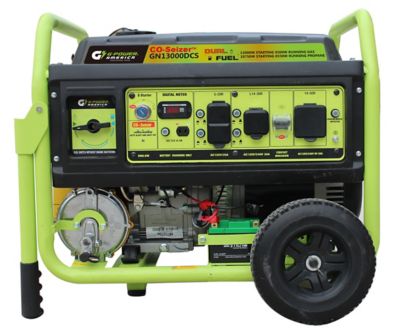
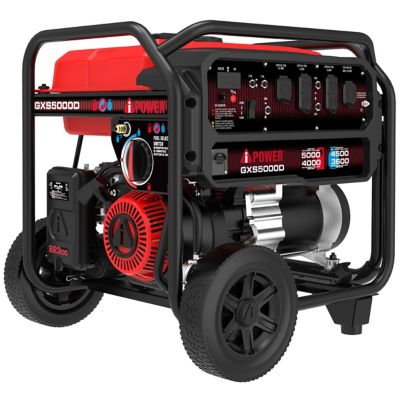
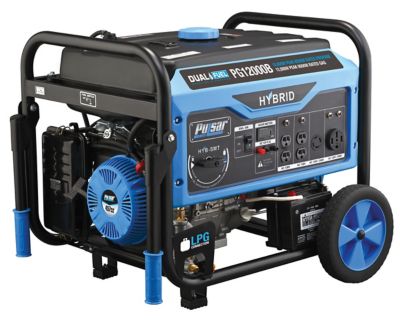
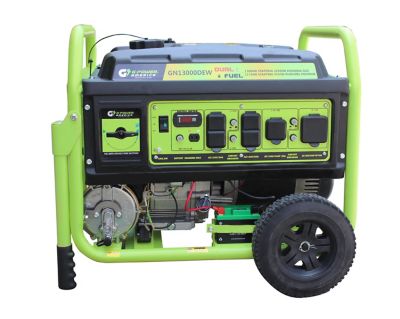
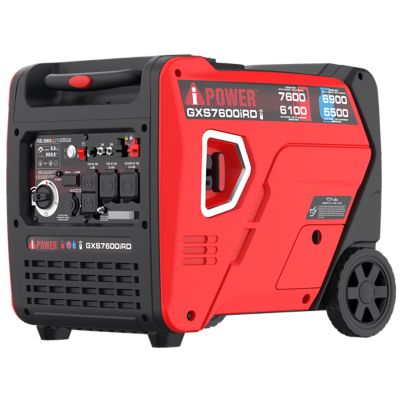
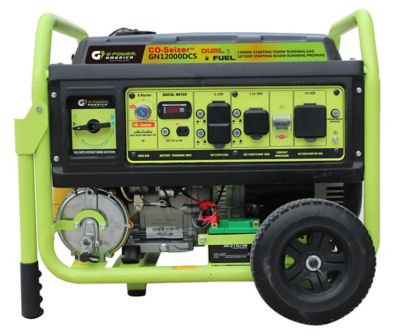
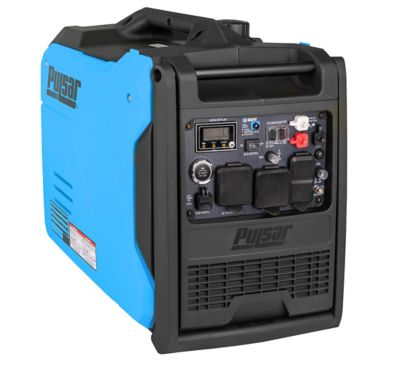
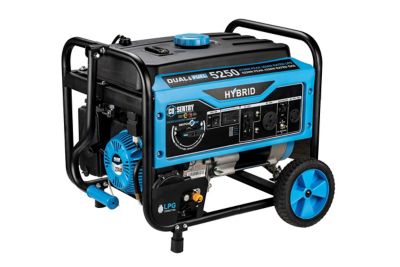
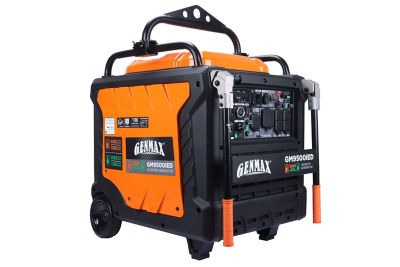
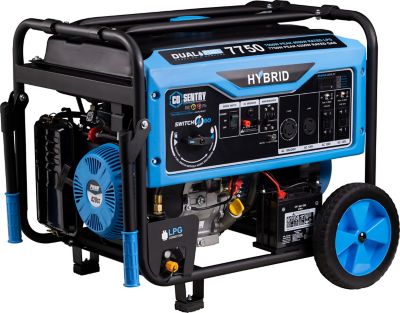
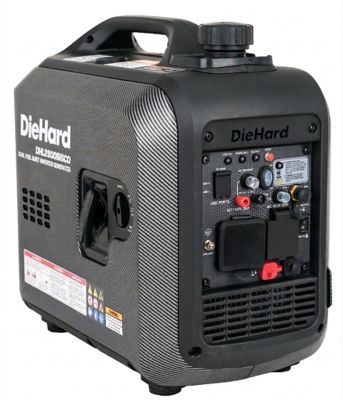
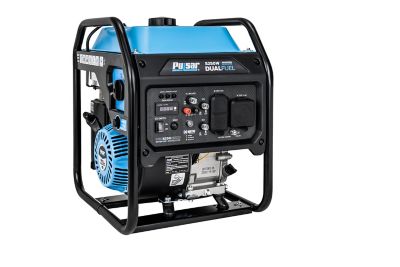
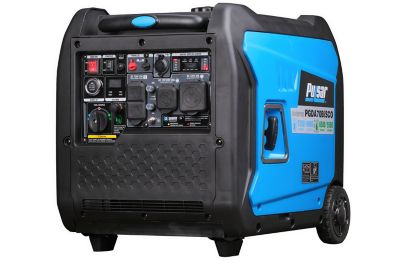
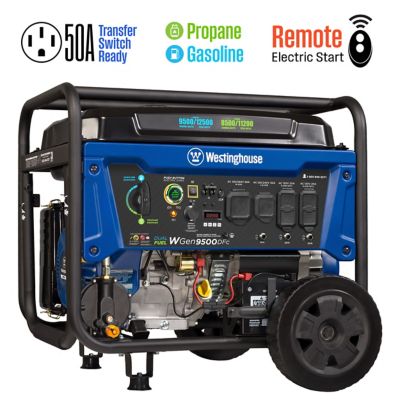
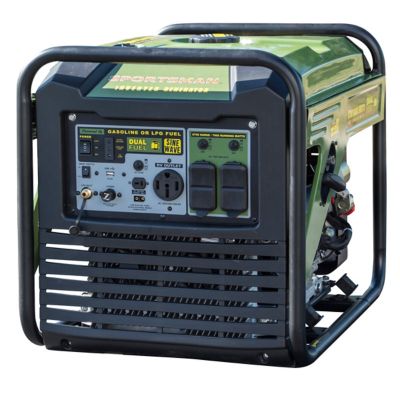
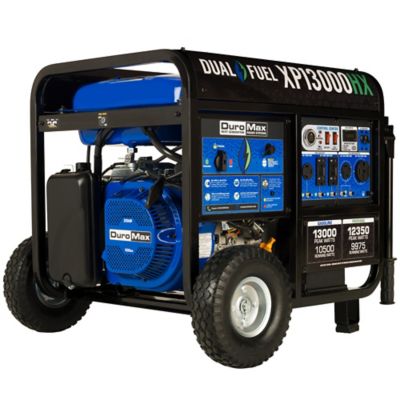
Propane backup generators offer a dependable way to keep important equipment running when a storm, downed line or other outage interrupts electrical service. These generators use liquid propane from a cylinder or larger on-site tank to produce electricity, giving rural homeowners, farms, workshops and small businesses another source of power when the utility line goes quiet. Propane has a long shelf life and does not go stale in storage the way gasoline can, which makes it a practical fuel to keep on hand for emergency use. It also gives you a fuel option that is separate from the electric grid and, in many areas, separate from a natural gas line that could be damaged or interrupted during a widespread outage. When choosing among propane backup generators, start by thinking about what you truly need to run. A refrigerator or freezer, sump pump, furnace blower, well pump, lights, internet equipment and a few outlets may require much less capacity than an entire home with central air conditioning, electric heat, a water heater and a large workshop. Add up the starting watts for motor-driven appliances along with their running watts, and leave room for equipment that may need to start at the same time. A generator that is too small may struggle or trip its breaker, while an oversized unit can cost more to purchase, install and operate than your backup plan requires. Portable propane generators are a flexible choice for people who want to move power where it is needed, whether that means the house during an outage, a barn, jobsite or hunting camp. Browse
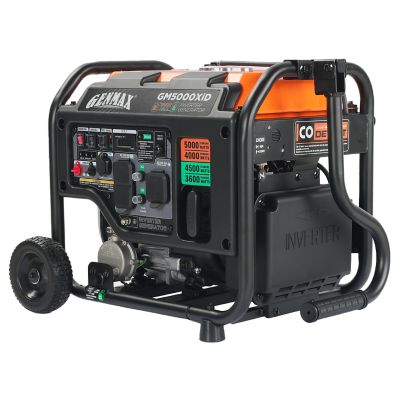
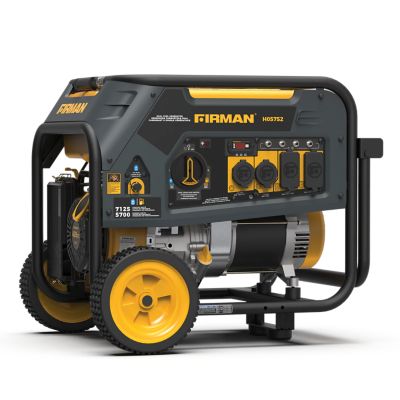
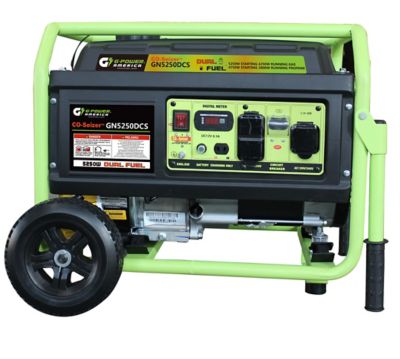
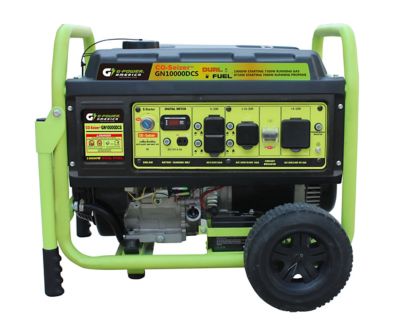
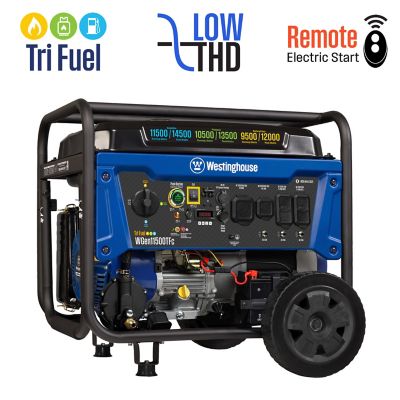
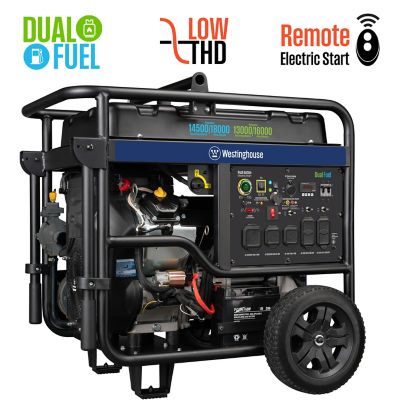
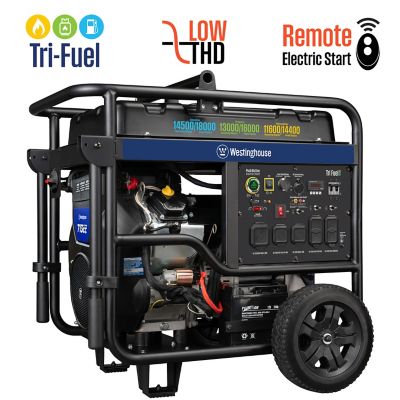
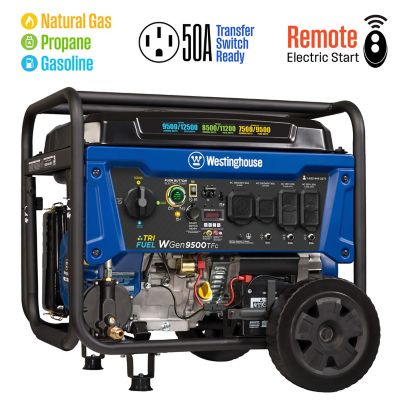
Portable Propane Generators when portability and manual control fit your setup. Many portable models run from a standard propane cylinder and may also support another fuel, offering flexibility when fuel availability changes. Check the generator’s wattage, propane hose and regulator requirements, outlet types, runtime information and overall weight before buying. A model that can be rolled across a driveway is handy, but a level storage area, weather protection and a safe place to refuel still matter. Never operate a portable generator inside a home, garage, barn, shed, crawl space or enclosed porch. Carbon monoxide can build up quickly, even with doors or windows open. Set it outdoors in a dry, well-ventilated location, away from doors, windows and vents, and follow the manufacturer’s clearance instructions. Use heavy-duty outdoor-rated cords, keep connections dry and make sure the generator is properly grounded as directed.
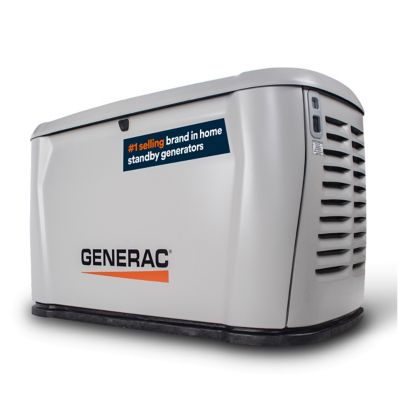
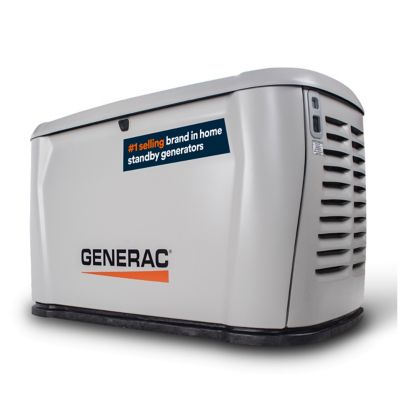
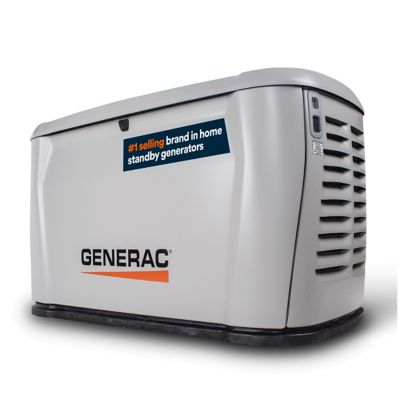
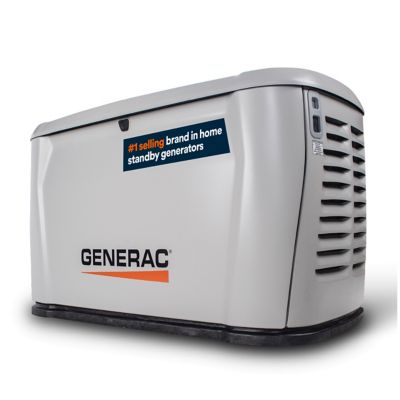
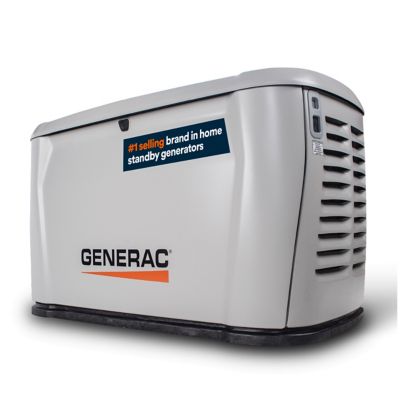
For more seamless backup, a propane home standby generator is installed outside and connected to the home’s electrical system through an automatic transfer switch. When utility power fails, the system can start on its own and restore power to selected circuits or, when properly sized, much of the home within a short time. A licensed electrician and qualified installer should handle the wiring, transfer switch, fuel connection and permits. Local rules can affect placement, tank size, clearances and installation requirements, so confirm those details before ordering. Standby systems are often a good fit for households that rely on medical equipment, well pumps, sump pumps, electric heat or refrigeration, as well as farms where livestock waterers, ventilation equipment or security systems need attention during an outage. They can also make sense for a rural property where the nearest repair crew may be working through miles of storm damage before reaching your road. Before settling on a generator, compare the home’s electrical load with the unit’s continuous and surge ratings, and decide whether you want whole-home coverage or a smaller set of priority circuits. Propane supply deserves equal attention. A portable unit may use a removable cylinder, while a standby system typically connects to a larger tank that must be sized for the generator and expected runtime. Ask a propane supplier about delivery access, regulator requirements and cold-weather performance, and keep the tank area clear of brush, equipment and snow buildup. A generator is only useful if it is ready when needed, so follow the maintenance schedule, inspect cords and fuel connections, keep the battery charged on standby equipment and run the system according to the manufacturer’s testing instructions. Store propane cylinders upright and outdoors in an approved location, away from ignition sources and areas where vehicles or equipment could strike them. A carbon monoxide alarm inside the home and working smoke alarms add another layer of protection. Propane backup generators are also a thoughtful practical gift for a new homeowner, family member with a rural property or anyone preparing a workshop or hunting cabin, but the right choice depends on that person’s electrical needs, fuel setup and local installation rules. A generator should be treated as part of a larger preparedness plan: keep flashlights, extension cords, fuel supplies and appliance information together, know which circuits are essential, and make sure everyone in the household understands safe startup and shutdown procedures. As the weather warms or the cooler months bring heavier storms, having the right propane-powered backup plan can help protect food, water systems, tools and the everyday comforts that keep a household moving.