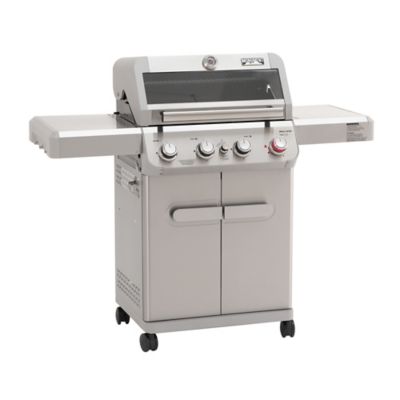
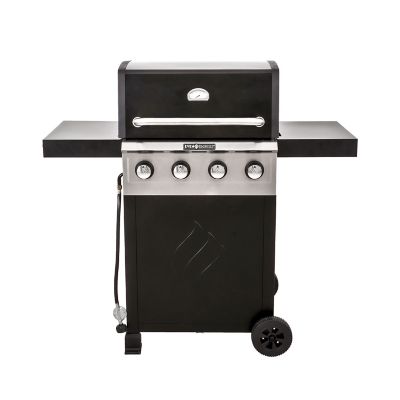
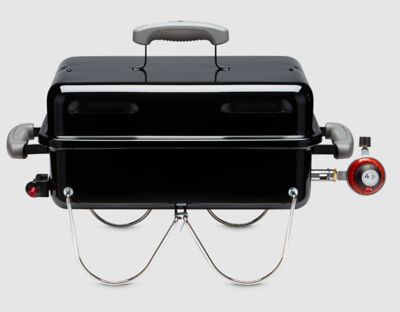
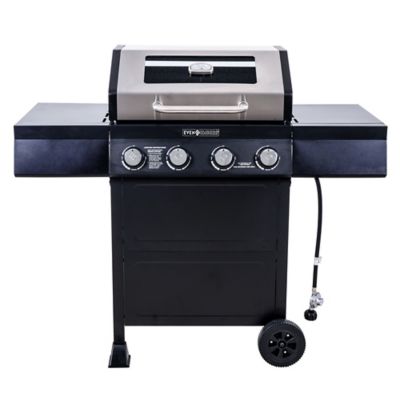
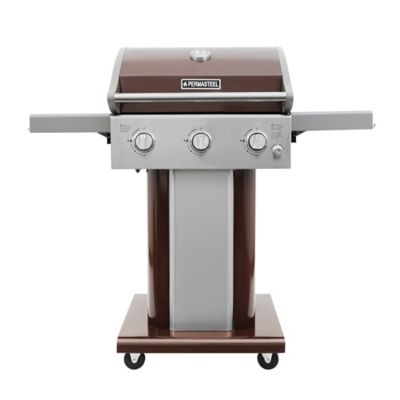
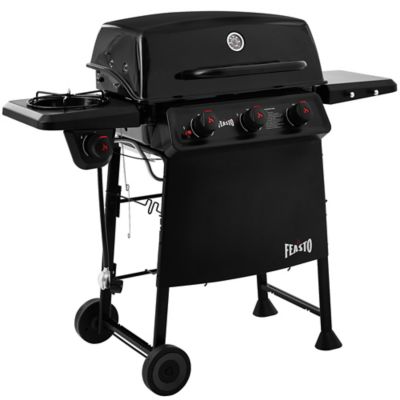
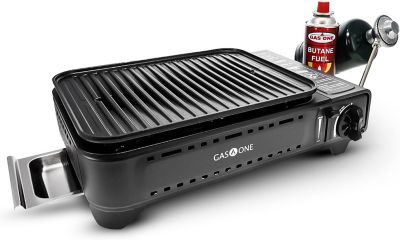
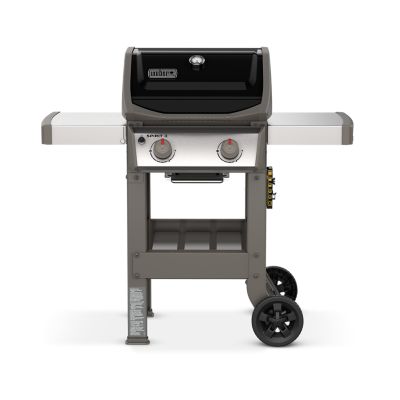
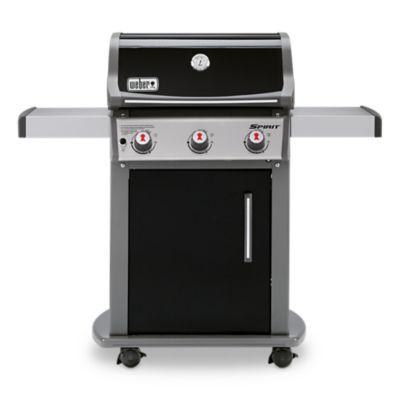
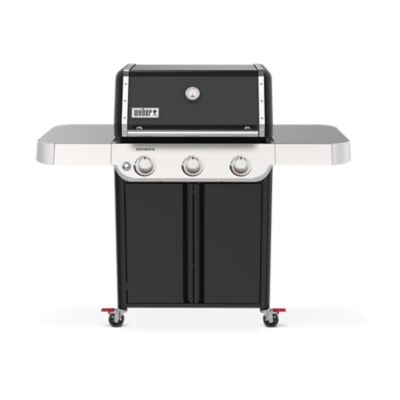
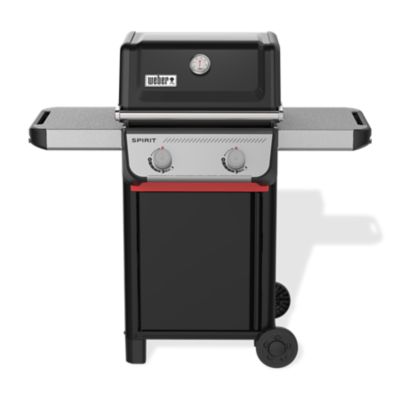
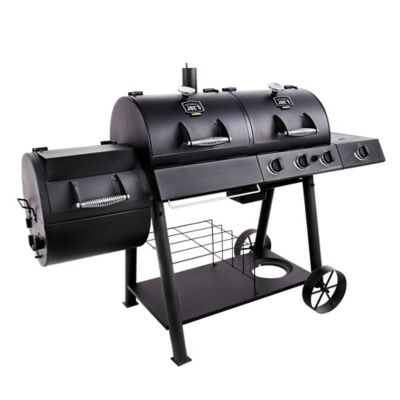
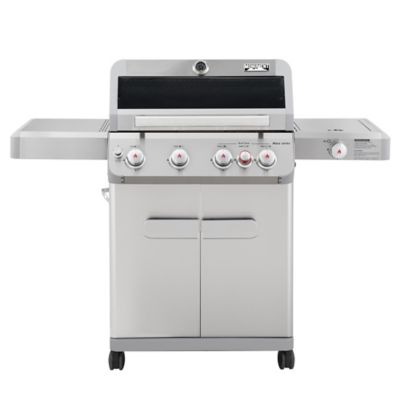
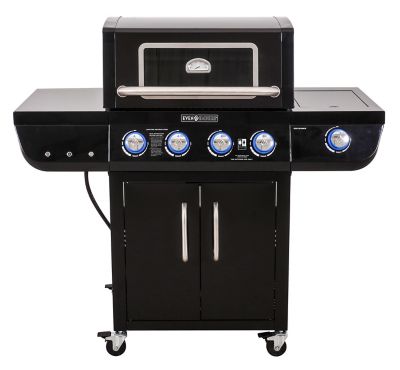
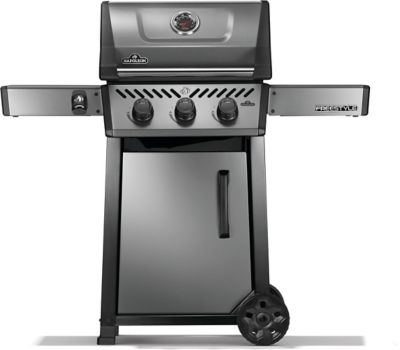
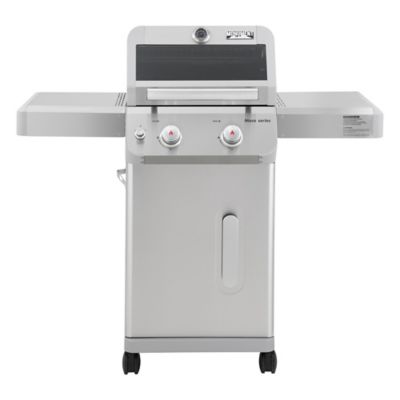
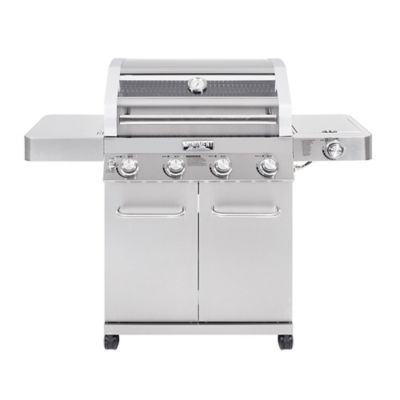
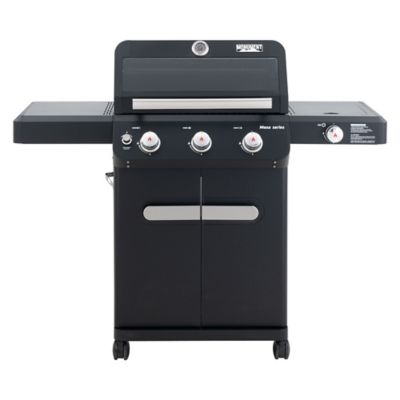
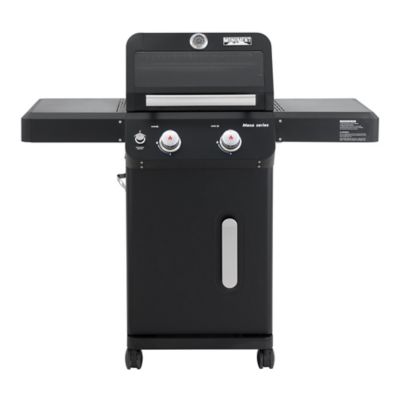
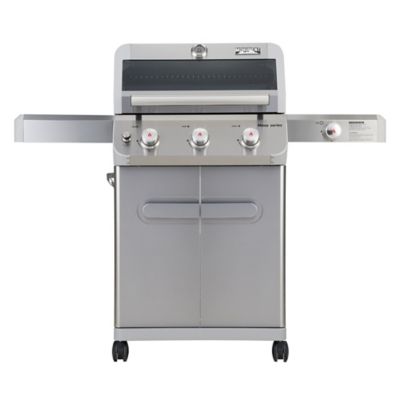
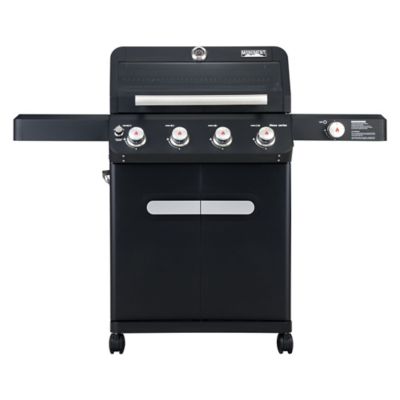
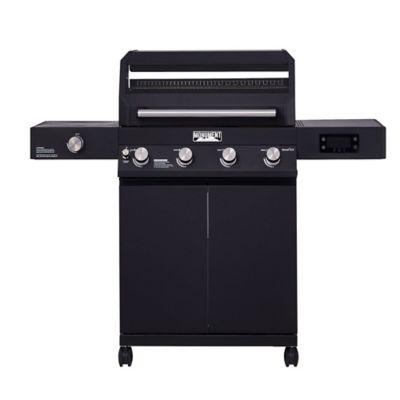
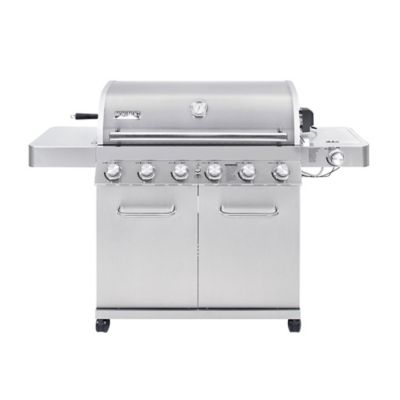
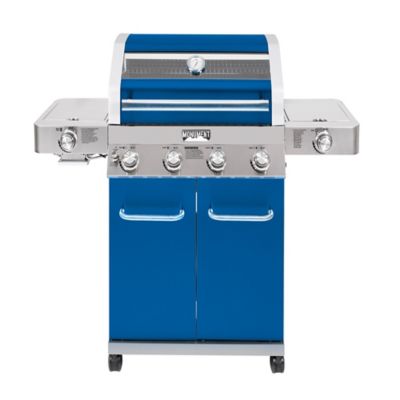
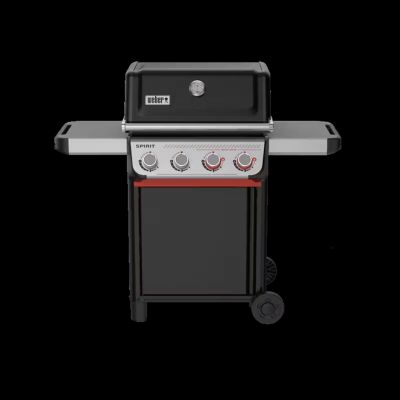
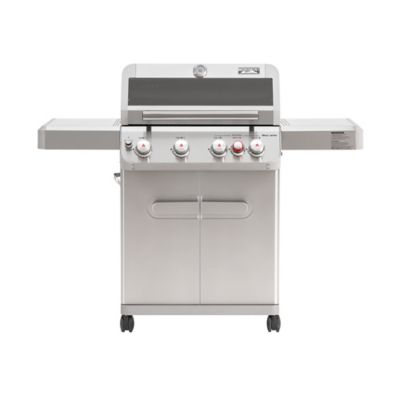
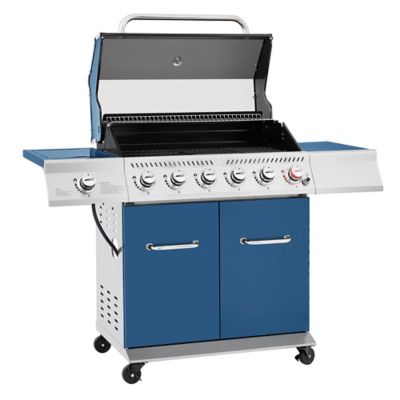
Propane gas barbecue grills bring quick startup, adjustable heat and flexible placement to outdoor cooking without requiring a permanent gas line. Fueled by a propane cylinder, these grills fit everything from a few burgers after chores to a full spread for friends gathered in the backyard. Compact portable designs suit smaller cooking spaces and trips where outdoor grilling is permitted, while cart-style grills provide more room for preparing a meal in one spot. The right fit depends on how much food usually goes on the grate, how much space surrounds the grill and whether it needs to travel. Primary cooking area is worth a close look: a total square-inch figure may include a warming rack, which is handy for buns but does not replace the main grate for searing steaks. A household cooking a couple of chicken breasts and some vegetables has different space needs than someone feeding a crew with burgers, corn and sausage all at once. Room between portions makes food easier to turn and helps keep the grate from becoming crowded. Larger cuts also need enough clearance beneath the lid, especially when cooking away from direct flame. Beyond the cooking surface, the grill’s overall footprint includes side shelves, open-lid clearance and room to reach the cylinder. Fold-down shelves can help where space is tight, while wheels make repositioning easier before cooking begins. A level, stable spot outdoors, with the clearances specified by the manufacturer, matters more than simply finding a corner where the cart will fit. Grills belong in open air, never inside a garage or another enclosed space. For folks who enjoy feeding family and neighbors, a propane grill can also make a thoughtful housewarming or birthday gift, especially when its size and setup match the recipient’s outdoor space. Easy access to the controls, a comfortable working height and enough shelf room for a platter are practical details that make everyday cooking more enjoyable.
Burner layout shapes what a propane barbecue grill can handle as much as its overall size. Independently controlled burners allow separate heat zones, giving a cook room to sear pork chops over direct heat while finishing thicker pieces more gently on another section. Indirect cooking generally means placing food over an unlit burner while nearby burners supply heat with the lid closed; the grill’s instructions determine the proper setup. Extra burners can provide more flexibility, but burner count alone does not tell the whole story. Burner spacing, heat distribution, grate area and lid design all affect cooking performance. BTU ratings describe fuel energy input per hour, not the temperature a grill will reach or how evenly it will cook. A higher number is not automatically a better match, particularly when comparing grills with different cooking surfaces. Grate materials bring their own benefits and care needs. Cast iron holds heat well for searing, while porcelain-coated cast iron combines that heat retention with a protective surface that needs care to prevent chipping. Stainless steel grates resist corrosion and can be straightforward to clean, though grate thickness and construction still matter. Uncoated cast iron generally needs seasoning and attention to prevent rust. Stainless steel bodies, coated steel panels and other metal components also differ in their upkeep requirements, so construction is worth considering alongside cooking space. A warming rack can hold toasted buns or keep finished portions away from the strongest heat for a short stretch. Side burners provide a separate spot for a saucepan or skillet, leaving the main grate open for the meal’s centerpiece. Shelves, utensil hooks and accessible grease trays help keep the cooking area organized. Lid-mounted thermometers show conditions near their location inside the grill; a separate food thermometer checks doneness in the thickest part of the meat. That distinction matters when chicken, burgers and larger cuts share the same cooking session, since browning alone does not establish a safe internal temperature.
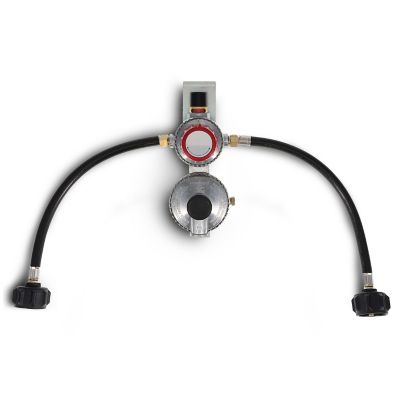
Regular care helps a propane grill stay ready for the next meal and keeps grease, food residue and blocked burner ports from getting in the way. Grates need cleaning with tools approved for their material, and any loose cleaning-tool fragments should be removed before food touches the surface. Porcelain coatings need a gentler approach than aggressive scraping, while cast iron benefits from the care outlined in the grill’s manual. Grease trays and collection cups need regular attention rather than waiting until they overflow. Burner ports, heat shields and the area beneath the grates also deserve periodic inspection, with cleaning performed only after the grill has cooled and the fuel supply is off. Propane connections are another important part of the setup. Many full-size grills connect to a standard 20-pound cylinder, while compact designs may require a different cylinder size or an approved adapter. The cylinder, hose and regulator must suit the grill’s fuel requirements; propane and natural gas setups are not interchangeable without a manufacturer-approved conversion. Matching
Propane Regulators for Gas Grills to the manufacturer’s specifications helps ensure the fuel system has the proper pressure and connection. Hoses need inspection for cracks, wear and other damage, and connections need leak checks as directed by the manufacturer, never with an open flame. Cylinders belong upright in a ventilated outdoor location away from ignition sources, not inside a house, basement or garage. Before moving a grill, it should be cool, with the fuel shut off and the cylinder secured according to the instructions. A properly fitted cover can help keep dust and debris off an idle grill, but it should go on only after the cooking surfaces and body have cooled. Straightforward access to replaceable parts, the grease tray and the cylinder makes these routine tasks easier. Together, sensible sizing, useful cooking features and manageable upkeep make a propane barbecue grill a practical part of cooking outdoors, whether supper is two steaks or enough burgers for the whole bunch.