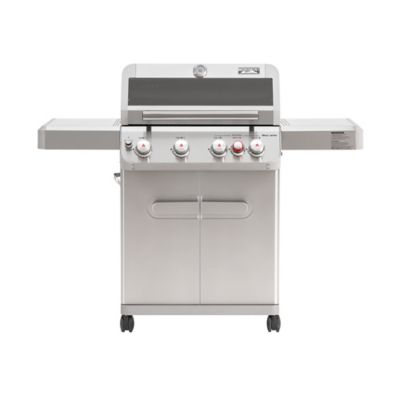
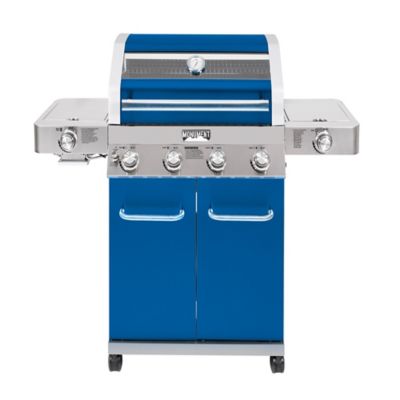
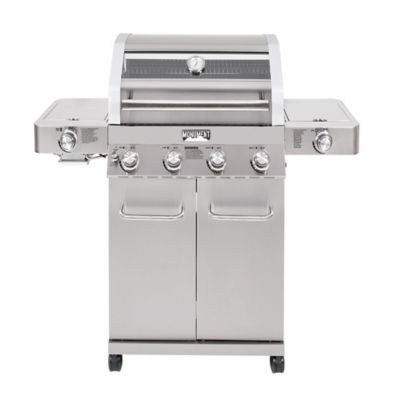
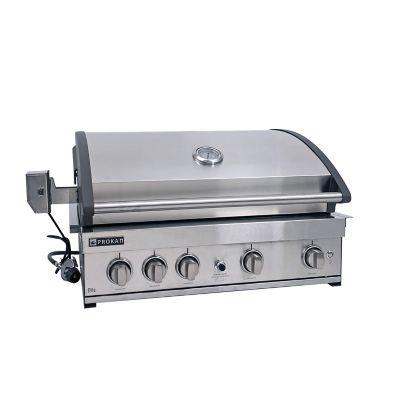
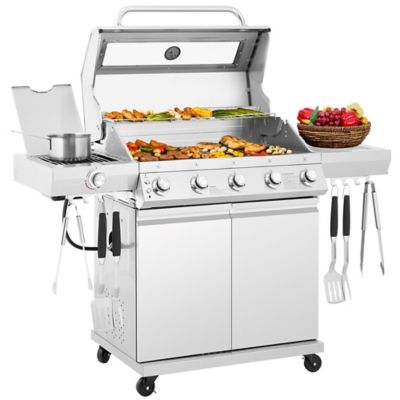
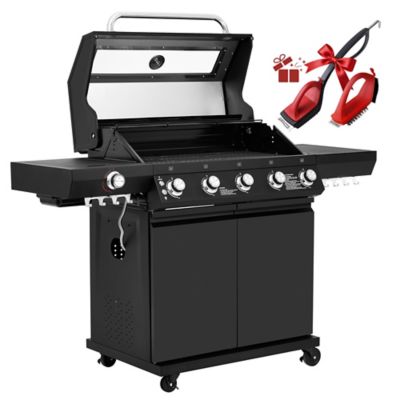
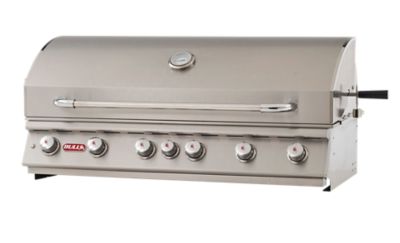
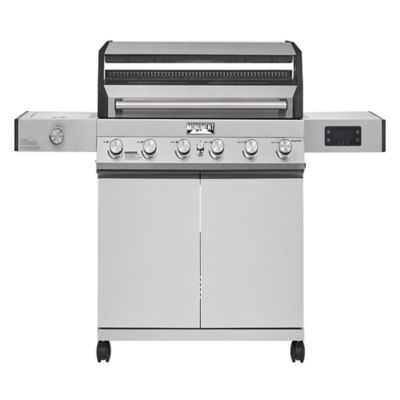
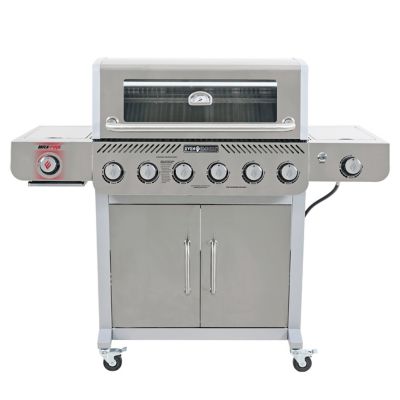
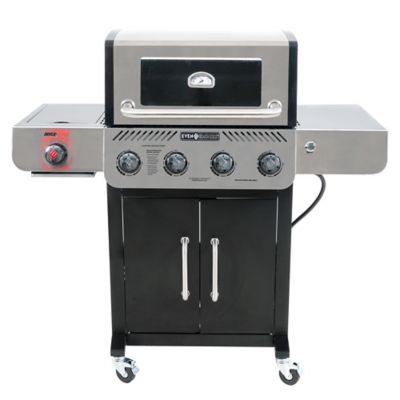
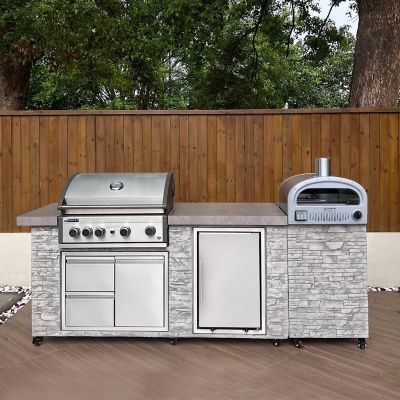
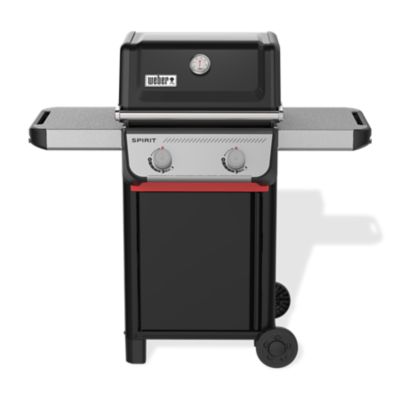
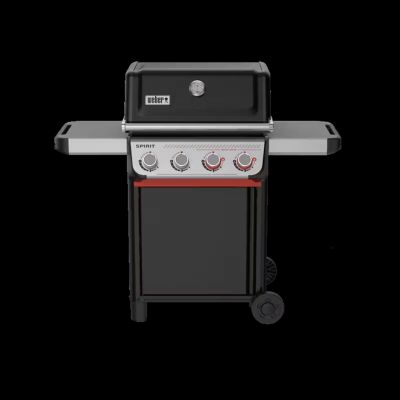
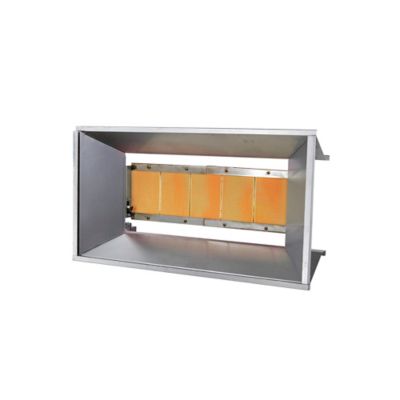
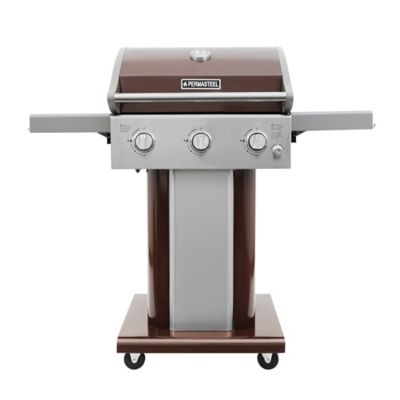
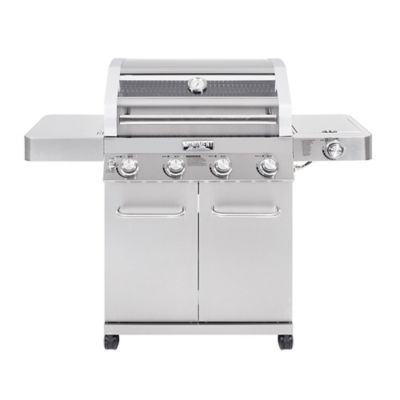
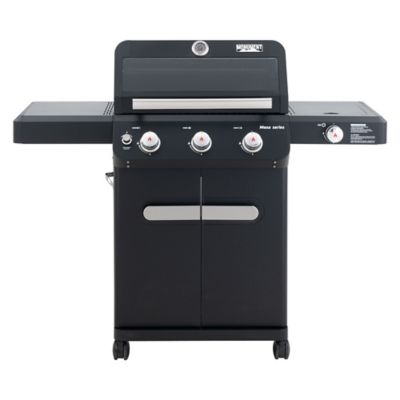
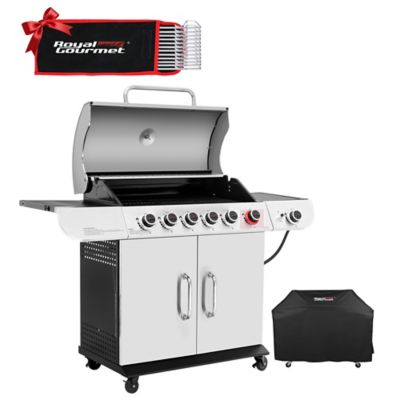
Infrared propane gas grills bring strong, direct heat to outdoor cooking, making them a good fit for a browned steak crust, nicely marked pork chops or burgers with a good sear. A propane burner heats an infrared element, often a ceramic surface or metal emitter, which sends radiant energy toward the food. Conventional gas grills cook through a mix of hot air, radiant heat and contact with the grates; infrared designs put more emphasis on radiant heat. That difference can help the cooking surface heat quickly and deliver intense heat where it counts, though preheating time and maximum heat depend on the grill’s design. Some grills provide infrared cooking across the main grate, while others pair conventional burners with a dedicated infrared searing area. Top-down infrared broilers apply heat from above and have a different cooking layout than a standard grate-over-burner grill. These differences matter when supper includes more than a couple of steaks. A separate searing zone can brown the outside of a thick cut while another section handles gentler cooking, and a full-surface infrared grill may suit someone who wants radiant heat across the main cooking area. Searing creates flavor and texture, but it does not seal meat or lock in its juices. Moisture depends on the cut, cooking time, final internal temperature and resting time. A food thermometer remains the best way to check doneness rather than judging by grill marks alone. Infrared systems with emitter panels can shield flames from dripping fat and reduce flare-ups, but grease buildup and fatty foods can still cause trouble. For a cook putting steaks, chicken thighs and sliced vegetables on the same grill, heat control matters just as much as strong searing performance. Look at the burner layout and adjustment range, especially when thinner foods need less heat than a thick chop. The appeal is a grill that matches the meals headed to the table, whether that means a quick supper after chores or a full spread for family and friends.
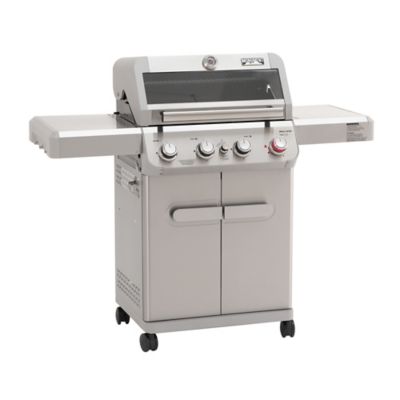
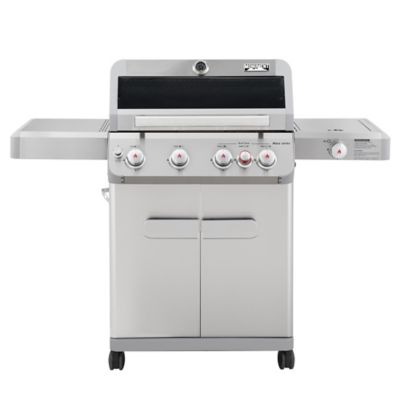
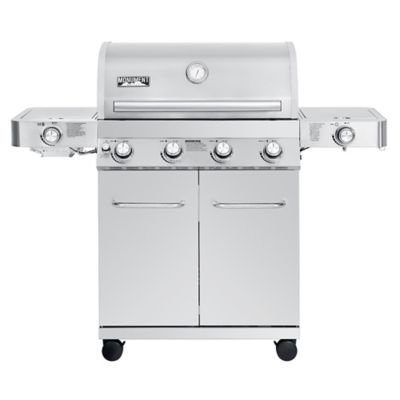
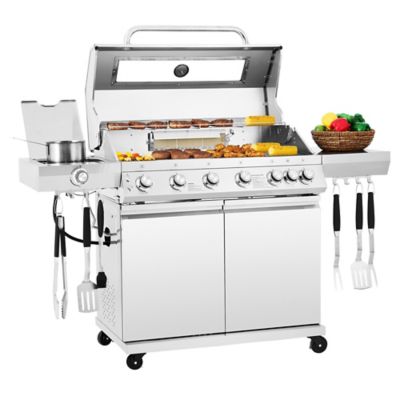
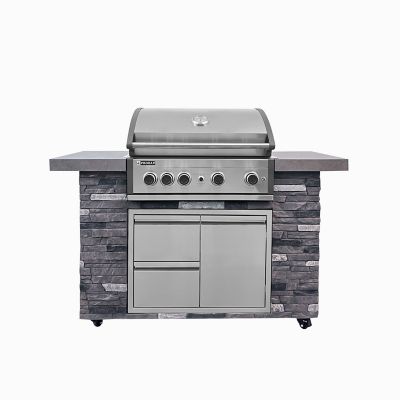
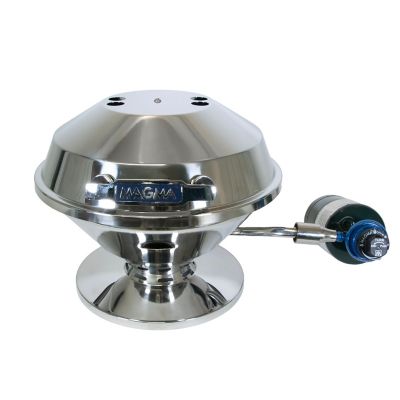
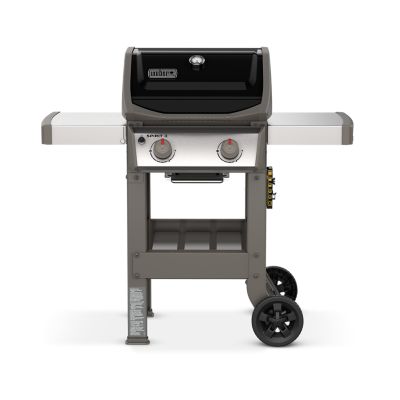
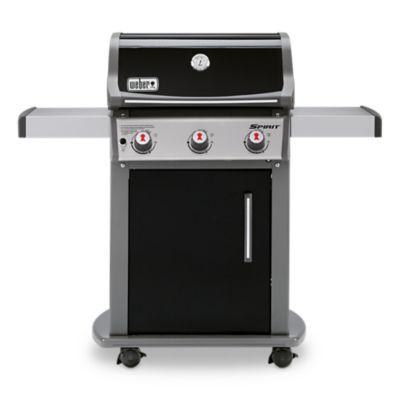
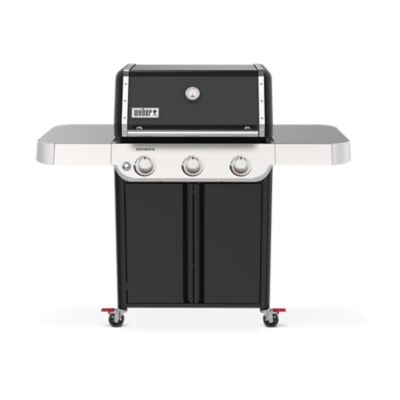
The right size and layout depend on where the grill will sit and how much food usually goes on at once. Main cooking area is more useful than an overall square-inch figure that combines the grate with a warming rack. Enough room to spread out chicken pieces or leave space between burgers helps prevent crowding and makes turning food easier. Independent burner controls offer flexibility, although not every infrared design supports the same low-heat cooking or indirect setup. A warming rack can hold finished food briefly, but it is not a substitute for another main cooking zone. Freestanding cart grills offer a familiar backyard setup, with space for a propane cylinder and, depending on the design, shelves for a platter and cooking tools. Compact tabletop formats take up less room, but they still need a stable, heat-resistant supporting surface that meets the manufacturer’s requirements. Overall width, lid clearance and room around the grill matter as much as grate size. Any setup needs an outdoor location with the specified clearance from siding, fences and other combustible materials, never an enclosed porch, garage or shed. Stainless steel housings can offer corrosion resistance, though stainless steel is not rust-proof and still needs cleaning. Cast-iron grates hold heat well but may need seasoning and careful drying, while porcelain-coated grates require tools that will not chip their finish. Ceramic infrared elements and metal emitters have their own care requirements, so the cooking system deserves a closer look than the exterior alone. Sturdy cart construction, secure shelf attachments and wheels suited to the intended surface all contribute to everyday handling. A grill rolled across a smooth patio has different demands than one moved along an uneven path. Infrared propane grills can also make a thoughtful gift for someone who enjoys outdoor cooking, provided the cooking space, fuel connection and setup suit that person’s home. For a broader look at propane-powered cooking formats, explore
Propane Gas Barbecue Grills.
Everyday care helps an infrared propane grill keep cooking the way it should. Grease trays, drip channels and emitter surfaces need attention because a clean-looking lid does not tell the whole story beneath the grate. Removable grease trays can simplify cleanup, while access to the burner area makes inspection easier. Cleaning methods vary: some infrared systems permit a brief high-heat burn-off, while others call for different treatment. The manufacturer’s directions take priority, particularly around ceramic elements, coated surfaces and burner openings. Harsh scraping, a blast of water or the wrong brush can damage parts that control heat distribution. Cast iron generally benefits from prompt drying and an appropriate light coating of cooking oil; porcelain-coated surfaces need a gentler touch. Stainless steel surfaces benefit from cleaning along the grain with a suitable cleaner rather than abrasive pads. A properly fitted cover can help keep dirt and yard debris off the grill between meals, but the grill should be cool and dry before covering. Fuel connections deserve the same attention as the cooking surface. The cylinder, hose and regulator must match the grill’s stated requirements, and propane cylinders belong upright in an appropriate outdoor location. Connection checks should follow the manual’s leak-test procedure with an approved solution, never an open flame. A damaged hose, loose fitting or persistent gas smell calls for stopping use and addressing the problem before cooking. For the cook, strong infrared heat rewards a little attention at the grate: sugary sauces can scorch quickly, thin cuts may finish sooner than expected, and a crowded cooking area makes food harder to manage. Long-handled tongs, a suitable spatula and a food thermometer help keep hands farther from the heat and supper on track. A grill with accessible controls, manageable cleanup and a layout that fits the household’s usual meals earns its place through everyday cooking, from a pair of pork chops to enough burgers for the whole gathering.