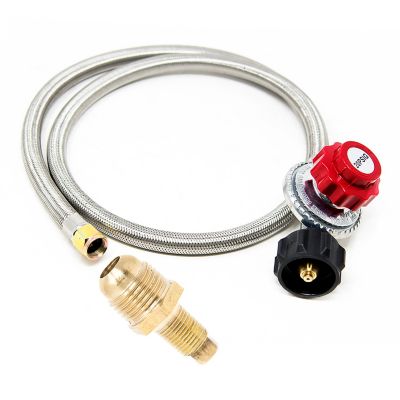
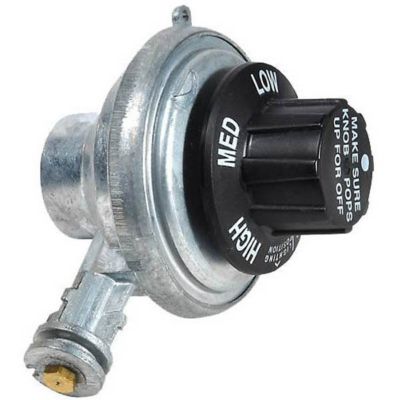
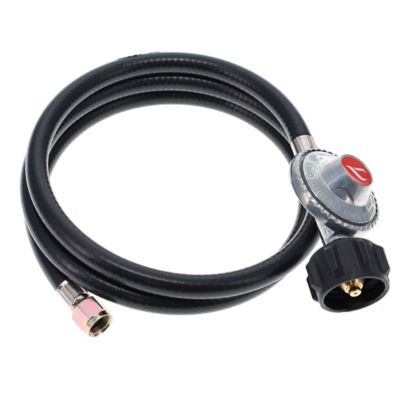
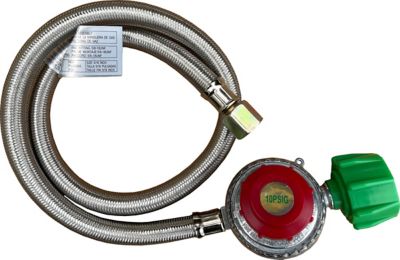
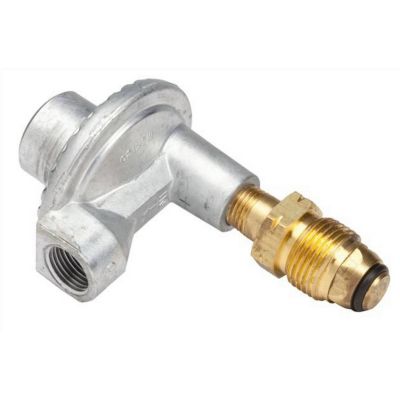
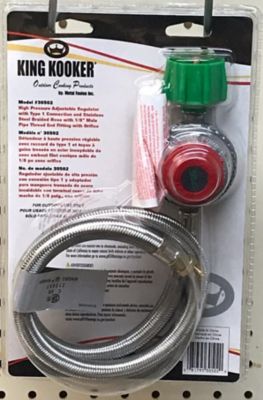
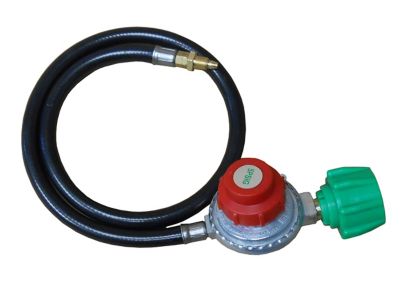
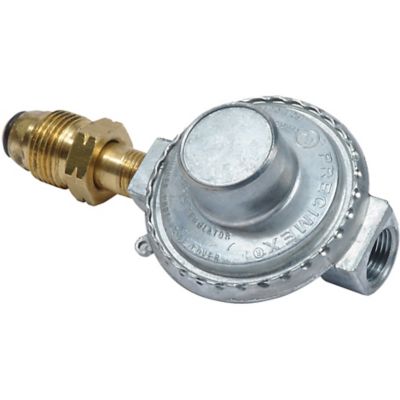
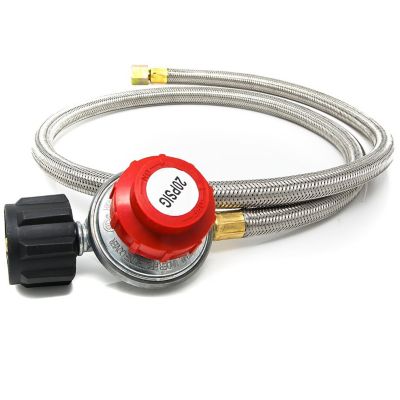
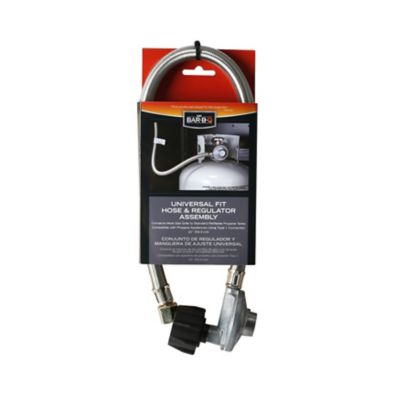
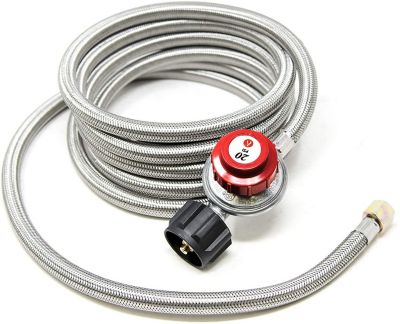
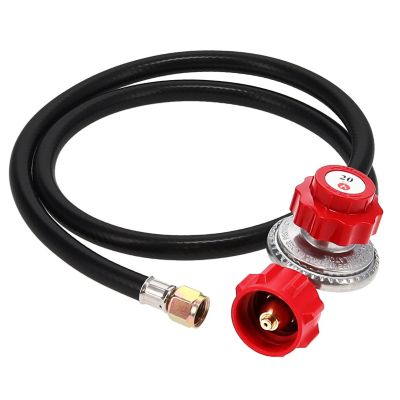
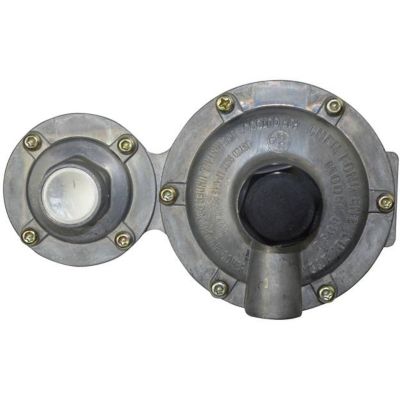
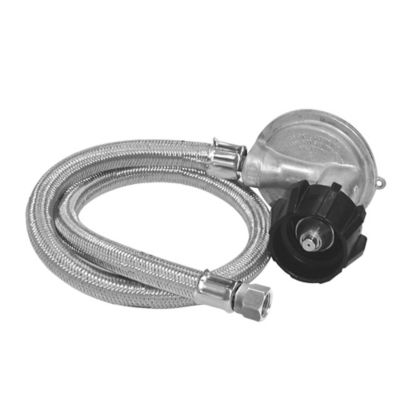
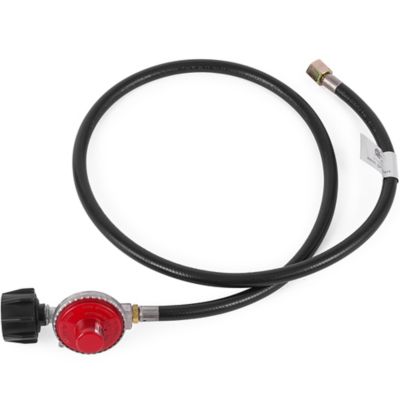
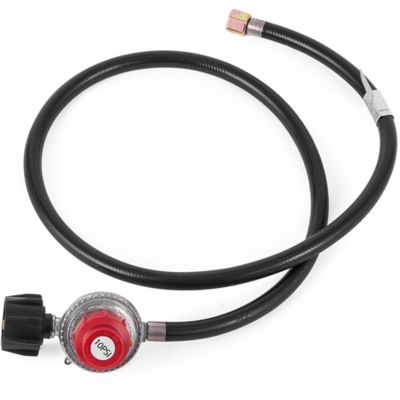
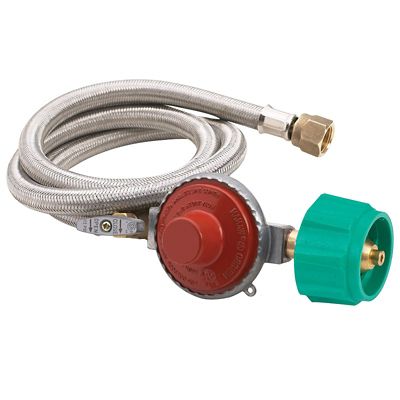
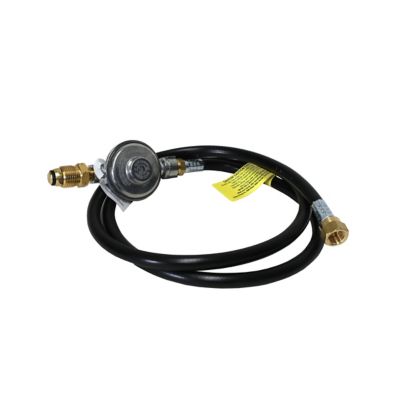
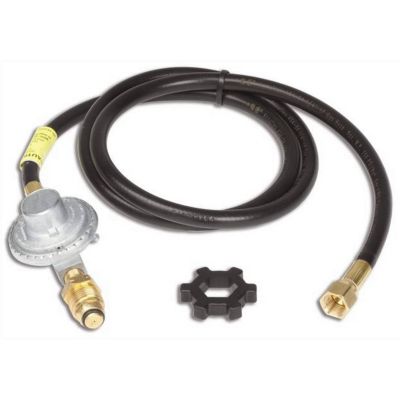
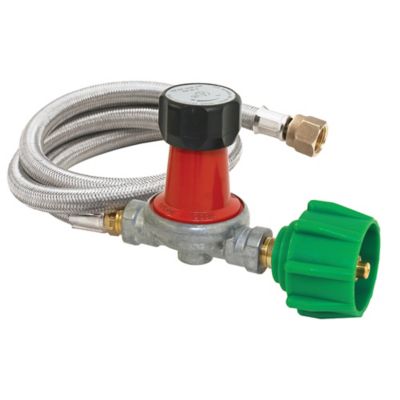
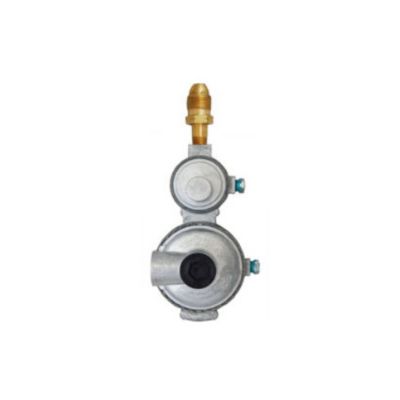
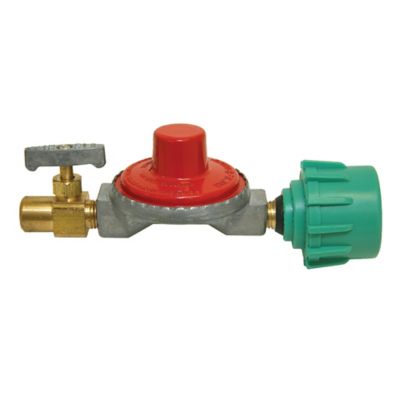
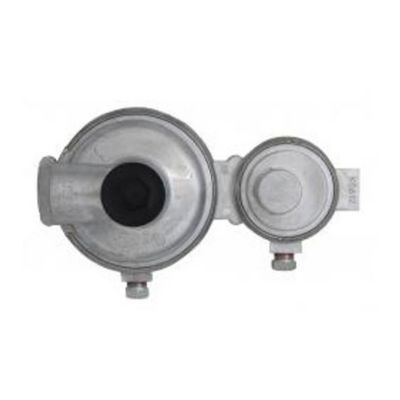
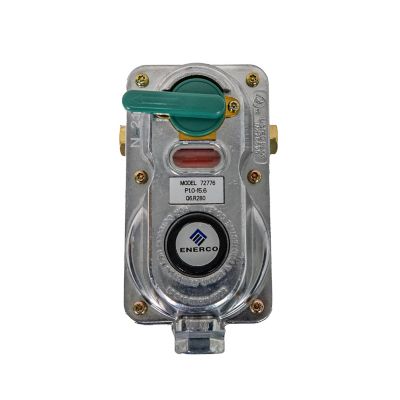
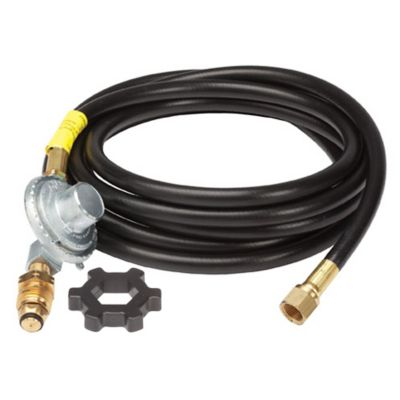
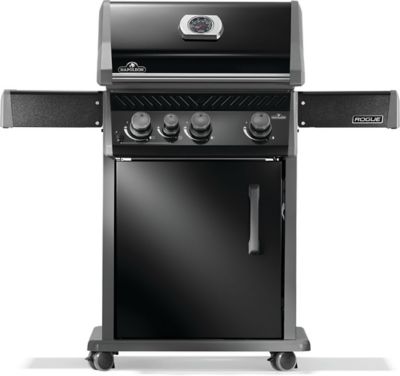
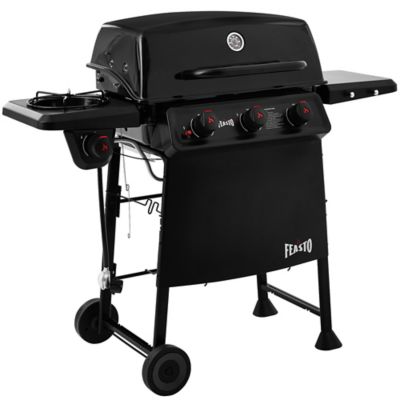
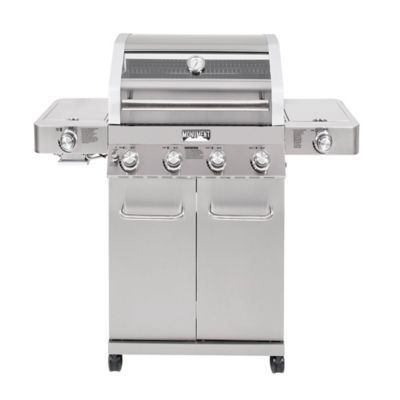
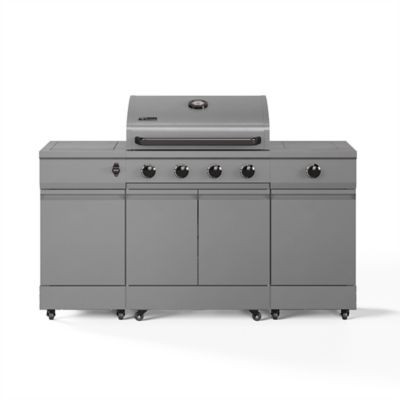
A propane regulator for a gas grill lowers the high pressure from the propane cylinder and delivers gas to the burners at the steady, lower pressure the grill is designed for. The regulator is often the round metal piece at the tank end of the hose, tucked under the grill cart where it’s easy to overlook until the burners won’t come up to their usual flame. The tank valve opens or shuts off the supply, the regulator manages the pressure and the knobs on the grill control how much gas reaches each burner. That distinction matters whether there’s one burner going under a couple of burgers or several going for a backyard supper. As more burners come on, the grill needs more gas flow, but that doesn’t mean it needs higher pressure. Most residential propane grills call for low pressure, and the right regulator has to deliver enough gas for the burners it serves at the pressure the grill maker specifies. The same basics apply across
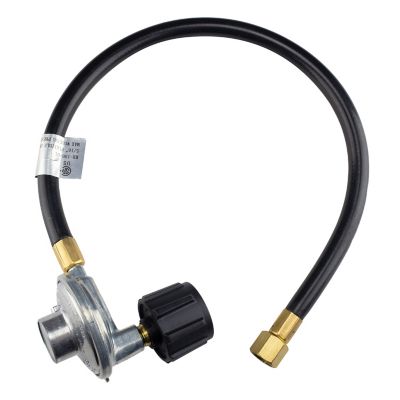
Propane Gas Barbecue Grills, but the regulator and hose setup can differ from one grill to the next. Some grills take a regulator and hose built as one assembly, while others have separate components. Knowing which setup is on the grill helps narrow the choice when a fitting is damaged or a hose has worn through its outer layer. A weak flame alone, though, doesn’t mean the regulator has failed. If one burner sputters while the rest burn normally, the trouble may be at that burner. If every burner runs low, even with propane in the tank, the gas supply, hose or a flow-limiting safety feature may be involved. The grill manual can help sort out which checks make sense before replacing a part.
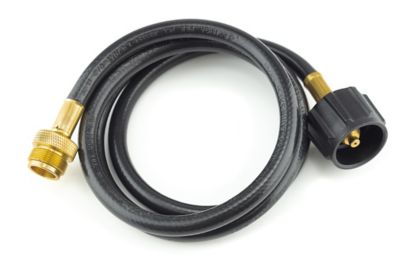
Fit starts with the grill model and the specifications in its manual, not with how much the new regulator looks like the old one. The replacement needs to match the required outlet pressure and have enough capacity for the grill’s total burner demand, including a side burner if it draws gas through the same regulator. That capacity is often given in BTUs per hour. A higher capacity rating doesn’t make up for the wrong outlet pressure, and a fitting that threads on isn’t proof that the regulator is right for the grill. Both ends have to match: the cylinder connection at one end and the connection to the grill at the other. A regulator meant for a different propane appliance isn’t necessarily a match, even if that appliance takes the same kind of tank. Hose length matters, too. Picture the cylinder sitting in its bracket beneath the firebox. The hose ought to reach without pulling sideways on either fitting, bending sharply around the cart frame or hanging in the path of a cabinet door. Extra length can get in the way if it leaves the hose resting against a hot panel or where a wheel can catch it when the grill is rolled aside. Many assemblies pair a metal regulator body with brass fittings and a flexible hose rated for propane. The metal parts can hold up well through routine tank changes, but the hose can still wear where it rubs against a bracket or gets pinched in the same spot. On a grill that gets rolled between the shed and the patio, keeping the hose clear of wheels and sharp edges can do more for its service life than picking an assembly by the heft of the metal alone.
The tank swap is a handy time to look over the parts that rarely get a second glance while supper is on. With the grill off and the cylinder valve closed, look for cracks, worn spots or a kink that stays in the hose, along with damage to the fittings or seals. A quick check around the tank bracket can turn up the source of repeated wear, such as a hose caught under the cylinder instead of following the route shown in the manual. The regulator vent needs to stay clear and oriented as the manufacturer specifies. It’s not an opening to poke with wire or flush out with water. If a hose is split or a fitting is damaged, tape or sealant on the outside won’t make it sound again. A regulator and hose designed and supplied as one assembly should be replaced together when the manufacturer calls for it. After a cylinder change or a new connection, follow the grill maker’s leak-check directions before lighting, using the specified leak-detection solution and never a flame. If there’s a gas smell or a hiss that suggests a leak, don’t light the grill. Shut off the cylinder valve if it’s safe to do so, move away from the grill and keep ignition sources clear. A connection that won’t seal or a problem that keeps coming back calls for a qualified service technician. For the person who cooks on the patio most evenings or the one who only fires up the grill when there’s a crowd to feed, the same things make a regulator a good fit: it matches the grill’s pressure and flow requirements, connects at both ends as intended and leaves the hose room to sit clear of heat and wear.