Propane Grills For Tailgating
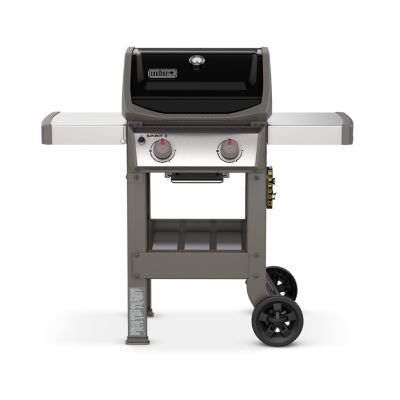
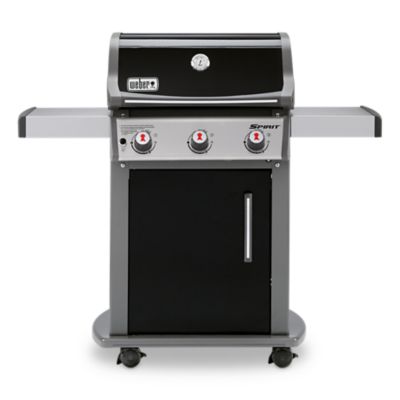
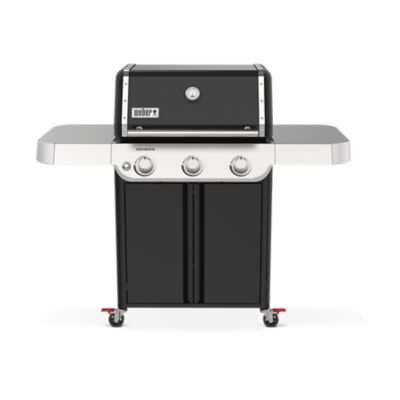
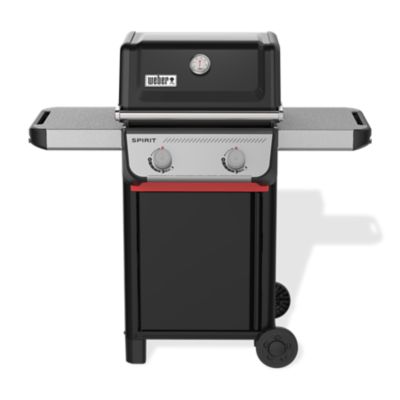
Propane Grills for Tailgating make it easy to fire up good food and great times wherever the game takes you. Whether you're setting up in a stadium parking lot or out in the pasture with friends, these grills are built for folks who want to keep things simple and tasty on the go. With propane grills, you can get cooking fast and keep the burgers, brats, and steaks coming all day long. Check out our selection of Propane Grills for Tailgating and get ready to be the MVP at your next outdoor gathering.
$129
.99
Sale Was $149.99 Save $20.00 (13%)
$497
.99
Sale Was $559.99 Save $62.00 (11%)
$229
.99
Sale Was $259.99 Save $30.00 (12%)
$249
.99
Sale Was $399.99 Save $150.00 (38%)
$507
.99
Sale Was $569.99 Save $62.00 (11%)
$309
.99
Sale Was $349.99 Save $40.00 (11%)
$149
.99
Sale Was $169.99 Save $20.00 (12%)
$322
.00
Sale Was $379.99 Save $57.99 (15%)
$119
.99
Sale Was $134.99 Save $15.00 (11%)
$113
.99
Sale Was $119.99 Save $6.00 (5%)
$177
.99
Sale Was $199.99 Save $22.00 (11%)
$269
.99
Sale Was $299.99 Save $30.00 (10%)
$259
.99
Sale Was $289.99 Save $30.00 (10%)
$149
.99
Sale Was $169.99 Save $20.00 (12%)
Best Of FAQ
What features should I look for in a propane grill for tailgating?
When choosing a propane grill for tailgating, consider features like portability, easy ignition systems, sturdy construction, and ample cooking space. Foldable legs, lightweight designs, and built-in handles can make transport and setup easier at your tailgate location.
Are propane grills easy to clean after a tailgate event?
Yes, many propane grills are designed with removable drip trays and non-stick grates that make cleaning up after your tailgate quick and simple. Look for models with easy-to-access components to streamline the cleaning process.
Can I use my propane grill in different weather conditions during tailgating?
Propane grills are versatile and can be used in various weather conditions. However, it's best to grill in well-ventilated areas and avoid using them during heavy rain or strong winds to ensure optimal performance and comfort while tailgating.
How do I maintain my propane grill between tailgating events?
To keep your propane grill in top condition, regularly clean the grates and burners, check for blockages in the gas lines, and store it in a dry place when not in use. Periodic maintenance will help extend the life of your grill.
What accessories can enhance my tailgating experience with a propane grill?
Popular accessories for tailgating with a propane grill include portable grilling utensils, collapsible tables, grilling mats, extra propane tanks, and carrying cases. These items can make cooking and serving food more convenient while on the go.
Best Sellers
-
"Love Weber grills of all shapes and sizes..Charcoal grilling is the best"
-
"Great grill. Horrible to put together"
-
"Just grilled tonight and LOVE it! So convenient"
-
"I love Weber kettle grills. Their spherical design works great for smoking and grilling"
-
"I love the 4 burner plus the additional sear burner! Easy to use and love the sear factor on this"