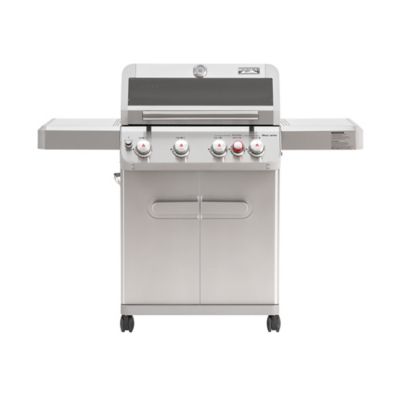
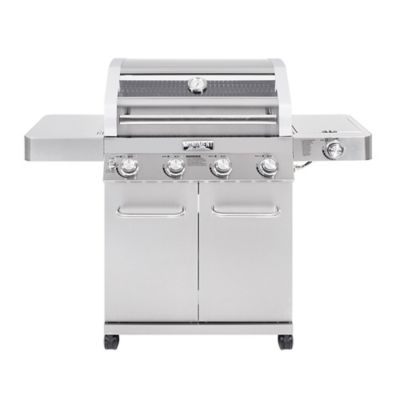
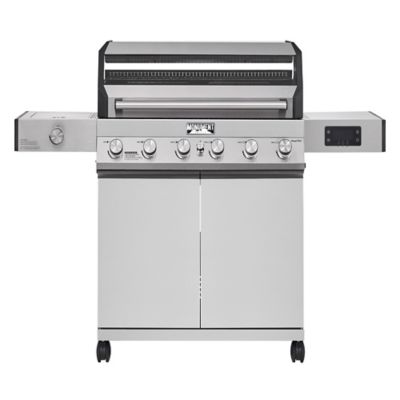
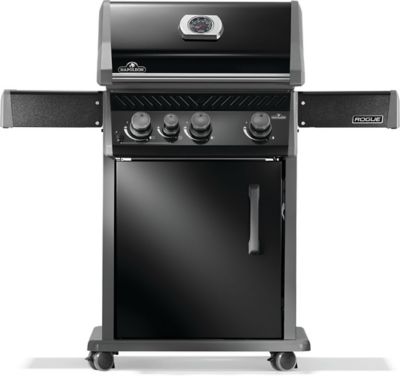
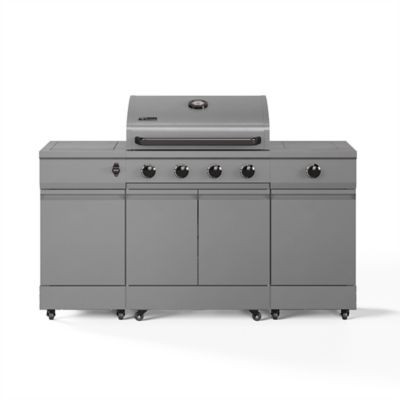
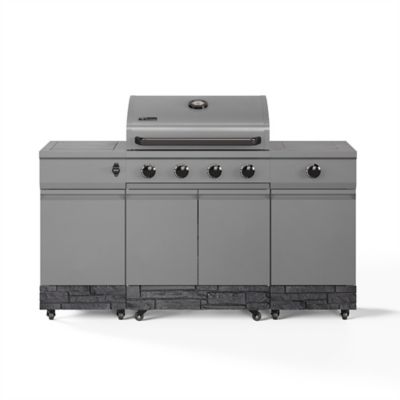
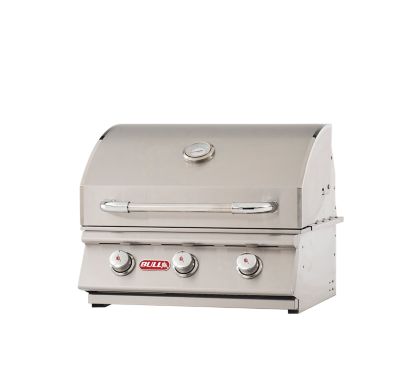
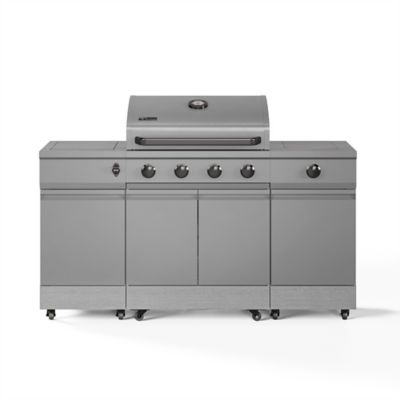
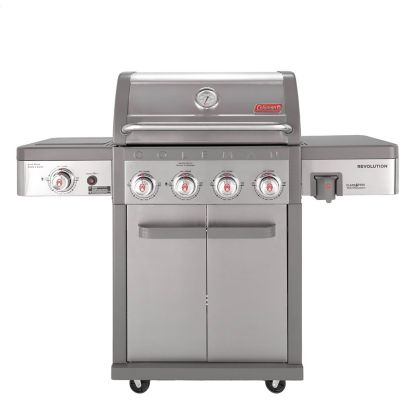
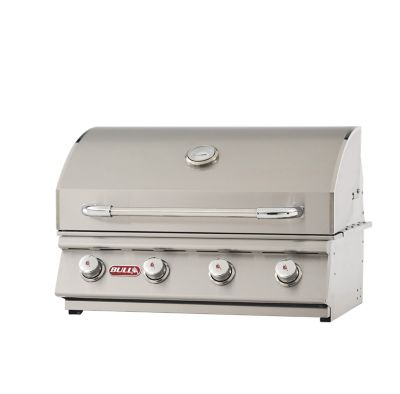
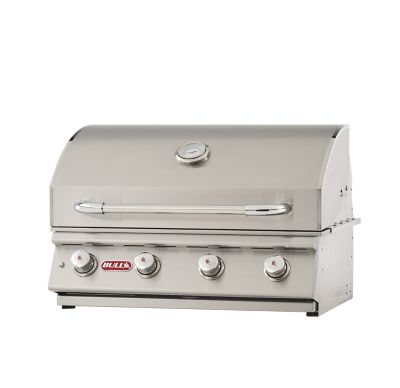
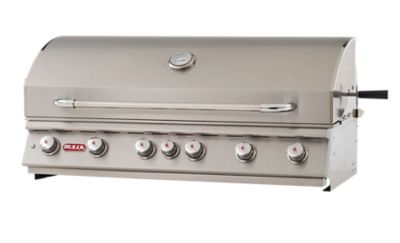
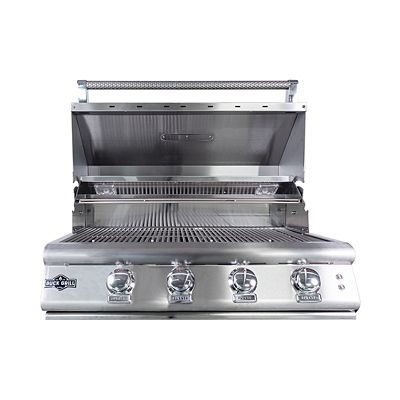
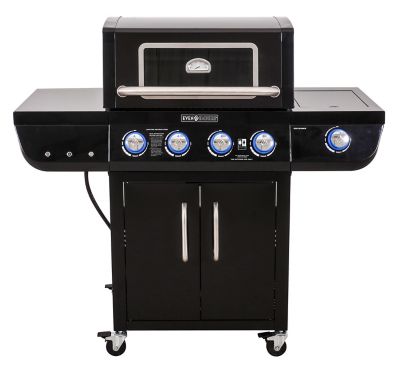
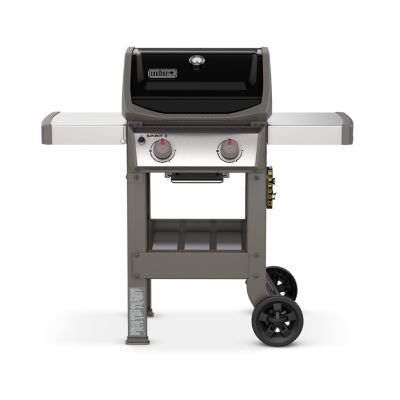
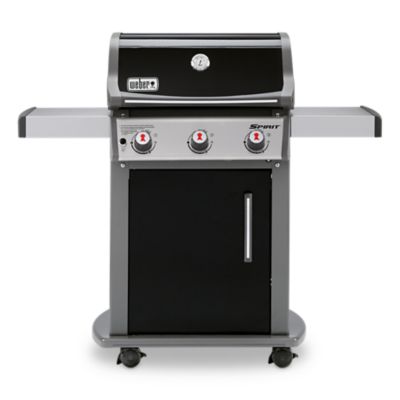
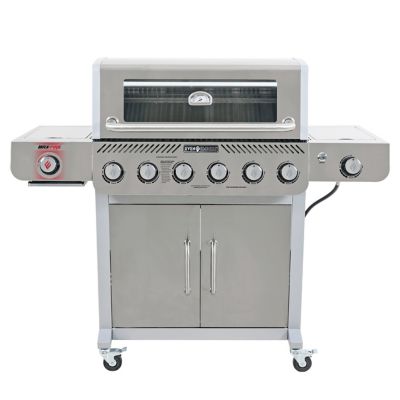
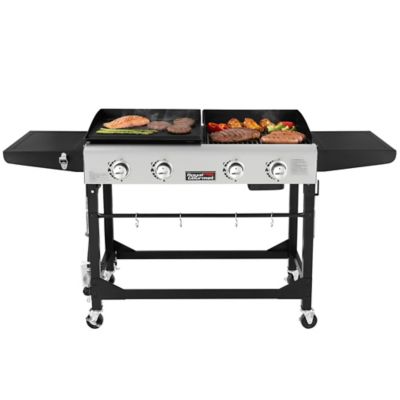
Natural gas BBQ grills connect to a home’s natural gas supply, keeping fuel on tap without the routine of refilling or exchanging propane cylinders. That setup suits folks who grill often, whether supper is a few pork chops after chores or a full spread of burgers, vegetables, and chicken for a family get-together. Fuel comes through an approved outdoor connection, so cooking can continue as long as the gas service is active and the system is working properly. The trade-off is placement: the grill needs to stay within the reach and location permitted by its approved gas connection, rather than moving freely around the yard. Among the options in the
Gas Grills collection, natural gas models are a practical match for an established outdoor cooking spot with suitable gas service nearby. A freestanding cart brings cooking space, storage, and side shelves together, while a built-in grill fits into an outdoor kitchen enclosure designed for that appliance. Either style needs an outdoor location with the ventilation and clearances specified by the manufacturer, away from combustible materials and never inside a garage or other enclosed space. The connection deserves as much attention as the grill itself. A qualified gas professional can confirm that the supply line, pressure, shutoff, and connection meet the appliance requirements and local codes. A propane grill is not automatically compatible with natural gas; conversion is appropriate only when the manufacturer expressly permits it and provides the specified parts and procedure. For a household that already has the right connection, a natural gas barbecue grill can make regular outdoor cooking feel less like another chore. There is no cylinder level to keep track of, and the cooking station can stay organized around the way the family eats, from quick weeknight meals to a longer cook with everyone gathered nearby.
Cooking space matters most when it matches what actually goes on the grate. A pair of steaks and a basket of squash need a different layout than a spread of bone-in chicken, corn, and burgers for a crowd. Primary cooking area describes the main grilling surface; a warming rack adds room for buns or food that needs to stay out of direct heat, but it does not replace full grilling space. Multiple independently controlled burners give a natural gas grill more flexibility, making it possible to sear over one section while another section provides gentler, indirect heat. That arrangement is handy for thicker cuts that need more time in the middle, or for keeping vegetables from scorching while the meat finishes. Burner count alone does not tell the whole story, though. Burner placement, grate design, lid fit, and the way heat moves through the firebox all affect cooking performance. Advertised BTU ratings describe heat input, not a guarantee of stronger searing or more even results, and they make the most sense alongside the size and design of the cooking surface. Natural gas grills engineered for their fuel can deliver the heat needed for everyday grilling; the fuel label alone does not determine how well a grill browns a steak. A dedicated searing burner may appeal to someone who likes a pronounced crust, while a side burner can keep beans or a skillet close at hand without another trip to the kitchen. Stainless steel grates are often straightforward to brush clean, while cast iron grates hold heat well and may need seasoning or coating-specific care. Porcelain-coated surfaces call for cleaning tools that will not chip the finish. Wide side shelves, easy-to-grip controls, and a lid that opens comfortably can matter just as much as extra cooking features when there is a platter in one hand and hungry people waiting.
Materials and construction help determine how a natural gas BBQ grill holds up to regular cooking and cleanup. Stainless steel can resist corrosion, but the grade, finish, and care still matter, and grease or food residue should not sit on it indefinitely. Porcelain-enameled steel offers a smooth finish, while cast aluminum fireboxes resist rust and hold heat well. Solid hinges, stable legs or a sturdy cart, and cooking grates that sit securely are worth attention on a grill that will see plenty of meals. Fit includes more than the appliance footprint: there needs to be room for the lid to open, shelves to extend, and people to move around without crowding the hot cooking area. Built-in models also need the exact enclosure dimensions, ventilation, and any insulating components required by their installation instructions. Convenient access to grease trays and burner components makes routine care less of a fuss. Grease buildup can contribute to flare-ups, so removable collection trays and accessible firebox surfaces have a practical purpose beyond keeping things tidy. Burner ports need to stay clear, ignition parts need care according to the manual, and hoses and connections deserve inspection as directed by the manufacturer. A gas odor calls for stopping use and following the appliance’s emergency instructions, not trying another ignition attempt. A properly fitted cover can help protect a grill between meals once the appliance has cooled, and cleaning methods should match each surface rather than treating every metal or coating the same. For someone who enjoys feeding a full table, a natural gas grill can also be a welcome gift, provided the household’s fuel connection, installation needs, and available space are settled beforehand. The best fit is not necessarily the largest grill or the one with the most controls. It is the setup with enough room for the usual meal, useful heat zones, manageable upkeep, and a cooking layout that feels comfortable from the first batch of burgers to the last piece of corn.