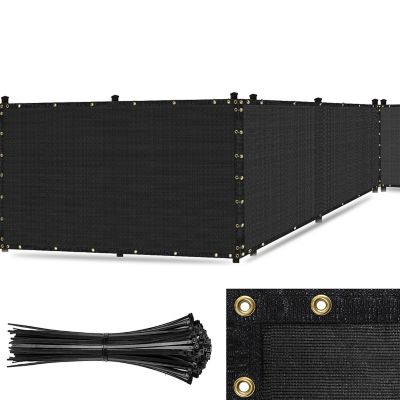
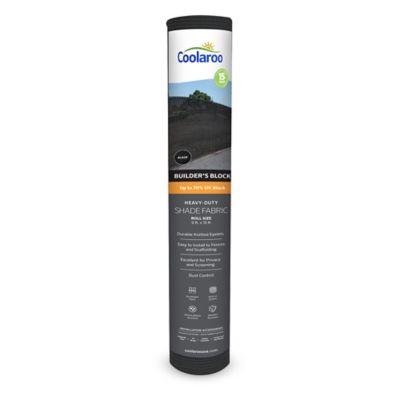
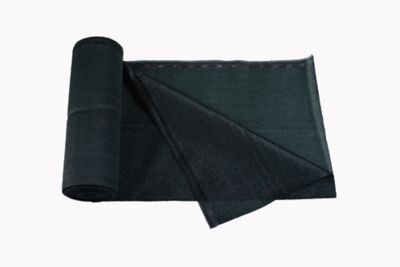
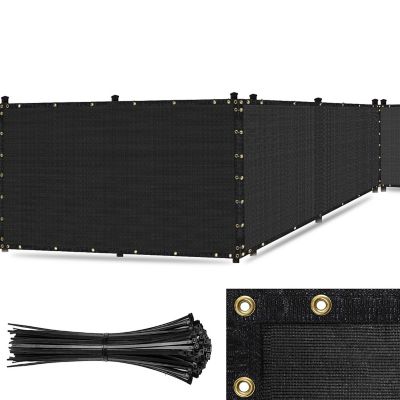
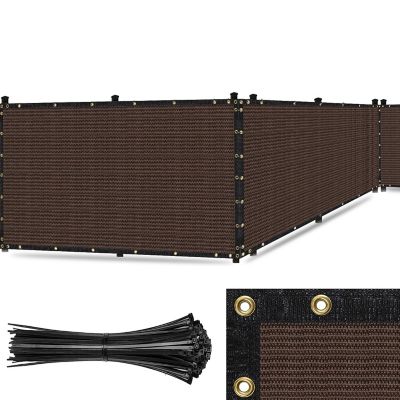
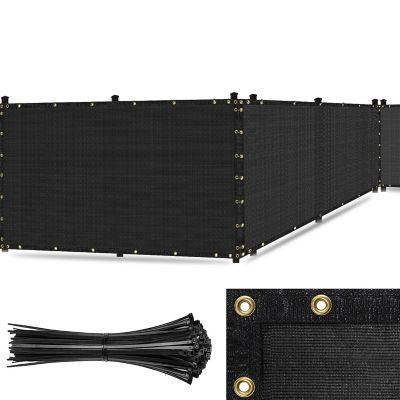
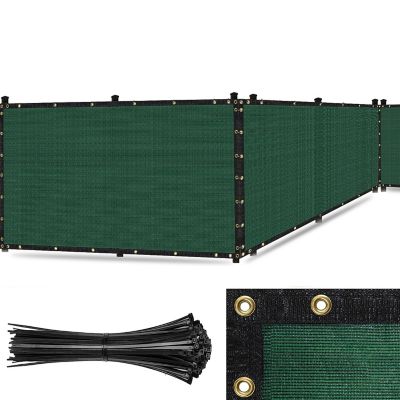
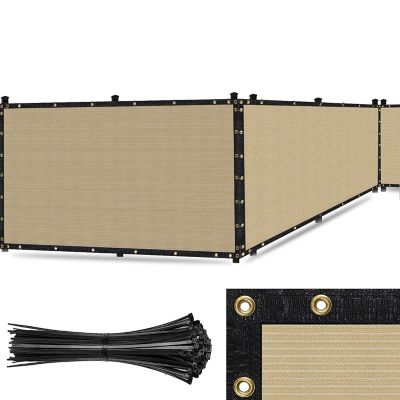
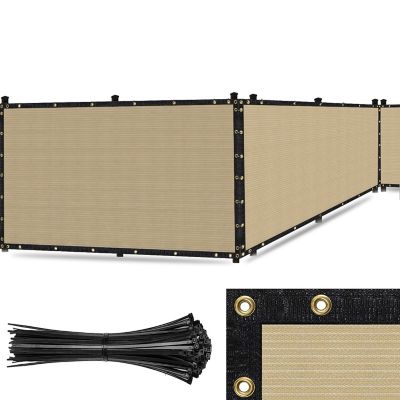
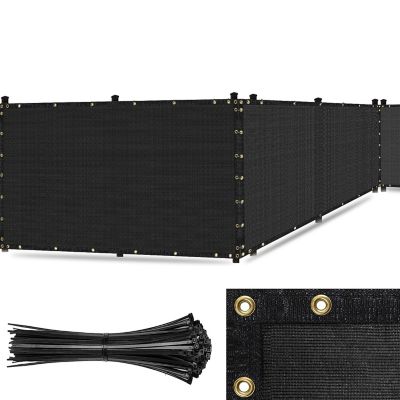
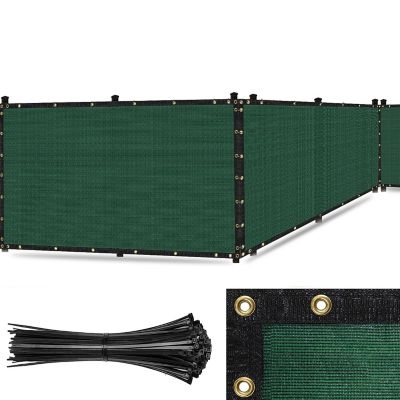
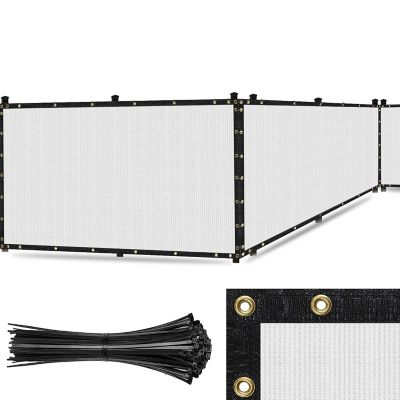
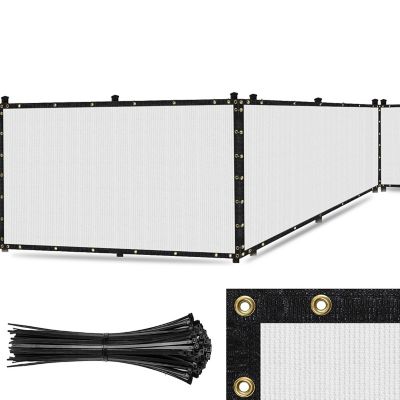
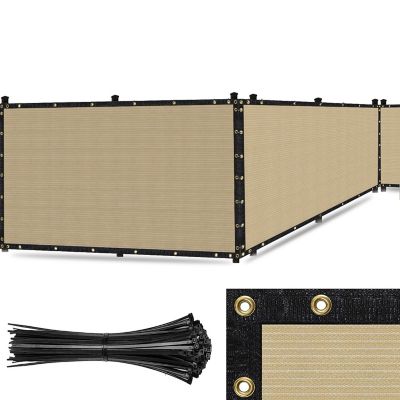
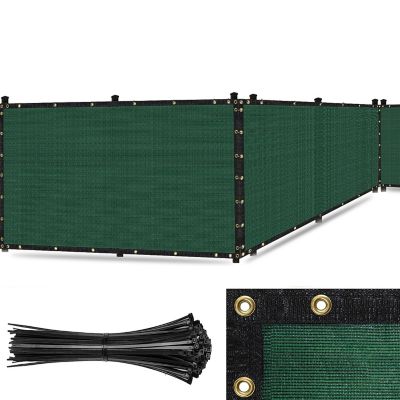
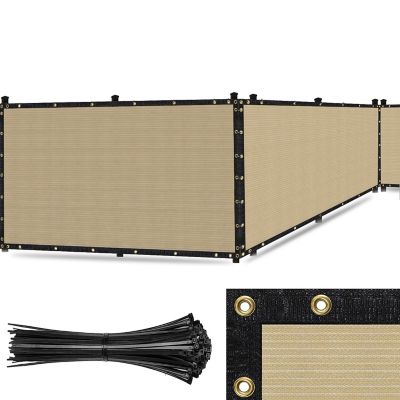
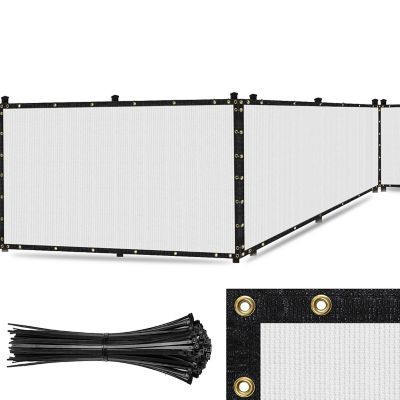
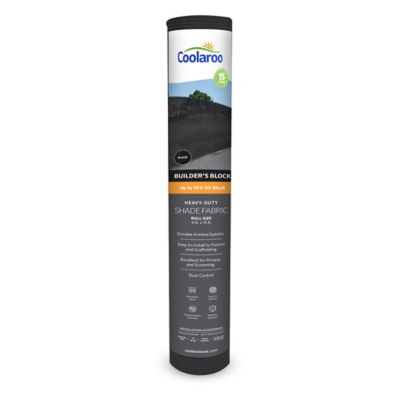
Privacy screens for porches make it easier to enjoy the space just outside your door without feeling like the whole neighborhood is looking in. A porch can be a favorite spot for morning coffee, muddy-boot conversations, afternoon naps, or supper when the weather is agreeable, but an open railing or exposed side can leave it feeling a little too public. A well-placed screen adds a bit of seclusion while helping define the porch as an outdoor room. It can soften views of driveways, neighboring homes, roads, work areas, or storage spaces, and it may also help block some wind, glare, dust, and drifting leaves. These screens fit a range of homes and properties, from a farmhouse porch with rough-sawn posts to a townhome balcony or a small rental patio. They are also useful around cabins, guesthouses, poolside sitting areas, and covered entryways where a little separation makes the space more comfortable. During the warmer part of the year, a screen can give you a shady-feeling corner for reading or visiting, while during the cooler months it can make a porch feel less exposed and more inviting when the sun is out. Some folks use them to create a tucked-away place for a porch swing, while others put them near an outdoor dining table, grill area, or pet resting spot. They can even make a thoughtful housewarming gift for someone settling into a new place, especially when paired with other practical outdoor items they can enjoy for years.
When choosing privacy screens for porches, start with the layout and take careful measurements before making a purchase. Note the width and height of the area you want to cover, along with the location of posts, railings, columns, doors, windows, light fixtures, and ceiling fans. A screen that is too short may leave an unwanted gap, while one that is too large can be difficult to secure and may interfere with walking paths or the swing of a door. Think about whether you want full coverage for a more private retreat or partial coverage that still lets in plenty of daylight and keeps the porch connected to the yard. The amount of open weave or spacing affects both visibility and airflow. A tighter material can provide a stronger visual barrier, while a more open design may be a better fit for breezy locations where you want to reduce the chance of the screen catching wind. Appearance matters, too. Neutral tones tend to blend with siding, brick, painted wood, and natural landscaping, while a bolder color can help give a plain porch some personality. Consider the surrounding view as well. A screen can hide a chain-link fence or equipment area, but it should not block a useful line of sight to children playing, livestock, pets, or visitors arriving at the house. For homes with dogs that like to watch the road or cats that lounge near the doorway, positioning the screen a little higher or leaving a lower viewing space may keep everyone content. Renters and anyone who likes to change their outdoor setup from season to season may prefer options that are easier to attach, remove, fold, or store, while permanent installations may suit a frequently used porch that needs a steady, finished look.
Durability and installation details are just as important as style. Outdoor screens may be exposed to sun, rain, humidity, dust, and strong gusts, so look for materials made for outdoor use and consider how much upkeep you are willing to handle. Some materials can be wiped clean with mild soap and water, while others may benefit from occasional brushing or rinsing to clear away pollen and cobwebs. Check the attachment points and hardware, and make sure they match the surface where the screen will be installed. Wood posts, masonry, vinyl, metal, and composite railings each call for different fasteners and mounting approaches. If your porch sits in an open field or on a hill where the wind moves freely, sturdy supports and properly spaced attachment points are especially important. It is also wise to leave enough room for drainage and cleaning around the bottom edge rather than pressing the screen directly into damp soil or standing water. A screen should add comfort without creating a tripping hazard, blocking an emergency exit, or covering vents and electrical access. For another outdoor area that benefits from a little separation, see
Privacy Screens for Carports. With the right size, coverage, and mounting plan, a porch screen can turn an overlooked strip of outdoor space into a place that feels settled and useful. Picture a couple of chairs angled toward the evening light, a small table holding a glass of sweet tea, and just enough screening to make the porch feel like your own corner of the property. That simple bit of privacy can make outdoor living more comfortable through changing weather and busy seasons alike.