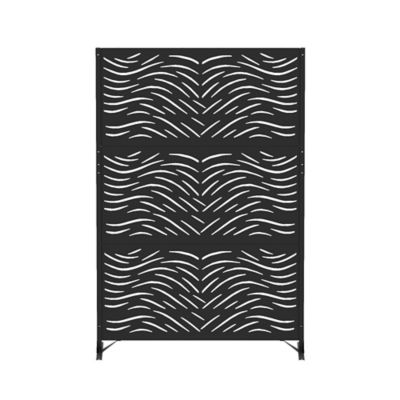
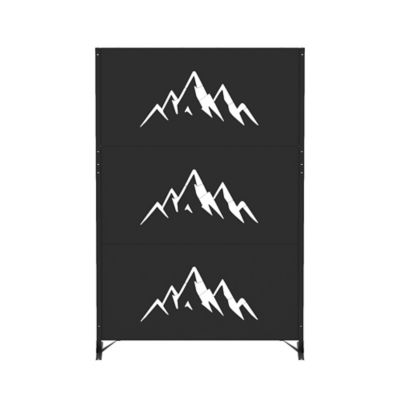
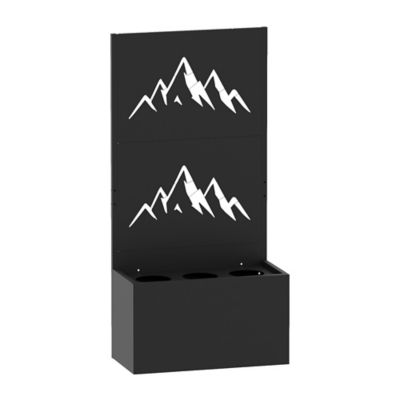
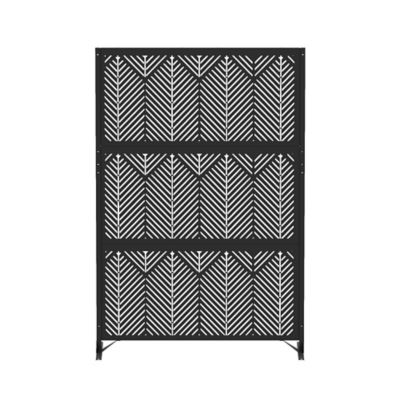
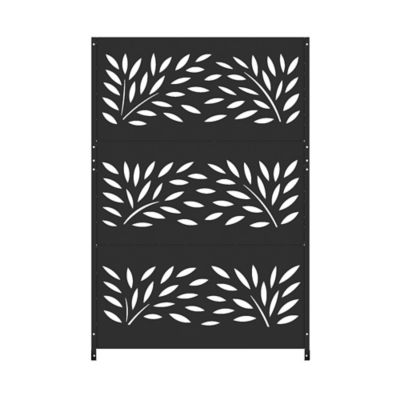
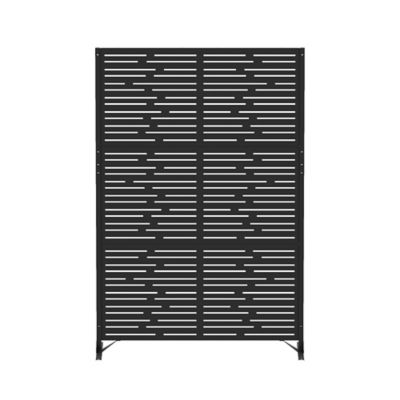
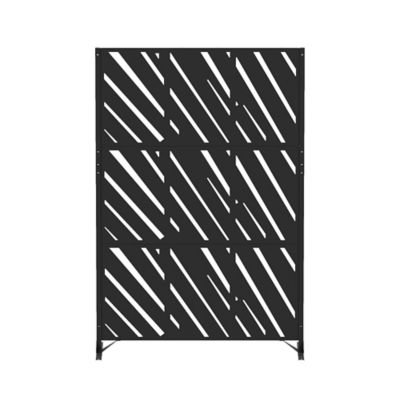
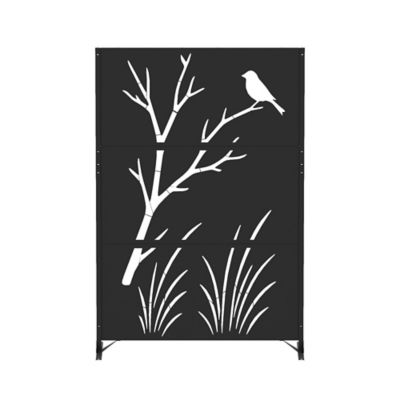
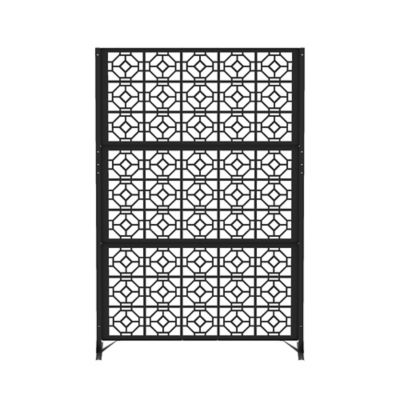
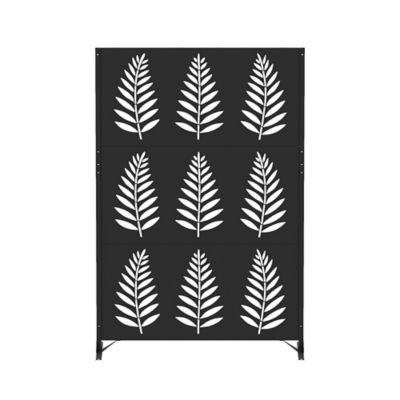
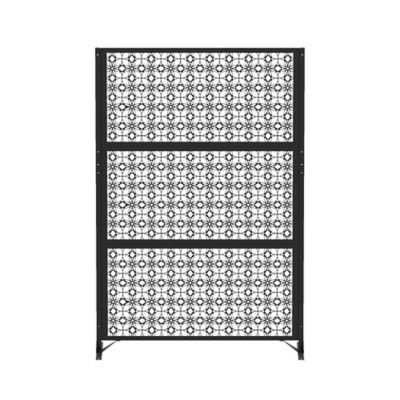
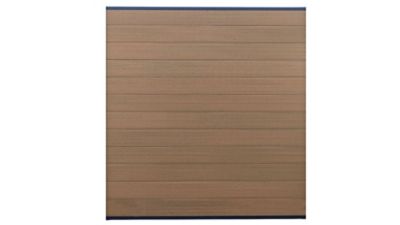
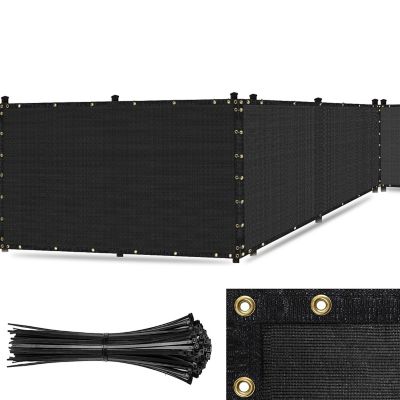
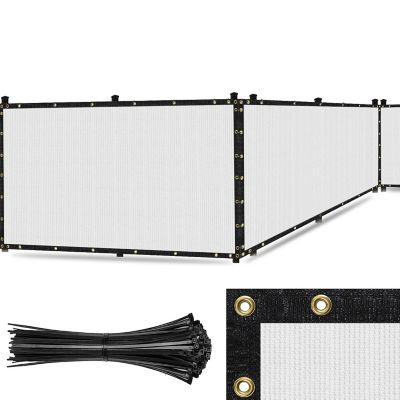
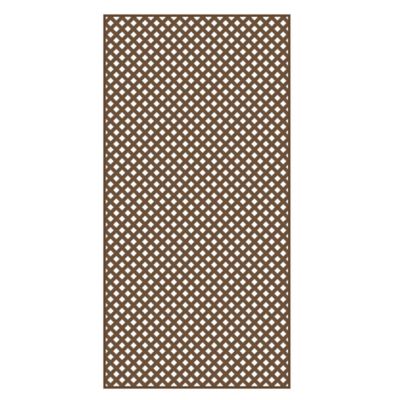
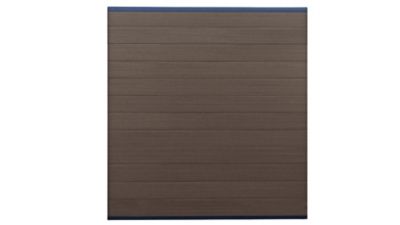
Privacy fences for patios help block direct views from neighboring yards, shared walkways and nearby gathering areas, making an outdoor sitting space feel more tucked away. They can frame a table beside the back door, separate a row of chairs from a driveway or put a little breathing room between a patio and the property next door. Solid fence panels generally offer more visual coverage than lattice or open slats, while partially open designs create a boundary without closing off every view. Freestanding screens and movable panels suit smaller areas where privacy needs to shift with the seating arrangement; fixed fencing makes more sense when the same boundary needs to stay in place. The right amount of coverage depends on where people sit, where passersby stand and which direction the unwanted view comes from. A fence that shields a low lounge chair may not cover someone standing at a dining table, and a tall panel along one edge may leave an open sightline around the corner. Panel width, overall height and the gaps between sections all play a part. Looking at those details together helps keep a patio comfortable without making it feel boxed in. On a broad backyard patio, a straight run can define a dining area while leaving the lawn open. Beside a narrow side-yard patio, a shorter section may provide enough separation without crowding the path to the gate. Privacy fencing is mainly about visual screening, so it should not be counted on to stop sound or meet pet-containment, child-safety or pool-barrier requirements unless the design meets those separate needs. Full privacy from an upstairs window can also call for a different approach than screening views at ground level. Matching the fence to the actual sightline matters more than simply choosing the tallest option. The strongest match is often a layout that covers the busy side of the patio and leaves a pleasant view of the yard, garden or open land.
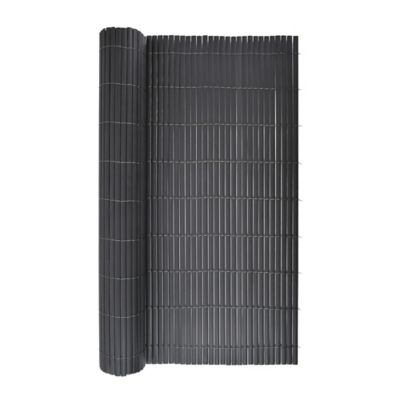
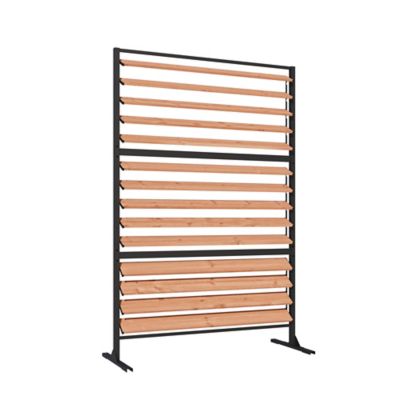
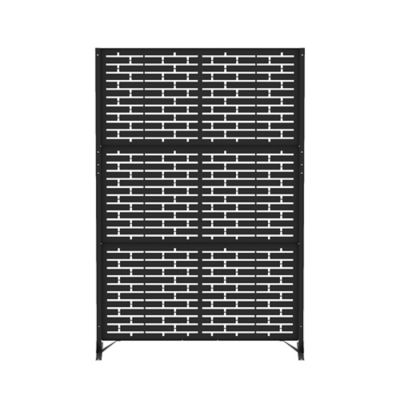
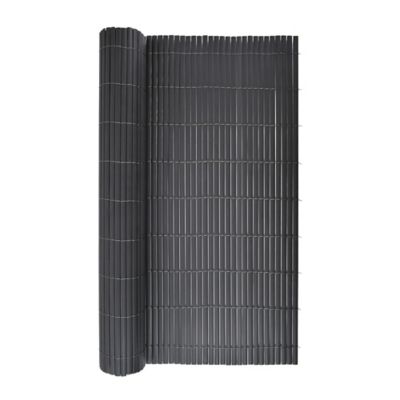
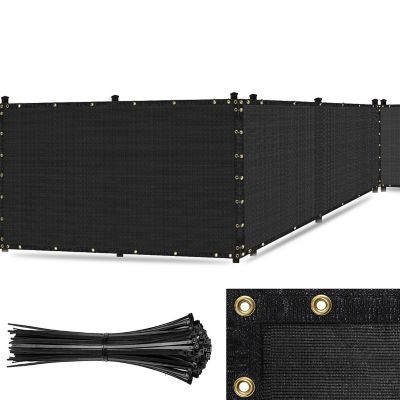
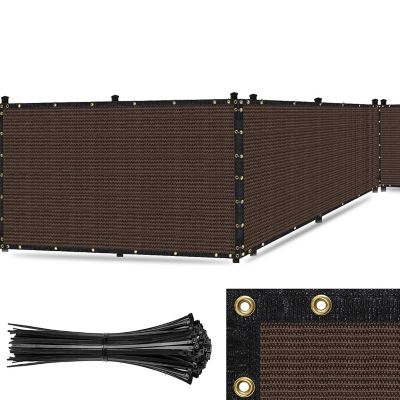
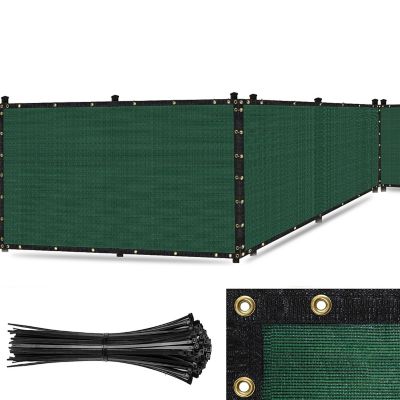
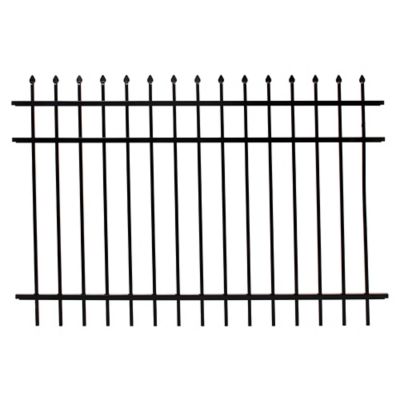
Material makes a difference in appearance, upkeep and how a patio fence holds up over time. Wood brings a familiar look beside porch posts, garden beds and other outdoor structures, with boards that can provide close coverage or a more open arrangement. Depending on the wood and its treatment, ongoing care may include cleaning, refinishing and checking for splits or loose fasteners. Pressure-treated lumber intended for the right exposure can be a practical choice, but ground-contact suitability should be confirmed wherever posts or framing meet soil. Vinyl offers a consistent appearance and generally needs no painting, though dirt can collect along lower rails and joints. Cleaning methods should follow the material maker’s recommendations, especially around textured surfaces and corners. Composite fencing can provide a board-style look with different care needs than solid wood; its weight, framing requirements and approved cleaning methods deserve attention. Metal panels can bring crisp lines or patterned screening to a patio, with privacy depending on how much open space the design contains. Protective finishes help limit corrosion, and scratches or damage may need attention according to the finish instructions. Bamboo, reed and fabric screening offer other textures, but their coverage and support needs vary considerably. A closely woven screen may soften a view, while loose spacing can leave clear sightlines when someone stands nearby. Fabric and mesh barriers also depend on their backing and attachment points rather than acting like structural fence panels. Across all materials, small construction details count: secure joints, appropriate fasteners, supported edges and hardware suited to the setting help limit wobbling and early wear. A fence beside a busy back door may collect scuffs from chairs, garden carts and boots, so easy access for cleaning and occasional repairs is worth considering. Keeping soil, mulch and stored belongings from piling against panels can also make inspection easier and help protect surfaces. Matching care expectations to everyday routines keeps the fence from becoming one more chore that gets put off.
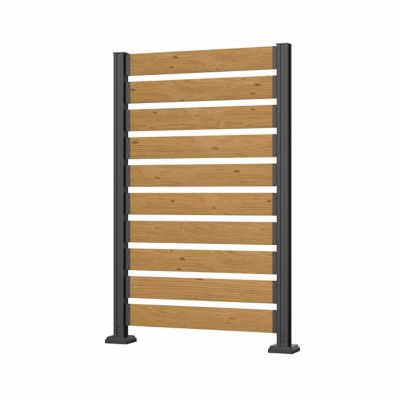
Fit goes beyond the length of the patio edge. Fixed privacy fencing needs a support system suited to its height, weight and location, whether that means posts set in soil or a mounting arrangement approved for a concrete surface. Pavers, thin slabs and deck boards are not interchangeable mounting bases, and a fence should not depend on a light railing or an unrelated structure for support unless that connection is approved for the load. Freestanding designs need an appropriate footprint and secure placement, particularly near a walkway where a projecting base could catch a boot or chair leg. Gates need room to swing without scraping furniture, and a passage should remain wide enough for the things that travel through it, from a wheelbarrow to a rolling grill cart. Property boundaries, local fence rules and any neighborhood requirements can affect height and placement before a layout is settled. Utility locations also matter wherever posts or anchors involve digging or drilling. These practical details shape which fence styles suit a space without turning the patio into an obstacle course. For a broader look at outdoor screening, explore
Privacy For Patios alongside the fencing options that match the yard. A household that gathers around a large table may appreciate an uninterrupted backdrop, while someone with a small seating nook may prefer a pair of panels that leaves the rest of the patio open. Families with children or pets should pay attention to reachable gaps, sharp edges and climbable features rather than assuming a privacy panel doubles as a safety barrier. Grills, fire features, vents and exits need their specified clearances, even when a closer fence would block more of the view. A well-matched patio privacy fence leaves room to pull out a chair, carry supper outside and get back to the yard without squeezing through a tight corner. That balance of coverage, access and manageable care is what makes the space feel settled and ready for everyday living.