Privacy for patios comes from placing a barrier where it interrupts an unwanted view without closing off the whole space. Outdoor privacy screens, fence panels, curtains, railing covers, and planted containers all serve that purpose in different ways. A seating area beside a neighboring driveway may need a taller, more solid partition, while a porch facing a shared walkway might feel tucked away with coverage along the railing. For a patio behind a farmhouse, a short run of screening can separate the supper table from the equipment yard while leaving the view across the pasture open. The right amount of coverage depends on what can be seen from nearby windows, paths, and gathering areas, along with whether people will be sitting or standing. Solid panels provide more direct visual separation; slatted wood, woven materials, and patterned metal break up sightlines while leaving gaps. Those openings matter: a panel that looks private straight on may reveal more from an angle. Height alone does not tell the whole story, either, since a raised deck or neighboring upper-story window can overlook a barrier that works well at ground level. Browsing
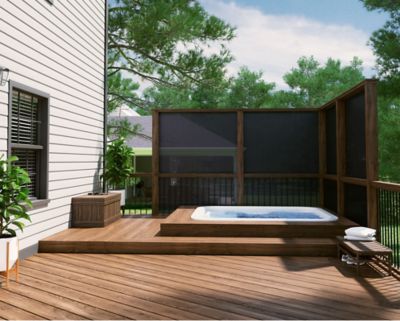
Privacy Panels For Patios can help narrow the focus to structured partitions for defining the edge of an outdoor living area. Freestanding screens suit spaces that need some flexibility, provided their bases and anchoring meet the manufacturer’s requirements. Mounted panels make more sense where a fixed boundary fits the layout and the supporting surface can handle the attachment. Neither type has to surround the entire patio to make a difference. A carefully placed section behind two chairs or beside a dining bench can give a small gathering spot a more settled, sheltered feel. Leaving a clear route to the yard, gate, and back door keeps that separation practical for everyday trips with groceries, feed buckets, or a tray of food.
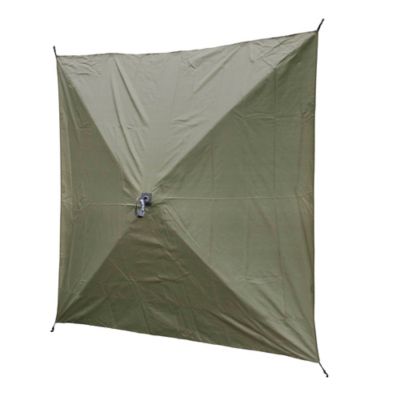
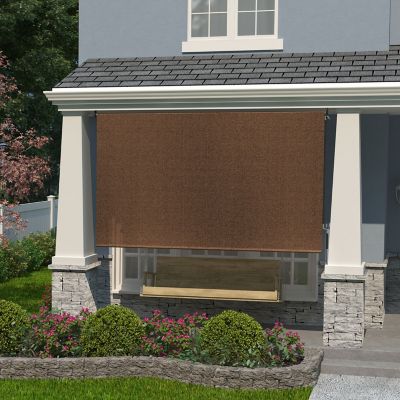
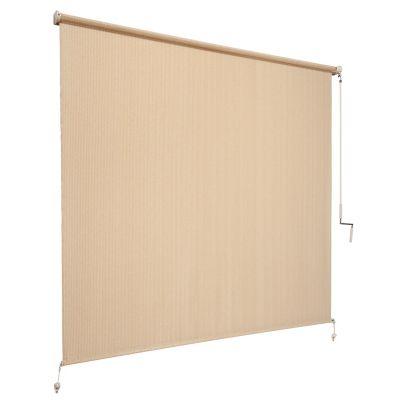
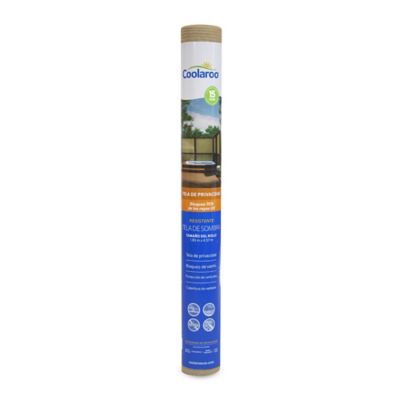
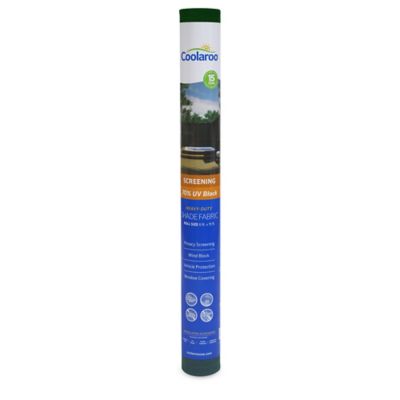
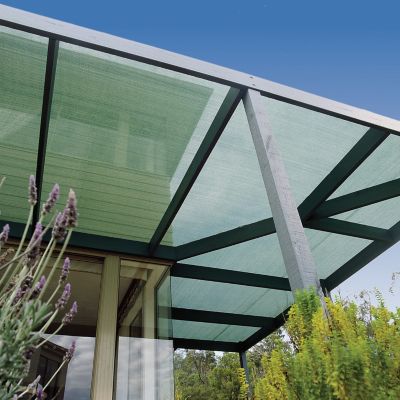
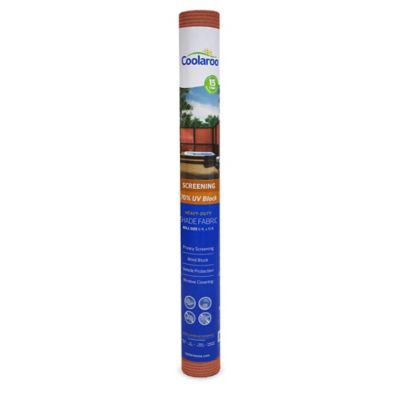
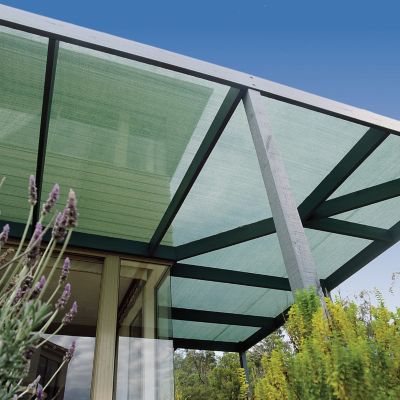
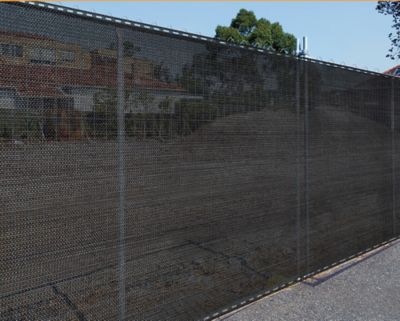
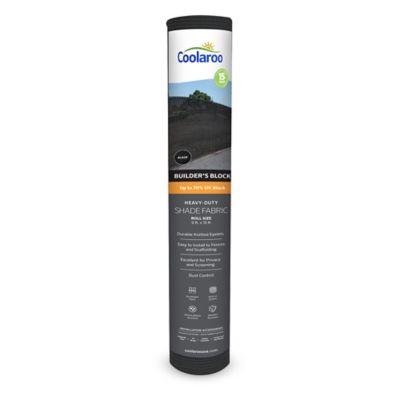
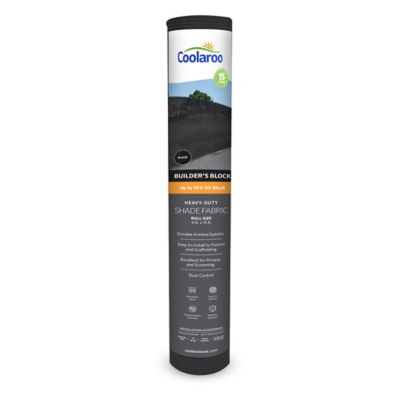
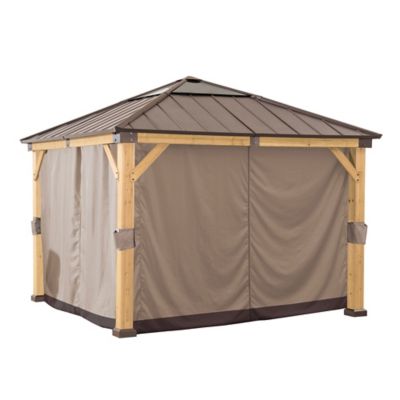
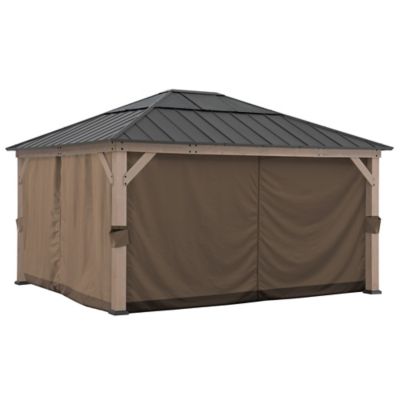
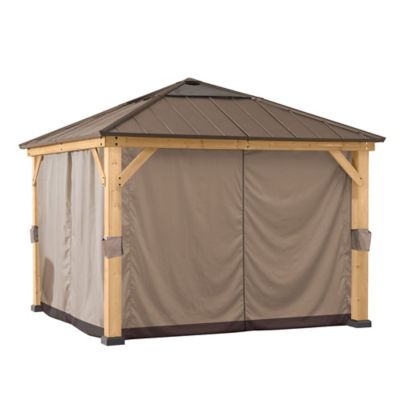
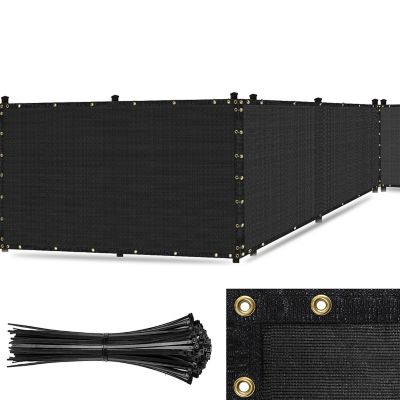
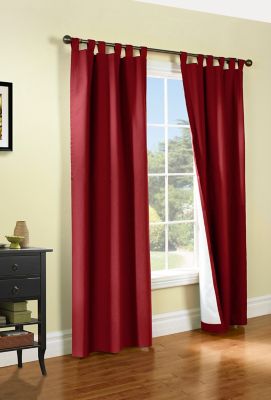
Materials shape how patio privacy looks, how much it blocks, and what it takes to keep it looking cared for. Wood brings a familiar feel alongside porch posts, fencing, and garden beds, with the species and finish affecting its maintenance needs. Slat spacing determines the level of coverage, and some wood surfaces need periodic sealing or staining according to their care directions. Metal panels offer a crisp outline and can range from nearly solid sheets to open patterns that cast interesting shapes across paving. The metal type, finish, and attachment hardware all matter, especially around cut edges or scratches where a protective coating may be interrupted. Vinyl and composite partitions offer other looks and care requirements; their weight, expansion allowances, and mounting instructions deserve attention before installation. Bamboo and reed screening have a textured appearance that works well beside planting areas, though the tightness of the weave determines how much can be seen through them. Rolled screening typically needs a suitable supporting structure rather than standing on its own. Fabric brings a softer edge to a patio, whether it hangs as curtains or stretches along an existing railing. Opaque fabric generally provides more visual coverage than mesh, but privacy can change with lighting, particularly when the patio is brighter than the space beyond it. Outdoor curtains also need enough width for the intended opening, along with compatible rods, tracks, or other supports. A retractable side screen can cover one exposed angle and pull back when that separation is not needed, although its mounting points and operating clearance limit where it will fit. Across these materials, easy care often comes down to reachable surfaces, accessible fasteners, and cleaning methods suited to the finish. Removable fabric may simplify cleaning, but washability varies. Wood, metal, and synthetic surfaces each have their own care directions, so a gentle rinse or wipe should not automatically be treated as suitable for every construction.
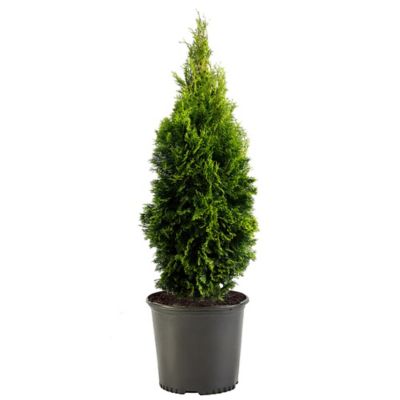
Fit is about more than matching a panel’s listed width to an empty stretch of patio. Bases take up floor space, posts add to the overall span, and a hinged screen needs room for its sections to sit at the intended angle. On a compact slab, those inches can decide whether a chair pulls out comfortably or a screen crowds the doorway. A level supporting surface and the correct fasteners are important for a stable installation; a freestanding design does not necessarily mean it can safely stand without anchoring. Renters and households that rearrange their outdoor seating may favor removable arrangements, while permanent installations call for checking property boundaries, applicable rules, and permission where needed. Existing railings and pergolas should not be assumed to support extra screening without confirming their capacity and the attachment requirements. Plant-based privacy brings a different set of considerations. Tall container plants, dense shrubs, and climbing plants on trellises can soften the view between neighboring patios or mark off a quiet corner for reading. Living greenery needs enough root space, drainage, suitable light, and access for watering and pruning. Mature size matters as much as the size at planting, since a narrow pot of foliage will not immediately create a full-height screen. Trellises provide structure for climbers but may offer little privacy until growth fills the openings. Artificial greenery provides coverage without plant care, though it still needs suitable support and cleaning. Mixing materials can make a space feel less boxed in: a solid section near the dining table can handle the most exposed sightline, with open slats or greenery extending the boundary. These arrangements suit everyone from a couple with a small back porch to a family whose patio doubles as a place for meals, visiting, and watching children play. Visual privacy is not the same as sound control, and a screen is not a substitute for a required guardrail, pool barrier, or secure pet enclosure. Keeping those jobs separate helps patio privacy feel comfortable without getting in the way of how the household lives outdoors.