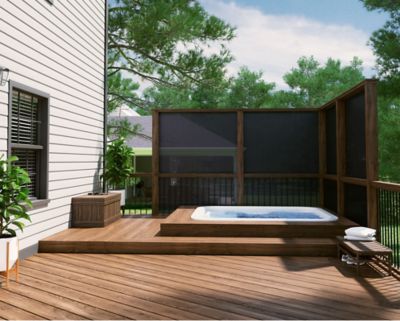
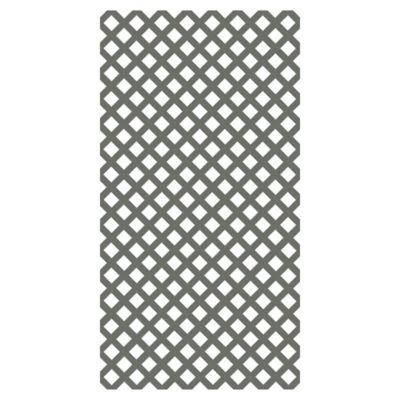
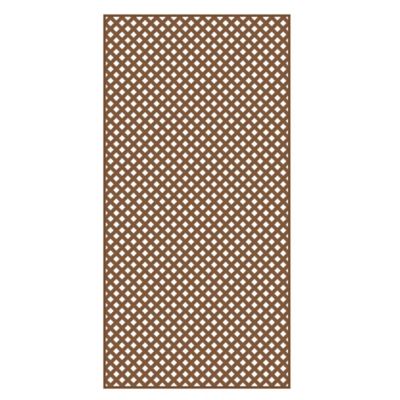
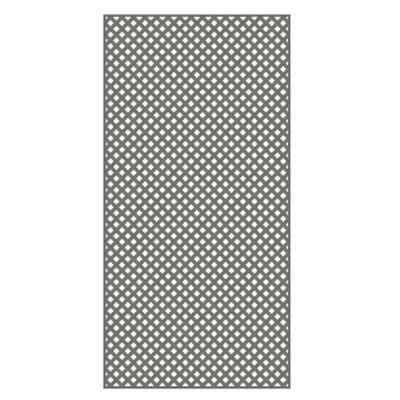
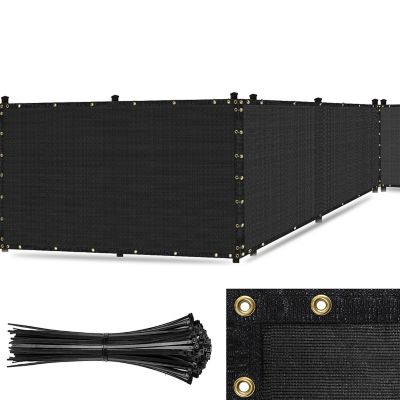
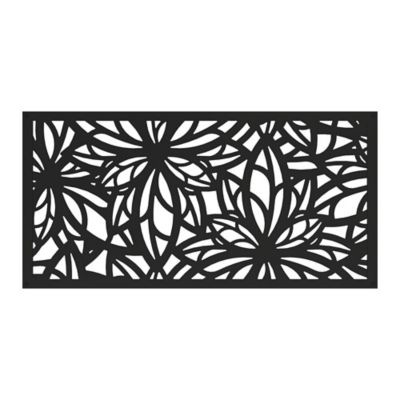
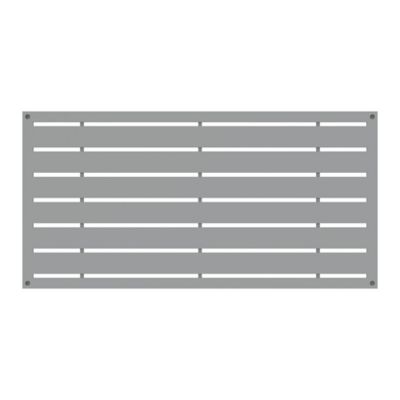
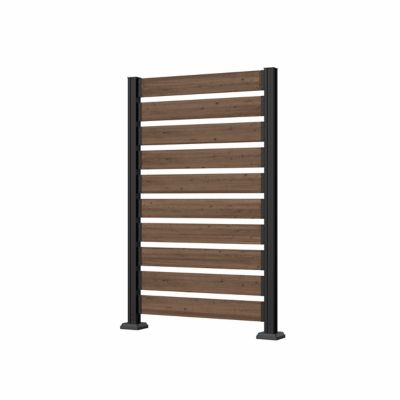
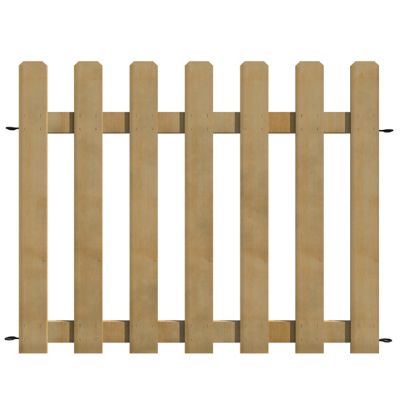
Privacy panels for decks help make an outdoor sitting area feel more tucked away by interrupting sightlines from neighboring yards, nearby roads, and shared property edges. They can give a farmhouse deck a quieter corner for morning coffee or bring a little separation to a small backyard where houses sit close together. The main styles include solid panels, spaced slat screens, lattice, patterned metal screens, and framed sections that work together across a longer stretch of decking. Each offers a different balance of coverage, openness, and upkeep. Solid panels provide greater visual separation, while open patterns let more light through and keep the space from feeling boxed in. Horizontal slats create a broad, clean-lined look; vertical slats can echo porch posts and traditional fencing. The space between those slats matters just as much as their direction, since wider gaps leave more of the deck visible. Material choice also shapes how a screen looks and holds up over time. Wood brings natural grain and works well alongside timber railings, though its upkeep depends on the species, treatment, and finish. Vinyl generally needs no painting, while composite panels combine a more uniform appearance with maintenance requirements that vary by manufacturer. Aluminum offers a lighter-weight metal option, and steel panels can provide a substantial feel, with protective finishes playing an important role in preventing corrosion. Patterned screens soften the boundary between a seating area and the yard, but their openings mean they do not provide the same coverage as a solid surface. For a more open grid that can define a deck edge or support compatible climbing plants,
Lattice Panels For Decks offer another approach. The best match depends on whether the goal is to screen a dining table, separate two activity areas, or block a direct view into the back door without enclosing the whole deck.
Fit goes beyond finding a panel that matches the length of a railing. Overall height, panel width, frame thickness, and the size of any mounting feet all affect how much room remains for chairs, benches, and foot traffic. A screen that looks modest beside an empty railing may crowd the same spot once a chair is pulled out from the table. On a narrow deck, a slim post-mounted layout may leave more usable floor space than a freestanding screen with broad feet. Freestanding designs offer flexibility where their installation requirements allow, while fixed panels create a more permanent boundary. Some freestanding screens still require anchoring, so that description does not necessarily mean they can simply be set down and left in place. Modular sections can span a longer deck edge, though posts, connecting brackets, and corner pieces may add to the finished dimensions. Panel measurements and overall installed measurements are not always the same. Coverage also changes with viewing angle: a screen that blocks the view from a chair may leave a standing person visible, and a taller panel may still offer limited privacy from an upstairs window. Slatted and patterned designs can appear more closed from one direction than another. Thinking about the actual sightline—from the neighbor’s kitchen window to the deck table, for example—helps narrow the choices more than height alone. Mounting compatibility deserves equal attention. Deck boards, railing caps, and existing posts are not automatically suitable attachment points for every screen. The panel’s installation requirements and the deck’s supporting structure determine the right connection, and larger installations may call for a qualified contractor’s assessment. Privacy screens are not substitutes for required guards or handrails unless specifically designed and approved for that purpose. Local building rules and property restrictions may also affect panel height and placement, especially on raised decks. A well-fitted layout preserves access to stairs, gates, and doorways while keeping the gathering area comfortable to move through.
Care requirements are worth weighing alongside appearance, particularly for a deck that already gets plenty of everyday traffic. Wood panels may need periodic sealing, staining, or painting, depending on the material and finish. Their joints and lower edges deserve attention because trapped moisture and contact with debris can shorten their service life. Vinyl and composite surfaces often clean with mild soap and water, but the manufacturer’s directions should govern cleaning products, brushes, and pressure-washing limits. Metal screens benefit from occasional checks around fasteners, cut edges, and mounting points, where damaged coatings can leave the underlying material exposed. Aluminum does not develop iron rust, though its finish and compatible hardware still matter. Fasteners suited to the panel material and any treated lumber help prevent staining and corrosion at the connections. Regardless of material, accessible mounting points make routine checks easier, and a little clearance around the bottom can help keep leaves and dirt from collecting against the frame. For households with children or pets, panel openings, exposed edges, and secure attachments are important considerations; a privacy screen should not be assumed to function as a child barrier or pet enclosure. Near a grill, required clearances from the grill manufacturer take priority over the wish to screen the cooking area, especially with wood or plastic-based panels. Panels paired with planters bring greenery closer to the seating area, but filled containers add weight, and climbing plants need support suited to their mature size. The finished arrangement can be as simple as two sections behind a pair of rocking chairs or a longer run beside an outdoor dining table. A partial screen often gives a deck enough separation while leaving a clear view toward the garden, pasture, or play area. Matching panel proportions to nearby posts, choosing a finish that sits comfortably with the railing, and allowing room for daily routines can make the addition feel like part of the home rather than an obstacle at its edge. With the right balance of coverage, fit, and manageable upkeep, deck privacy panels help create a comfortable place to sit down, share a meal, and enjoy a little breathing room.