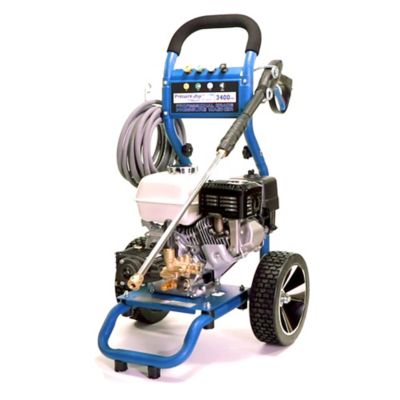
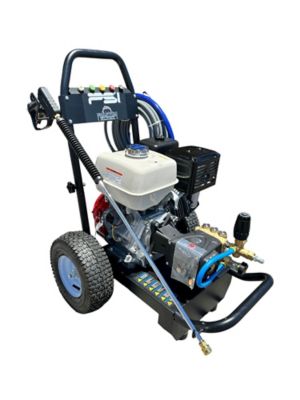
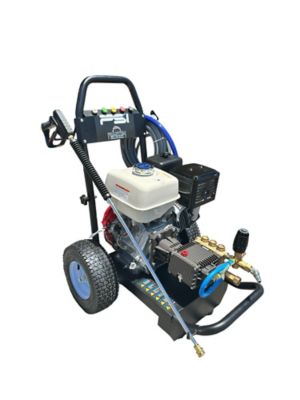
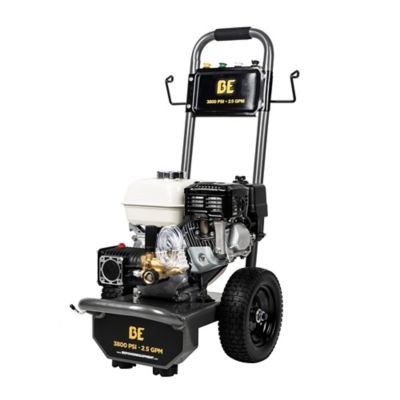
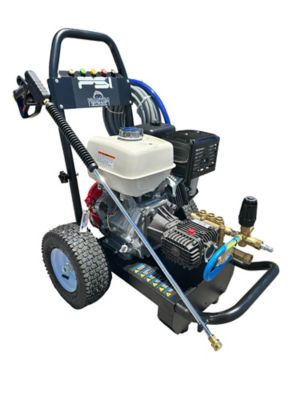
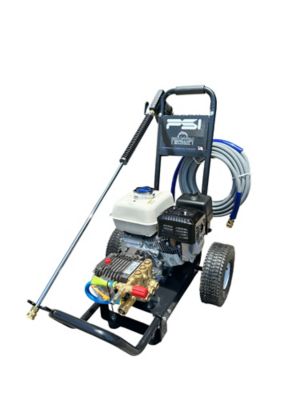
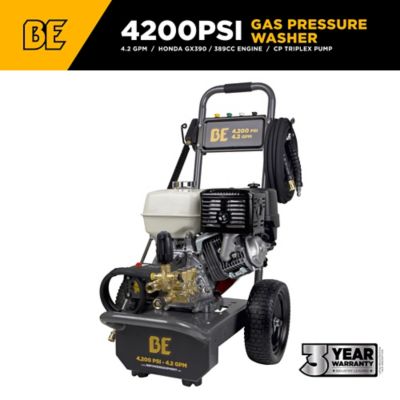
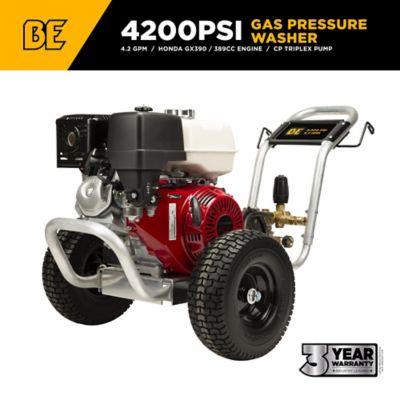
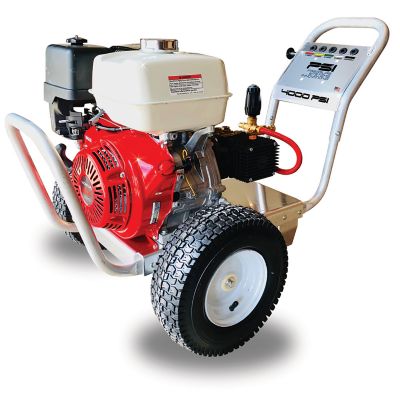
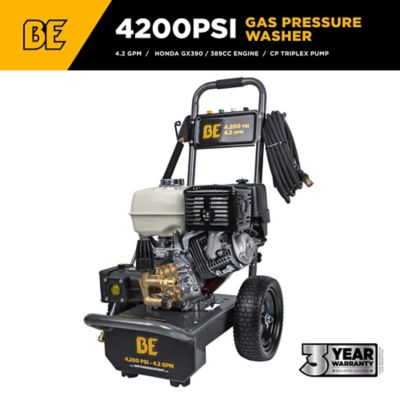
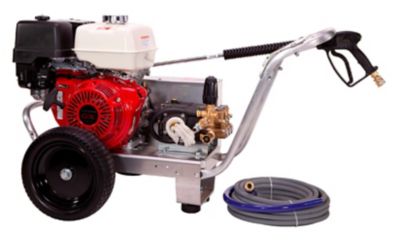
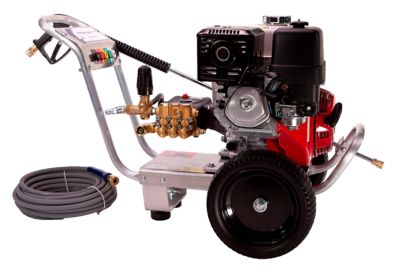
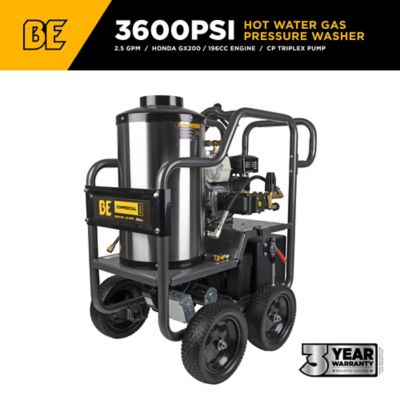
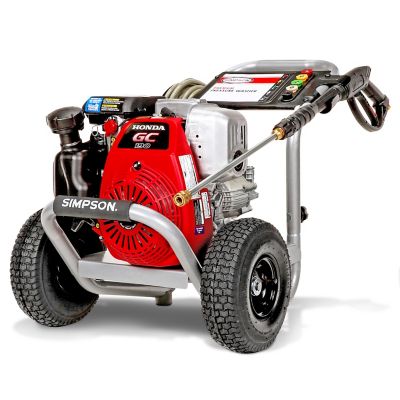
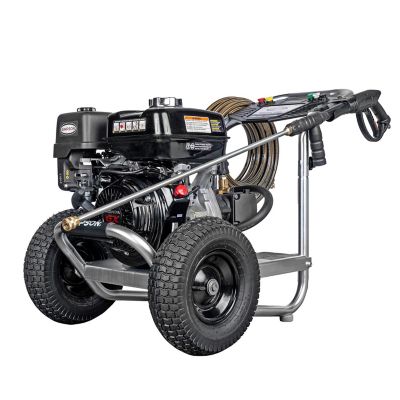
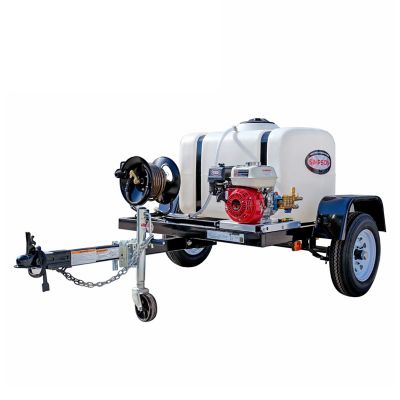
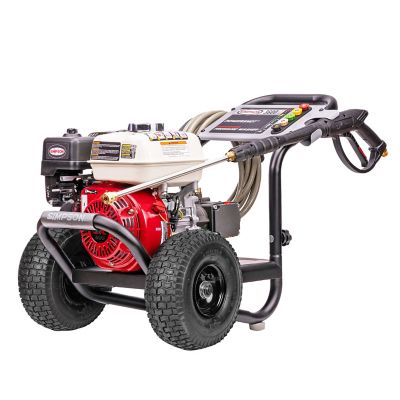
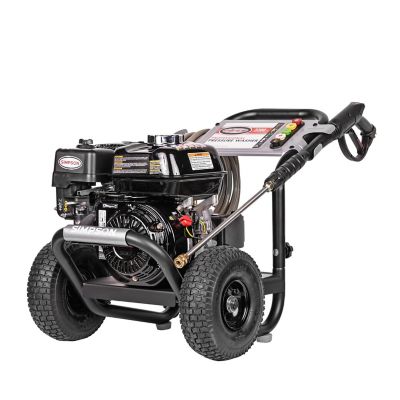
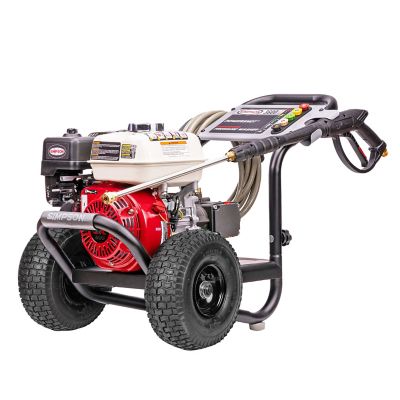
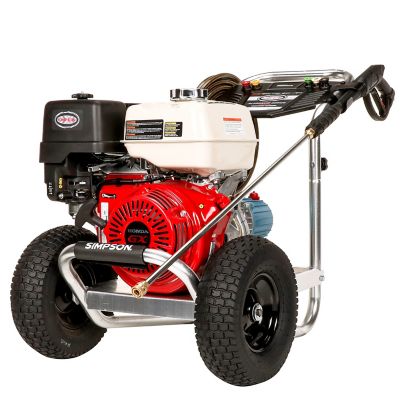
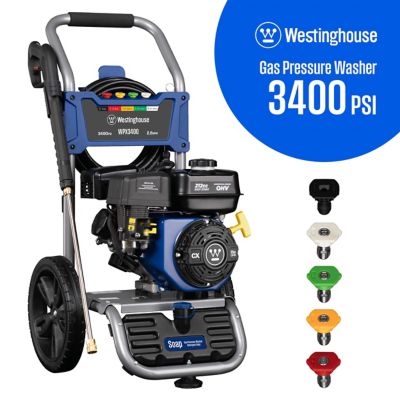
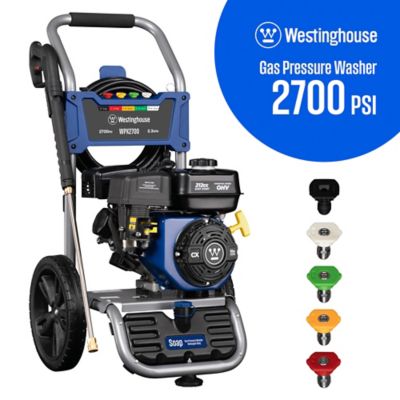
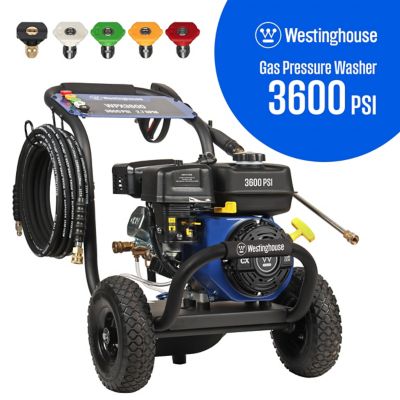
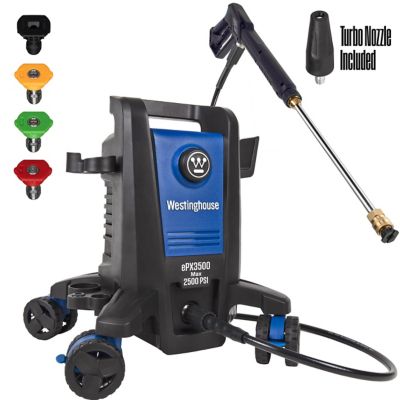
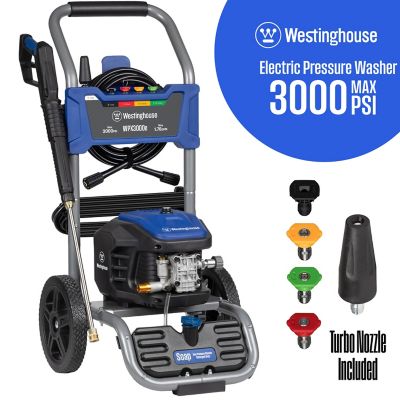
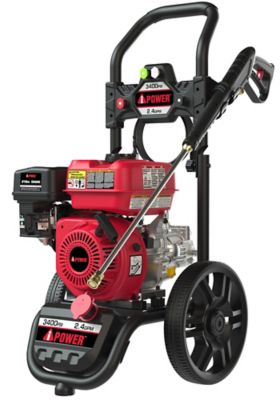
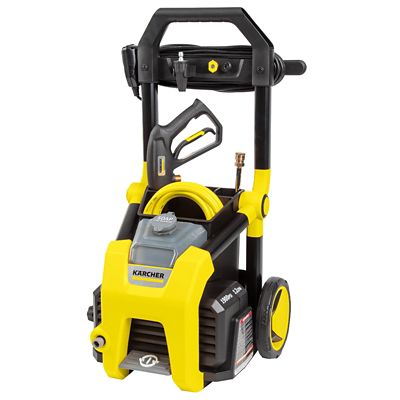
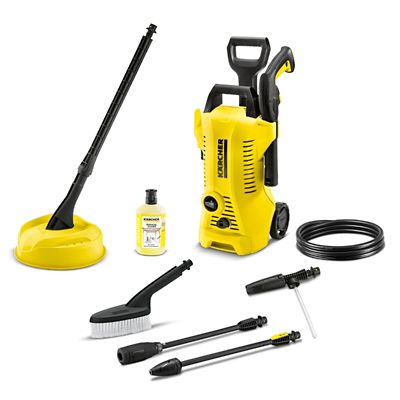
Gas pressure washers bring engine-driven cleaning power to the jobs that leave a garden hose falling short: packed dirt on a tractor’s fenders, muddy tire tracks across a concrete driveway, or grime along a utility trailer’s bed. A gasoline engine drives the pump, while the pump, hose, spray gun, and nozzle work together to deliver water at the working pressure. That distinction matters when comparing pressure washers with gas engines, because the engine alone does not determine cleaning performance. Pounds per square inch, or PSI, describes pressure, while gallons per minute, or GPM, describes water flow. Pressure helps loosen stubborn buildup, and flow helps carry it away. A higher-flow machine can make a noticeable difference across broad areas of concrete, provided the water supply can keep up. More pressure is not automatically better for every job, though. Painted panels, wood, siding, seals, and equipment bearings call for a gentler approach than bare concrete. Adjustable pressure, suitable spray tips, and clear operating limits give a machine more flexibility around a home or acreage. For a homeowner, that might mean cleaning a walkway and then rinsing a mower deck without treating both surfaces the same way. For a fencing crew or property maintenance outfit, it might mean tackling equipment cleanup between jobs. Engine displacement and horsepower help describe the power source, but the rated PSI and GPM are better starting points for understanding the complete washer. Those ratings also need to be considered alongside the pump design, intended workload, and maintenance requirements. A compact unit for occasional cleanup and a larger machine built for frequent work can serve very different needs, even when both have gasoline engines. The right fit comes down to the surfaces being cleaned, the amount of ground to cover, and how often the machine will earn its spot in the shed.
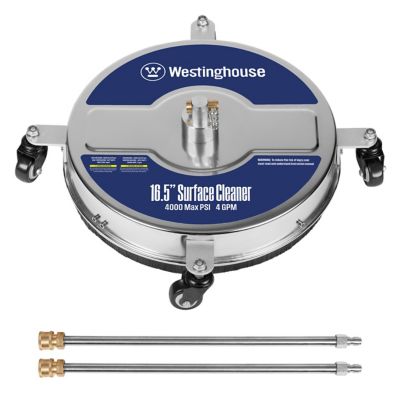
Engine construction and pump design deserve a close look when a pressure washer will spend plenty of time working. Engines intended for frequent operation may have different components, lubrication systems, and service schedules than engines intended for occasional household chores. Easy access to the oil fill, air filter, spark plug, and fuel shutoff can make routine upkeep less of a chore. The pump has its own requirements: some designs have limited maintenance provisions, while serviceable pumps may offer oil changes and replaceable wear parts. Triplex pumps are common on machines intended for frequent, demanding work, while axial-cam pumps are common on smaller pressure washers; the manufacturer’s stated application and maintenance schedule matter more than the pump name alone. Frame construction affects everyday handling, too. Steel tubing, protective finishes, solid mounting points, and guards around exposed components can help a machine stand up to being rolled across a work area or loaded for transport. Large wheels are worth considering for gravel and uneven ground, while a balanced frame and a comfortable handle can ease the trip from the shed to the driveway. Storage space matters as much as working space, especially when a washer shares a trailer or garage with other equipment. Hose length, hose flexibility, and onboard storage influence how much repositioning a job requires. Longer hoses offer reach, but they still need the correct pressure rating and compatible connections. A spray gun that fits comfortably in the hand can make longer cleaning sessions easier to manage. Nozzle selection adds another layer of versatility: a wider spray spreads the water across a larger area, while a narrower spray concentrates the force. Rotary nozzles and surface cleaners have particular applications and must match the washer’s pressure and flow specifications. A detergent system can help with compatible cleaning solutions, but not every machine or attachment handles detergent the same way. These practical details help separate a washer that fits the job from one that simply posts a bigger number on its label.
For contractors, grounds crews, and landowners with a steady list of cleanup work,
Professional Pressure Washers offer another way to compare equipment built around heavier workloads. Frequent operation puts more emphasis on service access, pump construction, hose capacity, and the ability to replace normal wear parts. A crew cleaning long stretches of pavement may benefit more from suitable water flow and a matched surface cleaner than from choosing the highest pressure rating alone. Someone washing a utility trailer, mower, and a few concrete pads may put more value on manageable weight and straightforward storage. Care requirements belong in that comparison from the start. Gas engines need the specified fuel and engine oil, along with air-filter and spark-plug service at the intervals listed in the owner’s manual. Pump care varies by design, so engine maintenance should not be mistaken for complete machine maintenance. Clear inlet screens, sound hose connections, and a water supply that meets the stated flow requirement help protect the pump during operation. Some supplies, including tanks and wells, need extra attention to flow and inlet requirements rather than an assumption that any hose connection will do. Long pauses with the engine running can also affect pump operation, making the manufacturer’s bypass-time limits important. After a job, pressure relief, hose inspection, and storage according to the manual help keep the machine ready for its next outing. Safe operation matters just as much as cleaning power: gasoline engines belong outdoors, well away from doors, windows, and vents, never inside a barn, garage, or other enclosed space. High-pressure spray can cause serious injury and should stay clear of people, animals, electrical components, and vulnerable equipment parts. Stable footing and ground-level attachments are better suited to the force of a spray gun than ladder work. For everyday ownership, the strongest choice is a machine whose engine, pump, frame, and attachments suit the work without making routine handling or upkeep harder than it needs to be.