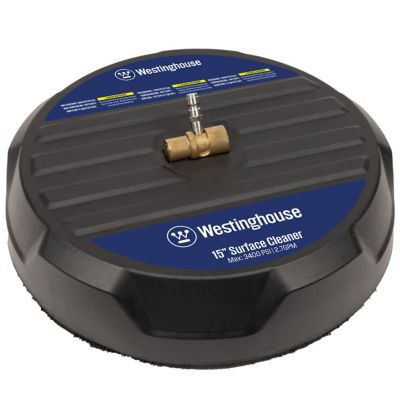
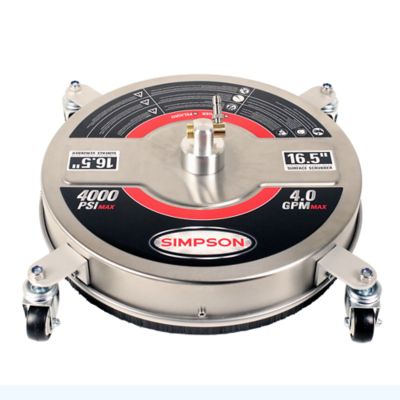
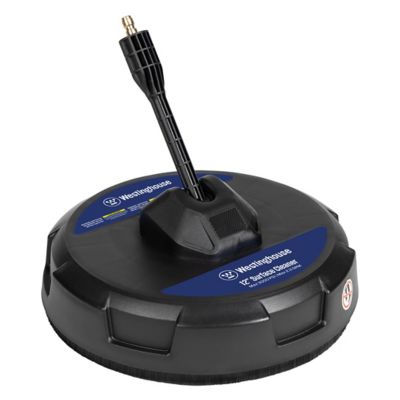
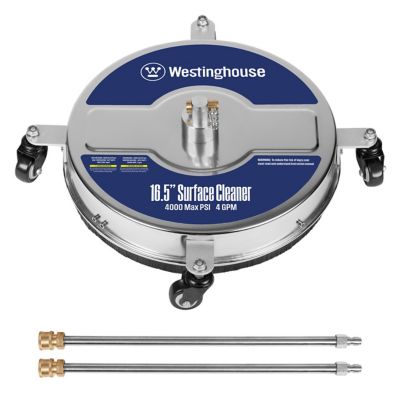
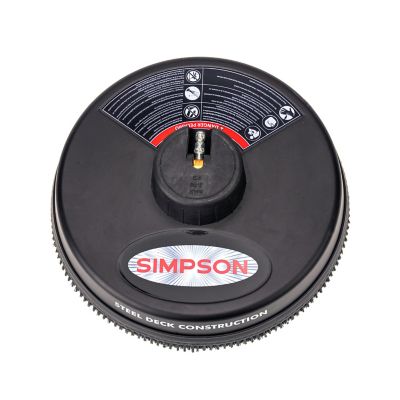
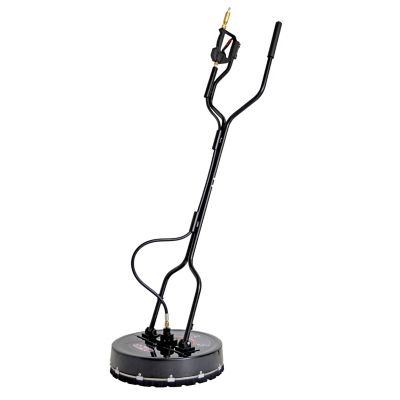
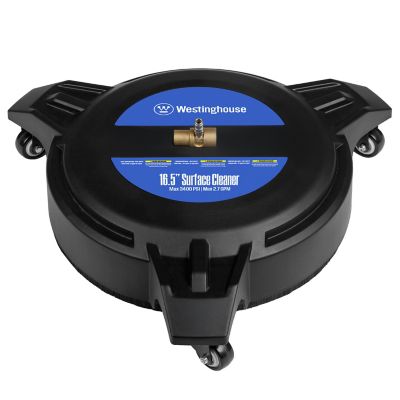
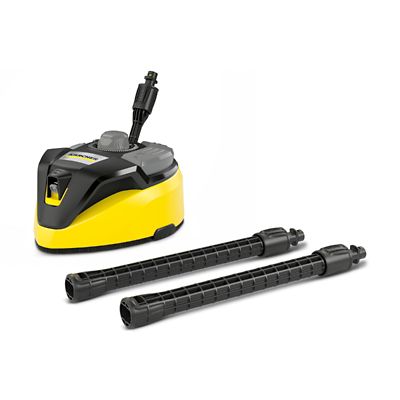
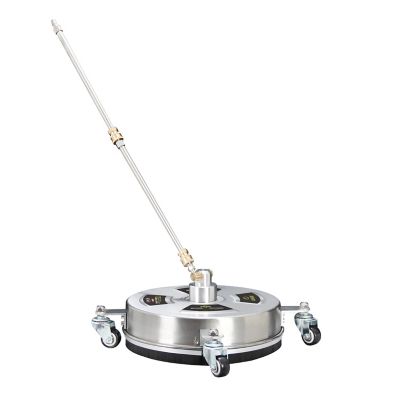
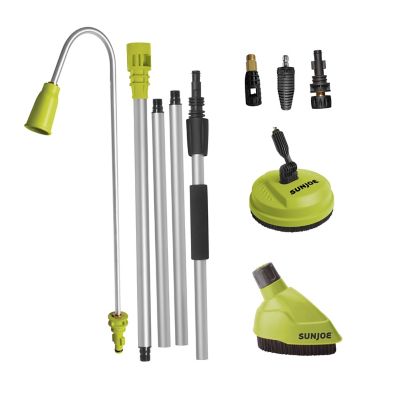
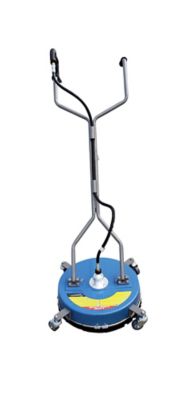
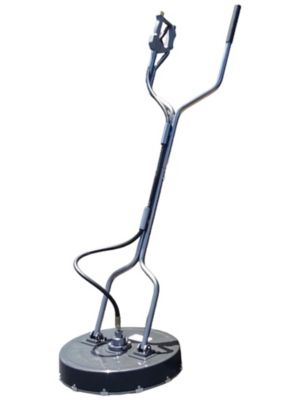
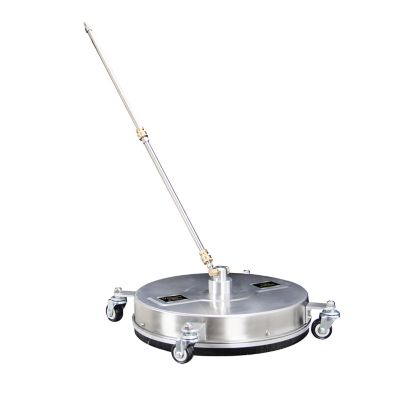
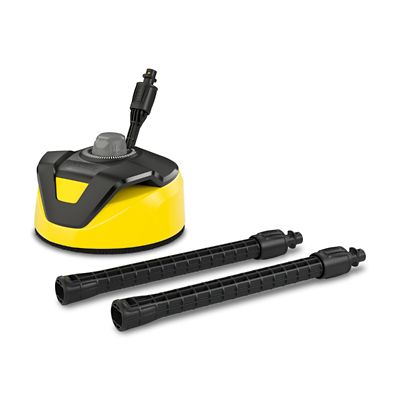
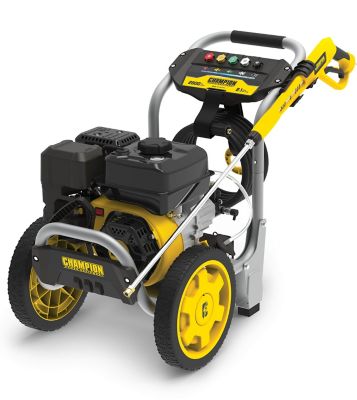
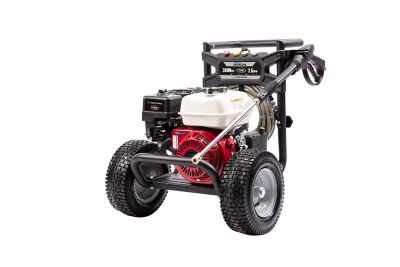
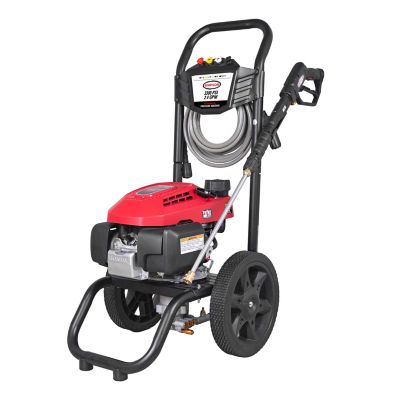
A surface cleaner for a gas pressure washer is a handy attachment for washing broad, flat areas such as concrete driveways, sidewalks, patios, garage floors, pool decks and barn walkways. Instead of directing one narrow spray across the surface, a surface cleaner uses rotating spray arms beneath a round housing to cover more ground with each pass. That wider cleaning path can make large jobs feel much less like a chore, while the covered spray helps limit the striping and uneven bands that can happen when a standard nozzle is held too close or moved at an inconsistent speed. It is the kind of tool that earns its keep around a country home, especially when tracked-in mud, dust, algae, spilled feed or weather-darkened grime has built up on hard surfaces. A gas pressure washer generally supplies the flow and pressure needed for these larger cleaning tasks, but the attachment still needs to be matched to the machine. Before choosing a surface cleaner, check the pressure washer’s PSI, or pounds per square inch, and GPM, or gallons per minute, ratings on the equipment label or in the owner’s manual. The cleaner should be rated for the same PSI as your pressure washer or for a higher maximum PSI; using an attachment below your machine’s rating can lead to poor performance or premature wear. GPM matters, too, because the water flow helps power the rotating spray bars. As a general starting point, a 15-inch surface cleaner often pairs well with a gas pressure washer producing roughly 2.3 to 3.0 or more GPM, though the exact requirement varies by attachment. A cleaner that is too wide for the washer may move slowly, leave dirty spots or fail to spin properly, while one that is appropriately sized can keep a steady pace across the work area.
Fitting and connection details deserve the same attention as PSI and GPM. Many consumer pressure washer attachments use a standard 1/4-inch quick-connect plug, but not every wand, hose or spray gun is configured the same way. Compare the connector on your gas pressure washer with the attachment specifications before ordering, and make sure the connection locks firmly in place. Surface cleaners designed for gas units may be built for different pressure ranges, widths and materials, so look for a sturdy housing and spray arm setup suited to the work you expect to do. A smaller, lighter cleaner can be comfortable for sidewalks, steps and occasional patio touchups, while a wider or heavier-duty model may be a better fit for long driveways, shop floors and repeated farm-use cleanup. Start with a clear surface by sweeping away gravel, sticks, loose dirt and other debris that could get caught beneath the housing. Connect the cleaner securely, begin with the machine at a safe distance from nearby people, pets, vehicles and delicate siding, then make a small test pass in an out-of-the-way area. Move at a slow, even walking pace and overlap each pass slightly, much like mowing a lawn. Keeping the attachment level helps the spray arms clean evenly. Avoid holding the cleaner in one place for too long, since concentrated pressure can mark some concrete, wood or other surfaces. For older or softer materials, use the lowest effective pressure and follow the surface manufacturer’s care recommendations. Eye protection, sturdy footwear, hearing protection and gloves are sensible choices around a running gas pressure washer, and the engine should always be operated outdoors in a well-ventilated area. Keep the spray away from electrical connections, windows, people and animals, and shut the machine down before inspecting a clogged spray tip or rotating arm.
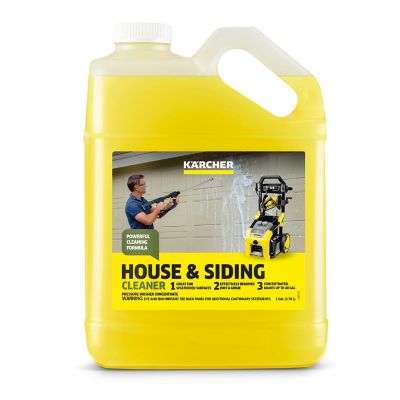
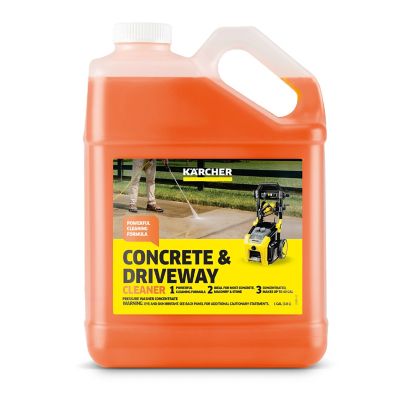
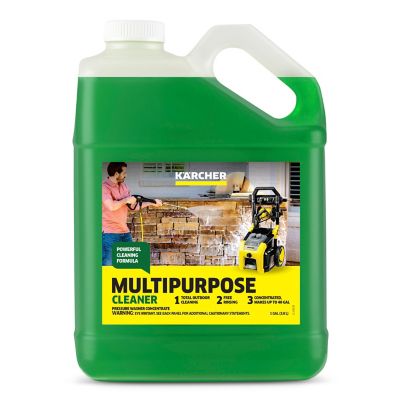
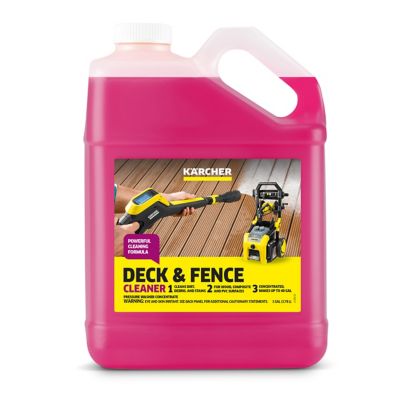
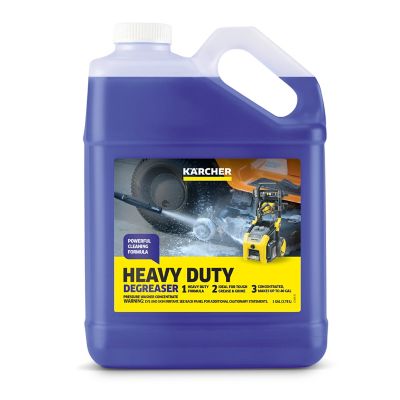
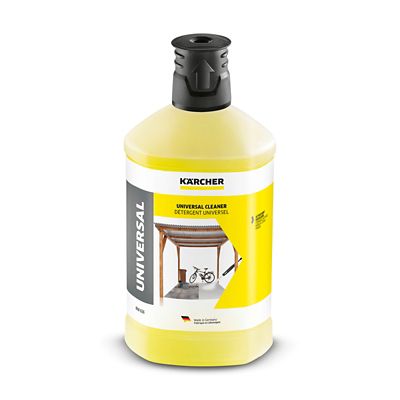
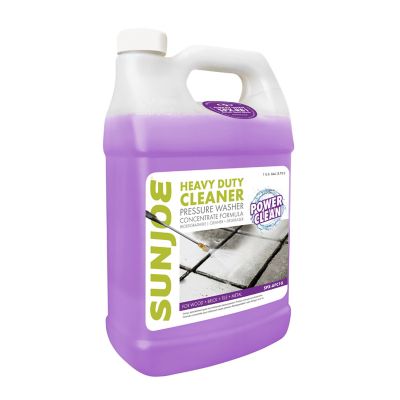
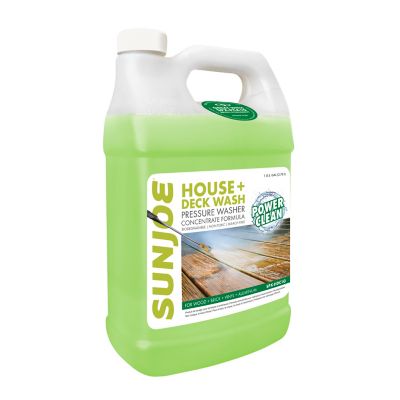
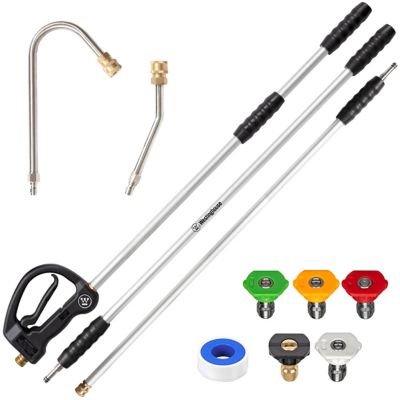
These attachments are useful for homeowners preparing outdoor spaces for gatherings, rural property owners cleaning around gates and outbuildings, and anyone who would rather spend less time hunched over a wand on a long stretch of concrete. They can also make a practical gift for a new homeowner, a do-it-yourselfer, a small acreage owner or the person in the family who takes pride in keeping the place looking sharp. A clean pass down a driveway can brighten the approach to a house, while a refreshed patio or shop floor gives an outdoor work area a more cared-for feel as the weather shifts from warm days into cooler months. For the best results, use a suitable detergent only when the attachment and pressure washer allow it, follow the cleaner’s instructions, and rinse away loosened soil instead of letting it dry back onto the surface. After the job, disconnect the water supply, relieve pressure, rinse dirt from the housing and check the spray tips for blockage. Store the attachment where freezing temperatures will not leave water trapped inside, and keep the quick-connect fitting clean and protected. If you are comparing additional tools for washing vehicles, siding, fencing or hard-to-reach areas, the broader selection of
Pressure Washer Attachments can help round out a gas pressure washer setup. Choosing by PSI, GPM, connection type, cleaning width and build quality gives you a better chance of getting an attachment that works smoothly with your machine and handles the surfaces around your home, farm or shop.