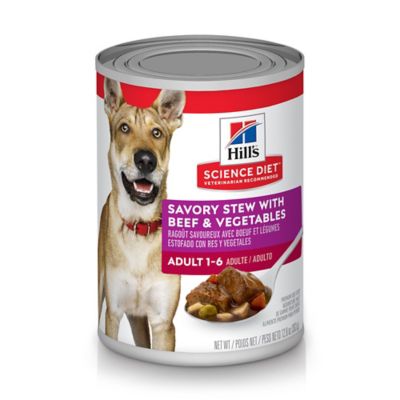
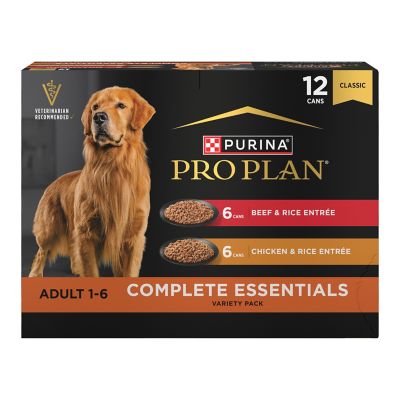
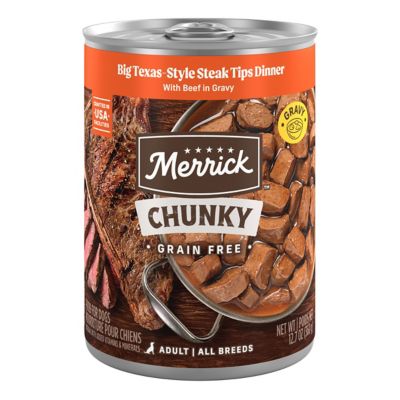
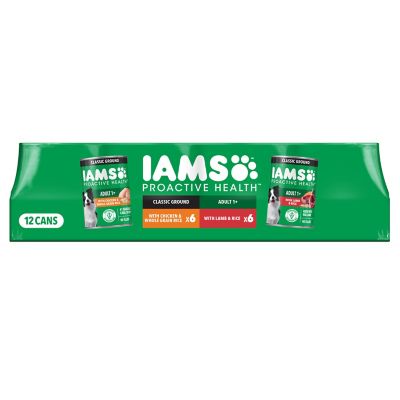
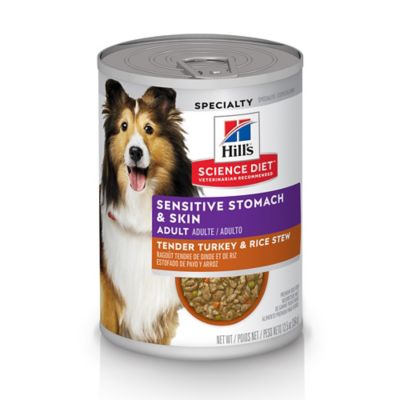
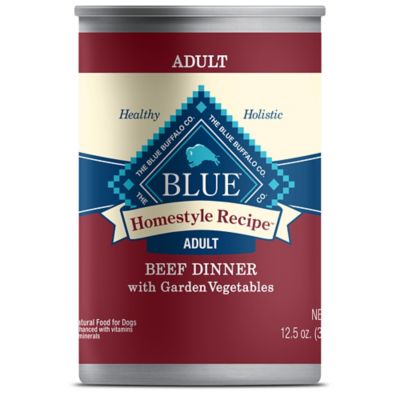
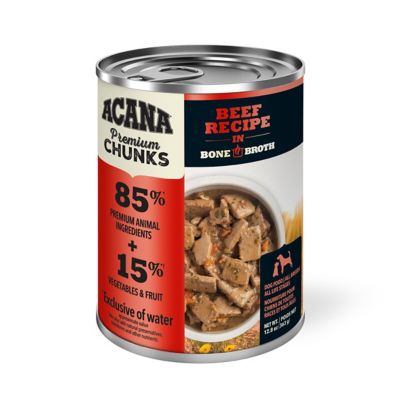
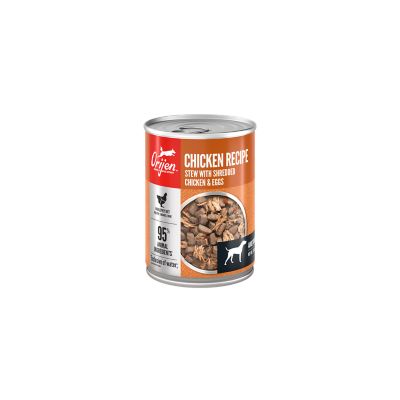
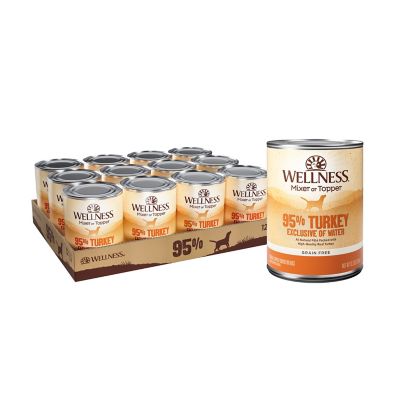
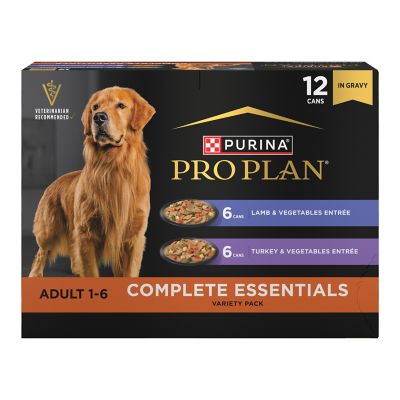
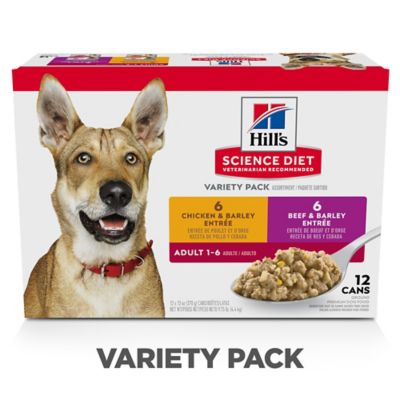
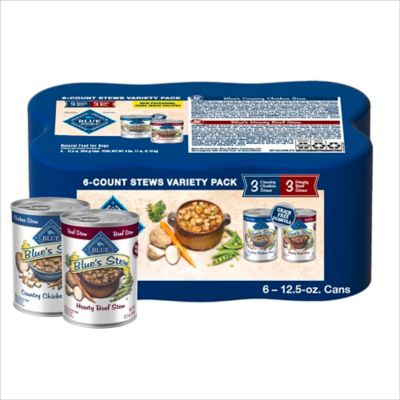
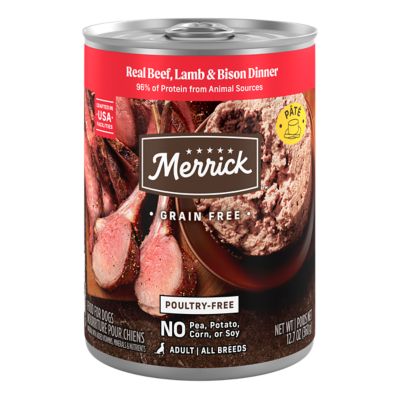
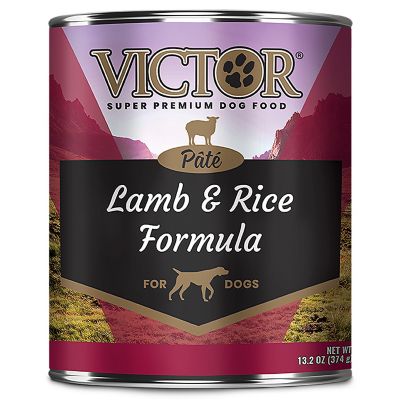
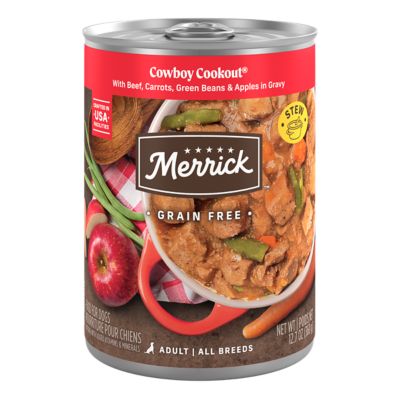
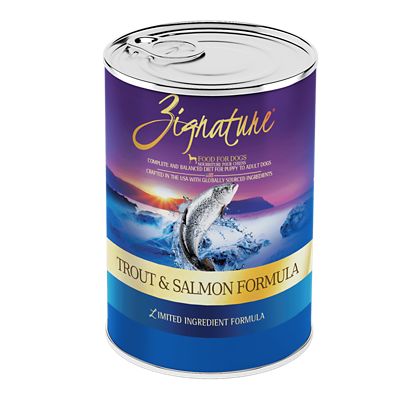
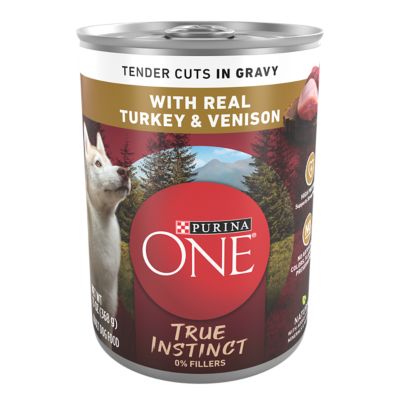
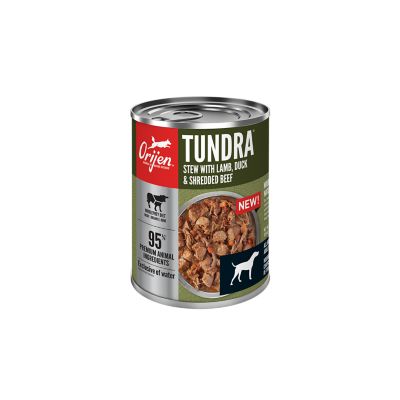
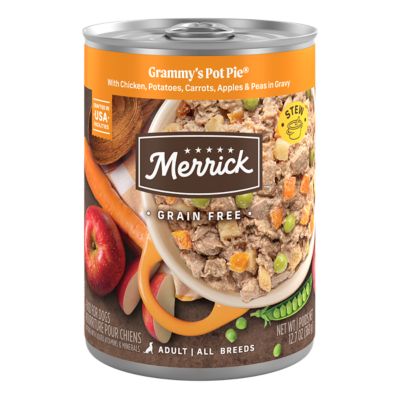
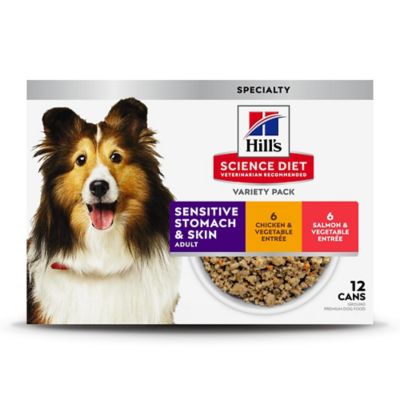
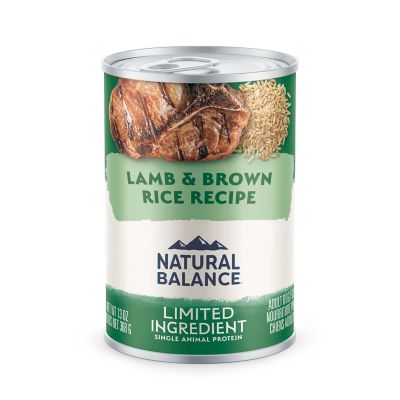
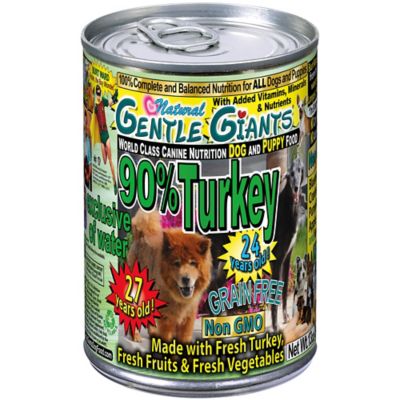
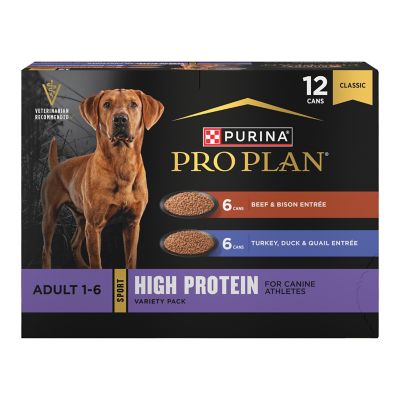
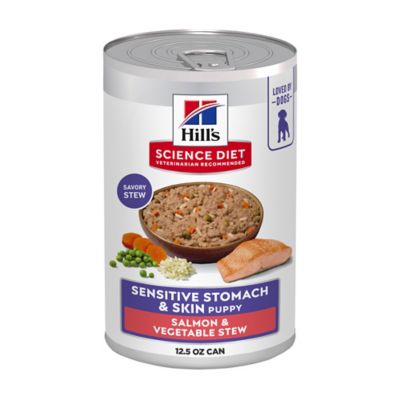
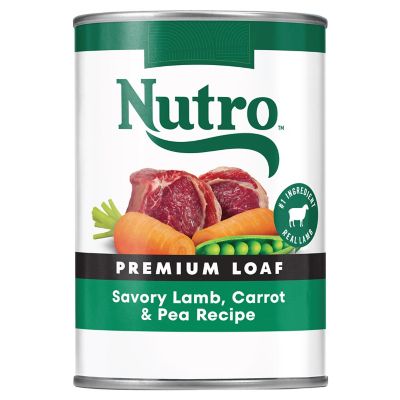
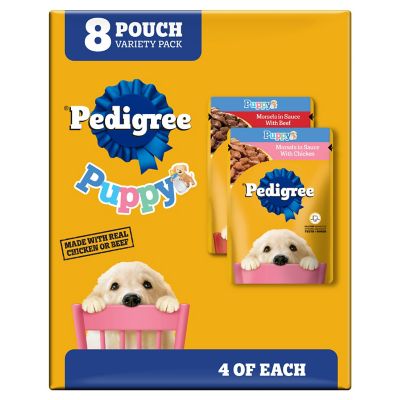
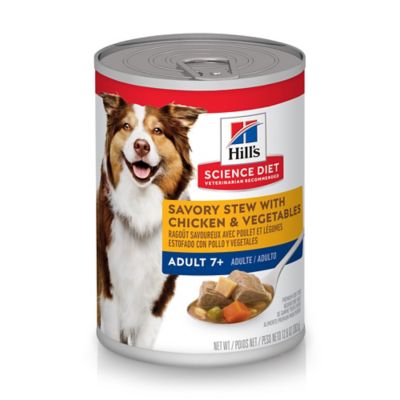
Wet dog food can be a practical choice for dogs that enjoy a softer meal, need extra moisture in their diet, or have a hard time finishing dry food. It often contains far more water than kibble, which can help support daily fluid intake and make meals easier to eat for puppies, older dogs, and pets with tender mouths. The rich aroma may also appeal to dogs with smaller appetites, especially during stressful changes such as a move, boarding stay, or shift in routine. When shopping, start with your dog’s age, size, activity level, and health needs. Puppy formulas are made for growth, while adult and senior recipes are intended for different stages of life. A working farm dog that spends long hours moving across pasture may need a different calorie profile than a laid-back house companion. Check the package for a statement showing that the food is complete and balanced for the proper life stage, and review the feeding chart as a starting point rather than a fixed rule. Body condition, exercise, treats, and other foods all affect how much a dog should eat. A dog who is gaining weight may need smaller portions, while an active dog working outside during the cooler months may need more fuel. Your veterinarian can help you sort through calorie needs and ingredient concerns, particularly if your dog has allergies, kidney problems, diabetes, or a history of digestive trouble. For broader meal planning, you can also browse
Select Dog Food options alongside wet recipes.
Reading the ingredient panel can make the shelf feel less confusing. Look for a named meat, poultry, or fish near the beginning of the list, then consider the full recipe rather than focusing on one ingredient alone. Chicken, beef, turkey, lamb, salmon, and other named proteins each bring their own flavor and nutrient profile. Some dogs do well with a single main protein, while others eat a recipe with several animal sources without trouble. If your dog has a suspected food reaction, avoid changing foods repeatedly on your own; write down ingredients, treats, and symptoms, then talk with a veterinarian about a careful elimination plan. Wet food may come as pâté, chunks in gravy, shredded meat, or a loaf-style texture. Texture matters more than many shoppers expect. A dog with missing teeth may manage a smooth pâté more comfortably, while a dog that likes to chew may prefer tender pieces mixed into sauce. Recipes with broth or gravy can add appeal and moisture, but keep an eye on calories, sodium, and portion size. “Grain-free” does not automatically mean a recipe is right for every dog, and grains are not a concern for most pets unless a veterinarian has identified a specific need. Likewise, terms such as “natural” or “human-grade” should be considered along with the complete nutritional statement, feeding directions, company information, and storage instructions. If you are comparing formulas for a sensitive stomach, a short ingredient list with familiar components may be easier to evaluate, though simplicity alone does not guarantee that a food will agree with your dog.
Wet food works well as a complete meal when labeled for that purpose, and it can also be spooned over kibble as a topper. If you mix foods, reduce the amount of the original food so the total serving does not quietly climb. Introduce a new recipe over several days by blending a small amount with the old food, then slowly increasing the new portion. This gradual change can help limit loose stools, gas, or a skipped meal. Once opened, cover the container and refrigerate it promptly, following the package guidance for how long it can be kept. Serve a chilled portion with a clean bowl, or let it warm slightly before mealtime so the scent is easier for your dog to notice. Never leave wet food sitting out for long stretches, especially in a warm room, barn, mudroom, or enclosed porch. Single cans and trays are handy for trying a new texture, while larger case selections can suit homes with several dogs or a steady feeding routine; store unopened food in a cool, dry place and rotate older containers forward. Wet dog food can also make a thoughtful gift for a friend bringing home a rescue dog, welcoming a new puppy, or caring for an older companion, but check the dog’s current diet first because a surprise food change may cause trouble. A gift card, a small assortment suited to the dog’s established recipe, or a conversation with the owner is often the safest route. During the cooler months, a fragrant meal served after a long walk, chore, or day outside can be a welcome part of the routine, while the added moisture remains useful in every season.