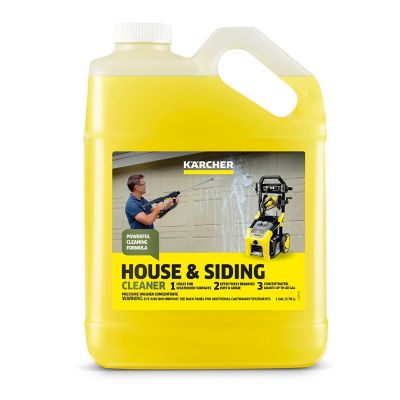
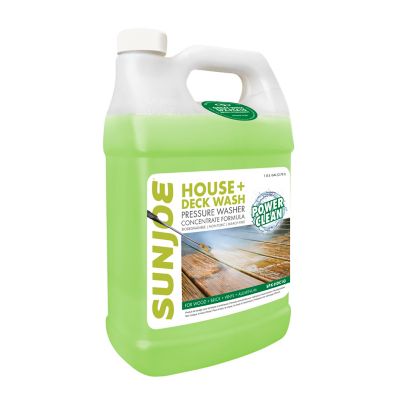
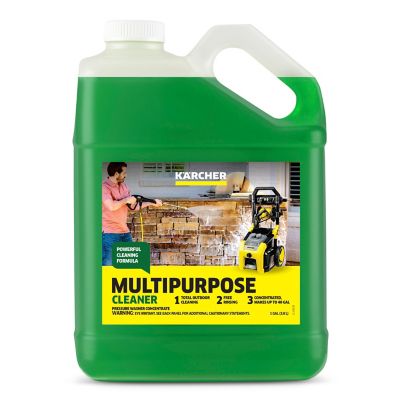
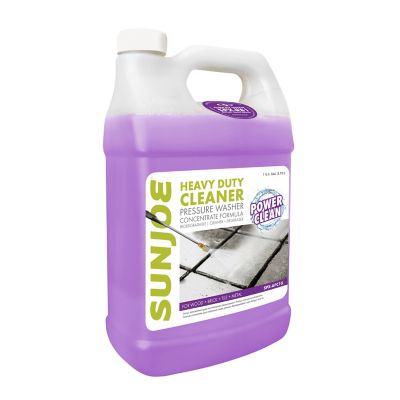
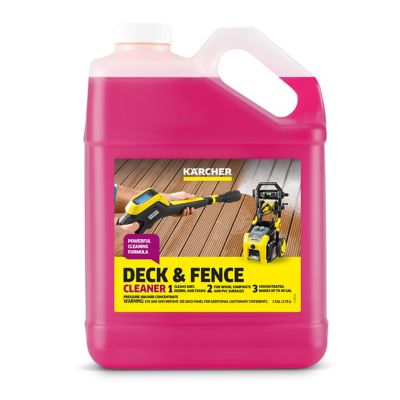
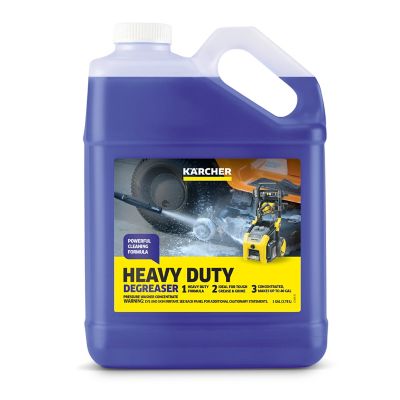
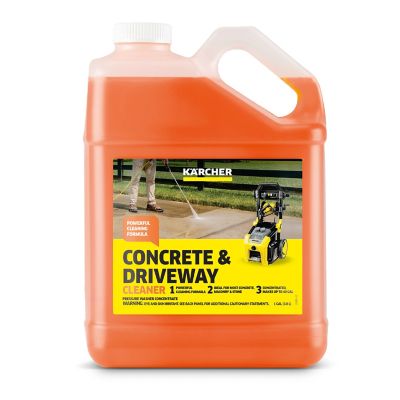
Pressure washer detergents for siding help loosen dirt, greasy residue and other buildup on exterior walls. Some formulas also target stains associated with mold, mildew and algae, making the label’s stated cleaning purpose an important part of choosing a detergent. A dusty wall beside a gravel lane has different cleaning needs than siding with green streaks behind a shed or dark marks near an outdoor cooking area. Detergents contain cleaning agents that help lift soil from the surface so it can rinse away without depending on extra spray force. That matters on siding, where too much pressure can damage finishes or push water behind panels. The right match starts with the siding material and its condition. Vinyl, aluminum, painted wood and fiber cement do not all tolerate the same cleaning chemistry, and a formula labeled for one surface is not automatically suitable for another. Surface approval should cover the finish as well as the material underneath it, especially on painted walls or siding with a factory-applied coating. Older paint, loose caulking, cracked panels and chalky surfaces call for particular care; detergent cannot fix those issues, and stronger spray can make them worse. Chalking on aluminum or faded vinyl may also look like ordinary dirt, even though it involves changes to the surface itself. A cleaner intended for everyday grime may not address that condition. For homeowners tending a farmhouse, property owners caring for rental buildings or folks cleaning a sided workshop, a siding-specific detergent offers a way to tackle buildup with the surface in mind. Claims about removing mold or mildew stains should not be confused with claims about killing those organisms. Products making disinfecting or similar claims need label directions that specifically support that purpose. Clear surface listings and plain application directions are more useful than a broad promise to clean everything around the place.
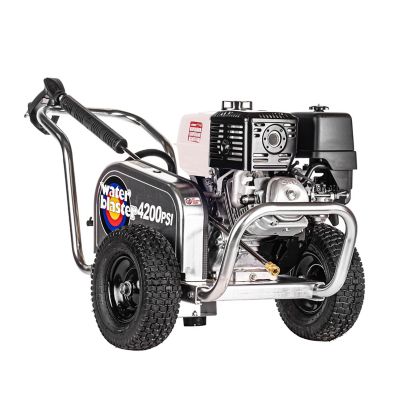
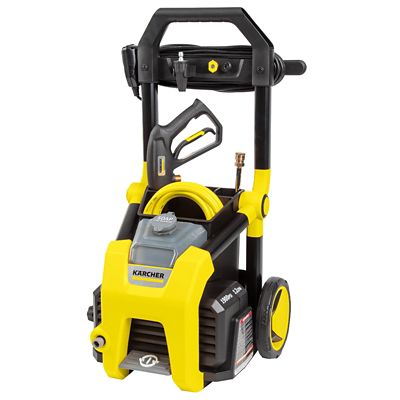
Concentrated and ready-to-apply pressure washer detergents offer different ways to handle a siding job, but their mixing requirements deserve a close look. Concentrates can make sense for larger wall areas or repeated cleaning jobs, while a formula requiring no preliminary mixing can simplify preparation. Neither format guarantees a stronger working solution. The important details are the labeled dilution, the amount of solution the equipment draws and the method of application. A pressure washer’s onboard detergent tank, siphon tube, downstream injector and separate sprayer may deliver cleaner differently, so equipment compatibility matters just as much as siding compatibility. Many pressure washers apply detergent through a low-pressure soap setting rather than a high-pressure spray tip. A thick solution, an unsuitable chemical or a mixture outside the equipment maker’s limits can interfere with delivery or damage components. Bleach-based cleaners require particular attention: a machine having a detergent tank does not mean its internal parts can handle bleach. Any approval needs to cover the actual delivery system. Detergents should never be mixed with other cleaning chemicals unless the product directions specifically call for it. Beyond machine fit, useful label details include contact time, rinsing requirements and whether the solution must remain wet while it works. These points affect how manageable a cleaner will be across broad walls, around windows and beneath overlapping siding edges. A small test area can help reveal discoloration or finish changes before a larger section is treated. Fragrance, color and foam level are not dependable measures of cleaning strength, and extra suds do not necessarily mean better soil removal. Nearby plants, painted trim, metal fixtures and outdoor furnishings also belong in the selection decision. Even a detergent described as biodegradable can require precautions around landscaping, animals and water sources. Clearly stated protective equipment, storage and rinse directions help make a cleaner a better fit for the property and the person handling the work.
For a small home, a long ranch-style wall or several sided outbuildings, container size is best considered alongside labeled coverage and dilution rather than bottle size alone. Coverage can vary with surface texture, soil level and application equipment, so square-foot figures are estimates rather than a promise that every wall will take the same amount. Deep panel profiles, trim details and rougher finishes can change how solution spreads and how much rinsing the job needs. An easy-to-read measuring scale, manageable container and secure closure can make handling simpler, particularly when the wash area is a fair walk from the storage shed. Storage instructions matter between jobs, too. Cleaning chemicals belong in their original labeled containers, away from children, livestock, pets and feed, with any remaining solution handled according to its directions. Around a working property, the area below the siding deserves as much thought as the wall itself. Feed pans, water buckets, pet bedding and movable equipment should stay clear of spray and runoff, while nearby planting beds may need protection as the label directs. Runoff also needs to stay out of wells, ponds and storm drains, with local disposal requirements taken into account. When the same cleanup includes paved areas,
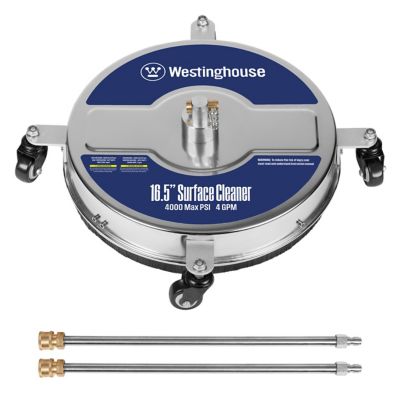
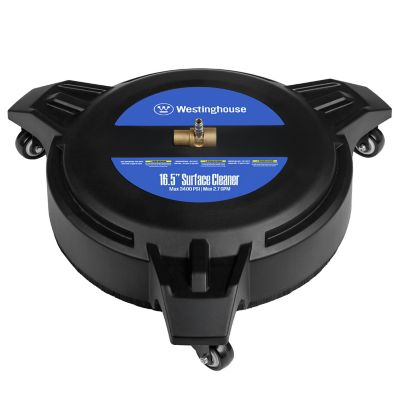
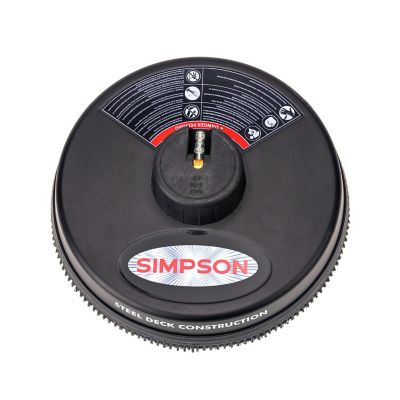
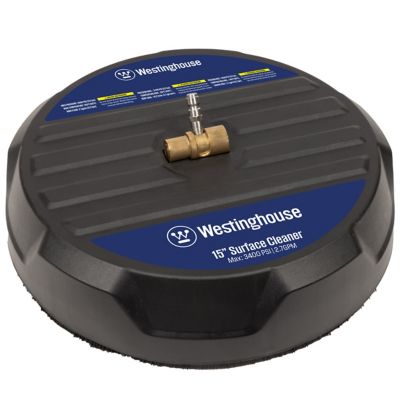
Pressure Washer Attachments for Driveways address a separate part of the job; equipment suited to concrete is not automatically appropriate for siding. Wall cleaning calls for attention to panel joints, vents, electrical fixtures and openings where water could enter. A detergent that loosens the intended soil at the labeled strength can support a gentler approach, but it does not make excessive pressure safe. For regular property care, the most practical choice is a formula matched to the siding, the staining and the detergent delivery equipment, with directions that are straightforward enough to follow from mixing through the final rinse.