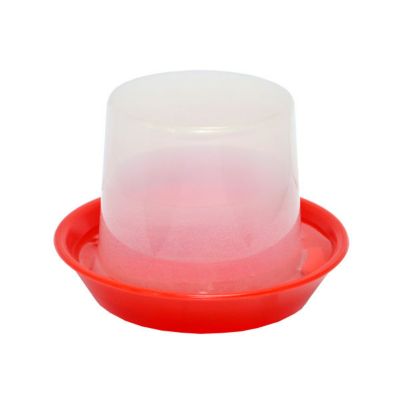
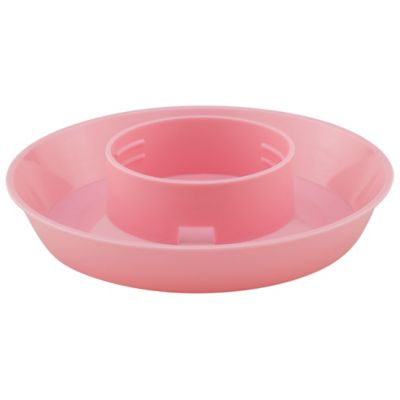
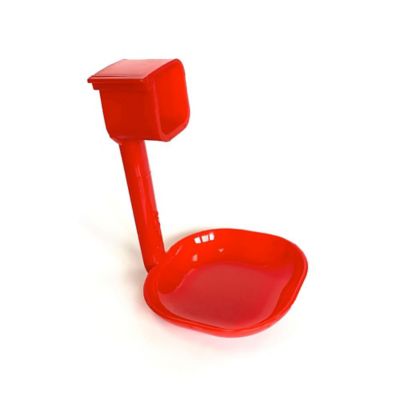
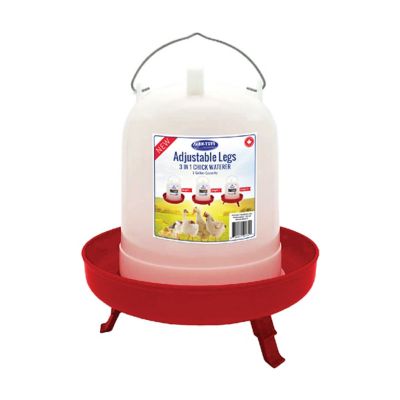
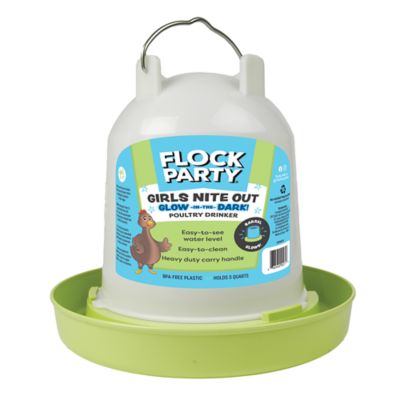
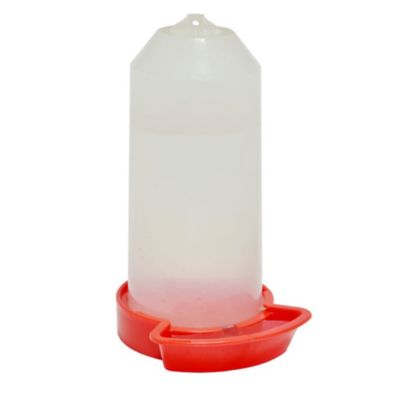
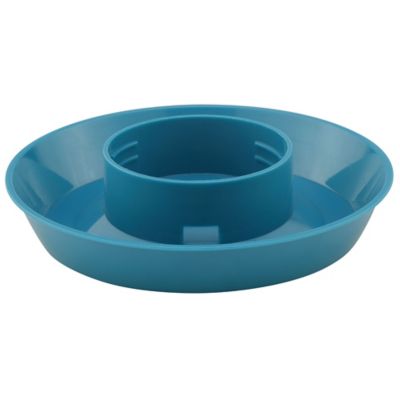
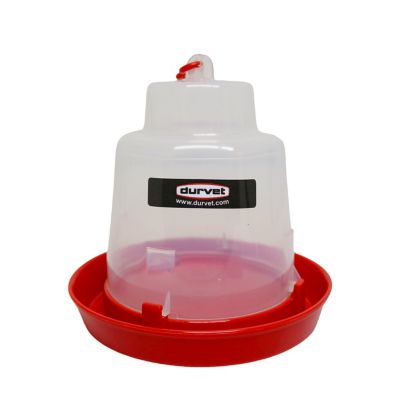
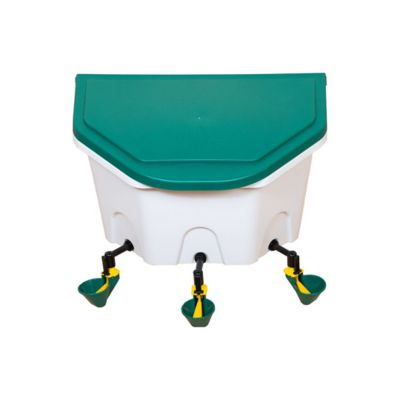
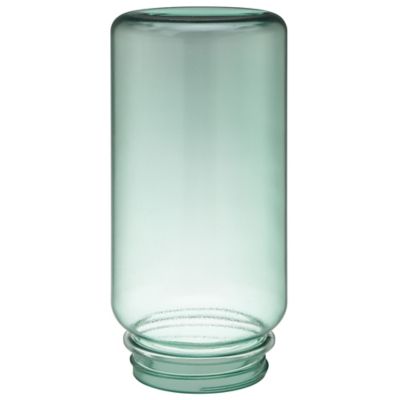
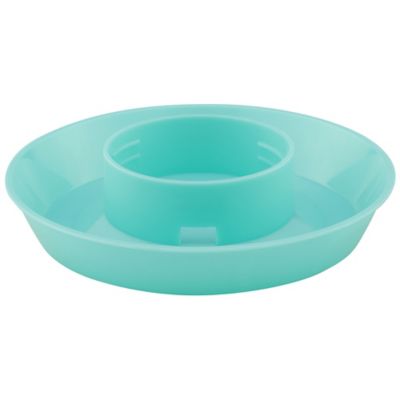
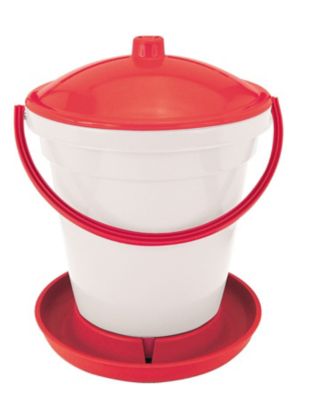
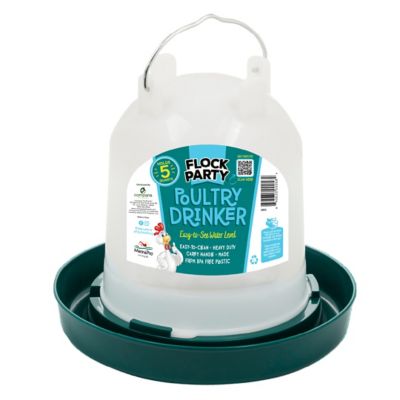
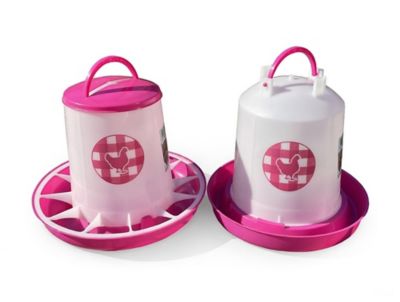
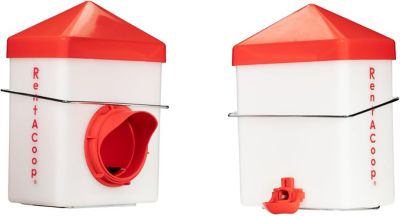
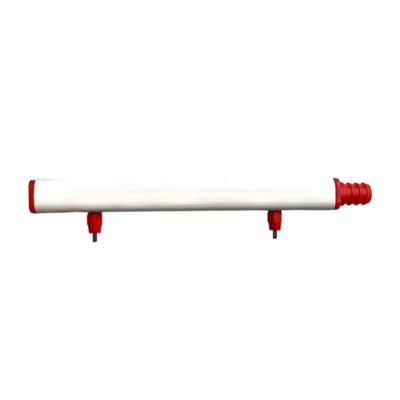
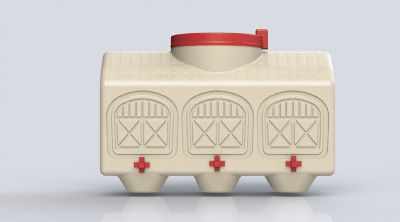
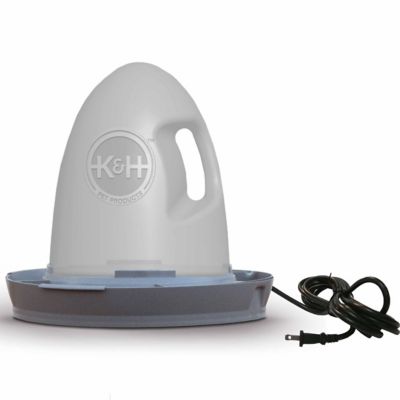
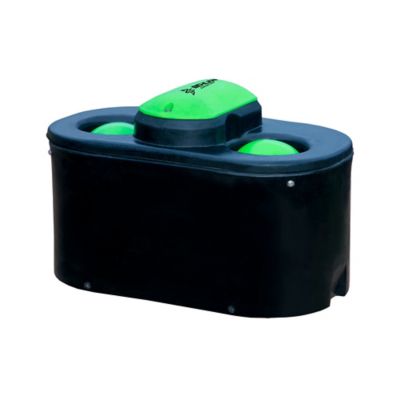
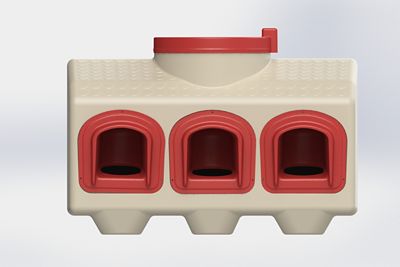
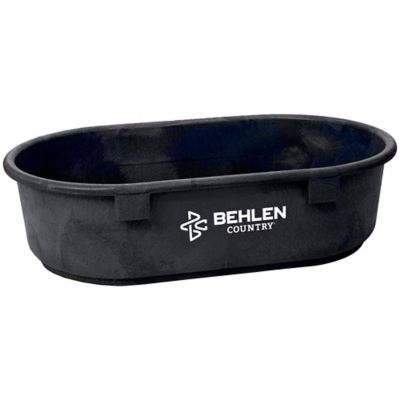
Baby chick waterers give young birds easy access to fresh drinking water through a shallow trough, small cup, or chick-ready drinking mechanism. Their size and shape help limit spills and reduce the chance of chicks stepping into the water, getting soaked, and becoming chilled. For a backyard flock, a small farm, or a family raising its first batch of layers, a waterer is an everyday part of the brooder setup, right alongside chick feed, bedding, and a suitable heat source. Young chicks need water within easy reach, but a wide-open bowl leaves too much room for little feet, loose shavings, and droppings. A waterer designed for chicks keeps the drinking area more contained without making birds stretch or climb to reach it. Gravity-style chick drinkers generally have a reservoir that fits onto a shallow base, releasing water as birds drink and maintaining the basin level when assembled correctly on a level surface. Compact reservoirs suit tight brooder spaces, while larger capacities can help meet the needs of a growing flock. Capacity alone doesn’t tell the whole story, though. The amount of accessible drinking space matters just as much when several chicks gather around the base after a nap under the brooder plate. A broad reservoir with only a small accessible edge may create a crowd, even when there’s plenty of water inside. More than one drinking station can give timid birds room to drink without pushing past their flockmates. Day-old chicks, bantams, and larger chicken breeds also differ in height and reach, so the drinking lip and opening deserve a close look. A setup that suits started pullets may be too tall or difficult for newly hatched birds. Waterers intended for baby chickens make those early days easier to manage by keeping the focus on reachable water, steady footing, and enough room for the whole little flock to settle into its daily routine.
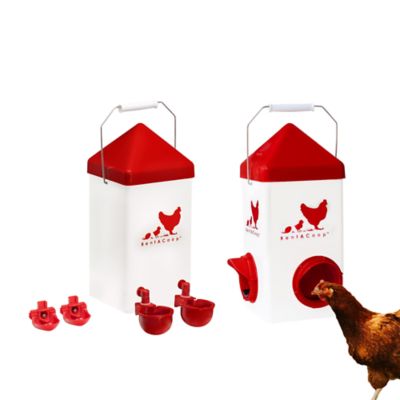
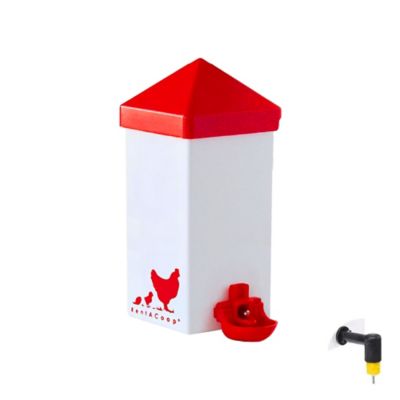
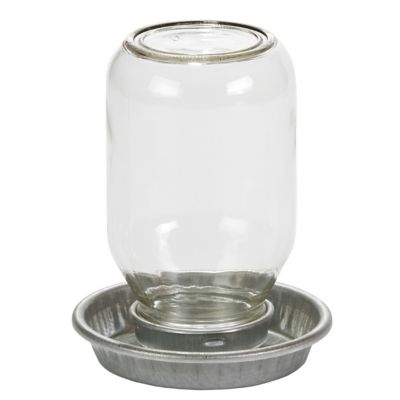
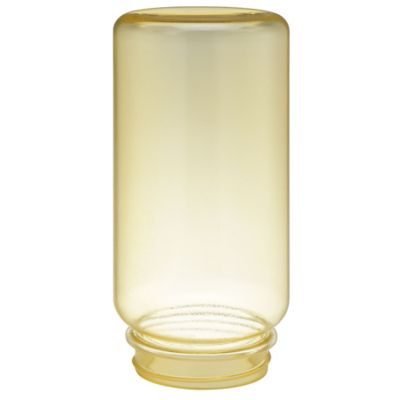
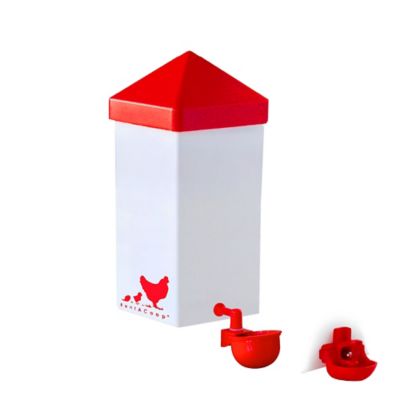
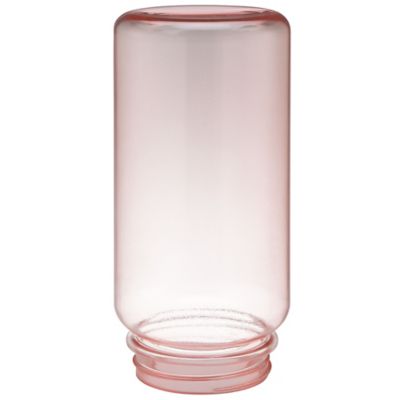
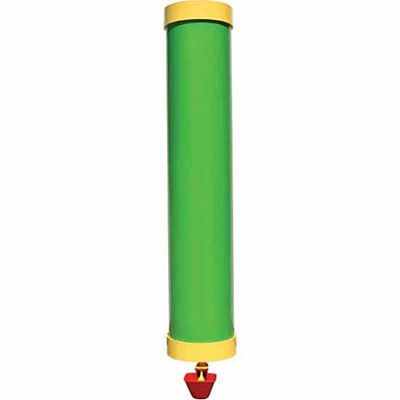
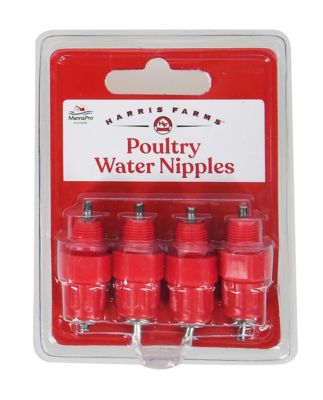
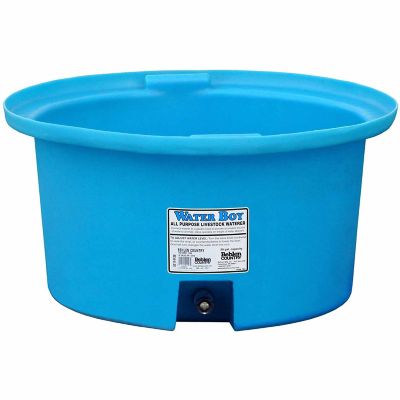
Materials, construction, and fit all affect how a baby chick waterer handles life in the brooder. Molded plastic is lightweight and easy to carry from the sink or barn faucet, and a translucent reservoir makes the water level easier to check during chores. Smooth surfaces and a base that separates from the reservoir make it easier to reach the trough, threads, and corners where feed dust collects. Plastic can develop cracks from hard knocks, freezing, or extended exposure to sunlight, so wall thickness and the condition of attachment points matter over time. Metal components bring different care considerations, including corrosion and compatibility with cleaning agents or water additives. Any supplement or treatment belongs only in equipment that its manufacturer identifies as compatible. Jar-and-base designs also need matching threads and the intended reservoir; containers that look close in size don’t necessarily form the seal a gravity waterer needs. A poor fit, loose connection, or tilted base can turn a slow refill into a wet patch beneath the drinker. Stands and hanging arrangements can help keep the drinking area above loose bedding, provided they hold the waterer steady at a height the smallest chicks can comfortably reach. For very young birds, accessibility comes before elevation. A narrow drinking channel can help discourage wading, but no design replaces regular checks that chicks are drinking and staying dry. Cup, nipple, and float-controlled systems offer other ways to deliver water, though each needs to be rated for the birds’ age and matched to the proper mounting arrangement or water supply. Some drinking mechanisms require more strength or learning than newly hatched chicks can manage. Float-controlled designs regulate incoming water rather than relying on a jar reservoir, making secure connections and proper pressure especially important. For keepers planning beyond the brooder stage,
Automatic Chicken Waterers for Summer Flocks offers related context for later flock watering needs; chick suitability still depends on the particular system and its stated requirements.
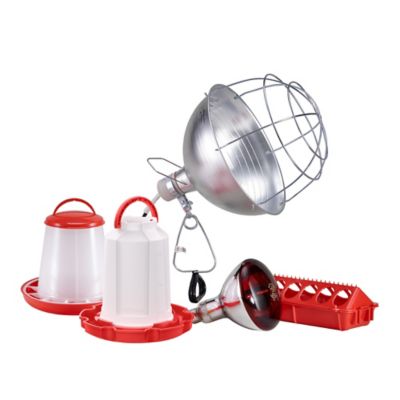
Day-to-day care is where a well-matched chick waterer earns its place among the poultry supplies. Even a covered reservoir can feed into a trough that collects bedding and crumbs, especially once chicks start scratching with enthusiasm. A drinking edge that’s easy to see and reach makes those quick checks simpler, whether chores happen before school or after the evening feeding. Fresh water should stay accessible, with containers cleaned and refilled daily and sooner whenever water becomes dirty. Larger capacity doesn’t replace cleaning, and a reservoir that still looks full doesn’t always mean the drinking area is flowing properly. Small passages, cups, and nipples need attention because debris can interfere with water delivery. Designs with removable parts and few hard-to-reach crevices make regular washing less of a fuss. Cleaning methods should follow the equipment instructions, including thorough rinsing when required, and parts need checking for rough edges, cracks, and worn seals before returning to the brooder. A second waterer can keep drinking water accessible while the first is being washed. Placement matters, too: a firm, level spot away from the hottest part of the brooder helps keep water from getting overly warm and reduces the temptation for birds to bunch up around one corner. The location still needs to be comfortably accessible within their sheltered space. During cooler months, water in an unheated outbuilding can freeze, even when a nearby heat source keeps part of the brooder warm. Any heating accessory needs to be intended for the waterer’s material and setup, with electrical components protected according to the manufacturer’s directions. For families sharing flock chores, an easy-grip reservoir and straightforward refill process can make supervised care more manageable. As chicks grow, their water needs, reach, and activity level change, and their watering setup needs room to change with them. The best fit balances drinking access, flock size, brooder space, and the practical work of keeping water fresh—without leaving soggy shavings under a crowd of busy little feet.