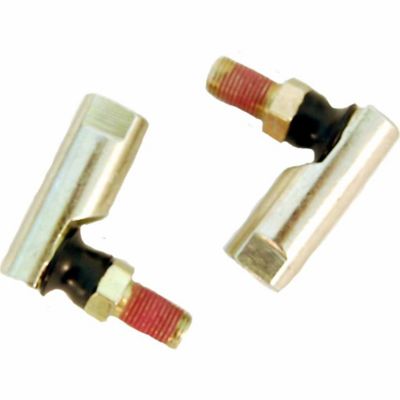
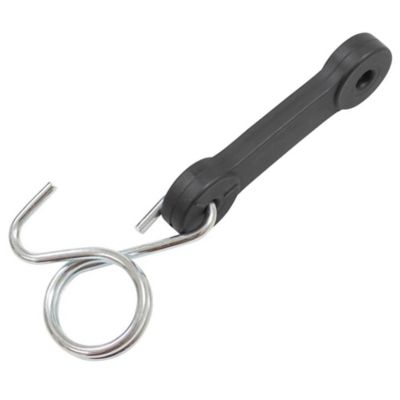
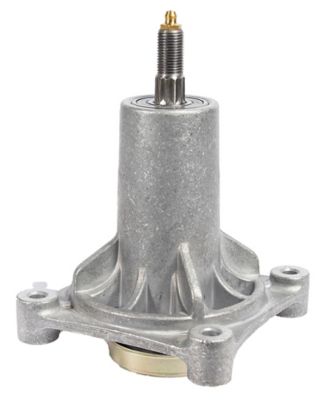
Keeping a lawn mower in good shape is a whole lot easier when the right replacement parts are close at hand. Over time, regular mowing, dusty conditions, damp grass, and the occasional hidden stick can wear down belts, blades, wheels, pulleys, filters, spark plugs, and other working components. Poulan lawn mower parts can help bring a dependable walk-behind or riding mower back into the routine, whether you are replacing a worn piece before it causes trouble or finishing a repair that has been waiting in the shed. Start by locating the mower’s complete model number and writing down any numbers found on the old part. Model information is often printed on a frame label, under the seat, near the engine, or along the mower deck, and those details can make it easier to compare fit, measurements, mounting holes, belt length, and other specifications. A close visual match is not always enough, especially with belts, blades, wheels, and engine components that may look similar while fitting differently. If the original part is available, compare its shape, dimensions, connection points, and markings before ordering. It also helps to keep the mower’s age, deck size, drive style, and engine type in mind, since these details can affect which replacement part is suitable. A few minutes spent checking the model and part information can save a return trip and get the mower back to work with less fuss.
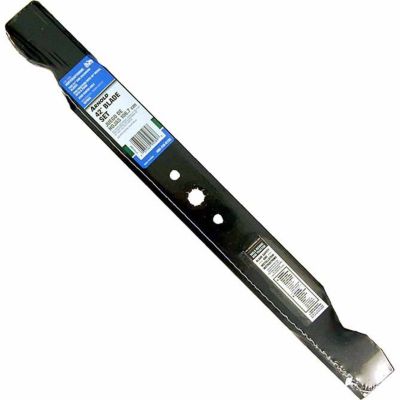
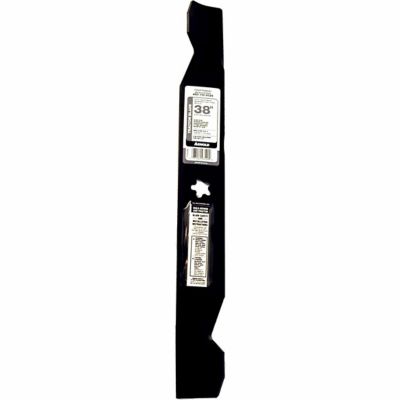
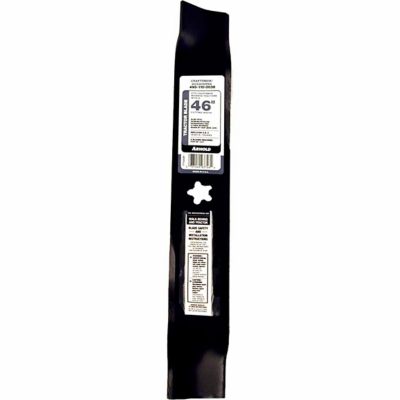
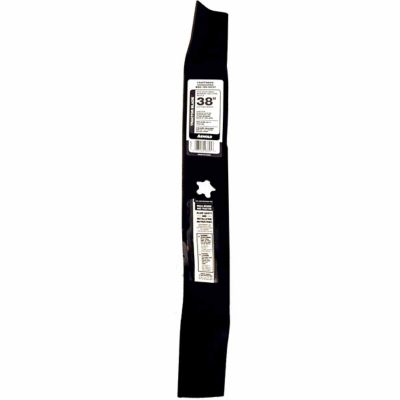
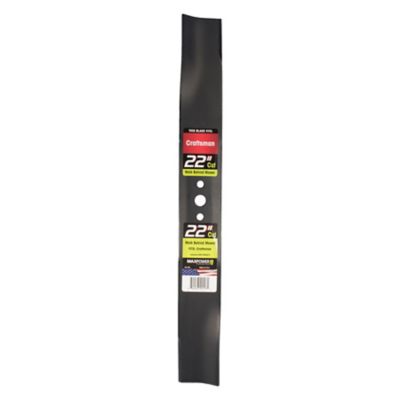
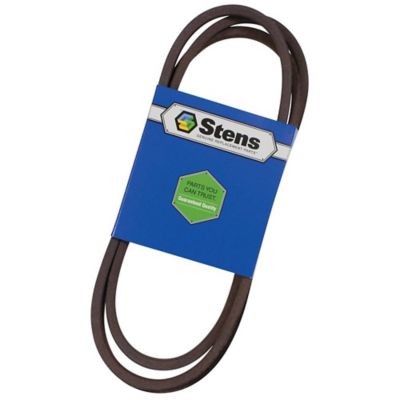
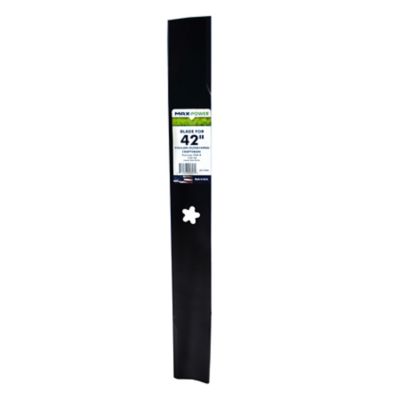
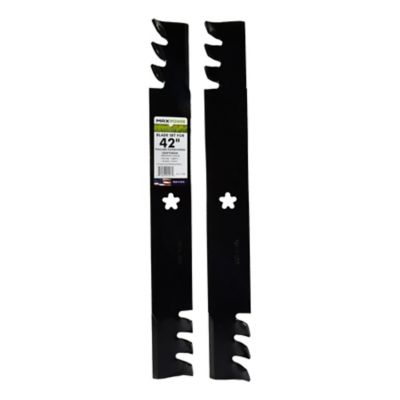
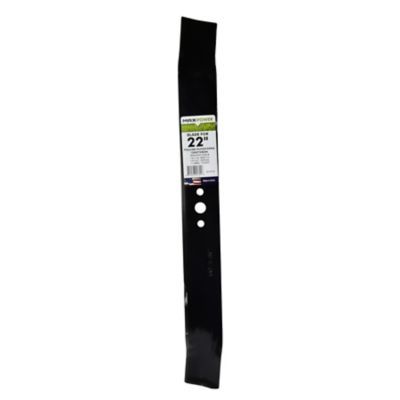
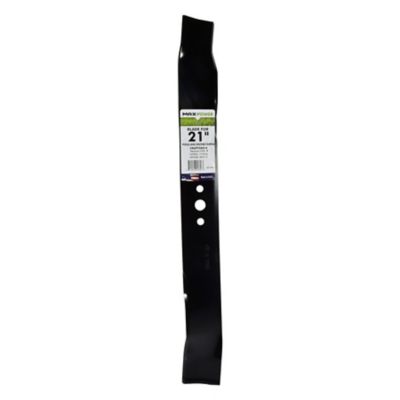
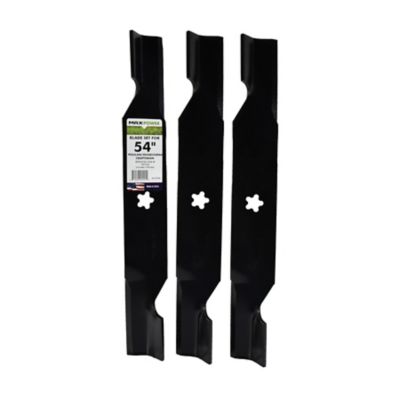
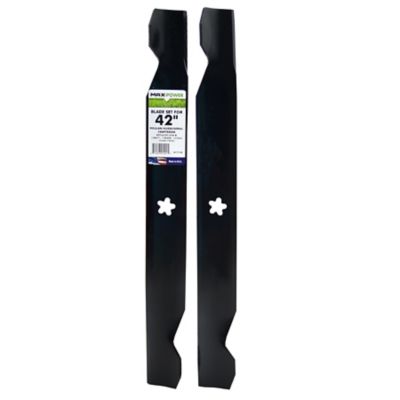
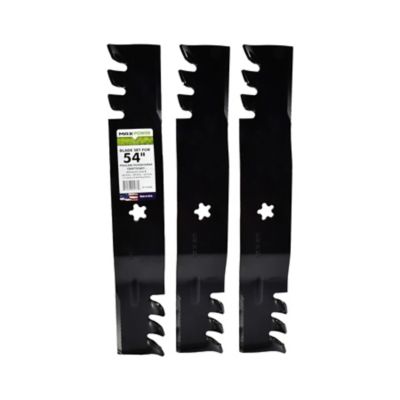
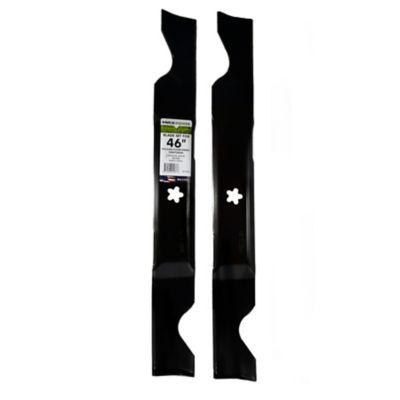
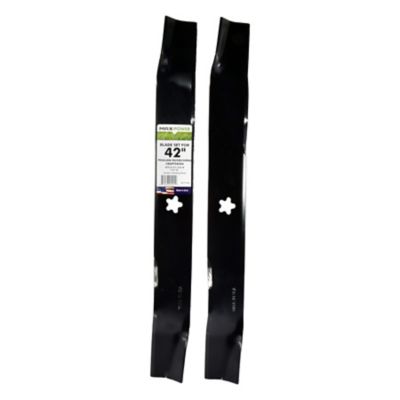
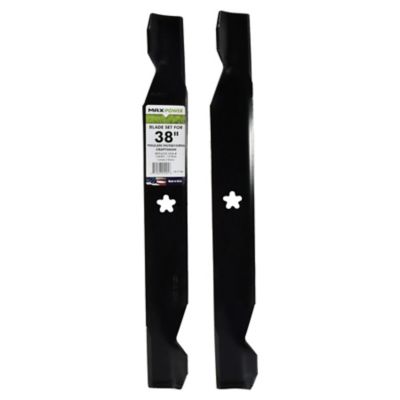
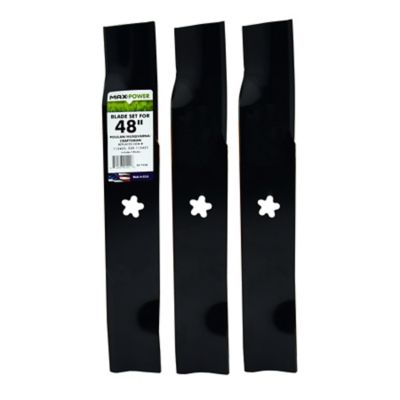
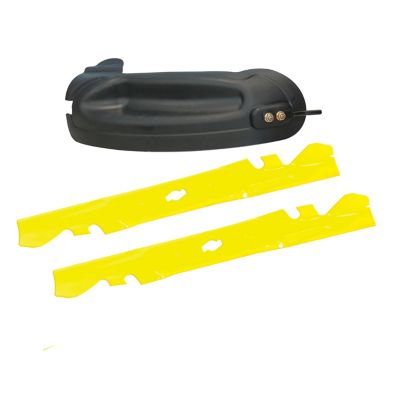
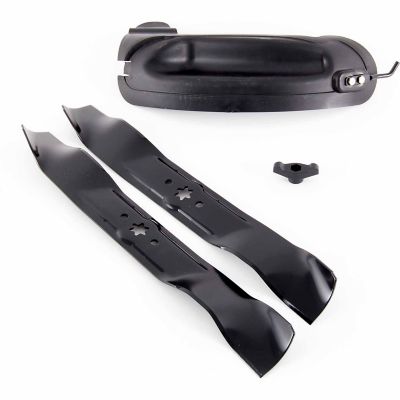
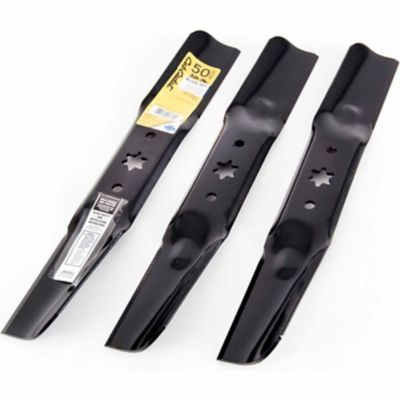
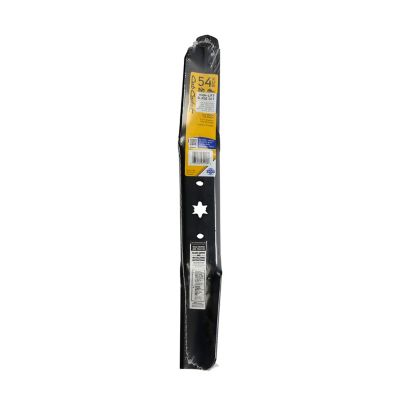
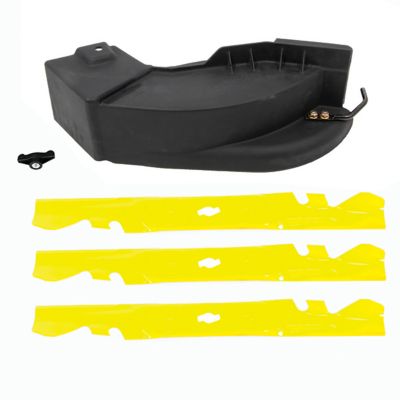
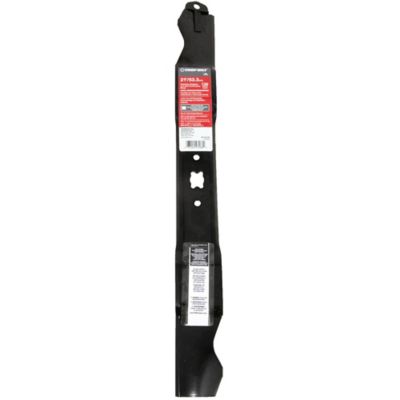
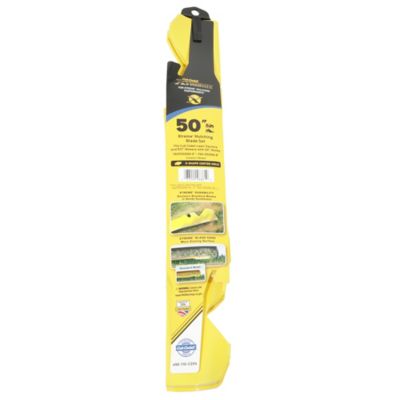
Cutting and drive components see some of the hardest use on a mower, particularly during the warmer part of the growing season when grass grows thick and needs frequent attention. A dull or damaged blade can leave uneven rows, ragged grass tips, and extra strain on the mower, while a worn belt may slip, squeal, crack, or stop transferring power properly. When shopping for a replacement cutting component, check the length, width, center-hole style, mounting pattern, and intended deck application rather than relying on appearance alone. The
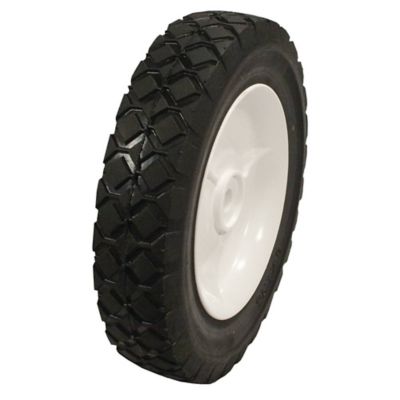
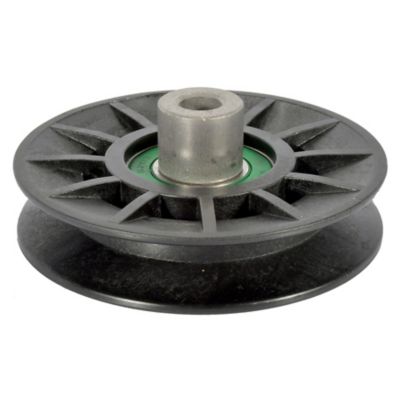
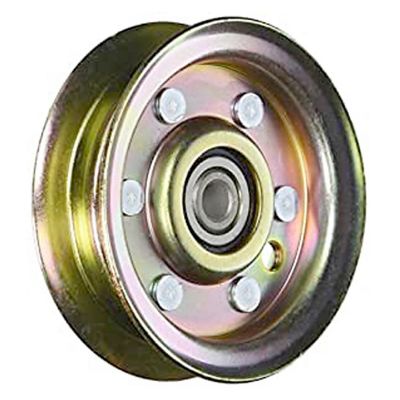
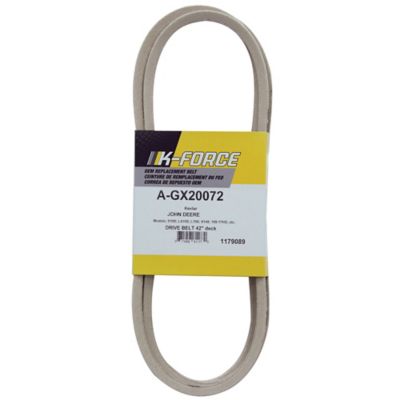
Poulan Lawn Mower Blade selection can be a useful place to compare mower-compatible cutting options. Belts and pulleys deserve the same careful look; deck belts and drive belts are not interchangeable in every machine, and the correct part needs to follow the original routing and tension requirements. Wheels are another common repair item on walk-behind mowers, where worn tread, cracked hubs, or loose hardware can make steering and mowing across uneven ground more difficult. Before replacing a wheel, note its diameter, width, axle opening, tread style, and whether spacers or washers are needed. Hardware such as bolts, washers, and retaining pieces should be checked at the same time, since reusing bent or damaged hardware can lead to looseness and vibration. For any repair, shut off the engine, disconnect the spark plug wire, remove the ignition key where applicable, and let hot parts cool before working around the deck or engine. Use sturdy gloves when handling blades and support a mower securely instead of relying on a jack or unstable block.
Engine and fuel-related parts can be just as important when a mower cranks slowly, runs unevenly, loses power, or refuses to start after sitting between mowing sessions. Air filters help keep dust and grass particles out of the engine, and a dirty filter can restrict airflow and make the mower work harder. Spark plugs wear gradually and may show signs of fouling, buildup, or a worn electrode, while fuel-system components can become troublesome when old fuel leaves residue behind. Replacement carburetors and related components should be matched carefully to the engine and mower model, including linkage locations, fuel-line connections, and mounting details. Before beginning an engine repair, drain fuel safely when needed, work in a well-ventilated area away from flame, and follow the equipment manual for installation and adjustment steps. These parts are useful for homeowners who handle their own yard care, small acreage owners keeping a rough lawn under control, and anyone who prefers maintaining equipment instead of replacing it at the first sign of wear. They can also make a practical gift for a parent, neighbor, new homeowner, or handy friend who spends weekends tending a large yard, pasture edge, or country driveway. As the weather shifts toward cooler conditions, many mower owners use the quieter stretch of the season to replace worn parts, clean the deck, inspect wheels and belts, and store the machine ready for the next round of growth. Keeping common repair items organized with the mower, along with the model number and a few notes from the last service, makes future maintenance easier and helps turn a frustrating breakdown into a straightforward fix.